
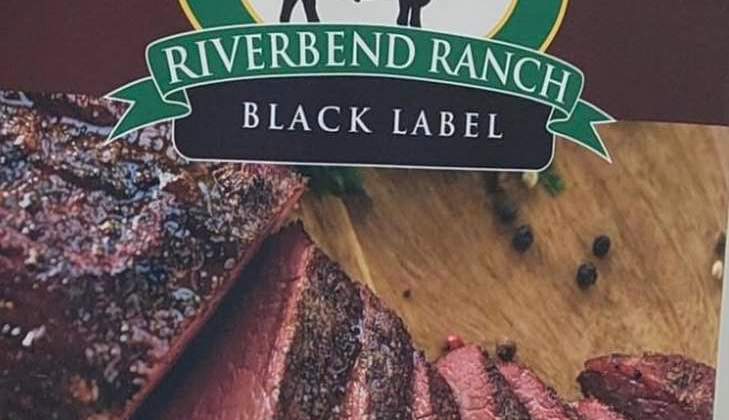

We all need to know where our beef comes from. Personally, I eat a lot of lean beef that is raised…
- right here in the United States. (Other companies like Butcher Box, fox example, come from Australia and I prefer to shop US.)
- with NO vaccines, NO antibiotics, NO hormones (the official phrase is NEVER EVER)
- and is Grass-Fed .
We also only buy Prime or High Choice (not Top Choice).
Why the push towards beef? Because…..
- Beef is loaded with vitamins and minerals!
- Vitamin B12 is critical for daily energy and beef is the BEST natural source of vitamin B12.
- Beef supplies vitamins B2, B3, B5, B6, and K, and essential minerals such as zinc, potassium, iron, and magnesium.
- Beef provides all nine essential amino acids needed for your body to function at its best and delivers a healthy balance of essential fatty acids.
- Beef is a leading dietary source of L-Carnitine, an important substance that enhances energy production by boosting fat metabolism.
- Beef aids in reducing inflammation and lowering blood pressure resulting in better heart health
- On top of all that beef is a great source of glutathione, the “master antioxidant” that helps your body defend against harmful free radicals. It can also help support immune function and metabolize toxins.
But what about cholesterol? You may be surprised!
What’s for dinner? We’re eating steak!
Consumer demand for beef is at an all-time high. That’s partly because recent studies indicate that beef is an essential part of a healthy diet.
But wait! What about all those so-called studies that surfaced about 20 years ago suggesting that beef could somehow be related to heart disease or even cancer?
Well, it turns out that beef was simply getting a bad rap. Those scientific studies were not substantiated by the facts. New data shows that the rumors that were circulated about beef 20 years ago are not what they are cracked up to be. In fact, a 2017 meta-analysis by Texas A&M University reviewed 40 significant cancer studies, most dealing with a supposed link between red meat and colorectal cancer.
Researchers found limitations in the literature and concluded that there “is currently insufficient evidence to confirm a mechanistic link between the intake of red meat as part of a healthy dietary pattern and colorectal cancer risk.” Because these studies were the supposed strongest evidence between red meat consumption and cancer, this Texas A&M review shakes the foundations of what scientists for decades had wanted us to believe.
There has NOT been a single clinical trial conducted that establishes a direct link between beef consumption and cancer or heart disease. Numerous recent studies are reaching a different conclusion. Indeed, more recent studies are providing compelling evidence of the health benefits of consuming beef. And, it is worth noting, none of these studies were funded by the beef industry.
For more about the pros and cons of eating beef click here.
 Hayseeds Creative