I’m also partnered with a 35 year-old health and wellness manufacturing company that is privately held with more than a billion dollars in sales, and 100% debt free. All of the products are manufactured in the US and are science-based, non-grocery, green, and eco-friendly. With more than 500 products, from shampoo to foot cream, from supplements to coffee, we have products for everyone.
What I do is educate consumers on the brand and why it make sense to shop here. I help customers open their online shopping accounts to get great products at discounted prices. The best part about this shopping club is that there is a 96% percent reorder rate. The products are that good.
These types of products will always be in the homes of everyone I know and everyone I don’t know, so my ideal client is anyone who uses toothpaste, deodorant, nutritional supplements, personal products, household or cleaning supplies and wants to save money on high quality products at Costco prices shipped directly to your door.
We are expanding rapidly and looking for more at-home representatives to enroll and help new members. Great opportunity for stay-at-home Moms, Dads, singles, retirees, or anyone looking for extra cash or to replace their income!
We are an affiliate marketing company—there is no selling involved and no collecting of any money. The hours are flexible and can be done alongside a full-time position as well as around your schedule. We are approved by the Better Business Bureau with a A+ rate and the Torch award. No sales and No inventory!
In her insightful book, Good Energy, Dr. Casey Means presents a fascinating analogy: our cells are like military troops, and the foods we consume act as messages from the general, guiding and motivating them on what actions to take. Essentially, food serves as a communication tool, sending clear signals to our cells about what our bodies need to survive and thrive.
How Food Communicates with Our Cells
Omega-3 Fatty Acids: Found in salmon, walnuts, and chia seeds, these essential fats send a message to our immune cells that says, “Put down your defense. Things are safe now.” This helps to reduce inflammation and promote a sense of calm within the body.
Cruciferous Vegetables: Foods like broccoli, Brussels sprouts, and kale communicate with our DNA, signaling, “It’s a tough time, and we must produce more defenses.” These vegetables are packed with antioxidants and compounds that support our body’s detoxification processes.
Leucine: This essential amino acid, found in beef, yogurt, lentils, and almonds, tells our muscles, “It’s time to build. Let’s go.” Leucine plays a critical role in muscle protein synthesis, making it vital for muscle growth and repair.
Magnesium: Present in avocados, leafy greens, and pumpkin seeds, magnesium sends a relaxing message to our neurons: “Relax.” This mineral is essential for nerve function and helps to alleviate stress and anxiety.
Fiber: When we consume fiber, it communicates with our microbiome, saying, “I love you.” Fiber supports the growth of healthy gut bacteria, which is crucial for digestion and overall health.
Intermittent Fasting: This practice sends a powerful message to our entire body: “We need to clean things up.” Intermittent fasting promotes cellular repair processes, including autophagy, which helps remove damaged cells and supports overall health.
Synthetic Herbicides and Pesticides: Unfortunately, these substances send a detrimental message to our healthy gut bacteria, saying, “It’s time to die.” Exposure to these chemicals can disrupt gut health and negatively impact our overall well-being.
What Are You Telling YOUR Body?
The foods we choose to consume play a significant role in the messages we send to our cells. By being mindful of our dietary choices, we can foster better communication within our bodies and promote optimal health.
What messages are you sending to your body with your food choices? Consider incorporating more nutrient-dense foods into your diet to support your cells and enhance your overall well-being. Remember, every bite counts!
Feel free to share your thoughts and experiences in the comments.
How do you ensure that you’re sending the right messages to your body? Let’s create a community of health-conscious individuals who prioritize nourishing our cells!
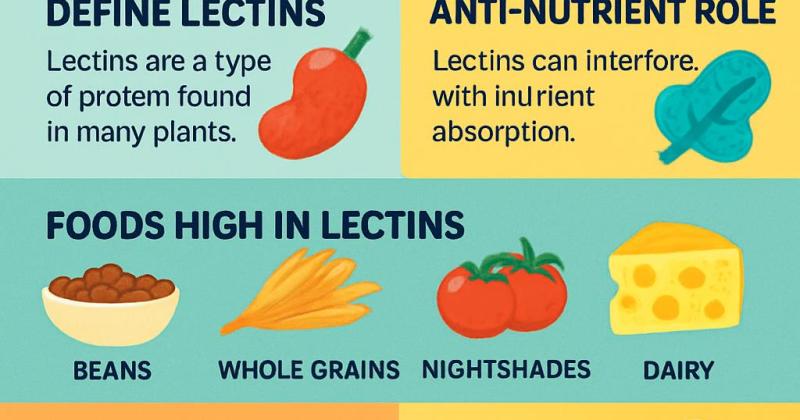
Lectins are fascinating proteins found in many plants, known for their ability to bind to certain sugars. Often referred to as “anti-nutrients,” these proteins may serve as a natural defense mechanism for plants, deterring insects and animals from munching on them. But what does this mean for us?
The Double-Edged Sword of Lectins
While some experts warn that lectins can interfere with nutrient absorption and digestion, cooking can typically neutralize their effects. The debate continues: are lectins harmful or helpful?
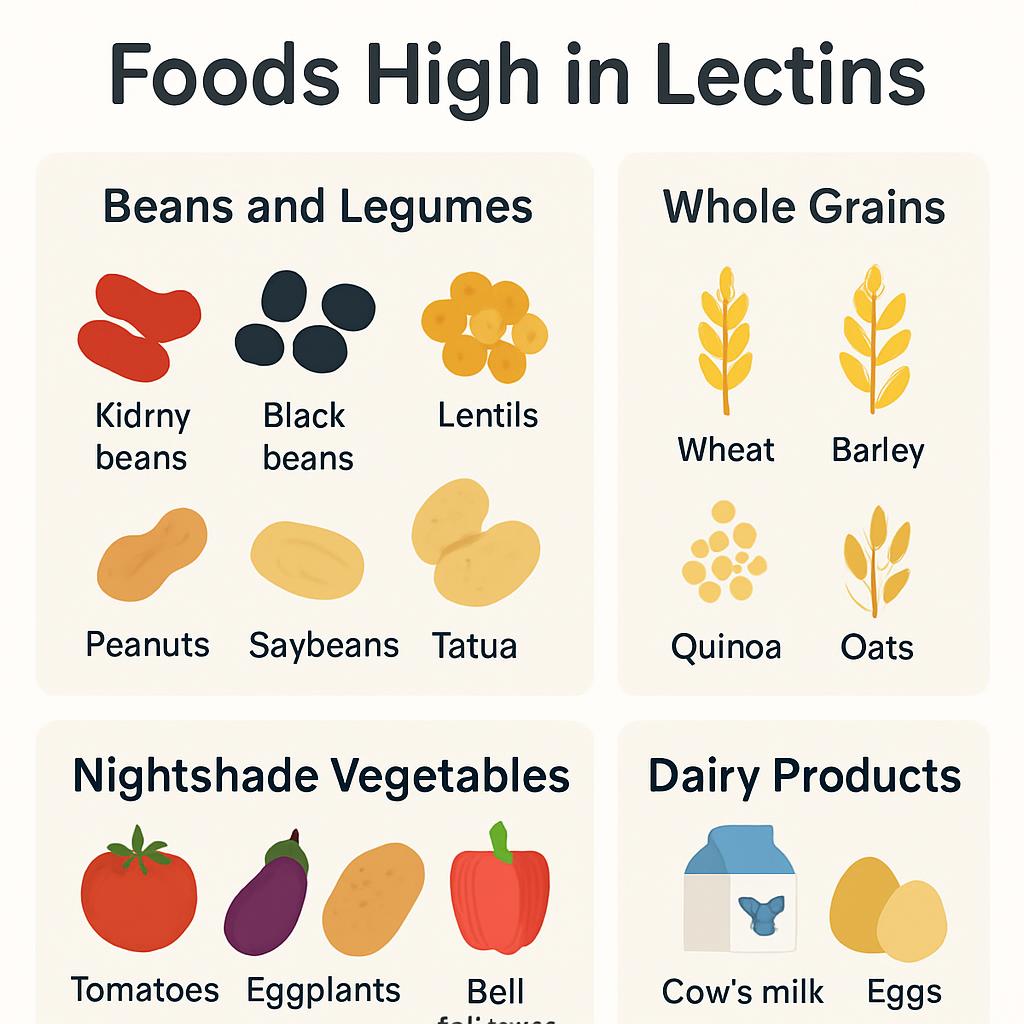
Foods High in Lectins
You might be surprised to learn that many common foods contain lectins, including:
Beans and Legumes: Soybeans, peanuts, and lentils.
Whole Grains: Barley, wheat, and quinoa.
Nightshade Vegetables: Tomatoes, eggplants, potatoes, and peppers.
Dairy and Eggs: Often from animals fed lectin-rich grains like wheat and corn.
Debunking Myths: What the Experts Say
Contrary to popular belief, recent studies suggest that the negative effects of lectins may not be as relevant to humans as once thought. Dr. Megan Meyer, director of scientific communication at the International Food Information Council Foundation, notes, “Most research has focused on purified lectins in test tubes or animals, not in the context of human diets.”
The Hidden Benefits of Lectins
Dr. Josh Axe reminds us that while excessive consumption of lectin-rich foods can lead to health issues, these proteins also play critical roles in our bodies. They regulate cell adhesion, support immune function, and contribute to the synthesis of glycoproteins.
Moreover, some research suggests that lectins possess antimicrobial properties, effectively fighting off bacteria like Staphylococcus and E. coli. They may even help combat fungal and viral infections!
A Silver Lining: Nutrient Powerhouses
Interestingly, lectins are also associated with potential anti-cancer properties. A 2015 review published in Cell Proliferation revealed that plant lectins can modify immune cell expression and alter signaling pathways to aid in killing cancer cells and blocking tumor growth.
Conclusion: A Balanced Perspective
In conclusion, while lectins have garnered a reputation for being harmful, it’s essential to acknowledge their complex role in our diet. They offer various health benefits and are a source of vital nutrients. As with many things in nutrition, balance is key. Enjoy lectin-containing foods, but consider cooking methods that can neutralize their potential downsides.
In today’s health-conscious world, the terms processed foods and ultra-processed foods are frequently mentioned. But why is there so much focus on these categories? The answer lies in their impact on our health, as both are often labeled as “toxic foods” by nutritional professionals. Understanding the differences between them is essential for making informed dietary choices.
What Are Processed Foods?
Processed foods are those that have been altered from their natural state for safety reasons or convenience. This encompasses a range of methods, including:
Milling: Grinding grains into flour
Pasteurizing: Heating liquids to kill harmful bacteria
Cooking: Preparing food for consumption
Canning: Sealing food in containers to prolong shelf life
While these processes can enhance food safety and convenience, it’s vital to focus on eating real, fresh foods as much as possible. The goal is to minimize the level of processing in our diets, opting for whole foods that provide essential nutrients.
What Are Ultra-Processed Foods?
Ultra-processed foods, on the other hand, undergo multiple stages of processing and often contain various additives, such as:
Preservatives: Chemicals that extend shelf life
Sweeteners: Added sugars and artificial sweeteners
Artificial Colors and Flavors: Ingredients that enhance appearance and taste
These foods are typically “ready to eat” or “ready to heat,” making them convenient but often lacking in nutritional value. When we consume ultra-processed foods, we fill our bodies with unhealthy ingredients, which reduces the likelihood of choosing healthier options. This creates a double whammy of unhealthy decisions, yet Americans continue to overconsume these harmful foods.
Making Intentional Choices
Creating a healthy eating environment takes intention and planning. Here are some strategies to help you focus your choices in the right direction:
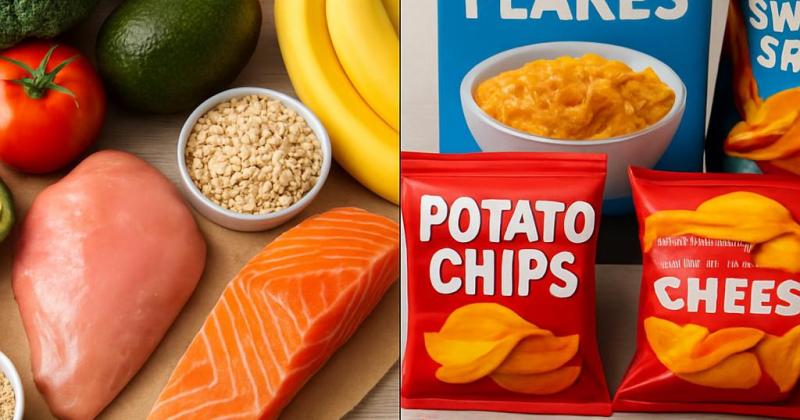
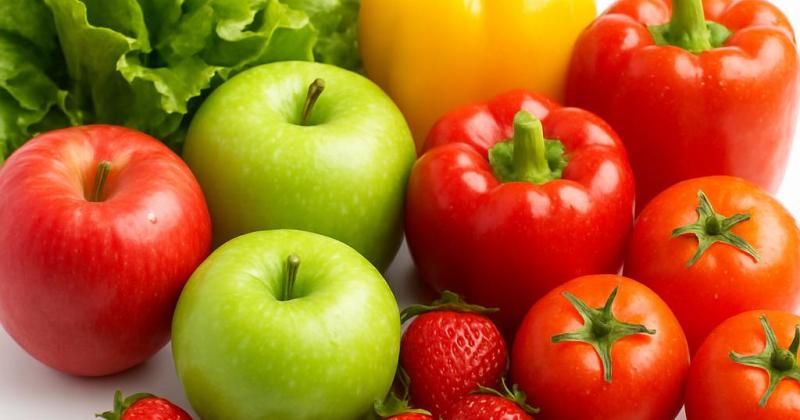
Stock Your Refrigerator with Fresh Produce: Fill your fridge with a variety of fruits and vegetables, making them easily accessible for snacking and meal prep.
Choose Quality Proteins: Keep your freezer stocked with lean meats, such as beef that is hormone-free and antibiotic-free, preferably sourced from the U.S.
Buy Fresh Fish: Whenever possible, purchase fish fresh on the day you plan to cook it to ensure optimal flavor and nutrition.
Avoid Harmful Foods: By not buying ultra-processed foods, you reduce the temptation to consume them, steering your household toward healthier options.
While perfection is not the goal, making healthy eating a priority in your home can lead to significant improvements in overall well-being.
Join the Conversation
How do you create an environment in your household that promotes healthy eating? Share your tips and strategies with the group, and let’s inspire each other to make better food choices!
Exercise may lower cancer risk, and newer evidence also suggests it may improve outcomes after diagnosis. The strongest message from the research is consistent: more physical activity is better than none, and even walking can make a meaningful difference. 311
Exercise Can Lower Your Cancer Risk
A recent study published in the British Journal of Sports Medicine examined physical activity before cancer diagnosis and found that people with moderate to high activity levels had better outcomes than those with no activity. 2 Among participants with stage 1 cancers, moderate to high activity was associated with 27% lower odds of cancer progression and 47% lower odds of death from any cause compared with no activity. 2
That finding fits a broader body of research showing that physical activity is linked to lower cancer risk and better cancer outcomes. 168 The CDC states that physically active adults have a significantly lower risk of developing several common cancers, including bladder, breast, colon, endometrial, esophageal, kidney, lung, and stomach cancers. 11
Why Exercise Matters
Exercise appears to help in several ways, including supporting healthy body weight and improving overall health, which may reduce cancer risk. 911 Cancer Research UK notes that being physically active lowers cancer risk by helping people maintain a healthy weight, and may also lower breast and bowel cancer risk through mechanisms not fully explained by weight alone. 9
Research reviews also show that physical activity can reduce fatigue, improve quality of life, and lessen anxiety and depression in people with cancer. 61 In oncology, many guidelines still point to a practical target of about 150 minutes of moderate-intensity activity per week, plus strength training twice weekly when appropriate. 114
The Practical Takeaway
If you already exercise, keep going. If you do not, start small. Medical experts quoted in a University of Michigan Health article recommend beginning with a simple 10-minute brisk walk and building from there, and they note that exercising with a friend can improve both motivation and accountability. 13
Exercise is widely recommended for prevention and survivorship, but it is not a standalone cancer prevention strategy and does not replace medical care. 51 People with cancer or those recovering from treatment should check with their doctor before starting a new exercise routine. 1
This morning’s mission was simple yet essential: clean out the garbage and recycling bins before the heat hit! Armed with my trusty, no-toxin Sol-U-Guard disinfectant, I was ready to tackle the task head-on.
The Power of Sol-U-Guard
What makes Sol-U-Guard stand out? This EPA-registered botanical disinfectant is powered by thyme oil and citric acid, effectively killing over 99.9% of common household germs without the need for harsh chemicals like chlorine bleach or quats.
Time-Tested Thyme Oil
Thyme oil isn’t just a kitchen staple; it’s nature’s immune system! The thyme plant uses this oil to ward off microorganisms, effectively killing them before they invade.
Safe, Natural Citric Acid
Every drop of citric acid in Sol-U-Guard is processed with care, taking over 100 hours to complete, including 35 hours dedicated to filtering. This meticulous process ensures you’re using a product that’s both effective and safe for your home.
How Sol-U-Guard Works
So, how does Sol-U-Guard work its magic? Many viruses are protected by a lipid envelope. When you spray Sol-U-Guard, it breaks down this envelope, effectively killing the virus and keeping your home safe.
A Fresh and Spotless Result
After scrubbing and disinfecting, my bins are now spotless and have never smelled better! Disinfecting your home has never been easier—just spray it on any hard, non-porous surface and let it dry. It kills 99.9% of household germs using the power of thyme oil and citric acid, making your cleaning routine a breeze.
A Thoughtful Moment
As I was scrubbing away, I couldn’t help but think of my friend, who recently mentioned her dislike for seeing garbage in the trash can. It’s funny how certain people pop into your mind during everyday chores, isn’t it?
Question for You: Who’s someone that randomly comes to mind when you’re doing a simple chore?
Did You Know?
Here’s a startling fact: a single bacteria cell can multiply into over a billion in just 24 hours! Keeping your space clean and disinfected is not just about aesthetics; it’s crucial for your health.
Unlocking the Benefits of Grape Seed Extract (GSE)
Grape Seed Extract (GSE) may come from a simple source—the seeds of grapes—but this little extract does BIG things! Packed with numerous benefits, GSE is a powerhouse of health advantages that you might want to incorporate into your wellness routine.
Let’s explore the remarkable benefits of this extract:
1. Antioxidant Properties
GSE is rich in tannins, which act as antioxidants. These powerful compounds may help protect blood vessels and tissues from damage caused by free radicals, promoting overall cardiovascular health.
2. Anti-inflammatory Effects
Inflammation can lead to a variety of health issues. GSE has been shown to help reduce inflammation, making it a great ally in your fight against chronic conditions.
3. Support for Venous Insufficiency
For those experiencing symptoms of chronic venous insufficiency—a condition where veins struggle to send blood back to the heart—GSE may provide relief and improve circulation.
4. Blood Pressure Regulation
Research suggests that GSE may slightly lower blood pressure, particularly in healthy individuals and those with high blood pressure, especially if they are obese or have metabolic syndrome. However, it’s important to consult with a healthcare provider before combining GSE with high doses of vitamin C.
5. Eye Health Benefits
GSE may help alleviate eye stress caused by glare, making it a potential natural remedy for those who spend long hours in front of screens or in bright environments.
6. Allergy Relief
GSE has shown promise in reducing the severity of nasal allergies by decreasing the production of histamine, providing a natural solution for allergy sufferers.
7. Neurological Support
This extract may serve as a valuable therapeutic agent for various neurological disorders, including stroke, epilepsy, autism, and certain psychiatric conditions.
8. Anti-aging Properties
GSE may help protect collagen and elastin in the skin, contributing to a youthful appearance and reducing the signs of aging.
And so much more!
As someone who has taken Grape Seed Extract alongside resveratrol supplements for years, I can personally attest to its benefits. This combination of resveratrol and grape seed extract has become my favorite supplement duo, and I believe in its power to enhance overall health and well-being!
Conclusion
With its multitude of health benefits, Grape Seed Extract is a fantastic addition to any wellness regimen. Whether you are looking to support your cardiovascular health, manage inflammation, or simply promote healthy skin, GSE has something to offer.
Consider incorporating Grape Seed Extract into your daily routine and experience the difference for yourself!
Did you know that your favorite fruits and vegetables can be hiding more than just delicious flavor? During farming, transportation, and even at the grocery store, produce can be exposed to pesticides, dirt, grime, insects, and other contaminants. If you love fresh produce as much as we do, it’s time to take action!
Introducing Harvest Pure Fruit and Vegetable Wash!
This handy product is designed to give you peace of mind while enjoying your fruits and veggies. With its safe and gentle formula, Harvest Pure offers incredible benefits that will elevate your produce game:
✅ Removes Dirt and Residues ✅ Eliminates More Than Twice the Pesticides Compared to Water Alone ✅ Preserves Nutrients—No Scrubbing or Peeling Required! ✅ Leaves No Unpleasant Aftertaste—Just Fresh, Deliciously Clean Produce! ✅ Works in Just 30–60 Seconds ✅ Super-Concentrated Formula: Approximately 30 Uses in a Compact 8 fl. oz. Bottle ✅ Natural Herbal Scent from Pure Lemon and Pure Rosemary Essential Oils
Harvest Pure combines biodegradable, food-safe ingredients to wash away pesticide residues, dirt, and grime. It’s not just effective; it’s also gentle on your produce, ensuring that the nutrient-rich peels remain intact.
When used as directed, Harvest Pure removes over twice the pesticide residues compared to washing with water alone! Cleaning your fruits and vegetables with Harvest Pure means you can enjoy them knowing they are as clean and fresh as possible.
With no fillers or unnecessary water, each ingredient in Harvest Pure serves a specific purpose, providing exceptional value at less than 25 cents per use. Why settle for less when you can ensure your produce is the purest it can be?
Make the smart choice for your health and your taste buds! Try Harvest Pure Fruit and Vegetable Wash today and savor the difference in every bite. Your fruits and veggies deserve to be pure!
Take the first step toward cleaner, healthier produce!
It’s time to debunk this myth! While that phrase is just a bunch of baloney, there’s plenty to be said for “sick-friendly foods.”
One standout? Chicken soup! Research shows that it can help fight colds in at least two studies. It not only helps clear nasal congestion but also thins mucus, making it easier to cough up. Plus, it may even have a mild anti-inflammatory effect to ease those pesky cold symptoms.
Recent research highlights the significance of chicken soup in relation to colds for several reasons:
Nasal Congestion Relief: Chicken soup helps clear nasal congestion, making it easier to breathe when you’re dealing with a cold.
Mucus Thinning: The warm broth can thin mucus, which aids in coughing it up and clearing the airways, providing relief from respiratory discomfort.
Mild Anti-Inflammatory Effects: Studies suggest that chicken soup may have a mild anti-inflammatory effect, which can help alleviate cold symptoms and promote overall comfort during illness.
Overall, chicken soup is considered a “sick-friendly” food that not only provides nourishment but also offers specific benefits that can help ease the symptoms of a cold. It’s a comforting option that many people turn to when they want to feel better.
So, the next time you’re feeling under the weather, grab a warm bowl of chicken soup and let it work its magic!
Do you have a favorite chicken soup recipe? I can share mine!
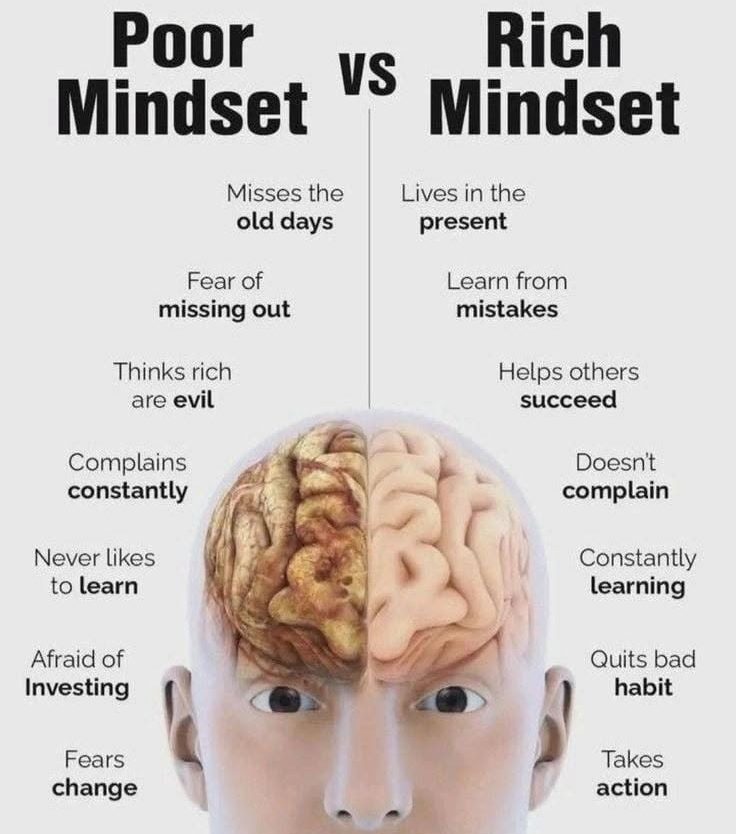
Our mindset plays a crucial role in shaping our lives, influencing our decisions, and ultimately determining our success. Understanding the difference between a poor mindset and a rich mindset can help you identify where you stand and how you can grow.
Poor Mindset: Scarcity, Fear, and Limitation
A poor mindset is characterized by:
Scarcity Mentality: This mindset focuses on the belief that resources, opportunities, and success are limited. Individuals with a scarcity mindset often feel that there isn’t enough to go around, leading to competition rather than collaboration.
Fear of Failure: People with a poor mindset may avoid taking risks due to a fear of failure. They often see setbacks as insurmountable obstacles rather than opportunities for growth.
Limitation in Thinking: A poor mindset limits one’s potential by fostering negative beliefs about what is achievable. This can lead to a sense of hopelessness and stagnation.
Rich Mindset: Abundance, Possibility, and Growth
In contrast, a rich mindset embodies:
Abundance Mentality: Those with a rich mindset believe that there are plenty of resources and opportunities available. They see the world as a place full of potential and are open to collaboration and shared success.
Resilience and Growth: A rich mindset embraces challenges as opportunities to learn and grow. Individuals with this mindset are more likely to bounce back from setbacks and view failures as stepping stones to success.
Possibility in Thinking: A rich mindset encourages expansive thinking, allowing individuals to envision a future filled with possibilities. This mindset fosters creativity and innovation.
The Role of Personal Growth
The good news is that the only person who can change your mindset is you. Personal growth is essential in shifting from a poor mindset to a rich mindset.
Here are some effective strategies to cultivate a rich mindset:
Read Inspirational Books: Books that focus on personal development, success stories, and positive thinking can provide valuable insights and motivation.
Listen to Podcasts: There are countless podcasts that explore topics related to mindset, motivation, and personal growth. These can help inspire you and offer practical strategies for change.
Attend Motivational Workshops: Participating in workshops and seminars can provide a supportive environment for learning and growth. Surrounding yourself with like-minded individuals can also boost your motivation.
Practice Gratitude: Regularly reflecting on what you are grateful for can shift your focus from scarcity to abundance, helping to foster a more positive mindset.
Set Goals and Take Action: Establishing clear goals and taking actionable steps towards achieving them can reinforce a rich mindset, as it creates a sense of purpose and direction.
What Do You Do to Keep a Healthy Mindset?
Maintaining a healthy mindset is an ongoing journey. What practices do you implement in your daily life to support a rich mindset? Whether it’s meditation, journaling, or simply taking time for self-reflection, share your tips for fostering a healthy mindset!
By consciously working on our mindset, we can create a more fulfilling and successful life. Remember, the power to change your mindset lies within you. Choose to embrace abundance, possibility, and growth!
Feel free to share your thoughts in the comments below! How are you cultivating a rich mindset in your life?
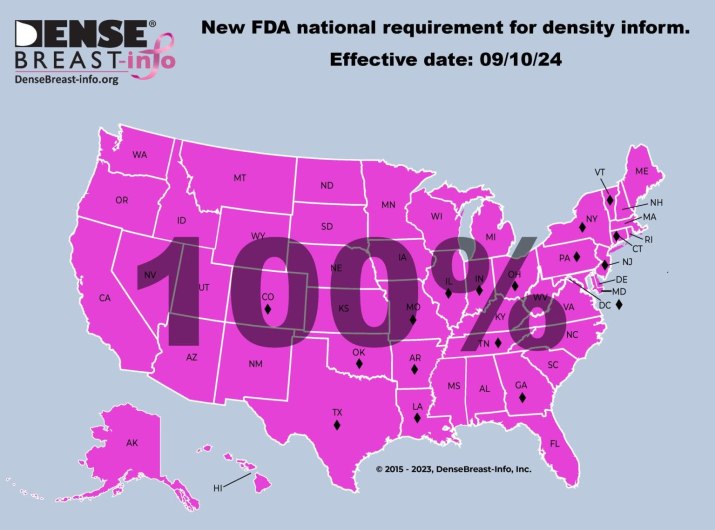
Effective today, mammography facilities are required to provide all patients receiving a mammogram with essential breast density notifications. It’s surprising to realize this wasn’t already standard practice—I’ve been told about my dense breasts throughout my entire “mammo life.”
On a recent episode of the Today Show, I learned just how challenging it is for technicians to detect cancer in dense breast images compared to fatty breast images. Women with dense breasts face a higher risk of developing breast cancer, which is why it’s crucial for us to be vigilant about our breast health and nutrition!
Here’s the truth: We ALL have cancer cells in our bodies at all times. Most of these cells die off, but a diet high in sugar can fuel their growth. If our immune systems are weak or compromised, those cancer cells gain an advantage.
Our goal should be to create an environment within our bodies where cancer cells cannot survive. Here’s how we can achieve that: