It can be relaxing to take a leisurely stroll, but the next time you go for a walk, you might want to pick up the pace.
We’ve all been there, you’re walking around with a group, half is lagging behind while the other half is racing forward. Fast and slow walkers have been at odds since the dawn of man, but now there may be a good reason to catch up.
According to a new study out of the University of Leicester in England, which researched a pool of almost 500,000 people, the study found that fast walkers lived an average of 20 years longer than their slow-paced counterparts.
Experts say it boils down to fast walking is an indication of better physical fitness, regardless of weight or even height for that matter.
Of course, any walking is better than no walking, so fast or slow, a good stroll is a step in the right direction.
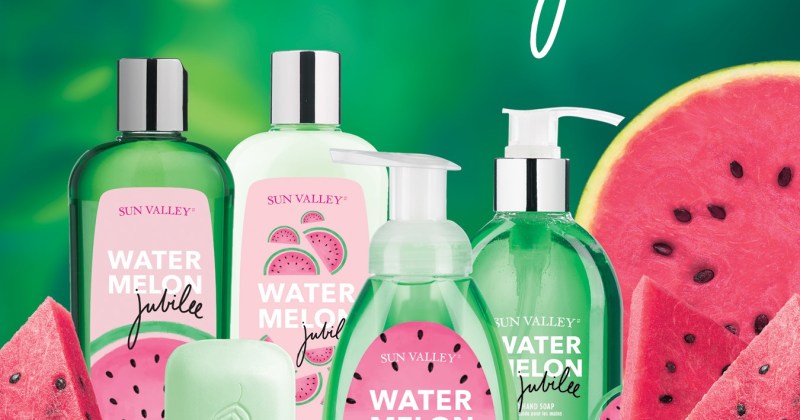
I can’t believe how refreshed I feel with my new bath and body products! It is a scrumptious fusion of chilled watermelon, juicy strawberries, and sweet raspberries from Sun Valley. I’ll need to stock up, because this is a special limited-time fragrance collection!
Did you know that falling can lead to broken bones, trouble getting around, and other health problems – especially if you are age 65 or older.
As people age, poor balance and weak muscles can lead to falls and fractures. Most falls happen when older adults are doing everyday activities, like walking. Not only do these fractures and broken bones cause pain and disability they can also have an impact on your ability to do everyday activities without help, like cooking a meal or taking a shower. Sometimes vision problems or medical conditions such as diabetes which can reduce feeling in the feet, or a stroke which can affect your balance, will make a fall more likely.
Some conditions that can lead to a fall include: having fallen in the past year; disease; trouble walking; getting up from a chair; or stepping up onto a curb; medications—especially medicines to help you relax or sleep or vision problems such as cataracts or glaucoma
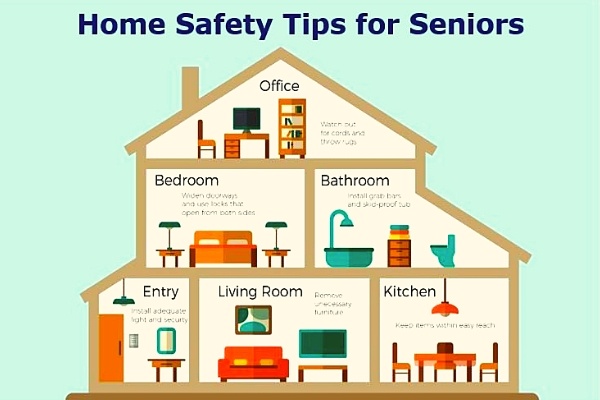
Did you know that half of all falls happen inside the home? It may be time to do a walk through to find the possible danger areas in your home. It may not seem like much, but there are quite a few things you can do to make your home safer for yourself, family and guests.
Have railings put on both sides of all stairs inside and outside of your home.
Have grab bars put inside and outside your bathtub or shower and next to the toilet.
Use non-slip mats in the bathtub or shower.
Remove small rugs or use double-sided tape to keep rugs from slipping.
Use bright lights throughout your home, especially on the stairs.
Keep stairs and places where you walk clear of clutter. Pick up or move things you can trip over, like cords, papers, shoes, or books.
Keep kitchen items you use often in easy-to-reach cabinets or shelves.
Improve your balance, increase your safety Exercises that improve your balance can help prevent falls. For example, tai chi (“tie chee”) is a mind-body exercise that can help with balance. Check with your local community or senior center for physical activity classes that can help your balance.
Do strengthening activities at least two days a week to make your legs stronger. These include lifting weights or using resistance bands (long, stretchy rubber strips).
There’s a lot your doctor can do to help keep you safe from falls. If you are worried about falling, talk to your doctor or nurse about how balance exercises and physical therapy can help. Review all medicines with your doctor or pharmacist. Some medicines can make you dizzy or sleepy and cause you to fall. Get your vision checked by an eye doctor every 1 to 2 years. Update your glasses or contact lenses when your vision changes. Make your home safer. For example, add grab bars inside and outside your bathtub or shower – and put railings on both sides of stairs.
Since 2009, the first Wednesday in June has been designated as National Running Day Designed as a day for runners to reaffirm their passion for running, it’s also a good day for beginners to begin a life-changing commitment to running.
For some, running is a daily routine. The moment the runner awakes, their mission is to complete a set distance. They may have a partner, or they go it alone. Others fit in a run when time allows or at the end of their workday. The marathoner will train on a schedule, and the dedicated runner knows they have to take care of their feet, knees and eat right to maintain their bodies for the road.
Whatever the distance, National Running Day is about placing one foot in front of the other and setting a pace. Whether you run a few miles or just around the block, by yourself or with a friend or three, this is a perfect day to go for a run! For more information visit globalrunningday.org.
This month, focus on improving the male lifestyle. The goal is to increase awareness of the leading health concerns men face. It’s important to encourage the men in our lives to get regular checkups and be aware of the risks for their age, ethnicity, and lifestyle and how to take steps to create healthful habits.
According to the Centers for Disease Control and Prevention, the leading causes of death among men are heart disease, cancer, and accidental death.
If you are male it would behoove you to make a commitment to have a health checkup. If you’ve recently had one and you are at risk, consider making changes to your lifestyle to improve your health and talk to your physician about the proper steps to take.
Even if you are not a male, it is a good idea to talk to the men in your life—father, brother, husband, son, friend or co-worker— about making an appointment for a checkup.
What can you do to help them get on a healthier track? You can take a walk together, cook up healthy meals and encourage healthier behaviors.
Learn more about Men’s Health Month by participating in Wear BLUE Day the Friday before Father’s Day (June 14).
Today we “demonstrate that life after a cancer diagnosis can be a reality.” Each year, events and celebrations are held and hosted around by local communities, hospitals and support groups to honor cancer survivors.
World Reef Awareness Day is a call to action for consumers, businesses, and organizations to reflect on the delicate ecosystem of our ocean’s coral reefs.
Coral reefs are living communities of colonial organism made of individual polyps that excrete a bone-like skeleton. This skeleton forms large rock-like structures that are homes for thousands of organisms.
The health of a reef tells us a lot about the health of an ocean. Many fish and ocean animals rely on the protection of the healthy, living reef for spawning season. The reef provides more than protection; it also supplies a rich, thriving food chain. From plankton and algae to the largest sea creatures, the reef ecosystem is a significant life support system.
The benefits of a healthy reef ecosystem go far beyond the ocean as it is essential to plant and fish-life which in turn contributes to a lively fishing industry. Reefs also act as the oceans filter and protects our beaches and coastline from erosion which we appreciate. But, did you know that reefs can supply us with life-saving medicines? How about being the one animal on the planet capable of consuming plastic?
In recent years, our most productive reefs have been in decline due to coral bleaching. For example, the Great Barrier Reef decreased by 40 percent. It’s even worse along the Florida Keys and Caribbean, where decline is between 85 to 99 percent! According to Dr. Craig Downs, Executive Director of Haereticus Environmental Lab, about 90 percent of the reefs in the Caribbean have disappeared since 1980.
Coral reefs to die off due to a variety of factors that can include the rising sea temperatures; pollution and sewage; chemical sunscreens and, unfortunately, unmanaged, high-density tourism—all of these pose a threat to coral reefs.
One easy step everyone can take to protect these precious resources is by wearing non-nano zinc oxide sunscreen. According to Dr. Craig Downs, “When ingredients are uncoated and nano-size (less than 100 nanometers in diameter), they can enter the cells of invertebrates and fish and cause tissue damage, stressing all these marine organisms. Your best bet is to go for non-nano zinc oxide larger than 150 nanometers. At that point, the acute toxicity drops off, and the impact to ecosystems is mitigated”
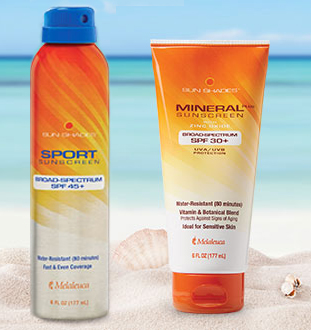
I personally only usereef safe formulations and I love the one we use that goes on clear— Sun Shades Mineral Plus. It comes in two formulations: a sunscreen cream and a spray on sunscreen, both use naturally-derived micronized zinc oxide to provide a high level of broad-spectrum UVA/UVB protection that is water and sweat resistant. The cream dries clear and prevents moisture loss. It also combines a rich blend of natural, free-radical-fighting vitamins and antioxidants. The spray sunscreen is quick and easy to apply; is ultra waterproof; has a vitamin and botanical blend that is great for sensitive skin. and provides great protection. Not only are we protected and out enjoying the sun all summer long, we are taking part in helping preserve the coral reefs.
Enter the World Reef Day sweepstakes to win a trip for 4 to Hawaii with reef-focused experiences – sweepstakes ends 6/2/19 at 11:59 pm
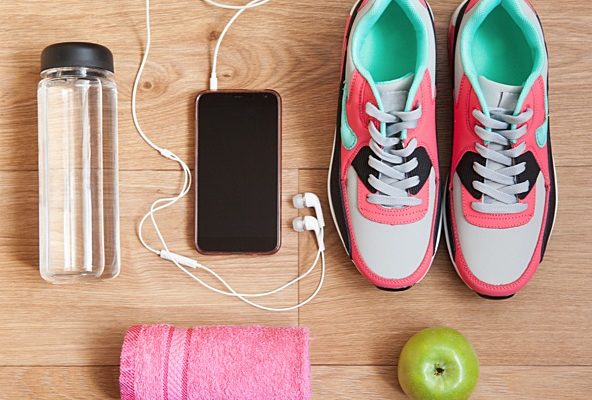
As National Physical Fitness month draws to a close, I’d like to share some great tips for staying active for today and your life—I know they’ve worked for me, and hopefully will work for you too!
Daily life activities, such as cleaning out the attic or washing the car, are great ways to get moving. Small changes can add more physical activity to your day and improve your health. I find my new habit of taking two or three-minute walking breaks while working several times a day, is great. I have my Fitbit set to remind me to get the rest of those 250 steps an hour set and I’ve also made it a habit to walk between projects.
Another thing I’ve gone back to doing is standing, walking, or stretching in place during TV commercials when I do watch TV.
I also park farther from the door when I’m going places and walk the rest of the way, it may only be 100 extra steps, but it still counts! By the same token, I also take the stairs instead of the elevator or escalator whenever possible.
Even a shopping trip can be exercise because it provides a chance to walk and carry your bags. Chores such as mowing the lawn, raking leaves, and gardening also count.
It’s amazing how many fun places there are to be active. Having more than one place may keep you from getting bored. Here are some options:
Join or take a class at a local fitness, recreation, or community center.
Enjoy the outdoors by taking a hike or going for a walk in a safe local park, neighborhood, or mall.
Work out in the comfort of your own home with a workout video or by finding a fitness channel on your TV, tablet, or other mobile device.
Sticking with a plan to be physically active can be a challenge. Online tools such as the NIH Body Weight Planner can help. The NIH Body Weight Planner lets you tailor your calorie and physical activity plans to reach your personal goals within a specific time period.
Devices you can wear, such as pedometers and fitness trackers, may help you count steps, calories, and minutes of physical activity. Trackers can help you set goals and monitor progress. You wear most of these devices on your wrist like a watch, or clipped to your clothing.
Keeping an activity journal is another good way to help you stay motivated and on track to reach your fitness goals.
Set goals. As you track your activity, try to set specific short- and long-term goals. For example, instead of “I will be more active,” set a goal such as “I will take a walk after lunch at least 2 days a week.” Getting started with a doable goal is a good way to form a new habit. A short-term goal may be to walk 5 to 10 minutes, 5 days a week. A long-term goal may be to do at least 150 minutes of moderate-intensity physical activity a week.
Get support. Ask a family member or friend to be active with you. Your workout buddy can help make your activities more fun and can cheer you on and help you meet your goals. Believe it or not, your dog will make a great activity partner. Once you start walking with your dog, on a consistent, regular basis, they will remind you it’s time to get up and get out. (Mine brings me her leash and a pair of sneakers!)
Track progress. You may not feel as though you are making progress, but when you look back at where you started, you may be pleasantly surprised. Making regular activity part of your life is a big step. Start slowly and praise yourself for every goal you set and achieve.
Review your goals. Did you meet your goals? If not, why? Are they doable? Did you hit a roadblock trying to meet your goal? What will you do differently next week? Brainstorm some options to overcome future roadblocks. Ask a friend or family member to help support your goals.
Whether your goal is to be active 15 minutes a day, to walk farther than you did last week, or simply to stay positive, recognizing your efforts is an important part of staying on track. Decide how you will reward yourself. Some ideas for rewards include getting new music to charge you up or buying new workout gear.
Don’t get discouraged if you have setbacks from time to time. If you can’t achieve your goal the first time or can only stick to your goals for part of the week, remind yourself that this is all part of establishing new habits.Try to focus on what you will do differently moving forward, rather than on what went wrong. Pat yourself on the back for trying.
Most importantly, don’t give up. Any movement, even for a short time, is a good thing. Each activity you add to your life is another step toward a healthier you











 Hayseeds Creative