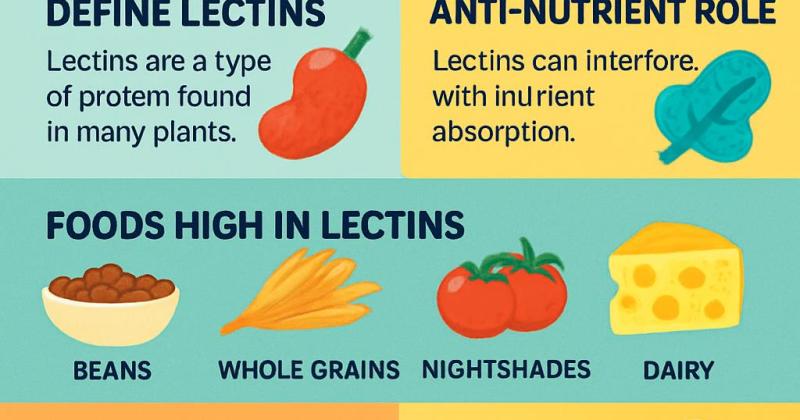

Lectins are fascinating proteins found in many plants, known for their ability to bind to certain sugars. Often referred to as “anti-nutrients,” these proteins may serve as a natural defense mechanism for plants, deterring insects and animals from munching on them. But what does this mean for us?
The Double-Edged Sword of Lectins
While some experts warn that lectins can interfere with nutrient absorption and digestion, cooking can typically neutralize their effects. The debate continues: are lectins harmful or helpful?
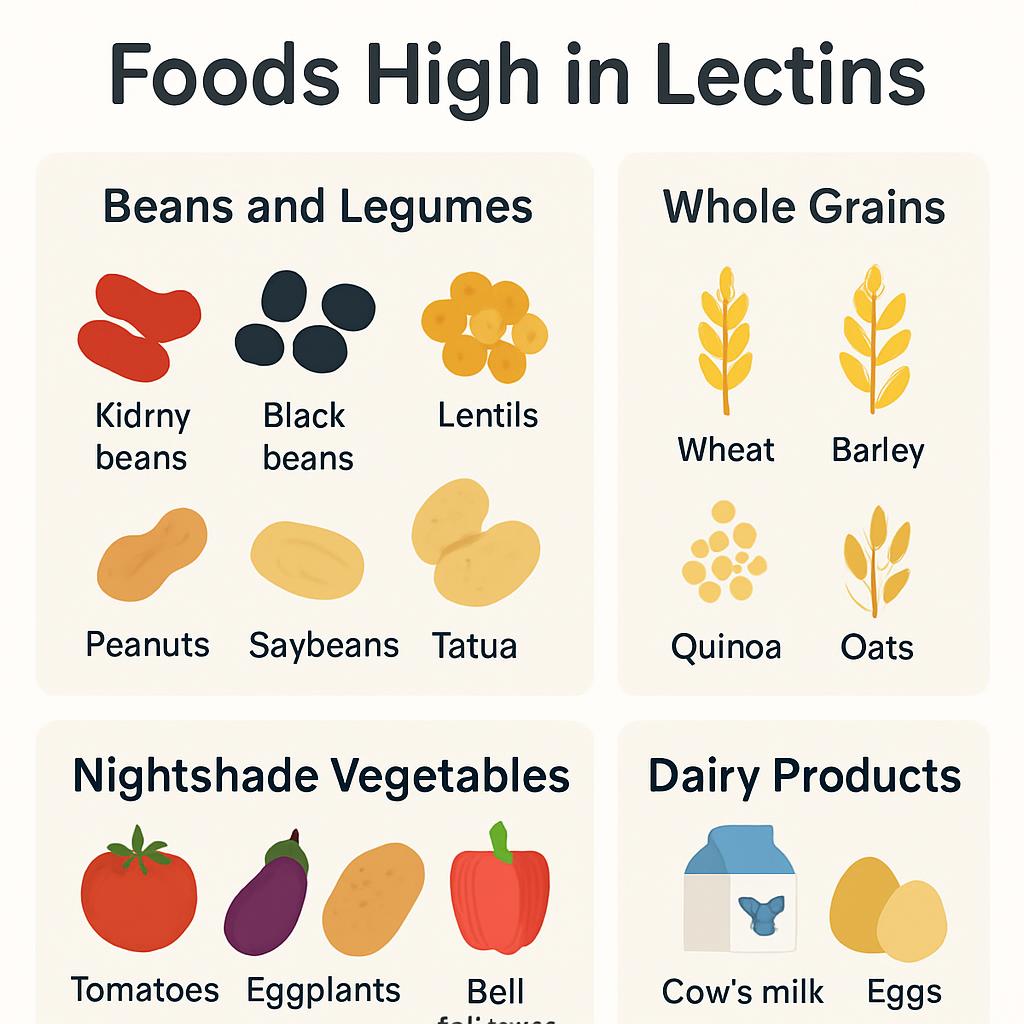
Foods High in Lectins
You might be surprised to learn that many common foods contain lectins, including:
- Beans and Legumes: Soybeans, peanuts, and lentils.
- Whole Grains: Barley, wheat, and quinoa.
- Nightshade Vegetables: Tomatoes, eggplants, potatoes, and peppers.
- Dairy and Eggs: Often from animals fed lectin-rich grains like wheat and corn.
Debunking Myths: What the Experts Say
Contrary to popular belief, recent studies suggest that the negative effects of lectins may not be as relevant to humans as once thought. Dr. Megan Meyer, director of scientific communication at the International Food Information Council Foundation, notes, “Most research has focused on purified lectins in test tubes or animals, not in the context of human diets.”
The Hidden Benefits of Lectins
Dr. Josh Axe reminds us that while excessive consumption of lectin-rich foods can lead to health issues, these proteins also play critical roles in our bodies. They regulate cell adhesion, support immune function, and contribute to the synthesis of glycoproteins.
Moreover, some research suggests that lectins possess antimicrobial properties, effectively fighting off bacteria like Staphylococcus and E. coli. They may even help combat fungal and viral infections!
A Silver Lining: Nutrient Powerhouses
Interestingly, lectins are also associated with potential anti-cancer properties. A 2015 review published in Cell Proliferation revealed that plant lectins can modify immune cell expression and alter signaling pathways to aid in killing cancer cells and blocking tumor growth.
Conclusion: A Balanced Perspective
In conclusion, while lectins have garnered a reputation for being harmful, it’s essential to acknowledge their complex role in our diet. They offer various health benefits and are a source of vital nutrients. As with many things in nutrition, balance is key. Enjoy lectin-containing foods, but consider cooking methods that can neutralize their potential downsides.