
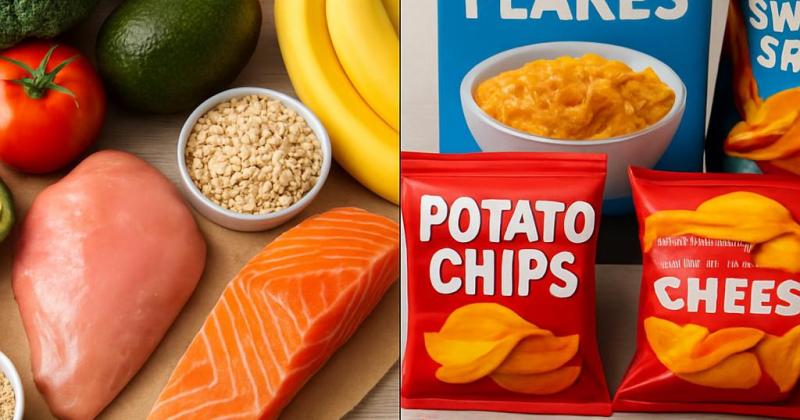

In today’s health-conscious world, the terms processed foods and ultra-processed foods are frequently mentioned. But why is there so much focus on these categories? The answer lies in their impact on our health, as both are often labeled as “toxic foods” by nutritional professionals. Understanding the differences between them is essential for making informed dietary choices.
What Are Processed Foods?
Processed foods are those that have been altered from their natural state for safety reasons or convenience. This encompasses a range of methods, including:
- Milling: Grinding grains into flour
- Pasteurizing: Heating liquids to kill harmful bacteria
- Cooking: Preparing food for consumption
- Canning: Sealing food in containers to prolong shelf life
While these processes can enhance food safety and convenience, it’s vital to focus on eating real, fresh foods as much as possible. The goal is to minimize the level of processing in our diets, opting for whole foods that provide essential nutrients.
What Are Ultra-Processed Foods?
Ultra-processed foods, on the other hand, undergo multiple stages of processing and often contain various additives, such as:
- Preservatives: Chemicals that extend shelf life
- Sweeteners: Added sugars and artificial sweeteners
- Artificial Colors and Flavors: Ingredients that enhance appearance and taste
These foods are typically “ready to eat” or “ready to heat,” making them convenient but often lacking in nutritional value. When we consume ultra-processed foods, we fill our bodies with unhealthy ingredients, which reduces the likelihood of choosing healthier options. This creates a double whammy of unhealthy decisions, yet Americans continue to overconsume these harmful foods.
Making Intentional Choices
Creating a healthy eating environment takes intention and planning. Here are some strategies to help you focus your choices in the right direction:
- Stock Your Refrigerator with Fresh Produce: Fill your fridge with a variety of fruits and vegetables, making them easily accessible for snacking and meal prep.
- Choose Quality Proteins: Keep your freezer stocked with lean meats, such as beef that is hormone-free and antibiotic-free, preferably sourced from the U.S.
- Buy Fresh Fish: Whenever possible, purchase fish fresh on the day you plan to cook it to ensure optimal flavor and nutrition.
- Avoid Harmful Foods: By not buying ultra-processed foods, you reduce the temptation to consume them, steering your household toward healthier options.
While perfection is not the goal, making healthy eating a priority in your home can lead to significant improvements in overall well-being.
Join the Conversation
How do you create an environment in your household that promotes healthy eating? Share your tips and strategies with the group, and let’s inspire each other to make better food choices!
