The Difference Between Processed and Ultra-Processed Foods

In today’s health-conscious world, the terms processed foods and ultra-processed foods are frequently mentioned. But why is there so much focus on these categories? The answer lies in their impact on our health, as both are often labeled as “toxic foods” by nutritional professionals. Understanding the differences between them is essential for making informed dietary choices.

What Are Processed Foods?

Processed foods are those that have been altered from their natural state for safety reasons or convenience. This encompasses a range of methods, including:

  • Milling: Grinding grains into flour
  • Pasteurizing: Heating liquids to kill harmful bacteria
  • Cooking: Preparing food for consumption
  • Canning: Sealing food in containers to prolong shelf life

While these processes can enhance food safety and convenience, it’s vital to focus on eating real, fresh foods as much as possible. The goal is to minimize the level of processing in our diets, opting for whole foods that provide essential nutrients.

What Are Ultra-Processed Foods?

Ultra-processed foods, on the other hand, undergo multiple stages of processing and often contain various additives, such as:

  • Preservatives: Chemicals that extend shelf life
  • Sweeteners: Added sugars and artificial sweeteners
  • Artificial Colors and Flavors: Ingredients that enhance appearance and taste

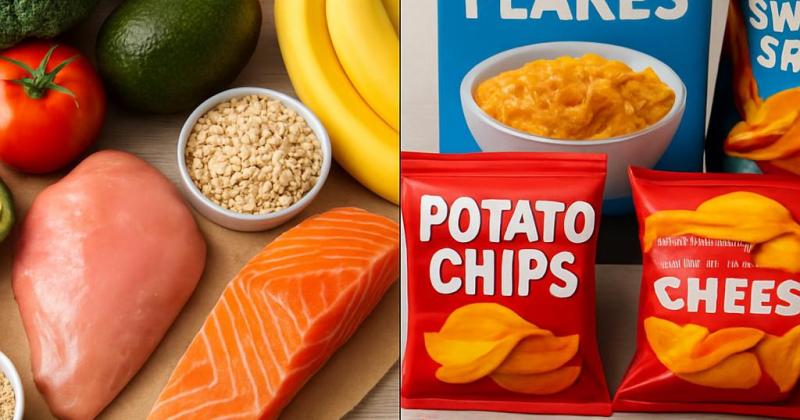
These foods are typically “ready to eat” or “ready to heat,” making them convenient but often lacking in nutritional value. When we consume ultra-processed foods, we fill our bodies with unhealthy ingredients, which reduces the likelihood of choosing healthier options. This creates a double whammy of unhealthy decisions, yet Americans continue to overconsume these harmful foods.

Making Intentional Choices

Creating a healthy eating environment takes intention and planning. Here are some strategies to help you focus your choices in the right direction:

  • Stock Your Refrigerator with Fresh Produce: Fill your fridge with a variety of fruits and vegetables, making them easily accessible for snacking and meal prep.
  • Choose Quality Proteins: Keep your freezer stocked with lean meats, such as beef that is hormone-free and antibiotic-free, preferably sourced from the U.S.
  • Buy Fresh Fish: Whenever possible, purchase fish fresh on the day you plan to cook it to ensure optimal flavor and nutrition.
  • Avoid Harmful Foods: By not buying ultra-processed foods, you reduce the temptation to consume them, steering your household toward healthier options.

While perfection is not the goal, making healthy eating a priority in your home can lead to significant improvements in overall well-being.

Join the Conversation

How do you create an environment in your household that promotes healthy eating? Share your tips and strategies with the group, and let’s inspire each other to make better food choices!

Discover the Power of Grape Seed Extract

Unlocking the Benefits of Grape Seed Extract (GSE)

Grape Seed Extract (GSE) may come from a simple source—the seeds of grapes—but this little extract does BIG things! Packed with numerous benefits, GSE is a powerhouse of health advantages that you might want to incorporate into your wellness routine.

Let’s explore the remarkable benefits of this extract:

1. Antioxidant Properties

GSE is rich in tannins, which act as antioxidants. These powerful compounds may help protect blood vessels and tissues from damage caused by free radicals, promoting overall cardiovascular health.

2. Anti-inflammatory Effects

Inflammation can lead to a variety of health issues. GSE has been shown to help reduce inflammation, making it a great ally in your fight against chronic conditions.

3. Support for Venous Insufficiency

For those experiencing symptoms of chronic venous insufficiency—a condition where veins struggle to send blood back to the heart—GSE may provide relief and improve circulation.

4. Blood Pressure Regulation

Research suggests that GSE may slightly lower blood pressure, particularly in healthy individuals and those with high blood pressure, especially if they are obese or have metabolic syndrome. However, it’s important to consult with a healthcare provider before combining GSE with high doses of vitamin C.

5. Eye Health Benefits

GSE may help alleviate eye stress caused by glare, making it a potential natural remedy for those who spend long hours in front of screens or in bright environments.

6. Allergy Relief

GSE has shown promise in reducing the severity of nasal allergies by decreasing the production of histamine, providing a natural solution for allergy sufferers.

7. Neurological Support

This extract may serve as a valuable therapeutic agent for various neurological disorders, including stroke, epilepsy, autism, and certain psychiatric conditions.

8. Anti-aging Properties

GSE may help protect collagen and elastin in the skin, contributing to a youthful appearance and reducing the signs of aging.

And so much more!

As someone who has taken Grape Seed Extract alongside resveratrol supplements for years, I can personally attest to its benefits. This combination of resveratrol and grape seed extract has become my favorite supplement duo, and I believe in its power to enhance overall health and well-being!


Conclusion

With its multitude of health benefits, Grape Seed Extract is a fantastic addition to any wellness regimen. Whether you are looking to support your cardiovascular health, manage inflammation, or simply promote healthy skin, GSE has something to offer.

Consider incorporating Grape Seed Extract into your daily routine and experience the difference for yourself!

Forget the Old Saying: “Feed a Cold, Starve a Fever”

It’s time to debunk this myth! While that phrase is just a bunch of baloney, there’s plenty to be said for “sick-friendly foods.”

One standout? Chicken soup! Research shows that it can help fight colds in at least two studies. It not only helps clear nasal congestion but also thins mucus, making it easier to cough up. Plus, it may even have a mild anti-inflammatory effect to ease those pesky cold symptoms.

Recent research highlights the significance of chicken soup in relation to colds for several reasons:

  1. Nasal Congestion Relief: Chicken soup helps clear nasal congestion, making it easier to breathe when you’re dealing with a cold.
  2. Mucus Thinning: The warm broth can thin mucus, which aids in coughing it up and clearing the airways, providing relief from respiratory discomfort.
  3. Mild Anti-Inflammatory Effects: Studies suggest that chicken soup may have a mild anti-inflammatory effect, which can help alleviate cold symptoms and promote overall comfort during illness.

Overall, chicken soup is considered a “sick-friendly” food that not only provides nourishment but also offers specific benefits that can help ease the symptoms of a cold. It’s a comforting option that many people turn to when they want to feel better.

So, the next time you’re feeling under the weather, grab a warm bowl of chicken soup and let it work its magic!

Do you have a favorite chicken soup recipe? I can share mine!

#HealthyEating #ChickenSoup #WellnessWisdom #SickFriendlyFoods

Are Your Breasts Dense?

Why Does It Matter? 

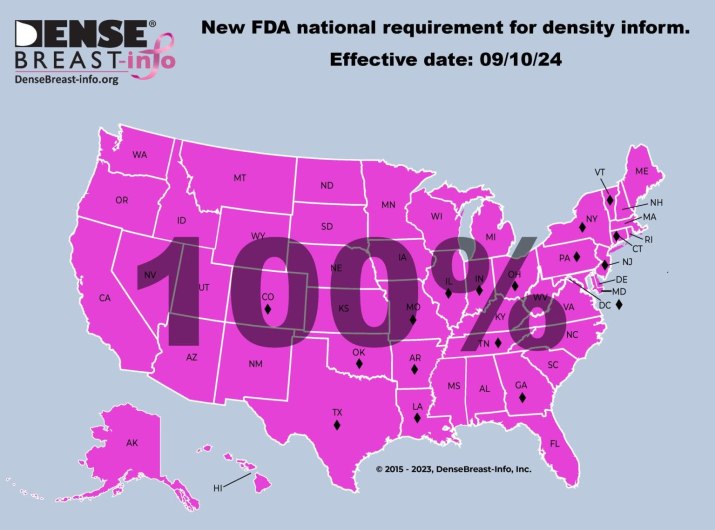
Effective today, mammography facilities are required to provide all patients receiving a mammogram with essential breast density notifications. It’s surprising to realize this wasn’t already standard practice—I’ve been told about my dense breasts throughout my entire “mammo life.”

On a recent episode of the Today Show, I learned just how challenging it is for technicians to detect cancer in dense breast images compared to fatty breast images. Women with dense breasts face a higher risk of developing breast cancer, which is why it’s crucial for us to be vigilant about our breast health and nutrition!

Here’s the truth: We ALL have cancer cells in our bodies at all times. Most of these cells die off, but a diet high in sugar can fuel their growth. If our immune systems are weak or compromised, those cancer cells gain an advantage.

Our goal should be to create an environment within our bodies where cancer cells cannot survive. Here’s how we can achieve that:

✅ Proper diet and nutrition
✅ Smart supplementation
✅ Regular exercise
✅ Sufficient rest
✅ Positive mindset

Let’s commit to doing our due diligence and living our best lives! Together, we can take proactive steps toward better health and wellness.

Join the conversation and share your thoughts below! 

#BreastHealth #HealthyLiving #WellnessJourney

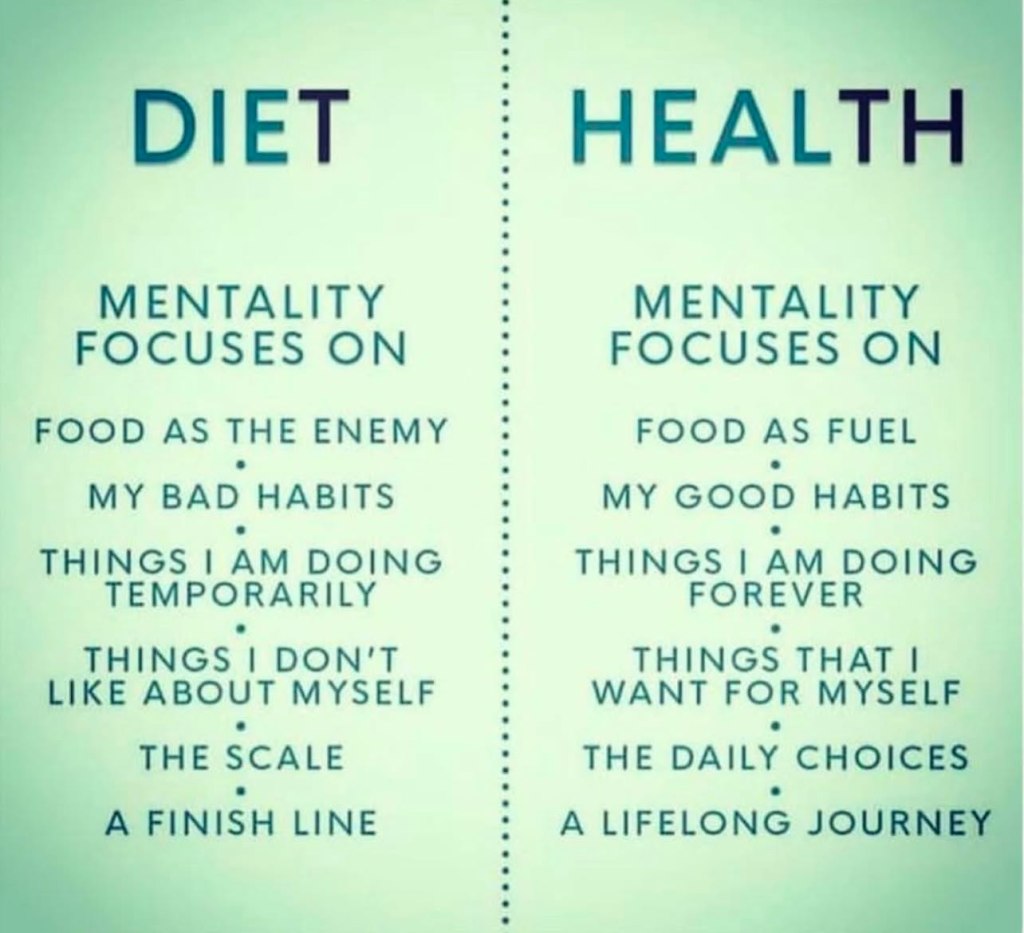
Are You FOCUSED or are You DESPERATE?

When it comes to achieving your health goals, your perspective on food, nutrition, and lifestyle choices can greatly impact your journey. The question to ask yourself is: Are you FOCUSED or are you DESPERATE?

The Importance of Focus

Having specific health goals can transform the way you view nutrition and the choices you make. When you are focused, every meal becomes an opportunity to fuel your body and move closer to your objectives. This is where having a solid plan becomes crucial.

  • Working with a Personal Trainer: When you hire a personal trainer, they should take the time to discuss your fitness goals and design a tailored plan that aligns with those aspirations. This personalized approach keeps you accountable and motivated as you work toward your targets.
  • Collaborating with a Nutritionist: Similarly, a nutritionist should do more than just suggest healthy meals. They should provide a comprehensive approach to good health, considering your lifestyle, preferences, and nutritional needs. This holistic view can help you create sustainable eating habits that support your long-term goals.

The Mindset Shift

However, you don’t need to hire a personal trainer or nutritionist to live a purposeful, healthy life. What you do need is the right mindset and a bit of planning. Here are some tips to cultivate focus in your health journey:

  1. Set Clear Goals: Define what you want to achieve, whether it’s weight loss, improved fitness, or better overall health. Write these goals down and keep them visible.
  2. Develop a Plan: Create a structured plan that includes your fitness routine, meal prep, and self-care practices. Having a roadmap makes it easier to stay on track.
  3. Stay Mindful: Pay attention to your body’s signals. Listen to what it needs and make adjustments as necessary. Mindfulness can help you distinguish between hunger and emotional eating.
  4. Seek Support: Whether it’s friends, family, or online communities, surround yourself with people who support your journey and encourage you to stay focused.
  5. Celebrate Progress: Acknowledge your achievements, no matter how small. Celebrating your progress can boost your motivation and reinforce positive behaviors.

Where Do You Stand?

Do you identify more with being focused on your health goals, or do you find yourself feeling desperate for change? Reflecting on your mindset can help you shift your approach to health and nutrition. Remember, it’s all about creating a sustainable lifestyle that empowers you to reach your goals.


Feel free to share your thoughts and experiences in the comments.
Are you ready to embrace a focused mindset and take control of your health journey?
Let’s embark on this path together!

Is Seltzer Water Safe to Drink?

In a nutshell, yes! Seltzer water is a refreshing alternative to sugary beverages like soda and alcohol. However, moderation is key, as overconsumption can lead to some unpleasant long-term effects. Let’s dive into the potential concerns and benefits of seltzer water.

Potential Downsides of Overconsumption

While seltzer water can be a great addition to your hydration routine, drinking too much of it may lead to:

  1. Excess Gas and Bloating: The carbonation in seltzer can cause gas buildup, leading to discomfort and bloating in some individuals.
  2. Weaker Tooth Enamel: Some studies suggest that the acidity of carbonated waters may contribute to enamel erosion over time, although this effect is typically much less significant than that of sugary sodas.
  3. Excess Hydration: Drinking too much seltzer water can lead to clear urine, and in extreme cases, it may contribute to water intoxication, a rare but serious condition.

Bottom Line

Seltzer water can be a fun and enjoyable way to add variety to your hydration routine. Unsweetened options provide the fizz of soda without the added sugars, making them a healthier choice. A modest amount of seltzer water daily should be safe for most people, but it’s important to listen to your body. If you experience discomfort, such as bloating or gas, consider adjusting your intake.

In conclusion, enjoy seltzer water as a refreshing beverage option, but remember that moderation is essential. Stay tuned to your body’s cues, and hydrate wisely!

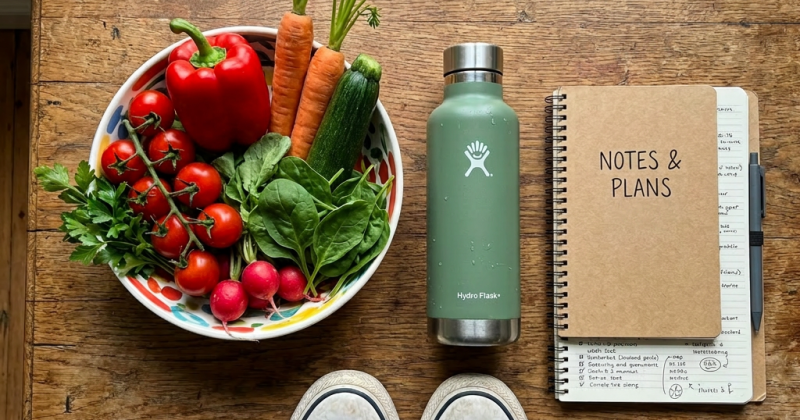
Bowl of fresh vegetables, green water bottle, and 2024 planner on wooden table

Unlocking a Healthier You: My Journey with the R3 Metabolic Reset

I can’t talk enough about my passion for sharing this incredible BOX right here! Our health and wellness should always come first, and I’m excited to share my transformative journey with you.

A Commitment to Change

In 2022, I decided to get serious about my health. I committed to a life-changing way of eating. Back then, I was a fast-food junkie, relying on convenience and indulging in my favorite sweets daily. Yes, I was addicted to Dunkin’ Donuts—I could easily devour two or three at a time, always craving that sweet sugar rush! And let’s not forget my love for chocolate; it was my go-to treat for any occasion.

A Game Changer: The R3 Metabolic Reset

Then, everything changed when I discovered the R3 Metabolic Reset. This amazing eating plan opened my eyes to new possibilities. All I had to do was follow an easy Yes/No List, and the results were incredible! In just six weeks, the inches and pounds melted away, and I found myself craving healthy organic vegetables and lean proteins instead of junk food. I even learned to enjoy occasional carbs while balancing my meals with exercise.

Now, four years later, I can proudly say that the 125 pounds I lost are gone forever! This program taught me how to adopt a healthy regimen and lifestyle that I never thought possible. I know I will never return to that unhealthy version of myself again.

Are You Ready for a Change?

If you relate to my story or just need to shed some extra pounds, I can help you on this journey. Embracing a healthier way of living doesn’t have to be a solitary experience; together, we can support each other every step of the way!

So, who’s ready to take the leap and transform their lives? Join me, and let’s embrace a brighter, healthier future together!

Embracing a Healthier Lifestyle: My 22-Year Journey with Wellness Store Products

After 22 years, I am still loving the Wellness Store products I purchase each month. My journey began slowly, swapping everyday items one at a time. Back then, the selection was limited to about 50 products, but now there are over 400, and the company keeps expanding its offerings!

Are You Making Healthier Choices for Your Family?

I decided to prioritize my family’s health 22 years ago, and I haven’t looked back. It brings me joy to know that we are using healthier, less toxic alternatives compared to what we used before. Improving our overall health was my goal, and it just made sense to switch to this brand and ditch the toxins.

And let’s not forget about the clean beef options—they are a game changer!

The Hidden Dangers of Conventional Laundry Detergents

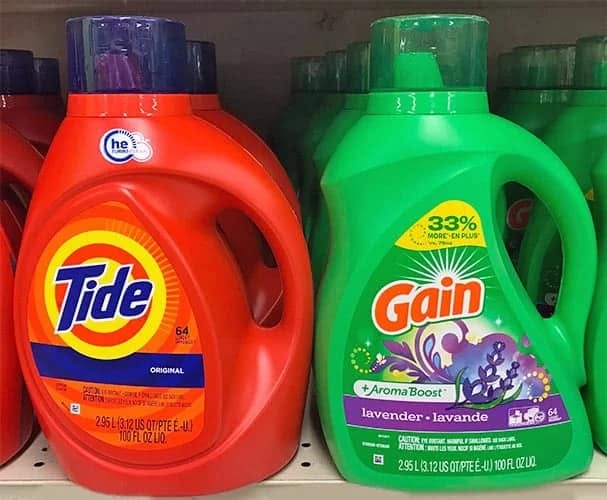
I used to rely on brands like Tide, Gain, and Baby Dreft, unaware of their toxicity. Consider this: you are in contact with your laundry soap 24/7. You wear the clothes all day, dry off with towels, and sleep on bed linens treated with these products. Every day and every night, your skin absorbs what it comes into contact with. In just 26 seconds, those substances can enter your bloodstream, affecting your health.

Tide and Gain may smell good, but they often harbor harmful chemicals. Just look at the warnings on the labels—red flags that I ignored until my children started experiencing acne and eczema. That’s when I began searching for a safer brand.

The Harsh Reality of Conventional Detergents

Many laundry detergents, including pods, have been linked to various health issues, such as hormone disruption, fertility problems, rashes, lung damage, and even chemical burns. Here’s what you’re actually paying for with Tide:

  • Water: Over 80%
  • Sodium Alcohol Ethoxylate Sulfate
  • Linear Alkylbenzene Sulfonate
  • Fragrance Perfume and many more harmful ingredients.

It’s alarming to think about the environmental factors contributing to cancers that can’t be blamed on genetics.

A Better Alternative

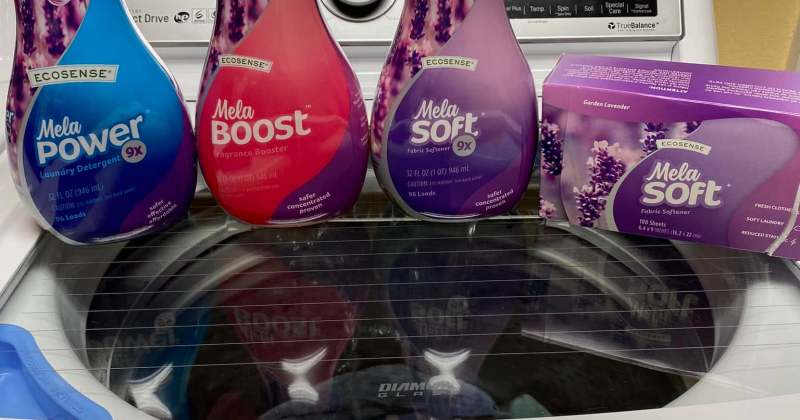
The MelaPower line is just one of over 400 products I’ve swapped out on my Wellness journey. Two decades later, I can confidently say that I love this company and its products just as much now as I did when I first discovered them!

I’ve seen many lives improve because I was open to learning about simple changes, like replacement shopping that saves time and money.

My current detergent boasts a formula with zero:

  • Chlorine bleach
  • Formaldehyde
  • Phthalates
  • Parabens
  • Chemical fragrances

What You Get with the Wellness Shop Club

With Wellness Shop Club, you receive:

  • Coconut oil-derived surfactants
  • Plant enzymes
  • Essential oils

The containers are half the size of the competition because the products are super concentrated, which also reduces shipping costs. And yes, everything is made in America!

We have ditched Tide, Seventh Generation, Gain, Dreft, and all the other toxic brands, and we have never looked back.

An Eye-Opening Read

If you’re interested in learning more about the dangers of conventional products, check out this eye-opening article: The Hidden Dangers of Household Products.
Let’s take steps toward a healthier future for our families. Join me on this journey of wellness!

https://www.ncbi.nlm.nih.gov/pmc/articles/PMC6396757/

Two empty glass test tubes in a wooden test tube rack on a wooden laboratory bench.

Understanding Cholesterol: Focus on Ratios, Not Just Numbers

The REAL Truth About Cholesterol (Not Taught in Most Clinics):

Most people are told to panic if their total cholesterol is over 200. But honestly, total cholesterol is like a total grade average — it doesn’t show the real story.

The Real Markers That Matter:

  1. Triglycerides
  2. HDL (the “good” cholesterol)
  3. The Ratio: Triglycerides ÷ HDL

Expert Note: This ratio is one of the strongest predictors of heart health, insulin sensitivity, and metabolic function.

  • Ideal ratio: less than 2:1
  • Optimal reset-level: 1:1 or less (Beth’s is 1:1)

Example:

• Triglycerides: 70

• HDL: 70

• Ratio: 1.0 — Metabolic gold

Now compare this:

• Total cholesterol: 210 (looks high to a doctor)

• Ratio still 1.0 SO no danger.

In other words: you can have a total cholesterol of 230 and still be metabolically healthier than someone with a total of 180.

Why Your Doctor’s Solution (Statins) Is Not the Whole Answer:

Statins can lower total cholesterol… but at what cost?

They block your body from producing CoQ10, an essential nutrient for:

  • Heart energy
  • Brain function
  • Cellular repair

Low CoQ10 has been linked to:

  • Muscle aches and weakness
  • Brain fog
  • Increased risk of neurodegenerative disorders (like Parkinson’s and Alzheimer’s)
  • Hormone disruption
  • Mitochondrial dysfunction (your metabolic powerhouse)

I’m Not Saying “No Statins Ever” BUT Here’s What I Am Saying:

Know the full picture before panicking or popping a pill. Focus on lowering triglycerides and raising HDL naturally. Don’t chase numbers — heal the body and let the number correct itself.

If you must take a statin, support your CoQ10 (at least 100–200mg/day)

Stop letting fear take the wheel of your health. Your cholesterol number is just a conversation starter, not a death sentence. Stop staring at your total and start looking at the markers that actually matter. Leafy greens, fiber, clean fats, and sleep lower triglycerides. Prayer, protein, and purpose raise HDL. Learn your ratios, protect your brain, and stop taking prescriptions out of fear.

Does Your Metabolism Slow Down With Age?

As we age, many of us find ourselves questioning how our metabolism changes. The short answer is yes, metabolism does slow down with age, but it may not be as early as you might think.

When Does Metabolism Slow Down?

Women often attribute weight gain to a “slow metabolism,” but research indicates that our metabolism typically does not start to decline until our 60s. Here’s how it works:

  • In Your 20s: Metabolism slows by about 3% each year, but this gradual decline levels off as you enter your 30s.
  • After Age 60: The metabolism slows further at a rate of approximately 0.7% per year.

Why Does Metabolism Slow Down?

Several factors contribute to the slowing of metabolism as we age:

  1. Slower Food Breakdown: As we age, our bodies break down food more slowly, resulting in leftover calories that can turn into fat.
  2. Decreased Activity: Aging often leads to decreased physical activity due to injuries, joint pain, lack of resources, or reduced social involvement. A less active lifestyle equals lower calorie burn.
  3. Changes in Appetite: With age, energy needs decrease, which can lead to a reduced appetite. Additionally, changes in vision, sense of smell, and taste may further diminish our desire to eat.
  4. Loss of Muscle Mass: Starting around age 30, people typically begin to lose muscle mass, with a more pronounced acceleration after age 65 for women and 70 for men. Since muscle burns more calories than fat, this loss can contribute to a slower metabolism.
  5. Dietary Changes: As we age, socializing more often can lead to dietary changes, such as increased alcohol consumption, which may contribute to weight gain.

Take Action!

The good news is that you can take proactive steps to manage your metabolism and combat age-related weight gain.