

Screenings are medical tests that check for diseases before there are any signs or symptoms.
Learn more: http://1.usa.gov/YF2MIq

Screenings are medical tests that check for diseases before there are any signs or symptoms.
Learn more: http://1.usa.gov/YF2MIq

Sleep is something all humans require but often gets shortchanged by our busy lives. Studies have shown how crucial a proper nights sleep is to determining health and living a balanced lifestyle.
The National Sleep Foundation recommends adults get an average of seven to nine hours of sleep per night. This number increases the younger you are. It’s estimated that 80% of people use the weekends to catch up on sleep. Developing a consistent sleep schedule benefits the quality and quantity of your sleep by balancing your circadian rhythms. With a proper rest and wake cycle, you are not only ensuring you age gracefully but allow your body to restore fully for the day ahead.

Regular #PhysicalActivity can help reduce your risk for colorectal cancer. Take steps to #GetActive today: http://1.usa.gov/UNrlVO

The second Friday in March is the National Day of Unplugging and today just so happens to be the day.
So for 24 hours (ideally from sundown to sundown) we take a break from technology by unplugging, unwinding, relaxing and doing things other than using today’s technology, electronics, and social media. Take a break from technology and use #NationalDayOfUnplugging to post on social media the day before to spread the word.
How do you plan to unplug?
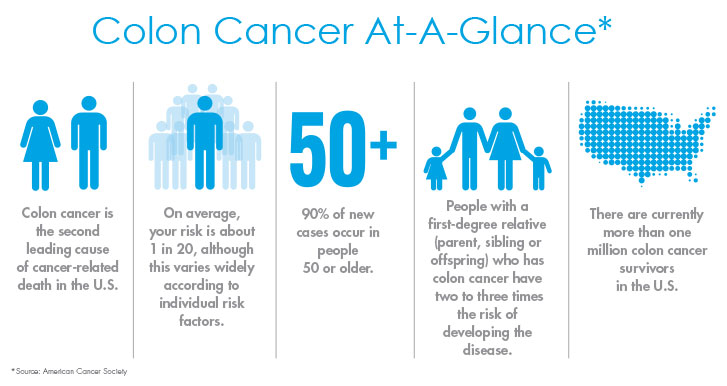
When it comes to colorectal cancer screening, you have options.
Decide which screening test you prefer: https://healthfinder.gov/HealthTopics/shared-decision-making/colorectal-cancer-screening

True or false?
You need to get tested regularly for colorectal cancer starting at age 50.
Answer: True. The best way to prevent colorectal cancer is to get tested regularly starting at age 50.
Learn more: http://1.usa.gov/11Y4avWTweet This!
It’s National Nutrition month and it may come as a surprise to find out that today’s children undernourished. They may be overfed, but they are still undernourished because, children, for the most part, do not eat well. They commonly choose foods high in fats, sugars, and salt—foods that have little, real nutritional value. The top choices among kids are hot dogs, chicken nuggets, French fries, pancakes, pizza, cookies and ice cream. It isn’t the most optimal menu for growing children and it’s definitely not conducive to good health.
This creates a domino effect that results in 97% of children suffering from some form of malnutrition. One in three children ages 2 to 19 is obese or overweight. That’s triple the rate of just a generation ago. Many suffer from high blood pressure and diabetes in children has increased by 21% in the last 10 years! This is caused by poor nutrition and three out of every four children not getting 60 minutes of exercise each day. The result? Childhood obesity health costs over $14 billion a year.
This article from Precision Nutrition will further explain some guidelines and strategies for assuring that your child is well fed and healthy. Supplementation can replace some of the vitamins and minerals missing in your children’s and grandchildren’s diets. Make sure to choose supplements that are safe and effective. Learn more. . .



It’s National Nutrition Month® and each March the focus is on the importance of making informed food choices and developing sound eating and physical activity habits.

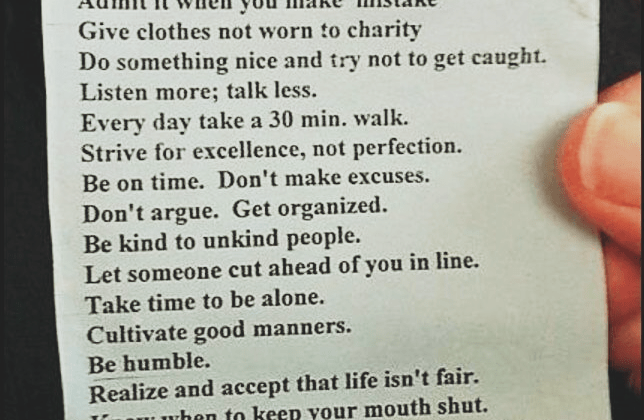
Live beneath your means.
Return everything you borrow.
Stop blaming other people.
Admit it when you make a mistake.
Give clothing not worn to charity.
Do something nice and try not to get caught doing it.
Listen more; talk less.
Take a 30-minute walk every day.
Strive for excellence, not perfection.
Be on time. Don’t make excuses.
Don’t argue. Get organized.
Be kind to unkind people.
Let someone cut ahead of you in line.
Take time to be alone.
Cultivate good manners.
Be humble.
Realize and accept that life isn’t fair.
Know when to keep your mouth shut.
Go an entire day without criticizing anyone.
Learn from the past.
Plan for the future.
Live in the present.
Don’t sweat the small stuff.
It’s all small stuff.
