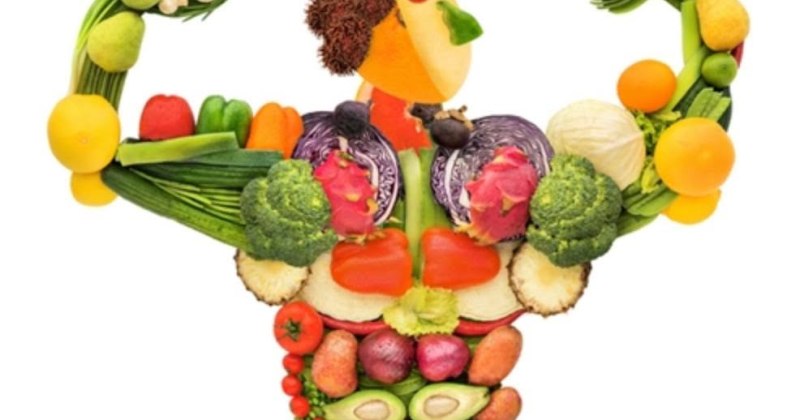
Food as Communication: What It Tells Your Cells

In her insightful book, Good Energy, Dr. Casey Means presents a fascinating analogy: our cells are like military troops, and the foods we consume act as messages from the general, guiding and motivating them on what actions to take. Essentially, food serves as a communication tool, sending clear signals to our cells about what our bodies need to survive and thrive.

How Food Communicates with Our Cells

  1. Omega-3 Fatty Acids: Found in salmon, walnuts, and chia seeds, these essential fats send a message to our immune cells that says, “Put down your defense. Things are safe now.” This helps to reduce inflammation and promote a sense of calm within the body.
  2. Cruciferous Vegetables: Foods like broccoli, Brussels sprouts, and kale communicate with our DNA, signaling, “It’s a tough time, and we must produce more defenses.” These vegetables are packed with antioxidants and compounds that support our body’s detoxification processes.
  3. Leucine: This essential amino acid, found in beef, yogurt, lentils, and almonds, tells our muscles, “It’s time to build. Let’s go.” Leucine plays a critical role in muscle protein synthesis, making it vital for muscle growth and repair.
  4. Magnesium: Present in avocados, leafy greens, and pumpkin seeds, magnesium sends a relaxing message to our neurons: “Relax.” This mineral is essential for nerve function and helps to alleviate stress and anxiety.
  5. Fiber: When we consume fiber, it communicates with our microbiome, saying, “I love you.” Fiber supports the growth of healthy gut bacteria, which is crucial for digestion and overall health.
  6. Intermittent Fasting: This practice sends a powerful message to our entire body: “We need to clean things up.” Intermittent fasting promotes cellular repair processes, including autophagy, which helps remove damaged cells and supports overall health.
  7. Synthetic Herbicides and Pesticides: Unfortunately, these substances send a detrimental message to our healthy gut bacteria, saying, “It’s time to die.” Exposure to these chemicals can disrupt gut health and negatively impact our overall well-being.

What Are You Telling YOUR Body?

The foods we choose to consume play a significant role in the messages we send to our cells. By being mindful of our dietary choices, we can foster better communication within our bodies and promote optimal health.

What messages are you sending to your body with your food choices? Consider incorporating more nutrient-dense foods into your diet to support your cells and enhance your overall well-being. Remember, every bite counts!

Feel free to share your thoughts and experiences in the comments.

How do you ensure that you’re sending the right messages to your body?
Let’s create a community of health-conscious individuals who prioritize nourishing our cells!
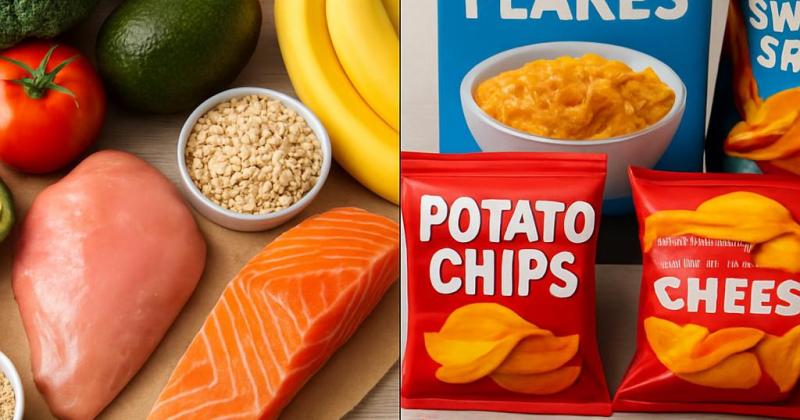
 

The Difference Between Processed and Ultra-Processed Foods

In today’s health-conscious world, the terms processed foods and ultra-processed foods are frequently mentioned. But why is there so much focus on these categories? The answer lies in their impact on our health, as both are often labeled as “toxic foods” by nutritional professionals. Understanding the differences between them is essential for making informed dietary choices.

What Are Processed Foods?

Processed foods are those that have been altered from their natural state for safety reasons or convenience. This encompasses a range of methods, including:

  • Milling: Grinding grains into flour
  • Pasteurizing: Heating liquids to kill harmful bacteria
  • Cooking: Preparing food for consumption
  • Canning: Sealing food in containers to prolong shelf life

While these processes can enhance food safety and convenience, it’s vital to focus on eating real, fresh foods as much as possible. The goal is to minimize the level of processing in our diets, opting for whole foods that provide essential nutrients.

What Are Ultra-Processed Foods?

Ultra-processed foods, on the other hand, undergo multiple stages of processing and often contain various additives, such as:

  • Preservatives: Chemicals that extend shelf life
  • Sweeteners: Added sugars and artificial sweeteners
  • Artificial Colors and Flavors: Ingredients that enhance appearance and taste

These foods are typically “ready to eat” or “ready to heat,” making them convenient but often lacking in nutritional value. When we consume ultra-processed foods, we fill our bodies with unhealthy ingredients, which reduces the likelihood of choosing healthier options. This creates a double whammy of unhealthy decisions, yet Americans continue to overconsume these harmful foods.

Making Intentional Choices

Creating a healthy eating environment takes intention and planning. Here are some strategies to help you focus your choices in the right direction:

  • Stock Your Refrigerator with Fresh Produce: Fill your fridge with a variety of fruits and vegetables, making them easily accessible for snacking and meal prep.
  • Choose Quality Proteins: Keep your freezer stocked with lean meats, such as beef that is hormone-free and antibiotic-free, preferably sourced from the U.S.
  • Buy Fresh Fish: Whenever possible, purchase fish fresh on the day you plan to cook it to ensure optimal flavor and nutrition.
  • Avoid Harmful Foods: By not buying ultra-processed foods, you reduce the temptation to consume them, steering your household toward healthier options.

While perfection is not the goal, making healthy eating a priority in your home can lead to significant improvements in overall well-being.

Join the Conversation

How do you create an environment in your household that promotes healthy eating? Share your tips and strategies with the group, and let’s inspire each other to make better food choices!

Breakfast bowl with yogurt, granola, blueberries, strawberries, raspberries, banana slices, chia seeds; weekly pill organizer; glass of water; plate with avocado, cherry tomatoes, whole grain toast; cup of tea with lemon

ASPIRIN: AN UNEXPECTED ANTI-CANCER MEDICINE 

Taking supplements every day, is great for your health. But did you know taking an aspirin first thing in the morning, is beneficial for cancer prevention and treatment. There are a ton of studies on aspirin. Check out these findings:

  • Regular post-diagnostic aspirin use was associated with 38% lower risk of breast cancer-specific mortality and a 28% lower risk of all cause mortality.
  • A history of daily aspirin use for over six months was associated with a 38% lower glioma risk compared to no daily use at all
  • Use of low dose aspirin is associated with a 54% reduced risk of gastric cancer and a 41% reduced risk of oesophageal cancer
  • Regular aspirin usewas linked with a 27% lower risk of colorectal cancer compared with non use.
  • Frequent aspirin use may lower risk of ovarian cancer.
  • Aspirin use after prostate surgery was linked to lower recurrence rates, including men with more aggressive prostate cancer.
  • Aspirin slowed the growth rate of melanoma cancer cells, reduced their ability to move and spread and increased cancer cell death. 
  • Aspirin was associated with a reduced risk of endometrial cancer.
  • Aspirin lowered the risk of developing pancreatic cancer, about 45% overall. The benefit increased with longer use.
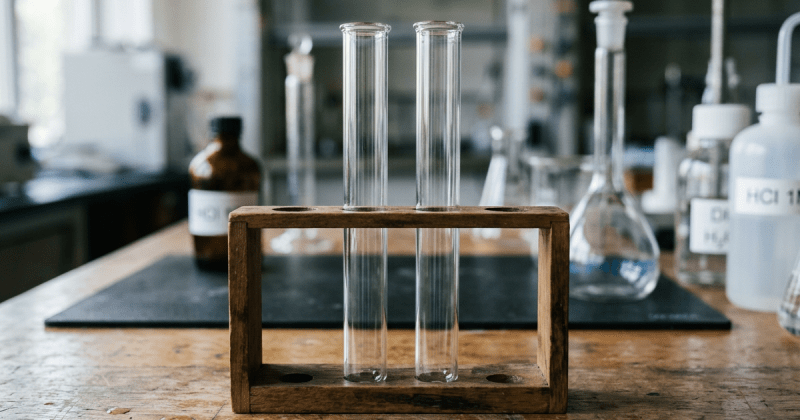
Two empty glass test tubes in a wooden test tube rack on a wooden laboratory bench.

Understanding Cholesterol: Focus on Ratios, Not Just Numbers

The REAL Truth About Cholesterol (Not Taught in Most Clinics):

Most people are told to panic if their total cholesterol is over 200. But honestly, total cholesterol is like a total grade average — it doesn’t show the real story.

The Real Markers That Matter:

  1. Triglycerides
  2. HDL (the “good” cholesterol)
  3. The Ratio: Triglycerides ÷ HDL

Expert Note: This ratio is one of the strongest predictors of heart health, insulin sensitivity, and metabolic function.

  • Ideal ratio: less than 2:1
  • Optimal reset-level: 1:1 or less (Beth’s is 1:1)

Example:

• Triglycerides: 70

• HDL: 70

• Ratio: 1.0 — Metabolic gold

Now compare this:

• Total cholesterol: 210 (looks high to a doctor)

• Ratio still 1.0 SO no danger.

In other words: you can have a total cholesterol of 230 and still be metabolically healthier than someone with a total of 180.

Why Your Doctor’s Solution (Statins) Is Not the Whole Answer:

Statins can lower total cholesterol… but at what cost?

They block your body from producing CoQ10, an essential nutrient for:

  • Heart energy
  • Brain function
  • Cellular repair

Low CoQ10 has been linked to:

  • Muscle aches and weakness
  • Brain fog
  • Increased risk of neurodegenerative disorders (like Parkinson’s and Alzheimer’s)
  • Hormone disruption
  • Mitochondrial dysfunction (your metabolic powerhouse)

I’m Not Saying “No Statins Ever” BUT Here’s What I Am Saying:

Know the full picture before panicking or popping a pill. Focus on lowering triglycerides and raising HDL naturally. Don’t chase numbers — heal the body and let the number correct itself.

If you must take a statin, support your CoQ10 (at least 100–200mg/day)

Stop letting fear take the wheel of your health. Your cholesterol number is just a conversation starter, not a death sentence. Stop staring at your total and start looking at the markers that actually matter. Leafy greens, fiber, clean fats, and sleep lower triglycerides. Prayer, protein, and purpose raise HDL. Learn your ratios, protect your brain, and stop taking prescriptions out of fear.

Discover the Best Beef Tallow at Riverbend Ranch

Oh boy! If you’re a fan of The Wellness Store, you’re in for a treat. They just announced a jaw-dropping product that you won’t want to miss!

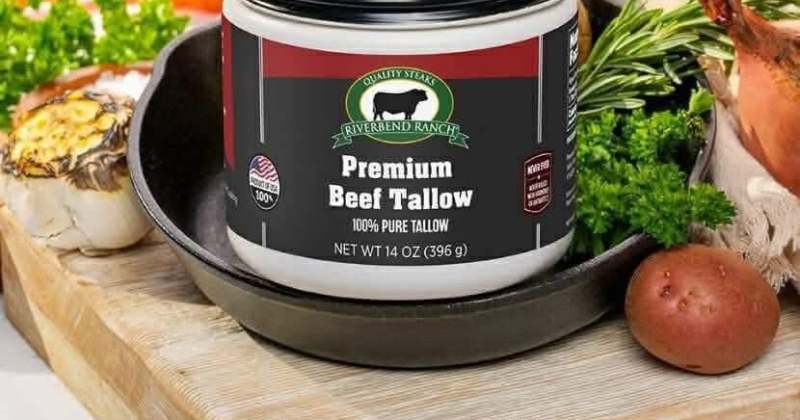
Have you been using tallow? If not, now is the perfect time to dive in and experience the best tallow on the market. We’re thrilled to introduce our very own beef tallow, crafted right here at Riverbend Ranch in our dedicated manufacturing plant.

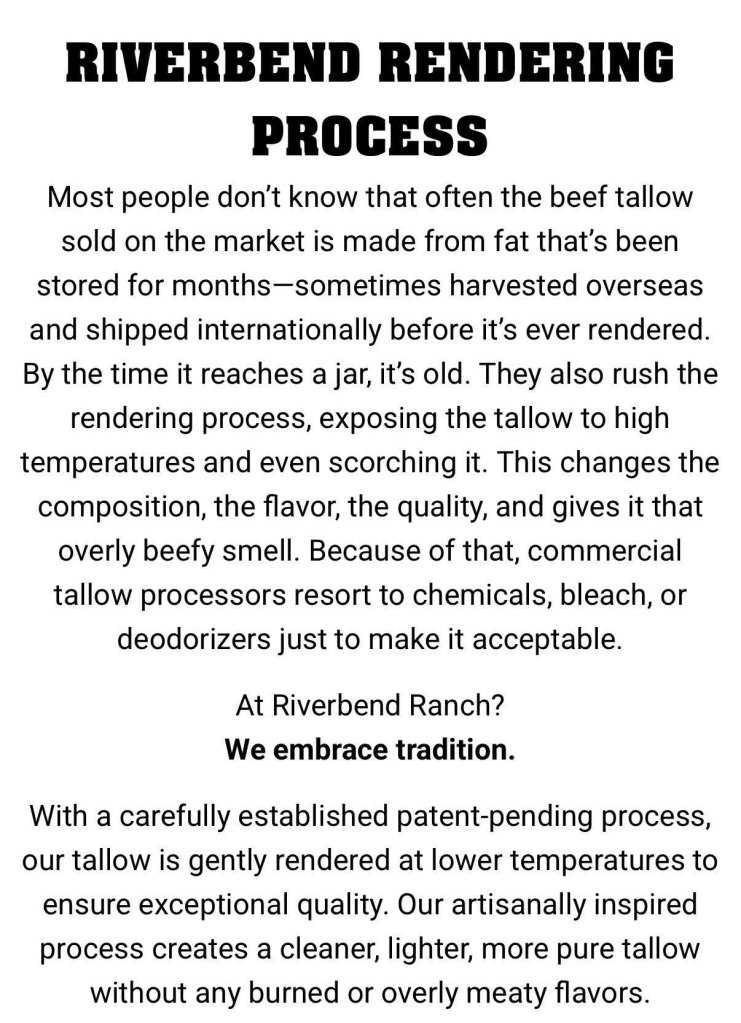
Why does this matter? Well, I recently uncovered some shocking truths about where store brand tallow comes from and how it’s made. Let’s just say, it’s not pretty, and the deception on labels never ceases to surprise me.

Why Choose Riverbend Ranch Beef Tallow?

Our beef tallow stands out for several reasons:

  • 100% Pure: Our tallow is free from any additives or harmful substances.
  • No Growth Hormones or Antibiotics: We prioritize your health and the welfare of our animals.
  • No mRNA: You can feel confident about what you are consuming.
  • No Rank Beefy Smell: Our tallow is fresh and odor-free, unlike some others on the market.
  • Not Bleached: Yes, you read that right—no bleaching here!

And the best part? You can get all of this quality for just $14.95 for 14 oz!

Why Tallow?

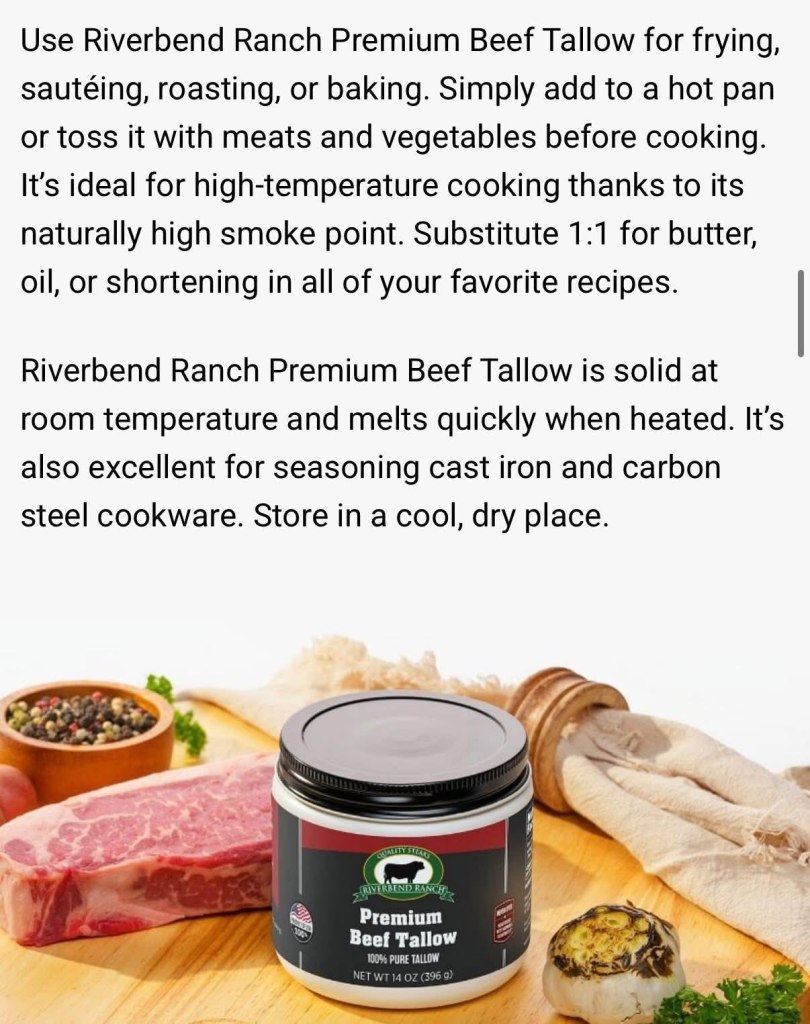
If you’re not already in your tallow era, let me tell you why you should be. Tallow is incredibly stable for high-heat cooking and frying. Plus, it contains zero carbs and zero sugar, making it an excellent choice for those watching their diet. It also supports hormone health since fat is a vital building block for hormones.

Additionally, tallow is a fantastic alternative for anyone looking to avoid processed oils.

Special Offer!

To sweeten the deal, if you comment “tallow” below, I’ll send you a FREE 60-page Premium Beef Tallow Cookbook PDF!

So, have you been using tallow? If not, it’s time to start! Experience the goodness of Riverbend Ranch Beef Tallow today!

My reason for posting my wellness box …

is VALUE!

Want to know the reason behind my Wellness box photos?

It boils down to value!

My 21 year commitment to preventative wellness has yielded incredible results for my health and finances, all while allowing to make more environmentally conscious choices. this little brown box is the source of it all—my toothpaste, mouthwash, body wash, laundry soap, coffee, vitamins, essential oils and 400 plus other products! I have not need to shop anywhere else.

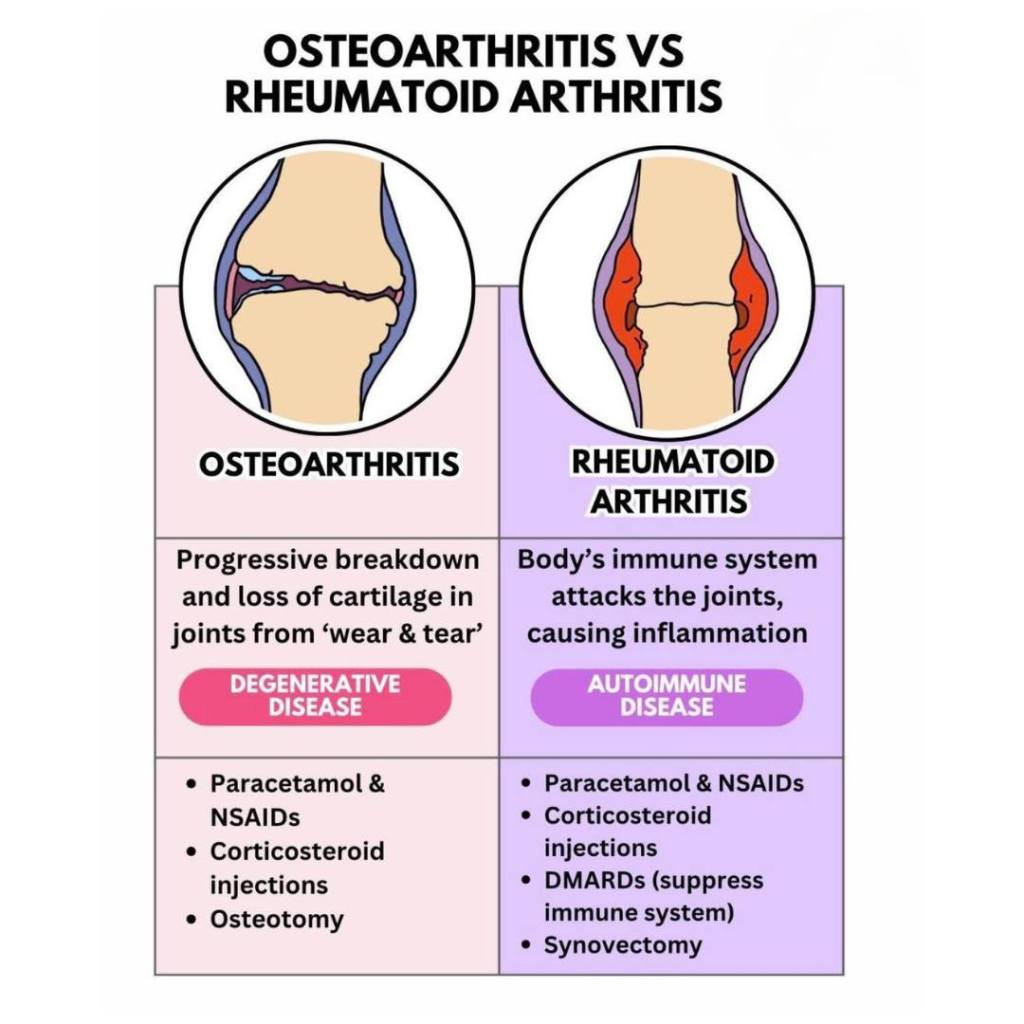
OSTEOARTHRITIS vs RHEUMATOID ARTHRITIS 

Ever wondered how osteoarthritis and rheumatoid arthritis differ? Both can cause joint pain and stiffness, but they have distinct causes and treatment approaches. Understanding these differences is key to managing symptoms effectively BUT knowing the proper nutrition path can help one live a life free of pain and discomfort.
When one is first diagnosed with a disease, it’s easy/normal to feel weak, to feel like a victim, to question “why me”. But when I discovered the huge role that nutrition plays when it comes to fighting and overcoming disease, I felt inspired. This knowledge, this truth of proper nutrition can allow you to truly take charge of your health once and for all.

If you have a medical diagnosis that requires treatment, please know your doctor most likely will NOT give you a protocol of proper nutrition to go alongside it. WHY? Because ….. 

  • They were never educated on nutrition
  • They treat you the way the insurance industry tells them to treat you 
  • The insurance company does not want nutrition to be part of their protocol because they don’t make any money on that!

I can’t give medical advice but I certainly can help build a plan of attack to boost your immune system and address symptoms.
If you need assistance, please ask! I’m only a zoom away and you’d be shocked at how much you can learn that will positively impact your future health!

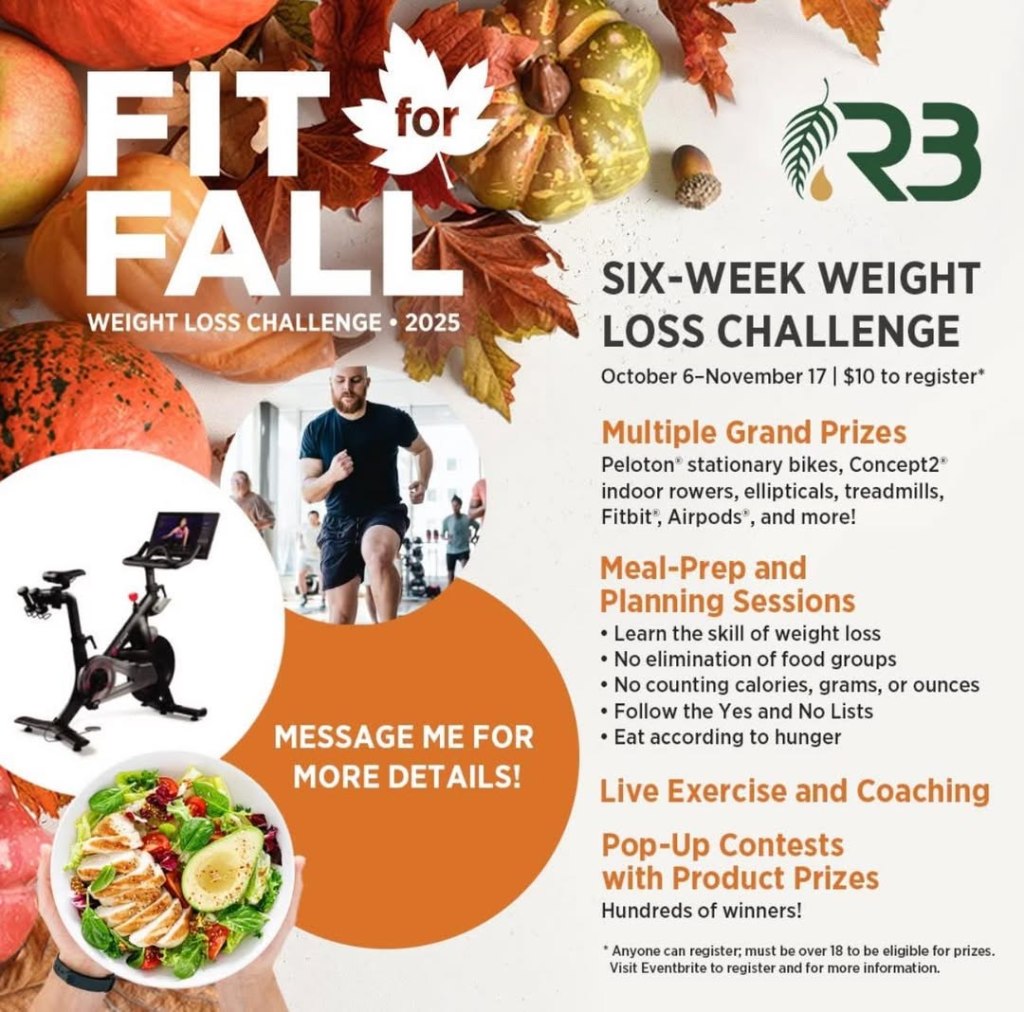
Join Me for the R3 Fit for Fall Challenge!

Are you ready to transform your life and prioritize your health?
Join us for the R3 Fit for Fall Challenge, starting on October 6! This is not just another diet; it’s a sustainable lifestyle change designed to help you enjoy your favorite foods while improving your wellness.

If you’re wondering if this program works or not…take it from me, it does. In June of 2022 I was almost 250 pounds and figured what did I have to lose? (Weight, of course) I decided to give R3 a try. I did start losing weight following the plan. Mind you it’s not a diet, it’s a lifestyle switch. At the end of the six-week challenge I was informed I had placed second in percentage of weight loss! I was amazed. I continued following the Real Life part of the plan and by November I had lost 87 pounds. In December I was down by 100 pounds. The following April my weight loss totaled 125 pounds. The best part? I have kept off the weight! It hasn’t come back to haunt me (well, except for 10 pounds that arrived with the prednisone prescription) I plan on ridding myself of those 10 pounds inn this challenge! Who wants to join me to kick off a healthier holiday season?

What is R3?
R3 is a straightforward, easy-to-follow lifestyle plan that allows you to eat the foods you love without counting calories, grams, or ounces. The plan consists of three simple steps:

  1. Reset: Balance your blood sugar and discover foods that benefit you. Say goodbye to unhealthy food addictions and kickstart your weight loss!
  2. Reintroduce: Learn how to balance carbs, proteins, and fats while gradually reintroducing foods you’ve been avoiding.
  3. Real Life: Enjoy all your favorite foods while maintaining your weight loss, even in real-life situations like parties and vacations!

The R3 Process

  • Three Stages:
    • First Two Weeks: Focus on cleansing your palate and eating from the Yes List.
    • Second Two Weeks: Start to reintroduce some items from the No List in moderation.
    • Final Two Weeks: Enjoy guilt-free meals of your choice.
  • The program teaches you Healthy Habits in these seven areas:
    • Community
    • Nutrition
    • Supplementation
    • Water
    • Exercise
    • Silence
    • Sleep

Is R3 Right for You?
Whether you have diabetes, thyroid issues, PCOS, or dietary preferences like veganism, the R3 plan adapts to your needs. You can choose your foods based on the Yes List and explore supplementation to enhance your results.

What Will You Gain?

  • Supportive Community: Connect with fellow participants through virtual training sessions and weekly Zoom Q&As.
  • Wellness Knowledge: Learn tips and tricks for healthy living that you can carry forward.
  • Exciting Incentives: Participants have a chance to WIN grand prizes, weekly product giveaways, and so much more!

Ready to Get Started?
Mark your calendars and get set to kickstart your metabolism and enjoy a healthier lifestyle! This challenge is open to everyone, whether you’re a fitness enthusiast or just starting your journey.

Join Us for the R3 Fit for Fall Challenge!
Let’s embark on this wellness journey together and make this fall the season of transformation. Trust the process, and together we’ll achieve our health goals!
For more details and to sign up, please message me (barbara@hayseedscreative.com). Don’t miss out on this opportunity to transform your life!

Do You Know The Symptoms of High Blood Pressure?

Probably not because high blood pressure typically doesn’t have any symptoms. Sorry, trick question. That’s why we need to routinely measure our blood pressure!

And yet…. this is a problem because it means that often the first people learn about it is when they sustain some vascular injury as a result (stroke, heart attack, kidney disease, etc)

What IS high blood pressure?
Well, a US survey found, in answer to a multiple choice question on the topic:

  • 25% believed that anything under 140/90 was fine
  • 18% considered 130/90 to be the threshold
  • 16% thought it was 140/80
  • 13% got it right, at 130/80

We should aim for 120/80. 
But did you know that 120/79 qualifies as elevated blood pressure?
Incidentally, the best workout to lower high blood pressure is isometric exercises (i.e. exercises where you hold a position without moving, such as wall sits or abdominal planks).
There’s always something new to learn!

Hot Day Hydration

Hot days! Over 90’s! I am getting hydrated! Here’s a Public Service Announcement for anyone melting in this 100-degree heat:

If you’re only drinking water…congratulations, it’s great. But, unfortunately, you may still pass out from heat and dehydration. What you actually need is: Electrolytes. Electrolytes are your summer lifeline. Electrolytes are not just a “gym thing.” They’re not just a “sports drink” thing. Electrolytes make sure you don’t-end-up-face-first-in-the-yard thing.

You want the holy hydration trinity:
Potassium (for muscle + heart function)
Magnesium (for cramps + mood)
Calcium (for nerve function)
Not a product with 500mg of sodium in a fluorescent blue bottle.

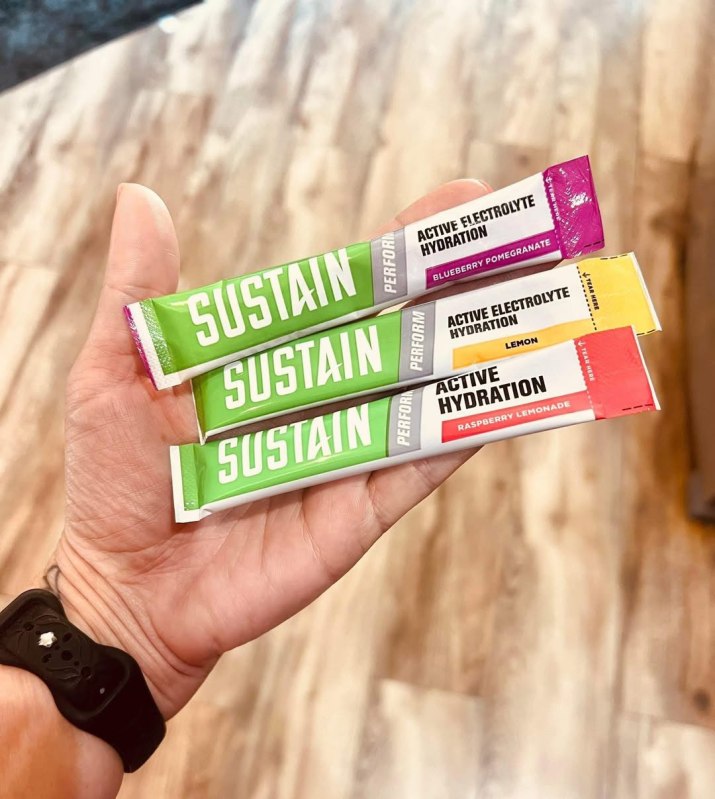
That’s why I like Sustain. Sustain has four electrolytes with vitamins C, E and B12! It also has six grams of sugar!
Sustain has sugar because that touch of glucose helps your cells better absorb all that hydration goodness.

If you get too much salt? You bloat.
Too little potassium? You cramp like a banshee.
No magnesium? Welcome to twitchy-town and mood swings.
If you get no electrolytes at all? Enjoy your front-row seat to heat stroke, dizziness, and possibly crying in the Kroger parking lot.

Pro tip: To hydrate properly, you need 100mg sodium and ditch the junk. You don’t need dyes, chemicals, or a sugar crash pretending to hydrate you.

After all, Hydration isn’t just water. It’s electrically charged survival.

That’s why I drink Sustain.