


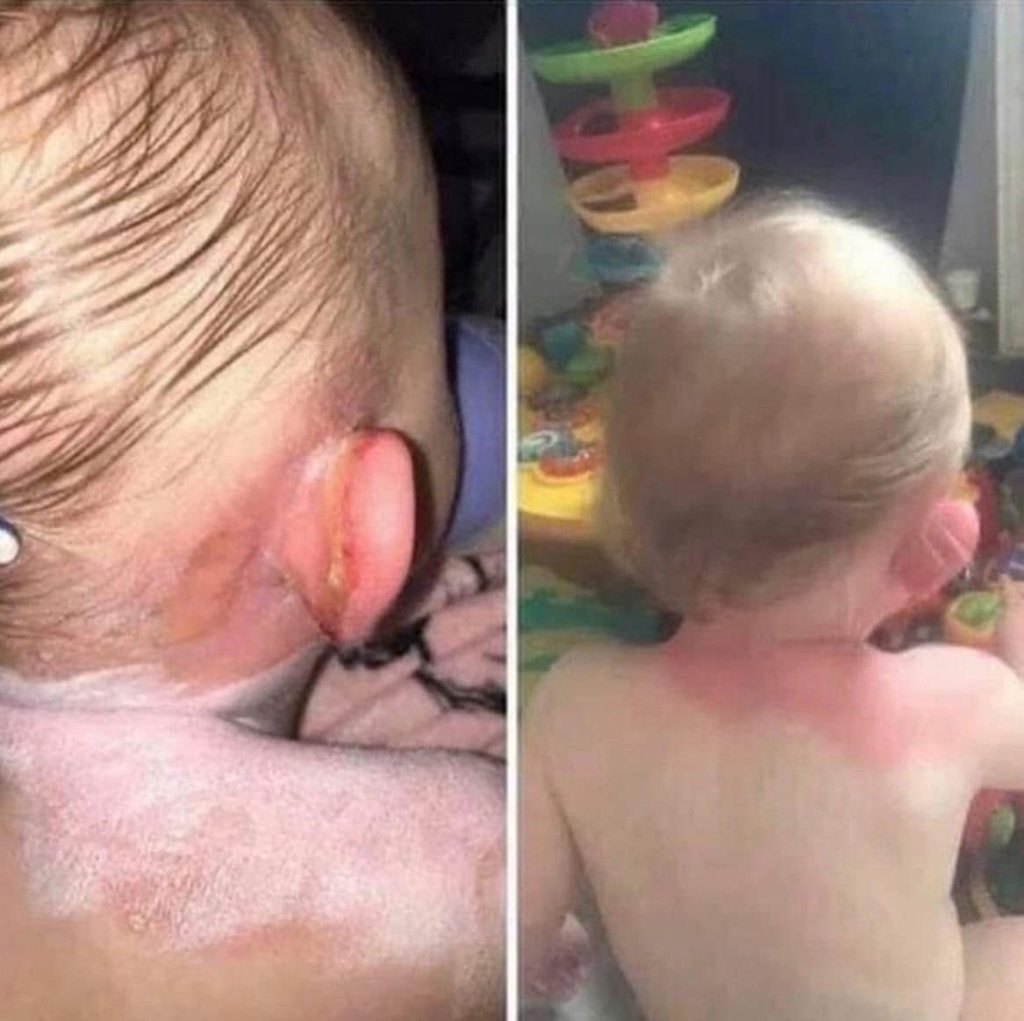
Did you know that Febreze could literally be one of the most dangerous products in your home?
Just because you or your family members haven’t had an outward reaction like the ones in the photos, it doesn’t mean the product isn’t causing harm to you or your loved ones 𝙚𝙫𝙚𝙧𝙮 single 𝙙𝙖𝙮.
Did you know that there are 80 toxic chemicals found in Febreze? I didn’t.
What you need to understand that the product does not remove odor molecules; your nose just can’t perceive them over the chemical product’s smell—that supposedly “freshens” the air in your home. That alone should be your first warning. Who wants to be inhaling chemicals and lung irritants??
Here are just a few of the toxins you’ll find in Febreze.
BHT – Known as a neurotoxin and endocrine disruptor. Can cause immunotoxicity, non-reproductive organ system toxicity, skin eye and lung irritator
Acetaldehyde – Known to cause cancer, toxic to reproduction and development, immunotoxin, non-reproductive organ system toxin, skin, eye and lung irritator.
Propylene Glycol – Causes cancer, allergies, and is toxic to the immune system,
1,3-Dichloro-2-propanol – Carcinogenic (causes cancer)
Limonene – An Allergen, immunotoxin and skin, eye and lung irritator
Methyl pyrrolidone – Toxic to reproduction and development. An allergen and immunotoxin, non-reproductive organ system toxin and skin, eye and lung irritator
Butylphenyl methylpropion al – Another allergen, immunotoxin and and skin, eye and lung irritator
Ethyl acetate – Linked to developmental/reproductive toxicity, neurotoxicity, and organic system toxicity. It also is a skin, eye and lung irritator
Geraniol – Linked to allergies, immunotoxicity, organic system toxicity. It is also responsible for skin, eye and lung irritation
Linalool – A known allergen, immunotoxin, and and skin, eyes and lung irritator
Benzaldehyde – A neurotoxin. Also is a skin, eye and lung irritator
Diethylene glycol monoethyl ether – Can cause non-reproductive organ system toxicity
Ethylhezanol – This is a developmental and reproductive toxin as well as askin, eye and lung irritator
Hexyl cinnamal – A known allergen, immunotoxin, and and skin, eyes and lung irritator.
There are many more ingredients on the label, but by know you have to agree the product can damage your and your family’s health. I’m just here to remind you that there are 𝙝𝙚𝙖𝙡𝙩𝙝𝙮 𝙖𝙡𝙩𝙚𝙧𝙣𝙖𝙩𝙞𝙫𝙚𝙨 for your 𝗙𝗔𝗠𝗜𝗟𝗬. I use them every day.
I love where i shop and have for the past 20-plus years. Let me know if you’s like to join me on this healthy path.



 Hayseeds Creative