
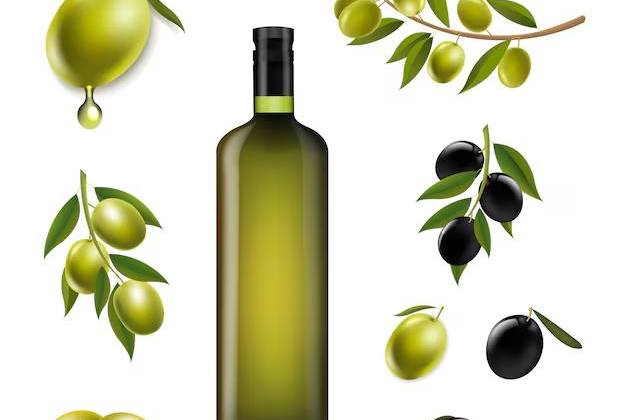

Did you know that olives are a fruit?
And just like fruit juice, olive oil tastes best and is the most nutritious when it’s fresh.
Fresh-pressed olive oil has the highest levels of antioxidants, polyphenols, and a unique anti-cancer compound called Oleocanthol.
But there’s a problem:
According to Forbes, “It’s been reliably reported that 80% of the Italian olive oil on the market is fraudulent. A study last year by the National Consumer League found that six of 11 bottles of Extra Virgin olive oil from three major retailers—Whole Foods, Safeway, and Giant—failed to meet Extra Virgin requirements.”
Yes, many olive oil companies produce low quality olive oil diluted with other oils, and some companies sell “olive oil” that isn’t even made from olives!
In his book, Extra Virginity, olive oil expert, Tom Mueller, warns of contaminants and cancer-causing agents in these fake olive oils:
“Italian investigators have found hydrocarbon residues, pesticides, and other contaminants in fake oils, and pomace oil, a common adulterant, sometimes contains mineral oil as well as PAHs, proven carcinogens that can also damage DNA and the immune system.”
So how do you know if it’s authentic?
The Label: The label should indicate the harvest date and whether the oil has been blended with other oils. Look for a quality seal from the International Olive Council (IOC) for European oils or the California Olive Oil Council for American oils, which indicate that the oil has been tested and meets certain standards.
The Bottle: The bottle should be dark colored glass to protect against UV Ray exposure
The Taste: Authentic EVOO has a bright flavor with hints of fruit, grass, and almond, and a slightly bitter, peppery aftertaste. Low-quality or “fake” EVOO may taste dull, greasy, waxy, or crayon-like, or have no flavor.
So shop carefully and read those labels!
 Hayseeds Creative