Benefits of serotonin

If you or anyone you know is suffering from fibromyalgia, migraines, chronic fatigue syndrome, depression, sleep disorders, diabetes, anxiety, or weight gain, you may want to share this with them. Research has shown that all of these ailments are related to lack of Serotonin.

Raising Serotonin levels can improve muscle pain from fibromyalgia. Serotonin is the chemical messenger that sends signals to nerve cells. This connection helps to cut down on migraine frequency, depression, sleeping disorders, fatigue, anxiety as well as with weight loss. It helps with weight loss because it suppresses the appetite, cutting down carb cravings. All of this works because Serotonin is converted to melatonin, promoting healthier sleeping habits.

Our bodies produce an Amino acid called 5-HTP to help the body produce Serotonin. Unfortunately, 5-HTP cannot be found in any foods we eat. It can, however, be derived from a seed of an African shrub, called griffonia simplicifolia.

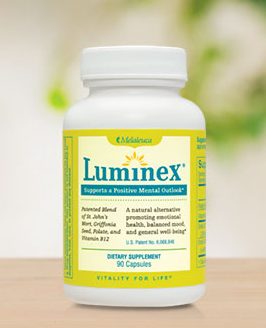
I’m glad to say I found 5-HTP in a supplement called Luminex. No matter what life throws at you, patented Luminex is there. For everyday stresses or moodiness, Luminex can help support your emotional balance and confidence to live life to the fullest—and greet every day with a smile. It has really made a difference in my life!

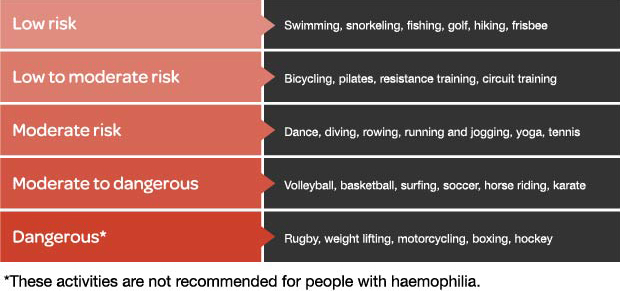
Choosing physical activities that match your needs

Choosing physical activities that match your fitness level and health goals can help you stay motivated and keep you from getting hurt. You may feel some minor discomfort or muscle soreness when you first become active. These feelings should go away as you get used to your activity. However, if you feel sick to your stomach or have pain, you may have done too much. Go easier and then slowly build up your activity level. Some activities, such as walking or water workouts, are less likely to cause injuries.

If you have been inactive, start slowly and see how you feel. Gradually increase how long and how often you are active. If you need guidance, check with a health care or certified fitness professional.

Here are some tips for staying safe during physical activity:

  • Wear the proper safety gear, such as a bike helmet if you are bicycling.
  • Make sure any sports equipment you use works and fits properly.
  • Look for safe places to be active. For instance, walk in well-lit areas where other people are around. Be active with a friend or group.
  • Stay hydrated to replace the body fluids you lose through sweating and to prevent you from getting overheated.
  • If you are active outdoors, protect yourself from the sun with sunscreen and a hat or protective visor and clothing.
  • Wear enough clothing to keep warm in cold or windy weather. Layers are best.

Stay hydrated to replace the body fluids you lose through sweating.

If you don’t feel right, stop your activity. If you have any of the following warning signs, stop and seek help right away:

  • pain, tightness, or pressure in your chest or neck, shoulder, or arm
  • extreme shortness of breath
  • dizziness or sickness

You can find many fun places to be active. Having more than one place may keep you from getting bored. Here are some options:

  • Join or take a class at a local fitness, recreation, or community center.
  • Enjoy the outdoors by taking a hike or going for a walk in a safe local park, neighborhood, or mall.
  • Work out in the comfort of your own home with a workout video or by finding a fitness channel on your TV, tablet, or other mobile device.

Tips for choosing a fitness center

  • Make sure the center has exercise equipment for people who weigh more and staff to show you how to use it.
  • Ask if the center has any special classes for people just starting out, older adults, or people with mobility or health issues.
  • See if you can try out the center or take a class before you join.
  • Try to find a center close to work or home. The quicker and easier the center is to get to, the better your chances of using it often.

Make sure you understand the rules for joining and ending your membership, what your membership fee covers, any related costs, and the days and hours of operation.

Check with a health care professional about what to do if you have any of these warning signs. If your activity is causing pain in your joints, feet, ankles, or legs, you also should consult a health care professional to see if you may need to change the type or amount of activity you are doing.

Fitness tip: Start slow!

Then add a little more activity each time #GetActive. Get more tips: http://bit.ly/2foDqhe

Staying active at any size

Physical activity may seem hard if you’re overweight. You may get short of breath or tired quickly. Finding or affording the right clothes and equipment may be frustrating. Or, perhaps you may not feel comfortable working out in front of others.

The good news is you can overcome these challenges. Not only can you be active at any size, you can have fun and feel good at the same time.

Research strongly shows that physical activity is safe for almost everyone. The health benefits of physical activity far outweigh the risks.1

If you have problems moving or staying steady on your feet, or if you get out of breath easily, talk with a health care professional before you start. You also should talk with a health care professional if you are unsure of your health, have any concerns that physical activity may be unsafe for you, or have:

Being active may help you live longer and protect you from developing serious health problems, such as type 2 diabetes, heart disease, stroke, and certain types of cancer. Regular physical activity is linked to many health benefits, such as:
• healthy bones, muscles, and joints
• lower blood pressure and blood glucose, or blood sugar
• a strong heart and lungs
• better sleep at night and improved mood

The Physical Activity Guidelines for Americans, 2nd edition defines regular physical activity as a minimum of 150 minutes a week of moderate-intensity aerobic activity, such as brisk walking. Brisk walking is a pace of three miles per hour or faster. A moderate-intensity activity makes you breathe harder but does not overwork or overheat you. You should also do muscle-strengthening activities at least two days a week.

You may reach this goal by starting with five minutes of physical activity several times a day, five to six days a week. You could then gradually work up to 10 minutes per session, three times a day. If you do even more activity, you may gain even more health benefits.1

When combined with healthy eating, regular physical activity may also help you control your weight. However, research shows that even if you can’t lose weight or maintain your weight loss, you still can enjoy important health benefits from regular physical activity.

Physical activity also can be a lot of fun if you do activities you enjoy and are active with other people. Being active with others may give you a chance to meet new people or spend more time with family and friends. You also may inspire and motivate one another to get and stay active.

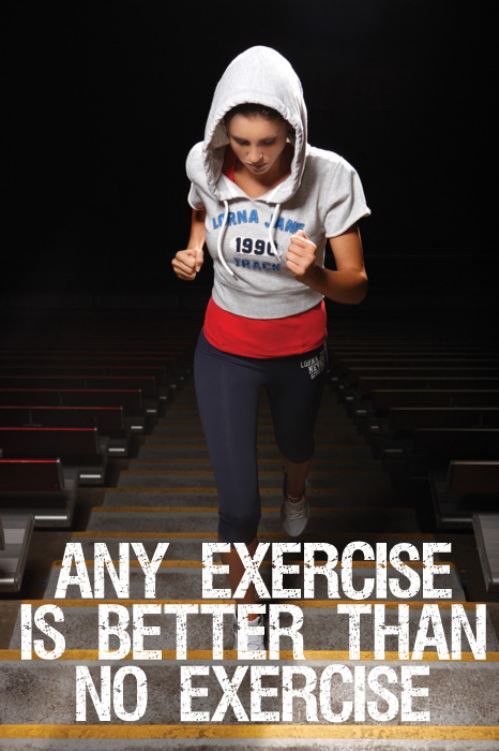
Did you know…some activity is better than none

Physical activity is any form of exercise or movement of the body that uses energy. Some of your daily life activities—doing active chores around the house, yard work, walking the dog—are examples. The more you do, the greater the health benefits and the better you’ll feel.

To get the health benefits of physical activity, include activities that make you breathe harder and make your heart and blood vessels healthier. These aerobic activities include things like brisk walking, running, dancing, swimming, and playing basketball. Also include strengthening activities to make your muscles stronger, like push-ups and lifting weights.

The good news?

People of all types, shapes, sizes, and abilities can benefit from being physically active. If you have a disability, choose activities that work for you. Talk with your health care team about the amount and types of activities that are right for your ability or condition.

National Fitness Day

National Fitness Day is an opportunity to inspire and try new ways of becoming fit and healthy.

The day is dedicated to everyone – not just health enthusiasts. Step out and try a class that looks interesting. Zumba? Yoga?

Yes, try it for a day. Perhaps you only want to get out and stretch. Do it! Maybe you already have a nice routine but want to try something new. National Fitness Day is an excellent way to shake up your routine. And while you’re at it, bring a friend!

Did you know…

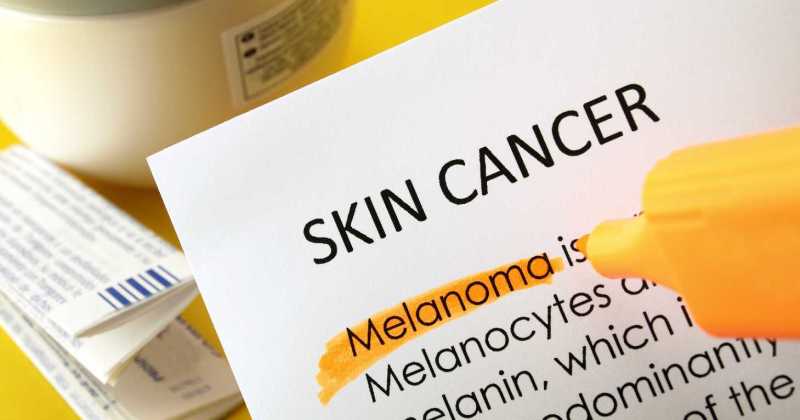
#SkinCancer is the most common type of cancer in the US. Read more: http://bit.ly/2FnBG8N

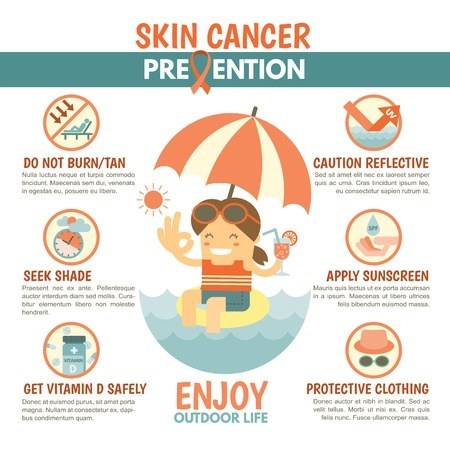
What is skin cancer?

Skin cancer is the most common kind of cancer in the United States. There are three major types of skin cancer: Basal cell carcinoma, Squamous cell carcinoma and Melanoma.

Basal cell carcinoma and squamous cell carcinoma are also called non-melanoma skin cancer, and they are more common than melanoma. Melanoma is the most dangerous kind of skin cancer.

Skin cancer can almost always be cured when it’s found and treated early. That’s why it’s a good idea to check your skin regularly for new growths (like moles or lumps) or changes in old growths. Tell your doctor or nurse right away if you find a change.

Self-Care Is Not An Indulgence.

It’s A Discipline.

Compassion and self care is something I’ve been so mindful of lately. We love our families, our pets, our friends and so many other things in life but how often do we love ourselves? The way self-care is portrayed today is completely and utterly backward.

First, self-care as a concept is almost exclusively aimed at women because, after all, women are busy caring of everyone. Unfortunately there is always the underlying suggestion that while women should be taking care of themselves, it doesn’t absolve them from taking care of everyone else.

Secondly, self-care is often characterized as an indulgence. This means both that the practice of self-care is something that is only occasionally allowed and that it should feel like an indulgence.

Self-care is not an indulgence. Self-care is a discipline. It requires tough-mindedness, a deep and personal understanding of your priorities, and a respect for both yourself and the people with whom you choose to spend your life.

If we are being honest, self-care is actually kind of boring. Self-care is a actually a discipline—it takes discipline to continually make “good for you” as opposed to doing what feels good right here, right now. It’s takes discipline to refuse to take on the responsibility for other people’s emotional well-being—and, it takes discipline to take full and complete responsibility for your own well-being.

Samples of self care include:

  • Turning off the TV instead of watching another episode of “The Crown” because the alarm is going off at 5am so you can get to the gym.
  • Declining the second drink at the office holiday party. It might even be declining the first drink.
  • Saying “no” to things you don’t want to do even if it causes someone to be angry with you.
  • Maintaining financial independence.
  • Doing work that matters.
  • Letting others manage their own affairs and take care of themselves.

Think about the oxygen mask on a plane. In case of emergency, you are instructed to put yours on first—before helping family and fellow passengers—so you can better care for others. Life works the same way; when we exercise self-compassion, love, and care, we show up bigger and brighter for ourselves and for others. Self-care is not something that’s done once in awhile when the world gets crazy. It’s what should be done every day, every week, month in and month out. It’s taking care of oneself in a way that doesn’t require “indulging” in order to restore balance. It’s a commitment to stay healthy and balanced as a regular practice.

Time is often cited as an issue for lack of self-care, but self-care and me time can be scheduled it in, just like a meeting, lunch with a friend, or a doctor appointment. Ironically, most people find that when they truly care for themselves—exercising all the discipline that it requires—they are finding they are in a much stronger place to give to those around them. They note they are a fully engaged colleague, a more grateful spouse, and happier parents. Those who take care of themselves find they have the energy to take care of others joyfully because caregiving doesn’t come at their own expense.

Self-compassion is something we all need to do. It’s easy to get wrapped up in self-limiting beliefs and fears—those who take care of themselves also have the energy to work with meaning and purpose toward a worthy goal. Which means they are also the people most likely to make the world a better place for all of us

What forms of self-care do you enjoy?

National Physical Fitness and Sports Month

Regular physical activity is good for everyone’s health, and people of all ages and body types can be physically active. National Physical Fitness and Sports Month is a great time to become more active.

Did you know that regular physical activity increases your chances of living a longer, healthier life? It also reduces your risk for high blood pressure, heart disease, and some types of cancer. Yet most people don’t get the recommended amount of physical activity.

Here are just a few benefits of physical activity:

  • Children and adolescents – Improve muscular fitness, bone health, and heart health
  • Adults – Lower the risk of heart disease, type 2 diabetes, and some types of cancer
  • Older adults – Lower the risk of falls and improve cognitive functioning (like learning and judgment skills)

Here are just a few ideas to increase physical activity:

  • Start by making small changes, like taking a walk after dinner or going for a bike ride.
  • Motivate teachers and administrators to make physical activity a part of every student’s day.
  • Identify youth leaders in the community who can talk to their peers about the importance of being active.

The Physical Activity Guidelines for Americans recommend that adults:

  • Aim for at least 2 hours and 30 minutes of moderate-intensity aerobic activity each week. This includes things like walking fast, dancing, swimming, and raking leaves.
  • Do muscle-strengthening activities – like lifting weights or using exercise bands – at least 2 days a week.

Physical activity good is for everyone’s health. No matter what shape you are in, you can find activities that work for you. Together, we can rise to the challenge and get more active during the month of May!

During the month of May, we challenge all adults to get active every day!