When you get your car cleaned and detailed, and they still can’t get the stain out!
I used my favorite all-natural stain remover and BAM! stain be gone! Once again, Sol-U-Mel for the save! I love how this product cleaned up the upholstery!
Did you know that falling can lead to broken bones, trouble getting around, and other health problems – especially if you are age 65 or older.
As people age, poor balance and weak muscles can lead to falls and fractures. Most falls happen when older adults are doing everyday activities, like walking. Not only do these fractures and broken bones cause pain and disability they can also have an impact on your ability to do everyday activities without help, like cooking a meal or taking a shower. Sometimes vision problems or medical conditions such as diabetes which can reduce feeling in the feet, or a stroke which can affect your balance, will make a fall more likely.
Some conditions that can lead to a fall include: having fallen in the past year; disease; trouble walking; getting up from a chair; or stepping up onto a curb; medications—especially medicines to help you relax or sleep or vision problems such as cataracts or glaucoma
Did you know that half of all falls happen inside the home? It may be time to do a walk through to find the possible danger areas in your home. It may not seem like much, but there are quite a few things you can do to make your home safer for yourself, family and guests.
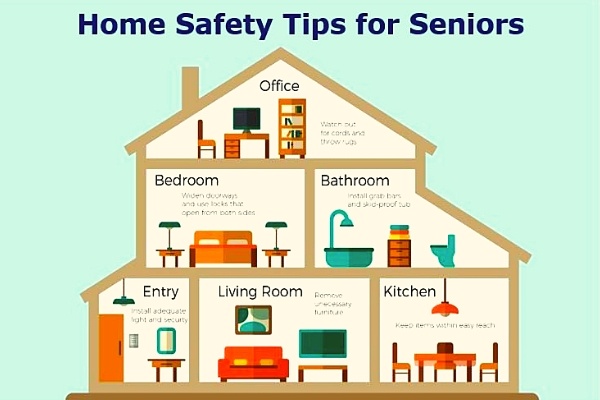
Have railings put on both sides of all stairs inside and outside of your home.
Have grab bars put inside and outside your bathtub or shower and next to the toilet.
Use non-slip mats in the bathtub or shower.
Remove small rugs or use double-sided tape to keep rugs from slipping.
Use bright lights throughout your home, especially on the stairs.
Keep stairs and places where you walk clear of clutter. Pick up or move things you can trip over, like cords, papers, shoes, or books.
Keep kitchen items you use often in easy-to-reach cabinets or shelves.
Improve your balance, increase your safety Exercises that improve your balance can help prevent falls. For example, tai chi (“tie chee”) is a mind-body exercise that can help with balance. Check with your local community or senior center for physical activity classes that can help your balance.
Do strengthening activities at least two days a week to make your legs stronger. These include lifting weights or using resistance bands (long, stretchy rubber strips).
There’s a lot your doctor can do to help keep you safe from falls. If you are worried about falling, talk to your doctor or nurse about how balance exercises and physical therapy can help. Review all medicines with your doctor or pharmacist. Some medicines can make you dizzy or sleepy and cause you to fall. Get your vision checked by an eye doctor every 1 to 2 years. Update your glasses or contact lenses when your vision changes. Make your home safer. For example, add grab bars inside and outside your bathtub or shower – and put railings on both sides of stairs.
Celiac disease, and, more generally, gluten intolerance, is a growing problem worldwide, but especially in North America and Europe, where an estimated 5% of the population now suffers from it,” researchers wrote in a meta-analysis of nearly 300 studies.
They propose that glyphosate, the active ingredient in the herbicide, Roundup®, is the most important causal factor in this epidemic. The study, published in the journalInterdisciplinary Toxicology in 2013, was completely ignored by the media except for Mother Earth Newsand The Healthy Home Economist.
Now that glyphosate is getting the attention it deserves, being named as the culprit in a $280 million cancer lawsuit and labeled as a carcinogen by the World Health Organization and the state of California, it may be time to look at the chemical’s role in a related disease:
The symptoms of so-called “gluten intolerance” and celiac disease are shockingly similar to the symptoms in lab animals exposed to glyphosate. They study’s authors also reference a recent study on how glyphosate affects the digestive systems of fish. It decreased digestive enzymes and bacteria, disrupted mucosal folds, destroyed microvilli structure in the intestinal wall, and increased secretion of mucin — features highly reminiscent of celiac disease.
Additionally, the number of people diagnosed with gluten intolerance and celiac disease has risen in tandem with the increased use of glyphosate in agriculture, especially with the recent practice of drenching grains in the herbicide right before harvest, which started in the 1980s and became routine in the 1990s. While some suggest the recent surge in celiac disease is due simply to better diagnostic tools (which as you can see above happened around 2000), a recent study suggests it’s more than that.
In 2009, researchers looked for gluten antibodies in frozen immune serum obtained between 1948 and 1954 for gluten antibodies, and compared them with samples from people today. They found a 4-fold increase in the incidence of celiac disease in the younger generation. As further evidence the researchers make the following points:
“Celiac disease is associated with imbalances in gut bacteria that can be fully explained by the known effects of glyphosate on gut bacteria.”
“Celiac disease is associated with the impairment of cytochrome P450 enzymes. Glyphosate is known to inhibit cytochrome P450 enzymes.”
“Deficiencies in iron, cobalt, molybdenum, copper and other rare metals associated with celiac disease can be attributed to glyphosate’s strong ability to chelate these elements.”
“Deficiencies in tryptophan, tyrosine, methionine and selenomethionine associated with celiac disease match glyphosate’s known depletion of these amino acids.”
“Celiac disease patients also have a known increased risk for non-Hodgkin’s lymphoma, which has also been implicated in glyphosate exposure.”
“The incidence of non-Hodgkins lymphoma has increased rapidly in most Western countries over the last few decades. Statistics from the American Cancer Society show an 80% increase since the early 1970’s, when glyphosate was first introduced on the market.”
“Reproductive issues associated with celiac disease, such as infertility, miscarriages, and birth defects, can also be explained by glyphosate.”
Glyphosate residues in grain, sugar and other crops are increasing recently likely due to the growing practice of crop desiccation just prior to harvest, the researchers say. The secretive, illegal practice has become routine among conventional farmers since the 1990s. Ironically, the practice increases yields by killing the crops. Just before the plants die, they release their seeds in order to propagate the species.
Moral of the story? We need to go glyphosate-free, not gluten-free. And that means going organic, especially when it comes to grains and animals who eat those grains.
Now that warmer weather is here, I find I spend more time out in my yard and garden. Finding natural and safe products can sometimes be an issue, but I have found some safe and affordable lawn and gardening care alternatives using my everyday household products.
For killing weeds. I mix 1/4 cup Tough & Tender with 1 gallon vinegar and two cups salt. Apply to trouble spots. For stronger, hardier weeds I add 1/2 Lemon Bright dish soap. The soap is needed to break through the weed’s protective coating. Here is a “how-to” video: https://youtu.be/tINbAl37hvo
Ridding the lawn of gnats, “no seeums” and mushrooms. Spray the lawn with a diluted mixture of Tough & Tender in a lawn sprayer unit. It will kill the little gnats as well as mushrooms that grow in your yard. (Tough & Tender is my go-to cleaning product, It’s one thing we are never out of there are so many uses for it!)
Killing “Yard Bugs”. Mix 1 cup of Lemon Brite dish soap and 1 cup of pre-mixed Breath-Away Mouthwash into a 20 gallon hose-end sprayer and soak your lawn, garden beds and trees to the point that the fluid is running off. Bugs HATE it!
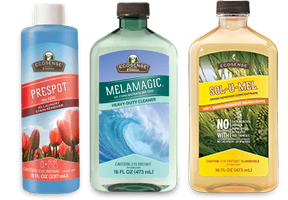
Killing Ants. Spray concentrated Pre-spot Plus on areas ants congregate (don’t use on wood). For heavier concentrations and black ants, combine 1 ounce of MelaMagic and 1 ounce of Sol-U-Mel in a 16 ounce spray bottle and fill with water.
Armyworm caterpillars. Mix 1/2 cup of MelaMagic in two gallons of water to spray. Spray cocoon, nest, and any webs you see. This will also help cutdown on succeeding generations as well as with the ant invasion that follows the armyworms.
All purpose home made spray. A safe and non-toxic bug spray can be made from a combination of ¼ cup of Sol-U-Mel, five drops of T36-C5, 1 teaspoon of Tough & Tender, and 14 ounces of water. Or you can just get the Natural Insect Repellent. (Which we happen to love!)
Whether you’re a mother, father, sister, brother, or roommate, no one likes dirty dishes. That is why we’re celebrating National No Dirty Dishes Day today. It’s probably a holiday most created by an upset parent, spouse or room mate fed up with cleaning up the mess. I’d like to think sinks around the world are rejoicing at the thought of having a light workload and a clear space on today. So keep sinks happy, and do your part by saying, “NO” to dirty dishes.
This is a day that gives us all a break from the regular daily routine. There are two options for this day. You can eat all meals out. If that is possible, would also be a bonus treat. Or, you can use disposable paper plates, cups and silverware. To stay earth friendly, choose ones that are biodegradable, just like my favorite dish detergent, Lemon Bright! I just love a clean sink, don’t you?
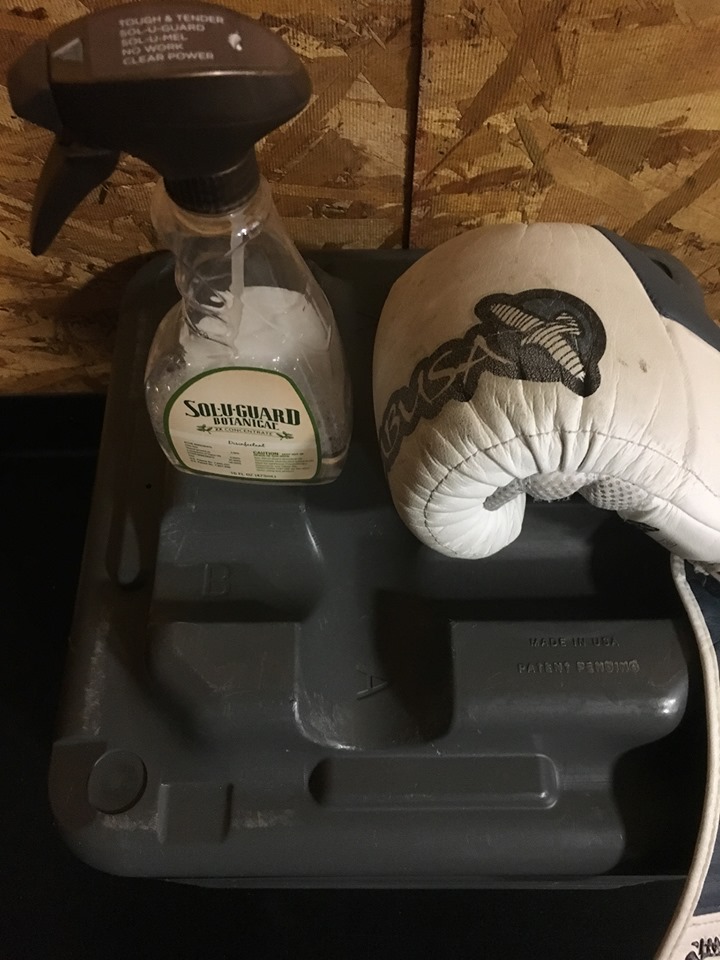
I do! Mine is Sol-U-Guard Botanical. Sol-U-Guard Botanical allows me to clean my home without putting my family’s health at risk.
Did you know? One single bacteria cell can multiply into over a billion in just 24 hours.
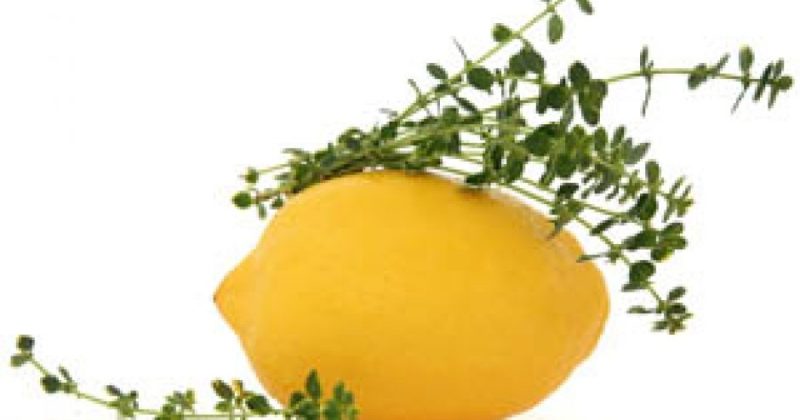
Sol-U-Guard Botanical kills 99.9% of household germs using the ingredients thyme oil and citric acid. I just simply spray it on any hard, non-porous surface and let it dry. Disinfecting my home has never been easier!
Essential oils have earned their place among those who enjoy and benefit from aromatherapy. From easing nausea to decreasing anxiety, these natural, plant-derived products have been central in the lives of many generations, and today they have become part of the natural cure-all trend.
While seemingly safe and advantageous for people, essential oils and pets may be a terrible combination.
Essential oils are highly concentrated compounds derived from plant roots, stems, flowers, leaves and seeds. In addition to applying them as holistic treatments, essential oils can be used in various personal, household and cleaning products.
Essential oils offer numerous healing benefits to people, and although they are natural they may not be safe for your pet. They can present risks to your pet if inhaled, ingested or absorbed into the skin. Just as there are many plants that are considered toxic, irritating, or known to trigger allergic reactions in some animals, essential oils and pets do not safely mix.
The combination of essential oils and pets can be particularly worrisome because there are so many possible ways pets can be exposed to them. Believe it or not, essential oil diffusers, liquid potpourri products, room sprays, air fresheners and more can place your furry companions at risk. Just like humans, animals that have breathing problems, such as asthma, can exhibit labored breathing, excessive panting, or wheezing when exposed to essential oils.
Oils mixed with water molecules and diffused into the air can land on the fur or skin of household pets. They may not only cause irritation to the surface area but if licked and ingested, the following serious symptoms can occur:
Cats are more sensitive than dogs when it comes to essential oils because they lack a specific enzyme needed to protect the liver from noxious fumes. They may suffer gastrointestinal upset, depression of the central nervous system, and liver damage if overexposed to essential oils.
Additionally, other small animals, birds, and those with compromised immunity deserve an added layer of protection from various essential oils that include:
Peppermint or wintergreen
Pine
Tea tree
Citrus
Clove
Oregano
Eucalyptus
Pennyroyal
Cinnamon
Rosemary
Birch
Anise
Juniper
Yarrow
Thyme
The bottom line with essential oils and pets is to simply keep them apart. If you must use them, be sure your pet is not in the same room. Keep all products out of their reach. If you use them topically, do not allow your pet to lick your skin. Know the signs of toxicity and seek help right away.While there are commercial products available that are advertised at pet-safe or even pet-healthy, we encourage you to discuss your pet’s health with your veterinarian prior to making any changes.











 Hayseeds Creative