

Yesterday, my cleaning lady used all these! She loved it! No chemical smell and safe for her.

We love our products!
Yesterday, my cleaning lady used all these! She loved it! No chemical smell and safe for her.
We love our products!

Now that warmer weather is here, I find I spend more time out in my yard and garden. Finding natural and safe products can sometimes be an issue, but I have found some safe and affordable lawn and gardening care alternatives using my everyday household products.

For killing weeds.
I mix 1/4 cup Tough & Tender with 1 gallon vinegar and two cups salt. Apply to trouble spots. For stronger, hardier weeds I add 1/2 Lemon Bright dish soap. The soap is needed to break through the weed’s protective coating.
Here is a “how-to” video: https://youtu.be/tINbAl37hvo
Ridding the lawn of gnats, “no seeums” and mushrooms.
Spray the lawn with a diluted mixture of Tough & Tender in a lawn sprayer unit. It will kill the little gnats as well as mushrooms that grow in your yard. (Tough & Tender is my go-to cleaning product, It’s one thing we are never out of there are so many uses for it!)

Killing “Yard Bugs”.
Mix 1 cup of Lemon Brite dish soap and 1 cup of pre-mixed Breath-Away Mouthwash into a 20 gallon hose-end sprayer and soak your lawn, garden beds and trees to the point that the fluid is running off. Bugs HATE it!
Killing Ants.
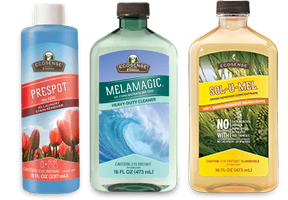
Spray concentrated Pre-spot Plus on areas ants congregate (don’t use on wood). For heavier concentrations and black ants, combine 1 ounce of MelaMagic and 1 ounce of Sol-U-Mel in a 16 ounce spray bottle and fill with water.
Armyworm caterpillars.
Mix 1/2 cup of MelaMagic in two gallons of water to spray. Spray cocoon, nest, and any webs you see. This will also help cutdown on succeeding generations as well as with the ant invasion that follows the armyworms.

All purpose home made spray.
A safe and non-toxic bug spray can be made from a combination of ¼ cup of Sol-U-Mel, five drops of T36-C5, 1 teaspoon of Tough & Tender, and 14 ounces of water. Or you can just get the Natural Insect Repellent. (Which we happen to love!)


Whether you’re a mother, father, sister, brother, or roommate, no one likes dirty dishes. That is why we’re celebrating National No Dirty Dishes Day today.
It’s probably a holiday most created by an upset parent, spouse or room mate fed up with cleaning up the mess. I’d like to think sinks around the world are rejoicing at the thought of having a light workload and a clear space on today. So keep sinks happy, and do your part by saying, “NO” to dirty dishes.
This is a day that gives us all a break from the regular daily routine. There are two options for this day. You can eat all meals out. If that is possible, would also be a bonus treat. Or, you can use disposable paper plates, cups and silverware. To stay earth friendly, choose ones that are biodegradable, just like my favorite dish detergent, Lemon Bright! I just love a clean sink, don’t you?


Skin cancer affects people of all ages, including older adults. Get the facts: https://bit.ly/23iRJFh!

I do! Mine is Sol-U-Guard Botanical.
Sol-U-Guard Botanical allows me to clean my home without putting my family’s health at risk.
Did you know? One single bacteria cell can multiply into over a billion in just 24 hours.

Sol-U-Guard Botanical kills 99.9% of household germs using the ingredients thyme oil and citric acid. I just simply spray it on any hard, non-porous surface and let it dry. Disinfecting my home has never been easier!
#americasbestkeptsecret #gymeverymornig #killsgermsnotlungs!

Essential oils have earned their place among those who enjoy and benefit from aromatherapy. From easing nausea to decreasing anxiety, these natural, plant-derived products have been central in the lives of many generations, and today they have become part of the natural cure-all trend.
While seemingly safe and advantageous for people, essential oils and pets may be a terrible combination.
Essential oils are highly concentrated compounds derived from plant roots, stems, flowers, leaves and seeds. In addition to applying them as holistic treatments, essential oils can be used in various personal, household and cleaning products.
Essential oils offer numerous healing benefits to people, and although they are natural they may not be safe for your pet. They can present risks to your pet if inhaled, ingested or absorbed into the skin. Just as there are many plants that are considered toxic, irritating, or known to trigger allergic reactions in some animals, essential oils and pets do not safely mix.
The combination of essential oils and pets can be particularly worrisome because there are so many possible ways pets can be exposed to them. Believe it or not, essential oil diffusers, liquid potpourri products, room sprays, air fresheners and more can place your furry companions at risk. Just like humans, animals that have breathing problems, such as asthma, can exhibit labored breathing, excessive panting, or wheezing when exposed to essential oils.
Oils mixed with water molecules and diffused into the air can land on the fur or skin of household pets. They may not only cause irritation to the surface area but if licked and ingested, the following serious symptoms can occur:

Cats are more sensitive than dogs when it comes to essential oils because they lack a specific enzyme needed to protect the liver from noxious fumes. They may suffer gastrointestinal upset, depression of the central nervous system, and liver damage if overexposed to essential oils.
Additionally, other small animals, birds, and those with compromised immunity deserve an added layer of protection from various essential oils that include:
The bottom line with essential oils and pets is to simply keep them apart. If you must use them, be sure your pet is not in the same room. Keep all products out of their reach. If you use them topically, do not allow your pet to lick your skin. Know the signs of toxicity and seek help right away.While there are commercial products available that are advertised at pet-safe or even pet-healthy, we encourage you to discuss your pet’s health with your veterinarian prior to making any changes.
It’s best to err on the safer side.
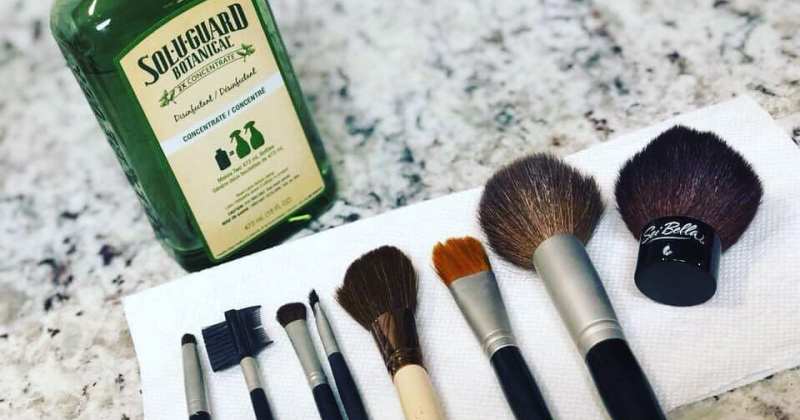
Cleaning your makeup brushes once a week is VERY important to combat bacteria and maintain healthy skin. Plus, regular cleaning helps promote the longevity of those “oh-so-expensive” brushes. I know I have a few favorite brushes and I want them to last as long as possible.
I’ve discovered a safe disinfectant that does a great job, strong and harsh chemical free, so it’s safe enough to clean my brushes while destroying 99.9% of the bacteria.
What is it? It’s the same stuff I use to clean my kitchen and countertops! I can do a simple soak and rinse and let them air dry. The brushes are like new. When I don’t have time to soak the brushes, I just spray them and wipe them down for a quick clean. this amazing stuff really kills the bacteria and no diluting is needed.
| Safer Household Website |
Without knowing it, hundreds of millions of people are exposed to toxic mold every single day by touch, breathing or ingestion—and they don’t even know it.
Mold is silent, shifting and threatens our well-being. It can grow behind walls, below floors and even makes a home in our food. What you might not realize is, mold can make you very sick and in some cases, even be deadly.
People often underestimate the crippling effects that mold has on our bodies. If the growth of mold isn’t managed, it can overload and break down your immune system. When someone is suffering from mold toxicity, they are often left confused and frustrated trying to figure out the root cause of their illness. Use this Helpful Home 5-Minute Mold Test to find out if your home is exposed to mold spores.
Some molds release poisonous, invisible chemicals known as mycotoxins that are difficult, but not impossible, to kill. These mycotoxins will make their home all around your environment, contaminating everything you own from furniture to your clothes. These biotoxins travel through the body distressing immunity, joints, the nervous system, and more. They change how you think, how you feel and even how long you live.
Apart from mycotoxins, molds also generate irritants and allergens that trigger reactions often related to a person’s sensitivities. For example, studies show that 25-28% of North Americans are genetically predisposed to have problems with water-damaged buildings. This spray can help to prevent and clean mold buildup in your home.
Long-term mold exposure symptoms
Chronic mold toxicity is repeatedly misdiagnosed because of its collection of symptoms that resemble other diseases and syndromes. It’s habitually mistaken for and pooled together as Lyme Disease, Celiac Disease, Fibromyalgia, Chronic Fatigue Syndrome and more.
Research shows that long exposure to mold toxicity can cause:
Mold and its hiding places
About 50% of the buildings in the United States have water damage, so there’s a good chance you have been exposed. Mold flourishes in damp, poorly ventilated areas. Sometimes it starts with a plumbing problem, a leak in your roof or the aftermath of a flood. Anywhere you can find water, mold can unexpectedly develop—drywall, underneath carpeting, in wood and poor construction materials.
Check your HVAC system, as dirty HVAC systems collect dust and moisture, making them a perfect Petri dish for growing mold—even if you don’t have a leak.
Mold is known to multiply in damp, dark places, but of the toughest strains grow in dry, arid climates.
Besides finding molds in the environment, there are also molds in food. Foods that are higher in mycotoxins are grains, nuts, chocolate, coffee, and wine. If you are sensitive to mold in your surroundings, you’re more likely to be vulnerable to the mold or yeast in your food.
Molds are one part of the total environmental load put on your body. On a daily basis, we’re exposed to pesticides, solvents, chemicals, various bacteria, and viruses. So many things can happen to our bodies when our environments aren’t optimal, making us weak. If you are looking for high-performance, high energy, and high focus, eliminating toxic mold exposure is critical.
What to do about Toxic Mold exposure
The medical community is aware of many of mold’s effects and symptoms and mold research studies are growing—meaning, mold is getting more mainstream media coverage. If you suspect mold might be a problem for you, getting informed is the first step to tackling mold. The good news is that, once you remove the threat of mold, your body will likely respond with a recovery protocol and return to normal.
As mold awareness grows, so have the resources, check these out:
Test For Mold Exposure In Your Environment
The most widely used test is the ERMI (Environmental Relative Moldiness Index), initially developed by the EPA. Take samples from your office, home and wherever you spend time. Test your space before you do anything; disturbing mold spores can make the situation worse.
Work With A Professional Mold Remediation Expert
If your test comes back positive, work with a mold remediation professional to identify all of the sources of mold in your space and find where the humidity is trapped. You’ll also need to use a contractor grade drying system. After repairing leaks, clearing air exchanges and mold removal, you’ll need to test once again to make sure all of the spores are absent before rebuilding or moving back in.
Support Your Body
Stay away from foods that feed or contain yeast, mold and fungus like refined and added sugars. You can add supplements that aid in the recovery and removal of toxins like Glutathione, activated charcoal and products that help you rebuild and restore your mitochondria.
Whether you’re experiencing minor to major immune responses, contact with toxic mold always comes at a biological cost. Our bodies respond to our surroundings and by eliminating those toxins, you can free up your biological resources to do something else in life.

National Spring Cleaning week
Those friendly little scrub brushes pictured on Scrubbing Bubbles® Foaming Bleach Bathroom Cleaner look so cute, don’t they? The comercials are fun and cute too. What isn’t cute is the toxic chlorine bleach this product uses to clean. Bleach is toxic to people, animals, and our environment and it can irritate your nose, eyes, skin, and lungs. That’s why the label on every bottle of Scrubbing Bubbles recommends you use it in a “well-ventilated” area and wear protective gloves!
The hazards of common cleansers aren’t just hearsay. New research shows that toxic cleaning agents, like those found on grocery store shelves, are more damaging to human health than had been previously understood! A new, independent study based on 20 years of research reveals that cleaning with products like Scrubbing Bubbles as little as once per week is as damaging over time to your lungs as smoking a pack of cigarettes a day for 20 years! In fact, the researchers concluded that toxic, airborne ingredients like the vapors from chlorine bleach used in the cleaning products sold at grocery stores are among the most dangerous culprits.
Of course, none of this surprised me. I’ve been aware of the dangers of grocery store cleaning products for decades because of my asthma and allergies. That’s why I was thrilled to find a manufacturer who has been developing safer, more effective alternatives to accomplish all of my household chores without subjecting me or my family to the toxic chemical agents used in so many of today’s cleaning products.
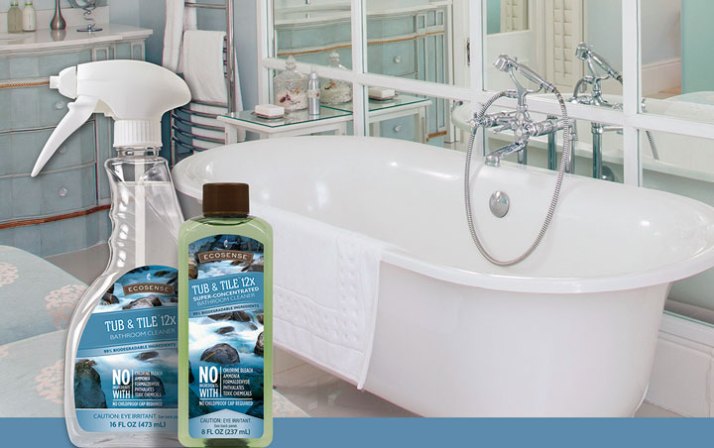
My bathroom cleaner is the perfect example of a safer, more effective alternative. It delivers superior results without any of the toxic side effects. Soap scum and water spots dissolve harmlessly with the power of citric acid—the kind found in lemons. My health isn’t endangered and my family isn’t put at risk when rinse my tub, sinks, and showers. It smells great and cleans fast leaving shining surfaces.
I don’t know what you use, but in our house it isn’t open for discussion. I’m glad I got the toxic chemicals out of my home…it’s improved the health of my family and my home environment and that’s what matters to me. The toxic ingredients in Scrubbing Bubbles cleaners are harmful to women and every family member—they leave behind a toxic chemical footprint. All my cleaser leaves behind is a fresh fragrance, a sparkling clean bathroom, and incomparable peace of mind.
