

As winter kicks into high gear, we need to remember to keep our skin from withering under the harshest of elements. The dropping temperatures outside and rising thermostats inside sap the amount of moisture in the air—and our skin is first to notice the fluctuating temps and humidity.
Here are a few recommendations to help keep skin hydrated throughout the winter. When the chill sets in, avoid the temptation to take those long, luxurious, hot showers. The heat strips skin of its natural oils (called ceramides) and causes inflammation. The hot shower also causes the skin cells to swell, so, when they dry, they become loose and crack. Instead, take shorter, lukewarm showers and use gentle cleansers. Harsh soaps with surfactants and claims of pH balance can be harsh on the skin—and don’t scrub! Be tender and let the water and lather do the work.
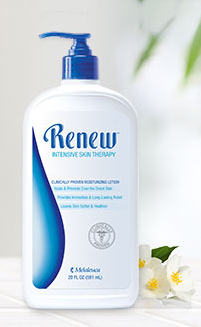
If you have dry, cracked skin, look for a cream or ointment with light petrolatum, allantoin, glycerin, hyaluronic acid and ceramides – the natural fats that bind the skin cell tiles.
After bathing, pat the skin dry with a soft towel. Rubbing causes more irritation and inflammation. With the door closed to keep the humidity in, add a moisturizer. When dressing, wear layers. The closest layer should be made of natural fibers. Soft fabrics like flannel and cotton cause little to no irritation compared to synthetic materials. Layers also are more effective against cold weather.
Winter skin relief comes many forms. Our skin needs hydration at night, too. Adding humidity to the air with a cool mist humidifier will not only hydrate your skin but will also provide a more restful sleep.


 Hayseeds Creative