

Try these tips to build more #PhysicalActivity into your busy schedule: http://bit.ly/1uoHJe8
Category: exercise

National Learn to Swim Day
National Learn to Swim Day is observed annually on the third Saturday in May. This day is dedicated to educating parents and children about water safety. Before Memorial Day Weekend and the start of summer, it is an opportunity for families to learn the importance and benefits of learning to swim. While swimming is enjoyed by all ages the year-round, summer is a time when we take to the lakes, rivers and outdoor pools. Because of the risks involved when one is in the water, safety and knowledge, from the earliest age, is vital.
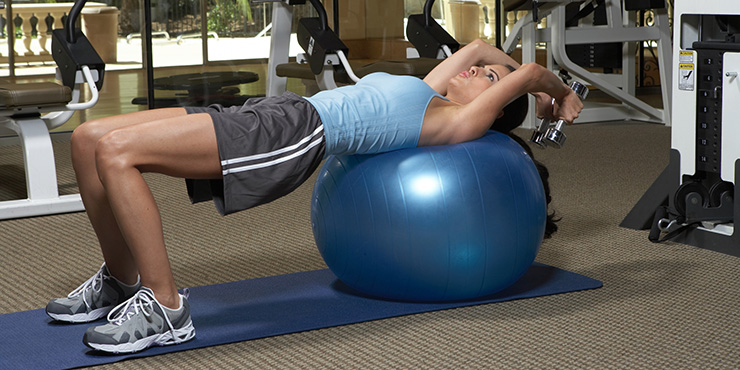
Strength training
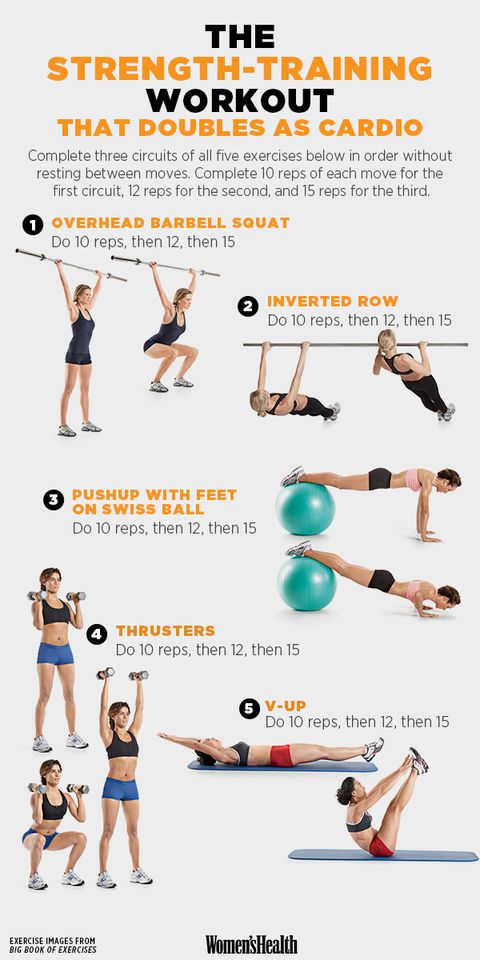
Strength training involves using free weights, weightlifting machines, resistance bands, or your own body weight to make your muscles stronger. Lower-body strength training will improve your balance and prevent falls.
Strength training may help you:
- build and maintain strong muscles as you get older
- continue to perform activities of daily living, such as carrying groceries or moving furniture
- keep your bones strong, which may help prevent osteoporosis and fractures
If you are just starting out, using a weightlifting machine may be safer than dumbbells. As you get fit, you may want to add free-weight exercises with dumbbells.
You do not need a weight bench or large dumbbells to do strength training at home. You can use a pair of hand weights to do bicep curls. You can also use your own body weight: for example, get up and down from a chair.
Strength training may help you build and maintain stronger muscles as you get older.
Proper form is very important when lifting weights. You may hurt yourself if you don’t lift weights properly. You may want to schedule a session with a certified fitness professional to learn which exercises to do and how to do them safely. Check with your health insurer about whether your health plan covers these services.
If you decide to buy a home gym, check how much weight it can support to make sure it is safe for you.
Strength-training tips:
- Aim for at least two days per week of strengthen-training activities.
- Try to perform each exercise 8 to 12 times. If that’s too hard, the weight you are lifting is too heavy. If it’s too easy, your weight is too light.
- Try to exercise all the major muscle groups. These groups include the muscles of the legs, hips, chest, back, abdomen, shoulders, and arms.
- Don’t work the same muscles two days in a row. Your muscles need time to recover.
Make physical activity part of your life
You don’t need to be an athlete or have special skills or equipment to make physical activity part of your life. Many types of activities you do every day, such as walking your dog or going up and down steps at home or at work, may help improve your health.
Try different activities you enjoy. If you like an activity, you’re more likely to stick with it. Anything that gets you moving around, even for a few minutes at a time, is a healthy start to getting fit.
Walking
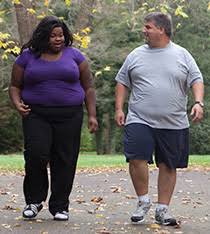
Walking is free and easy to do—and you can do it almost anywhere. Walking will help you
- burn calories
- improve your fitness
- lift your mood
- strengthen your bones and muscles
If you are concerned about safety, try walking in a shopping mall or park where it is well lit and other people are around. Many malls and parks have benches where you can take a quick break. Walking with a friend or family member is safer than walking alone and may provide the social support you need to meet your activity goals.
If you don’t have time for a long walk, take several short walks instead. For example, instead of a 30-minute walk, add three 10-minute walks to your day. Shorter spurts of activity are easier to fit into a busy schedule.
If you don’t have time for a long walk, take several short walks instead.
Walking tips
- Wear comfortable, well-fitting walking shoes with a lot of support, and socks that absorb sweat.
- Dress for the weather if you are walking outdoors. In cold weather, wear layers of clothing you can remove if you start getting too warm. In hot weather, protect yourself against the sun and heat.
- Warm up by walking more slowly for the first few minutes. Cool down by slowing your pace.
Workout clothing tips

- Clothes made of fabrics that absorb sweat are best for working out.
- Comfortable, lightweight clothes allow you to move more easily.
- Tights or spandex shorts are the best bottoms to wear to prevent inner-thigh chafing.
- Women should wear a bra that provides extra support during physical activity.

Choosing physical activities that match your needs
Choosing physical activities that match your fitness level and health goals can help you stay motivated and keep you from getting hurt. You may feel some minor discomfort or muscle soreness when you first become active. These feelings should go away as you get used to your activity. However, if you feel sick to your stomach or have pain, you may have done too much. Go easier and then slowly build up your activity level. Some activities, such as walking or water workouts, are less likely to cause injuries.
If you have been inactive, start slowly and see how you feel. Gradually increase how long and how often you are active. If you need guidance, check with a health care or certified fitness professional.
Here are some tips for staying safe during physical activity:
- Wear the proper safety gear, such as a bike helmet if you are bicycling.
- Make sure any sports equipment you use works and fits properly.
- Look for safe places to be active. For instance, walk in well-lit areas where other people are around. Be active with a friend or group.
- Stay hydrated to replace the body fluids you lose through sweating and to prevent you from getting overheated.
- If you are active outdoors, protect yourself from the sun with sunscreen and a hat or protective visor and clothing.
- Wear enough clothing to keep warm in cold or windy weather. Layers are best.
Stay hydrated to replace the body fluids you lose through sweating.
If you don’t feel right, stop your activity. If you have any of the following warning signs, stop and seek help right away:
- pain, tightness, or pressure in your chest or neck, shoulder, or arm
- extreme shortness of breath
- dizziness or sickness
You can find many fun places to be active. Having more than one place may keep you from getting bored. Here are some options:
- Join or take a class at a local fitness, recreation, or community center.
- Enjoy the outdoors by taking a hike or going for a walk in a safe local park, neighborhood, or mall.
- Work out in the comfort of your own home with a workout video or by finding a fitness channel on your TV, tablet, or other mobile device.
Tips for choosing a fitness center
- Make sure the center has exercise equipment for people who weigh more and staff to show you how to use it.
- Ask if the center has any special classes for people just starting out, older adults, or people with mobility or health issues.
- See if you can try out the center or take a class before you join.
- Try to find a center close to work or home. The quicker and easier the center is to get to, the better your chances of using it often.
Make sure you understand the rules for joining and ending your membership, what your membership fee covers, any related costs, and the days and hours of operation.
Check with a health care professional about what to do if you have any of these warning signs. If your activity is causing pain in your joints, feet, ankles, or legs, you also should consult a health care professional to see if you may need to change the type or amount of activity you are doing.

Fitness tip: Start slow!
Then add a little more activity each time #GetActive. Get more tips: http://bit.ly/2foDqhe


Staying active at any size
Physical activity may seem hard if you’re overweight. You may get short of breath or tired quickly. Finding or affording the right clothes and equipment may be frustrating. Or, perhaps you may not feel comfortable working out in front of others.
The good news is you can overcome these challenges. Not only can you be active at any size, you can have fun and feel good at the same time.
Research strongly shows that physical activity is safe for almost everyone. The health benefits of physical activity far outweigh the risks.1
If you have problems moving or staying steady on your feet, or if you get out of breath easily, talk with a health care professional before you start. You also should talk with a health care professional if you are unsure of your health, have any concerns that physical activity may be unsafe for you, or have:
- a chronic disease such as diabetes, high blood pressure, or heart disease
- a bone or joint problem—for example, in your back, knee, or hip—that could get worse if you change your physical activity level

Being active may help you live longer and protect you from developing serious health problems, such as type 2 diabetes, heart disease, stroke, and certain types of cancer. Regular physical activity is linked to many health benefits, such as:
• healthy bones, muscles, and joints
• lower blood pressure and blood glucose, or blood sugar
• a strong heart and lungs
• better sleep at night and improved mood
The Physical Activity Guidelines for Americans, 2nd edition defines regular physical activity as a minimum of 150 minutes a week of moderate-intensity aerobic activity, such as brisk walking. Brisk walking is a pace of three miles per hour or faster. A moderate-intensity activity makes you breathe harder but does not overwork or overheat you. You should also do muscle-strengthening activities at least two days a week.
You may reach this goal by starting with five minutes of physical activity several times a day, five to six days a week. You could then gradually work up to 10 minutes per session, three times a day. If you do even more activity, you may gain even more health benefits.1
When combined with healthy eating, regular physical activity may also help you control your weight. However, research shows that even if you can’t lose weight or maintain your weight loss, you still can enjoy important health benefits from regular physical activity.
Physical activity also can be a lot of fun if you do activities you enjoy and are active with other people. Being active with others may give you a chance to meet new people or spend more time with family and friends. You also may inspire and motivate one another to get and stay active.

Did you know…some activity is better than none
Physical activity is any form of exercise or movement of the body that uses energy. Some of your daily life activities—doing active chores around the house, yard work, walking the dog—are examples. The more you do, the greater the health benefits and the better you’ll feel.
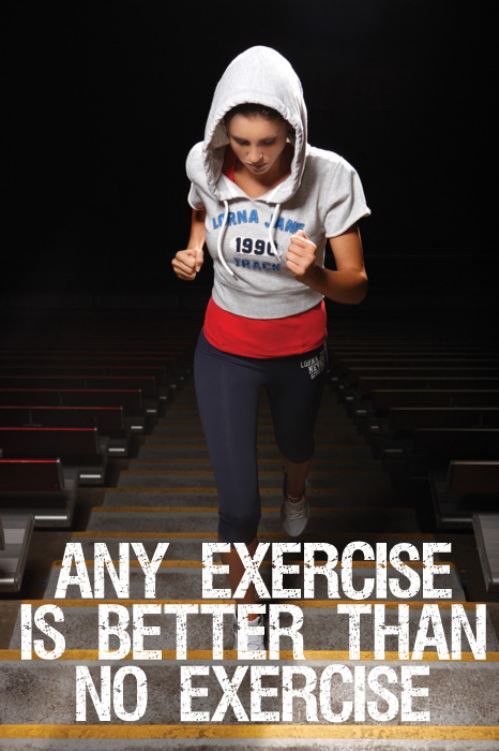
To get the health benefits of physical activity, include activities that make you breathe harder and make your heart and blood vessels healthier. These aerobic activities include things like brisk walking, running, dancing, swimming, and playing basketball. Also include strengthening activities to make your muscles stronger, like push-ups and lifting weights.
The good news?
People of all types, shapes, sizes, and abilities can benefit from being physically active. If you have a disability, choose activities that work for you. Talk with your health care team about the amount and types of activities that are right for your ability or condition.

National Physical Fitness and Sports Month
Regular physical activity is good for everyone’s health, and people of all ages and body types can be physically active. National Physical Fitness and Sports Month is a great time to become more active.
Did you know that regular physical activity increases your chances of living a longer, healthier life? It also reduces your risk for high blood pressure, heart disease, and some types of cancer. Yet most people don’t get the recommended amount of physical activity.
Here are just a few benefits of physical activity:
- Children and adolescents – Improve muscular fitness, bone health, and heart health
- Adults – Lower the risk of heart disease, type 2 diabetes, and some types of cancer
- Older adults – Lower the risk of falls and improve cognitive functioning (like learning and judgment skills)
Here are just a few ideas to increase physical activity:
- Start by making small changes, like taking a walk after dinner or going for a bike ride.
- Motivate teachers and administrators to make physical activity a part of every student’s day.
- Identify youth leaders in the community who can talk to their peers about the importance of being active.

The Physical Activity Guidelines for Americans recommend that adults:
- Aim for at least 2 hours and 30 minutes of moderate-intensity aerobic activity each week. This includes things like walking fast, dancing, swimming, and raking leaves.
- Do muscle-strengthening activities – like lifting weights or using exercise bands – at least 2 days a week.
Physical activity good is for everyone’s health. No matter what shape you are in, you can find activities that work for you. Together, we can rise to the challenge and get more active during the month of May!
During the month of May, we challenge all adults to get active every day!
Lose a pound lose some pressure

