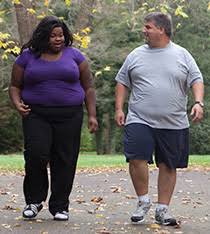


Exercise may lower cancer risk, and newer evidence also suggests it may improve outcomes after diagnosis. The strongest message from the research is consistent: more physical activity is better than none, and even walking can make a meaningful difference. 3 11
Exercise Can Lower Your Cancer Risk
A recent study published in the British Journal of Sports Medicine examined physical activity before cancer diagnosis and found that people with moderate to high activity levels had better outcomes than those with no activity. 2 Among participants with stage 1 cancers, moderate to high activity was associated with 27% lower odds of cancer progression and 47% lower odds of death from any cause compared with no activity. 2
That finding fits a broader body of research showing that physical activity is linked to lower cancer risk and better cancer outcomes. 1 6 8 The CDC states that physically active adults have a significantly lower risk of developing several common cancers, including bladder, breast, colon, endometrial, esophageal, kidney, lung, and stomach cancers. 11
Why Exercise Matters
Exercise appears to help in several ways, including supporting healthy body weight and improving overall health, which may reduce cancer risk. 9 11 Cancer Research UK notes that being physically active lowers cancer risk by helping people maintain a healthy weight, and may also lower breast and bowel cancer risk through mechanisms not fully explained by weight alone. 9
Research reviews also show that physical activity can reduce fatigue, improve quality of life, and lessen anxiety and depression in people with cancer. 6 1 In oncology, many guidelines still point to a practical target of about 150 minutes of moderate-intensity activity per week, plus strength training twice weekly when appropriate. 1 14
The Practical Takeaway
If you already exercise, keep going. If you do not, start small. Medical experts quoted in a University of Michigan Health article recommend beginning with a simple 10-minute brisk walk and building from there, and they note that exercising with a friend can improve both motivation and accountability. 13
You could turn that into a simple habit:
- Walk after dinner with your spouse or partner. 13
- Treat workouts like appointments and schedule them ahead of time. 13
- Start with walking if that feels realistic, then add time or intensity gradually. 1 13
- Add strength training when you are ready. 1 15
A Note of Caution
Exercise is widely recommended for prevention and survivorship, but it is not a standalone cancer prevention strategy and does not replace medical care. 5 1 People with cancer or those recovering from treatment should check with their doctor before starting a new exercise routine. 1
https://www.cancer.gov/news-events/press-releases/2025/light-intensity-physical-activity-cancer-risk