Your local hospital or fitness, recreation, or community center may offer classes such as yoga, tai chi, or Pilates. You also may find some of these workouts online and can download them to a computer, smart phone, or other device. These types of activities may help you:
become stronger and more flexible
feel more relaxed
improve balance and posture
These classes also can be a lot of fun and add variety to your workout routine. If some movements are hard to do or you have injuries you are concerned about, talk with the instructor about how to adapt the exercises and poses to meet your needs—or start with a beginner’s class.
Now that warmer weather is here, I find I spend more time out in my yard and garden. Finding natural and safe products can sometimes be an issue, but I have found some safe and affordable lawn and gardening care alternatives using my everyday household products.
For killing weeds. I mix 1/4 cup Tough & Tender with 1 gallon vinegar and two cups salt. Apply to trouble spots. For stronger, hardier weeds I add 1/2 Lemon Bright dish soap. The soap is needed to break through the weed’s protective coating. Here is a “how-to” video: https://youtu.be/tINbAl37hvo
Ridding the lawn of gnats, “no seeums” and mushrooms. Spray the lawn with a diluted mixture of Tough & Tender in a lawn sprayer unit. It will kill the little gnats as well as mushrooms that grow in your yard. (Tough & Tender is my go-to cleaning product, It’s one thing we are never out of there are so many uses for it!)
Killing “Yard Bugs”. Mix 1 cup of Lemon Brite dish soap and 1 cup of pre-mixed Breath-Away Mouthwash into a 20 gallon hose-end sprayer and soak your lawn, garden beds and trees to the point that the fluid is running off. Bugs HATE it!
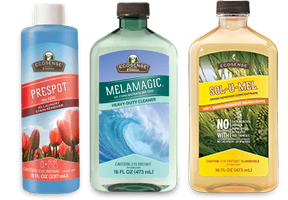
Killing Ants. Spray concentrated Pre-spot Plus on areas ants congregate (don’t use on wood). For heavier concentrations and black ants, combine 1 ounce of MelaMagic and 1 ounce of Sol-U-Mel in a 16 ounce spray bottle and fill with water.
Armyworm caterpillars. Mix 1/2 cup of MelaMagic in two gallons of water to spray. Spray cocoon, nest, and any webs you see. This will also help cutdown on succeeding generations as well as with the ant invasion that follows the armyworms.
All purpose home made spray. A safe and non-toxic bug spray can be made from a combination of ¼ cup of Sol-U-Mel, five drops of T36-C5, 1 teaspoon of Tough & Tender, and 14 ounces of water. Or you can just get the Natural Insect Repellent. (Which we happen to love!)
National Learn to Swim Day is observed annually on the third Saturday in May. This day is dedicated to educating parents and children about water safety. Before Memorial Day Weekend and the start of summer, it is an opportunity for families to learn the importance and benefits of learning to swim. While swimming is enjoyed by all ages the year-round, summer is a time when we take to the lakes, rivers and outdoor pools. Because of the risks involved when one is in the water, safety and knowledge, from the earliest age, is vital.
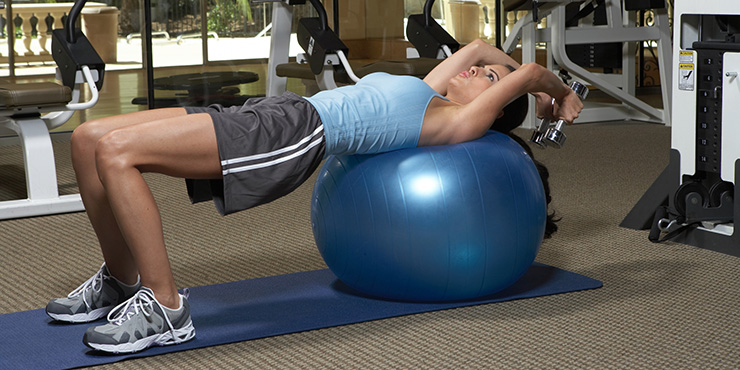
Strength training involves using free weights, weightlifting machines, resistance bands, or your own body weight to make your muscles stronger. Lower-body strength training will improve your balance and prevent falls.
Strength training may help you:
build and maintain strong muscles as you get older
continue to perform activities of daily living, such as carrying groceries or moving furniture
keep your bones strong, which may help prevent osteoporosis and fractures
If you are just starting out, using a weightlifting machine may be safer than dumbbells. As you get fit, you may want to add free-weight exercises with dumbbells.
You do not need a weight bench or large dumbbells to do strength training at home. You can use a pair of hand weights to do bicep curls. You can also use your own body weight: for example, get up and down from a chair.
Strength training may help you build and maintain stronger muscles as you get older.
Proper form is very important when lifting weights. You may hurt yourself if you don’t lift weights properly. You may want to schedule a session with a certified fitness professional to learn which exercises to do and how to do them safely. Check with your health insurer about whether your health plan covers these services.
If you decide to buy a home gym, check how much weight it can support to make sure it is safe for you.
Strength-training tips:
Aim for at least two days per week of strengthen-training activities.
Try to perform each exercise 8 to 12 times. If that’s too hard, the weight you are lifting is too heavy. If it’s too easy, your weight is too light.
Try to exercise all the major muscle groups. These groups include the muscles of the legs, hips, chest, back, abdomen, shoulders, and arms.
Don’t work the same muscles two days in a row. Your muscles need time to recover.
You don’t need to be an athlete or have special skills or equipment to make physical activity part of your life. Many types of activities you do every day, such as walking your dog or going up and down steps at home or at work, may help improve your health.
Try different activities you enjoy. If you like an activity, you’re more likely to stick with it. Anything that gets you moving around, even for a few minutes at a time, is a healthy start to getting fit.
Walking
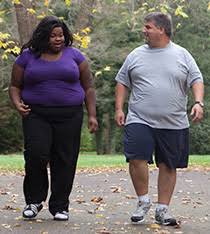
Walking is free and easy to do—and you can do it almost anywhere. Walking will help you
burn calories
improve your fitness
lift your mood
strengthen your bones and muscles
If you are concerned about safety, try walking in a shopping mall or park where it is well lit and other people are around. Many malls and parks have benches where you can take a quick break. Walking with a friend or family member is safer than walking alone and may provide the social support you need to meet your activity goals.
If you don’t have time for a long walk, take several short walks instead. For example, instead of a 30-minute walk, add three 10-minute walks to your day. Shorter spurts of activity are easier to fit into a busy schedule.
If you don’t have time for a long walk, take several short walks instead.
Walking tips
Wear comfortable, well-fitting walking shoes with a lot of support, and socks that absorb sweat.
Dress for the weather if you are walking outdoors. In cold weather, wear layers of clothing you can remove if you start getting too warm. In hot weather, protect yourself against the sun and heat.
Warm up by walking more slowly for the first few minutes. Cool down by slowing your pace.
Workout clothing tips
Clothes made of fabrics that absorb sweat are best for working out.
Comfortable, lightweight clothes allow you to move more easily.
Tights or spandex shorts are the best bottoms to wear to prevent inner-thigh chafing.
Women should wear a bra that provides extra support during physical activity.
Yes, first—above your kids, your husband and your job. The longer you go without taking care of yourself, the more severe the consequences. For this Mothers’ day here are some ways you can put yourself first—with your family benefitting most.
1. Eat well. You can be a healthy role model for your kids – they follow your lead. If you aren’t eating well, neither will they.
2. Exercise. Your children should see that mom values her health and enjoys exercise. Maybe your partner will also be inspired by your increased energy. The whole family will benefit from you being less stressed and less tired.
3. Reclaim just a little personal time each day. Ask for a small block of time from your spouse or a friend, or get a babysitter so you can recharge. Don’t feel guilty about taking care of yourself!
4. Drink water. Dehydration will lead to a feeling of exhaustion. To keep your body healthy and your energy up, make sure you drink at least 64 ounces of water each day.
5. Date night. Make your marriage a priority and get out for some grown-up time. Connecting and communicating with your significant other is good for your health.
6. Take a bath. Water is soothing to the body and the brain. Pour in your favorite bubbles, light a candle and take a dip. This small ritual can be quite replenishing.
7. Connect with a friend. Research shows that women gain health benefits from friendships, so carve out some time to connect with your friends. If you don’t have time for a mom’s night out, consider an online coffee date. Oxytocin, our feel good hormone, spikes after childbirth and also during friendship.
8. Laugh. Children laugh about 300 times per day, whereas adults laugh about five. Our entire sense of life lightens when we laugh. Listen to a podcast, get a joke of the day or just giggle with your kids.
9. Touch therapy. Feel-good hormones such as serotonin, dopamine and oxytocin are released from touch therapy such as massage. Consider it body maintenance!
10. Give Gratitude. Women who feel grateful have more energy and happiness. Create a gratitude journal and write in it each day. As a mom, the days are long, but the years go by far too fast. Being thankful may help you appreciate each day a little more.









 Hayseeds Creative