This is a healthy snacking secret. When I want something delicious, filling and refreshing for my 3:00 p.m. snack, I reach for Blueberry Attain with revolutionary, natural CraveBlocker®. This simple shake helps stop cravings at both critical sources, putting me back in control. I have been able to manage and lose weight without feeling irritable or hungry all the time—and I don’t deprive myself of the nutrition I need. Controlling my cravings is an essential part of losingand keeping weight off for good. Since it is blueberry month, I blended in a few fresh blueberrys for an added jolt of antioxidants.
My Blueberry breakfast specialis Blueberry Simply Fit Granola.
We like it because it is simply wholesome granola. There is no artificial flavoring, color or ingredients. It’s baked and every bite is filled with crisp, old-fashioned goodness. It has whole oats, fiber, protein, and ALA omega-3s from flax to create lasting satisfaction. We love it we even added a few fresh berries today to celebrate blueberry month!
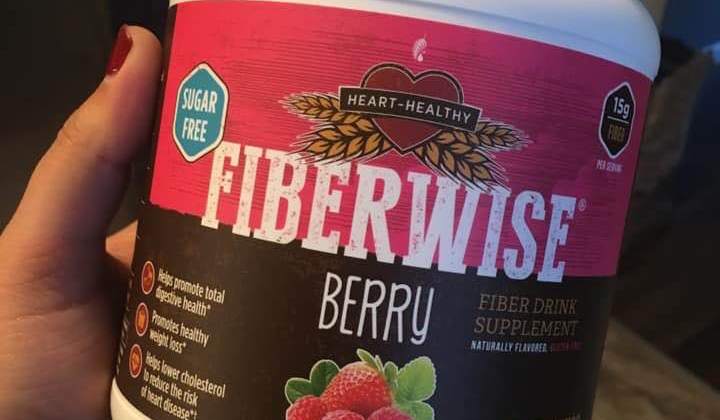
I never give this tub of berry goodness enough credit. It’s basically my daily detox. It’s fiber, you know, the body’s natural trash collector. Did you know that 85% of your immune system lives in your gut? Yep. That means both good bacteria and bad bacteria live within your digestive system. If that bacteria balance gets out of whack—like Goldilocks finding the “just right” porridge — an out of balance system can cause a whole slew of health issues. So much so, that researchers call the gut “our second brain.”
Irregularity, constipation, bloating, autoimmune disorders, food allergies/intolerance, leaky gut syndrome, acid reflux, joint pain, skin sensitivities, fatigue, brain fog, weight gain, inflammation, depression, anxiety, etc.—all of these— can be linked back to your gut health.
For me, Fiberwise helps with my weight loss journey and to keep my mental health in check too! When you physically feel better, your mental health follows!
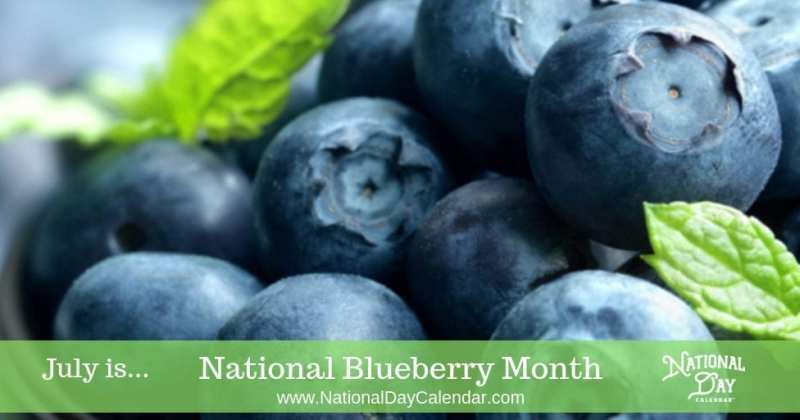
Since they are now in season, July is a great month to discuss the health benefits of blueberries. Did you know that blueberries are native to North America and are grown in 35 states? What’s more, they’re an ingredient in more than 4,000 products, from muffins to pet food to cosmetics—and to think it all started in New Jersey.
The popularity of blueberries can be credited directly to Elizabeth Coleman White and Frederick V. Coville, who, succeeded in hybridizing wild blueberry plants to create a new domestic blueberry industry. They began their work at the White family farm, Whitesbog, in Browns Mills, Burlington County an area known for cranberry bogs and the infamous Pine Barrens.
Although Washington and Georgia lead the country in terms of blueberry production, New Jersey is currently the fifth highest blueberry producing state in the U.S. Despite our state’s small size, New Jersey growers often register yields topping 56.7 million pounds of blueberries each year. Amazingly, over 80% of New Jersey’s blueberries are grown in Atlantic County and most of the blueberry harvest comes from a mere 8,800 acres.
Many of New Jersey’s blueberries are packaged at the Atlantic Blueberry Company at Hammonton.
Living in New Jersey, we are lucky enough to have picking areas nearby—fun for the whole family! They make a great snack all on their own or enhance a meal, make stellar desserts or sauces. Plus, these vibrant berries pack a punch in vitamins and health benefits.
Here are a few things blueberries can do for you:
#1: Blueberries are the #1 fruit with the highest antioxidant capacity. It beats out any other berry! These powerful antioxidants have been known to improve the immune system and prevent infections in the body (especially urinary tract infections.)
#2: Blueberries can help with weight loss. Blueberries have fewer than 100 calories in a cup, making it a healthy pick for snacking. There have also been numerous studies, linking blueberries to the loss of stomach fat.
#3: The deeper the color of a blueberry, the richer they are in antioxidants, vitamins and medicinal perks. Go for the darkest berries!
#4: Blueberries can reduce the risk of cancer. Anthocyanins (which give the fruit its hue) have been studied and known to attack cancer-causing free radicals in the body.
#5: Blueberries for the brain! Numerous studies have shown that blueberries can help reduce the risk of memory loss. Brain food at its finest
Summer is the time for the best outdoor cooking, so it is no surprise July is National Grilling Month.
Don’t let improperly prepared food ruin your summer. Use these grilling tips keep you grilling and enjoying the beautiful weather all season long.
Wash your hands. Use hand sanitizer when clean water isn’t readily available where you are grilling.
Keep food cold until you are ready to put them on the grill. Letting them sit allows bacteria to grow.
Don’t mix raw and cooked foods. Keep raw foods separate from each other. Once cooked, use a clean dish to place your final masterpiece. The bacteria from the raw food will contaminate the freshly cooked meal.
Keep hot food warm to at least 140 degrees Fahrenheit until ready to be placed in a cooler with ice or refrigerator to prevent bacteria growth. For salads and cold foods, keep them chilled on ice.
I drink a lot of water—it’s my favorite drink. But every now and then, I need a boost—something that will enhance my water habit as well as keep me refreshed and replenished.
A few years ago, I found this great product. It’s packaged so conveniently that I can always take with me. I use it for workouts and I will even add it to my water in restaurants.
The reason why I like Sustain® Sport is because it packs four electrolytes into each serving to give me what I need the most: proprietary complex of calcium, magnesium, sodium, and potassium. That’s twice as many as Gatorade® Thirst Quencher Original Orange!
I’ve found using this regularly on workouts, walks, or on hot summer days when I want a flavored drink. It helps to rehydrate and convert carbs into energy for school, work, activities, or sports. I’ve also noticed my walks and workouts last longer without fatigue and muscle cramps.
Even though it comes in five flavors, my favorite is the Ruby Red Grapefruit!
Games get intense under the hot summer sun and we need to replace fluids lost in the heat of battle.
Did you know the human body contains more than 60 percent water? Maintaining that balance while training is a challenge, doing it during the summer months is a practice that must be consistent. Becoming overheated or dehydrated can lead to heat stroke and possibly death.
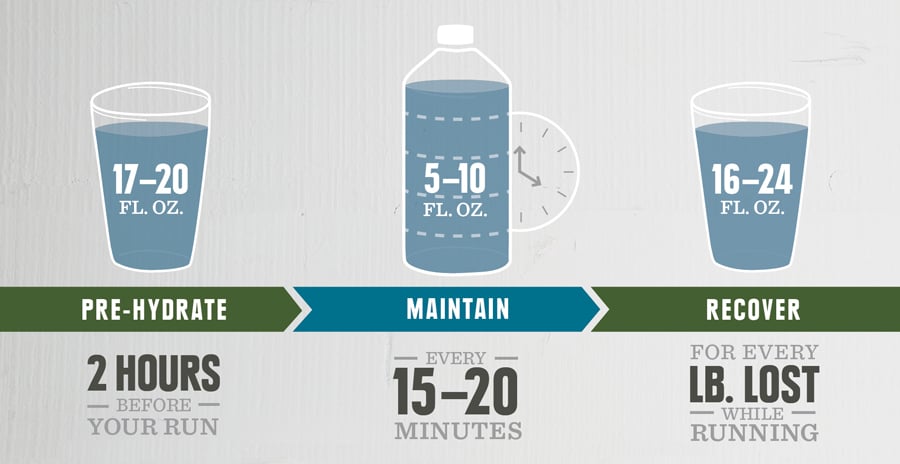
There are ways to help prevent dehydration. Being hydrated before a workout even begins is important. If you are under hydrated before you start it’s hard to catch up once the sweating starts. Drink plenty of fluids throughout the training. These can include sports drinks which contain electrolytes (Magnesium, Calcium, Sodium and Potassium) to replenish the essential minerals the body loses through perspiration.
My favorite product is Sustain which has the dual duty of protecting the athlete as well as providing essential electrolytes for maintaining hydration balance while the athlete trains, without adding excess sugar. Sustain can be used before, during, and after the workout, to continue fluid replenishment. It tastes great and is easy to bring on my workouts.
Today is National Eat Your Vegetables. June is National Fresh Fruit and Vegetables Month, and National Eat Your Vegetables Day reminds everyone that vegetables are an essential part of a healthy lifestyle.
As part of the main meal or as a snack, vegetables can be enjoyed in a variety of ways. Each vegetable has its own nutritional content though generally, they contain a little protein or fat and varying proportions of vitamins such as Vitamin A, Vitamin K and Vitamin B6, provitamins, dietary minerals and carbohydrates. They also contain a variety of other phytochemicals, some of which have antioxidant, antibacterial, antifungal, antiviral and anticarcinogenic properties. Many vegetables also contain fiber which is important for gastrointestinal function. Another benefit is the essential nutrients that vegetables contain that are necessary for healthy hair and skin.
When eating a diet consisting of the recommended amounts of fruits and vegetables, it may help lower the risk of heart diseases and type 2 diabetes. These diets may also help to decrease bone loss and protect against some cancers. The potassium provided may help prevent the formation of kidney stones.
It is recommended by the USDA Dietary Guidelines for Americans, to consume 3 to 5 servings of vegetables per day. This recommendation may vary, however, depending on age and gender. For most vegetables, one serving is equivalent of 1/2 to 1 cup and can be eaten either raw or cooked. Make sure you consume your recommended daily allowance of vegetables.
Celiac disease, and, more generally, gluten intolerance, is a growing problem worldwide, but especially in North America and Europe, where an estimated 5% of the population now suffers from it,” researchers wrote in a meta-analysis of nearly 300 studies.
They propose that glyphosate, the active ingredient in the herbicide, Roundup®, is the most important causal factor in this epidemic. The study, published in the journalInterdisciplinary Toxicology in 2013, was completely ignored by the media except for Mother Earth Newsand The Healthy Home Economist.
Now that glyphosate is getting the attention it deserves, being named as the culprit in a $280 million cancer lawsuit and labeled as a carcinogen by the World Health Organization and the state of California, it may be time to look at the chemical’s role in a related disease:
The symptoms of so-called “gluten intolerance” and celiac disease are shockingly similar to the symptoms in lab animals exposed to glyphosate. They study’s authors also reference a recent study on how glyphosate affects the digestive systems of fish. It decreased digestive enzymes and bacteria, disrupted mucosal folds, destroyed microvilli structure in the intestinal wall, and increased secretion of mucin — features highly reminiscent of celiac disease.
Additionally, the number of people diagnosed with gluten intolerance and celiac disease has risen in tandem with the increased use of glyphosate in agriculture, especially with the recent practice of drenching grains in the herbicide right before harvest, which started in the 1980s and became routine in the 1990s. While some suggest the recent surge in celiac disease is due simply to better diagnostic tools (which as you can see above happened around 2000), a recent study suggests it’s more than that.
In 2009, researchers looked for gluten antibodies in frozen immune serum obtained between 1948 and 1954 for gluten antibodies, and compared them with samples from people today. They found a 4-fold increase in the incidence of celiac disease in the younger generation. As further evidence the researchers make the following points:
“Celiac disease is associated with imbalances in gut bacteria that can be fully explained by the known effects of glyphosate on gut bacteria.”
“Celiac disease is associated with the impairment of cytochrome P450 enzymes. Glyphosate is known to inhibit cytochrome P450 enzymes.”
“Deficiencies in iron, cobalt, molybdenum, copper and other rare metals associated with celiac disease can be attributed to glyphosate’s strong ability to chelate these elements.”
“Deficiencies in tryptophan, tyrosine, methionine and selenomethionine associated with celiac disease match glyphosate’s known depletion of these amino acids.”
“Celiac disease patients also have a known increased risk for non-Hodgkin’s lymphoma, which has also been implicated in glyphosate exposure.”
“The incidence of non-Hodgkins lymphoma has increased rapidly in most Western countries over the last few decades. Statistics from the American Cancer Society show an 80% increase since the early 1970’s, when glyphosate was first introduced on the market.”
“Reproductive issues associated with celiac disease, such as infertility, miscarriages, and birth defects, can also be explained by glyphosate.”
Glyphosate residues in grain, sugar and other crops are increasing recently likely due to the growing practice of crop desiccation just prior to harvest, the researchers say. The secretive, illegal practice has become routine among conventional farmers since the 1990s. Ironically, the practice increases yields by killing the crops. Just before the plants die, they release their seeds in order to propagate the species.
Moral of the story? We need to go glyphosate-free, not gluten-free. And that means going organic, especially when it comes to grains and animals who eat those grains.
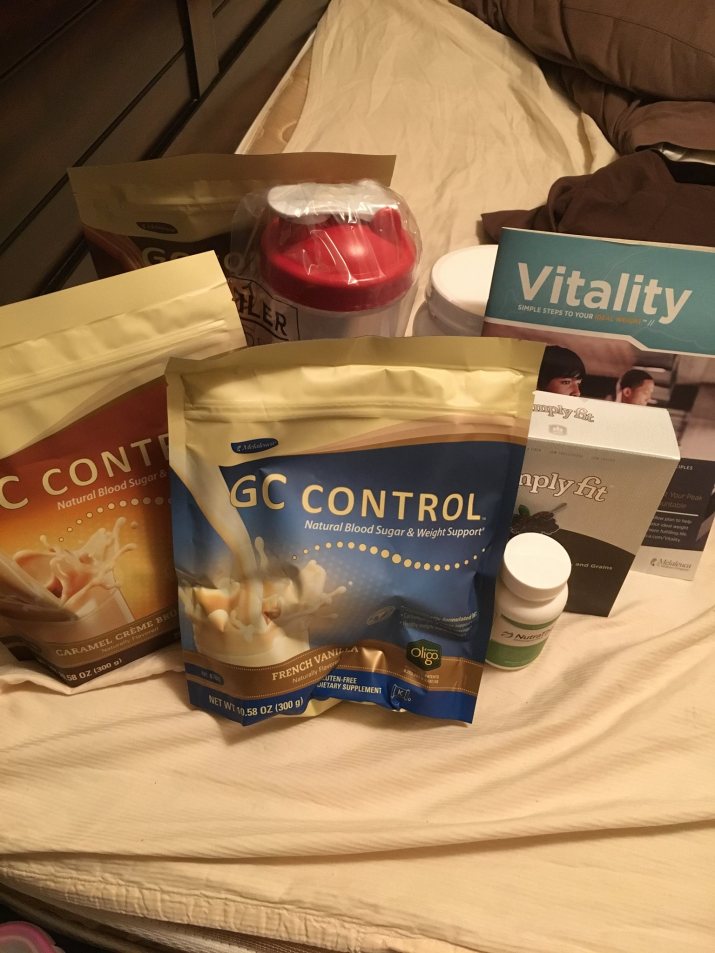
Sometimes when I eat something for breakfast, like cereal for instance, I find that around two to three hours later I start feeling peckish and a bit tired, instead of reaching for an ever-ready treat from the office kitchen (you know a donut or candy), I make one of these great GC Control shakes.
Not only do I love them for their taste, but they fill that “hole” and provide a boost in energy, getting me back on track. That’s because they provide me a better balance of protein and carbs that last far longer than a donut or candy bar. The link below explains why this product works so well.








 Hayseeds Creative