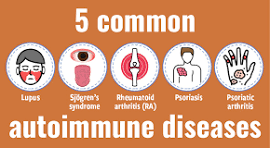
What does it mean when you hear someone say “I suffer from autoimmune”?

It’s such a broad statement. For instance…..

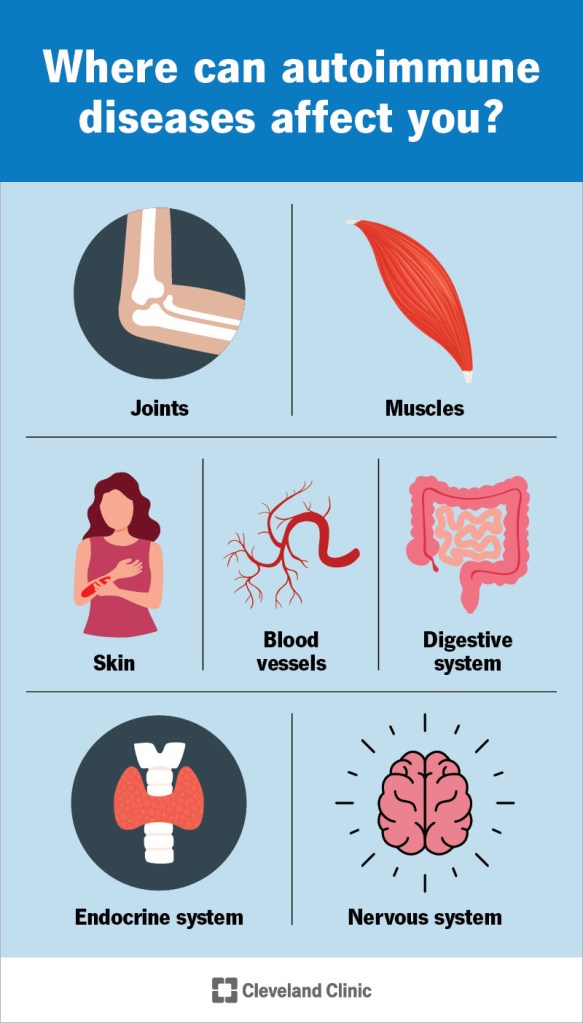
  • In rheumatoid arthritis, the immune system targets the joints, causing pain, swelling, and stiffness.
  • In lupus, it can damage many parts of the body, including joints, skin, and kidneys.
  • In type 1 diabetes, it destroys insulin-producing cells in the pancreas.
  • In multiple sclerosis, it attacks the protective sheath around nerve cells, causing issues with communication between the brain and body. 

But they can share the same symptoms: Fatigue, fever, muscle aches, joint pain, skin problems, and digestive issues.

Most autoimmune are chronic, meaning it is ongoing with no cure. Those that suffer are told by the medical community that it’s their cross to bear as they manage their symptoms with medicationBut here’s what I have experienced and witnessed dozens of times over:

Nutrition plays a HUGE part in not only managing the symptoms but also addressing root cause. Traditional medicine will tell you that autoimmune diseases are caused by genetic and environmental conditions, and I would agree that they can play a role. But I also believe that since the medical profession is not trained in nutrition, that is why they throw their arms up in the air and prescribe medication.

I’m not anti-medication, but understand that medicine is a risk/reward situation. They ALL come with warnings and/or side effects. Nutrition does not and that’s always my first line of offense AND defense.

Do you suffer from an autoimmune and want to take better control of your health?
Let’s talk.
Solutions could be lying right under your nose.

To learn more about autoimmune disease, click here.
Battling SAD (Seasonal Affective Disorder)

Winter typically presents challenges to both our physical and emotional health. Seasonal Affective Disorder from the short days, dealing with difficult relationships, financial stress, inclement weather, or a host of other issues, it can be a tough time.

I’m not an authority on this subject, but I have observed a number of things that can help keep you physically and emotionally healthy during this time.

There’s less daylight and your skin is almost totally covered with clothing such that your natural vitamin D production is almost nil. Those short days also lend themselves to Seasonal Affective Disorder (SAD) which can not only depress your immune system, but also affect you emotionally.

Your home and workplace is shut up, so you have a lack of fresh air and a greater exposure to disease-causing microorganisms. That closed environment also makes it easier for you to get infections from those around you.

Colder temperatures are also just more stressful on your body, requiring greater adaptation to stay healthy. So what can you do:

1. Be sure to take at least 2000 i.u.’s of Vitamin D-3 daily — you may need more, especially if you live in a non-sunny climate. Check with your health care provider before adding more than that. Sunlight is the primary source for this essential nutrient. Between sunscreen use and modern lifestyles that keep us indoors during the sunniest parts of the day, most of us don’t get the sun exposure we need to produce required amounts of vitamin D. According to research published in the Archives of Internal Medicine, three-quarters of U.S. adults and teens are vitamin D deficient!

2. Get some fresh air in your home, even if that’s just opening some windows for a few minutes or leaving a window cracked in your bedroom at night.

3. If you are particularly bothered by the short days, consider getting one of the specially designed full-spectrum lights and expose yourself to it in the early morning and late afternoon.

4. Take other immune system stimulating supplements. In  in addition to Vtamin D, I take Activate Immune Complex. It’s a combination of scientifically formulated nutrients, extracts and vitamins ( Vitamin C, Vitamin E, Zinc, Echinacea, Astragalus and Aronia in an exclusive combination that’s been shown in scientific studies to help support the body’s own defense mechanism—the immune system.*

*This statement has not been evaluated by the Food and Drug Administration. This product is not intended to diagnose, treat, cure, or prevent any disease.