Why 10,000 Steps?

I used to think 10000 steps a day was more than I could handle—some days I barely logged a thousand steps. Really! I wasn’t walking a lot. I was going from my home to my car, then parking close to the door at work and to my sedentary desk job. At the end of the day the process would be done in reverse. I thought I was getting enough steps in —I swam at the pool and I rode my bike but that was about it. The health club I belonged to held a month-long 10,000 steps challenge for the members. I admired my friends who monitored their steps on their smart watches, and logged in impressive numbers of steps throughout the challenge. The concept was interesting, but with my schedule, I just couldn’t seem to bypass 5,000 steps in one day.

Then I got a new job. It required me to be on my feet most of the time working with customers. Suddenly, my feet hurt. I needed better shoes. I quickly found out shoe choices were a hot topic among my coworkers. The better the shoe for walking, the less you ached at the end of the day! I quickly found good sneakers. Soon I was logging more than 10,000 steps a day. A lot more. Most days I would log 22,000 steps.

I had always wondered why experts chose 10,000 steps. I discovered for me, 10,000 was equal to walking about five miles—so I became more active. Yay! But my research also shows there’s science behind the actual number.

  • A study in JAMA Neurology found a possible link between walking 10,000 steps per day and a reduced risk of developing cardiovascular disease, 13 types of cancer, stroke, and heart failure
  • Research indicates a link between walking and improved mental clarity and the creative flow of ideas.
  • A study of over 72,000 people found that walking 9,000–10,000 steps per day may reduce the risk of death by more than a third.
  • Walking an extra 10,000 steps per day can burn 2,000–3,500 calories per week, which could lead to weight loss depending on your weight and exercise intensity.

I still try to get in 10,000 steps per day, no longer for health reasons but because I enjoy it and my canine companion does too!

Have You Tried Walking Meditation?

“Walking Meditation” creates an additional purpose so that walking is more than just exercise. Walking meditation bridges the gap between physical activity and mental stillness. It syncs each step with your breath, bringing awareness to the sensation of movement, and the touch of your feet on the ground.

How to Practice Walking Meditation

  1. Find a Suitable Location: A quiet park, beach, or even a secluded path in your backyard can work.
  2. Start with Intention: Begin by standing still, taking a few deep breaths, and setting your intention for the walk.
  3. Sync with Your Breath: With each step, inhale and exhale. For instance, take three steps while inhaling and three while exhaling.
  4. Stay Present: Focus on the sensation of your feet lifting off, moving through the air, and making contact with the ground.
  5. Mindful Observation: Observe your surroundings—the chirping of birds, the rustling of leaves, or the breeze on your face.

Benefits of Walking Meditation

  • Enhances mindfulness and concentration.
  • Offers physical benefits of walking, like improved circulation and cardiovascular health.
  • Helps in grounding and connecting with nature.
  • Acts as a refreshing break from the routine of seated meditation

Healthy tip of the day

Take a 10-30 minute walk every day & while you walk, SMILE. It is the ultimate antidepressant.

Make physical activity part of your life

You don’t need to be an athlete or have special skills or equipment to make physical activity part of your life. Many types of activities you do every day, such as walking your dog or going up and down steps at home or at work, may help improve your health.

Try different activities you enjoy. If you like an activity, you’re more likely to stick with it. Anything that gets you moving around, even for a few minutes at a time, is a healthy start to getting fit.

Walking

Walking is free and easy to do—and you can do it almost anywhere. Walking will help you

  • burn calories
  • improve your fitness
  • lift your mood
  • strengthen your bones and muscles

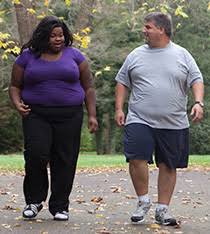
If you are concerned about safety, try walking in a shopping mall or park where it is well lit and other people are around. Many malls and parks have benches where you can take a quick break. Walking with a friend or family member is safer than walking alone and may provide the social support you need to meet your activity goals.

If you don’t have time for a long walk, take several short walks instead. For example, instead of a 30-minute walk, add three 10-minute walks to your day. Shorter spurts of activity are easier to fit into a busy schedule.

If you don’t have time for a long walk, take several short walks instead.

Walking tips

  • Wear comfortable, well-fitting walking shoes with a lot of support, and socks that absorb sweat.
  • Dress for the weather if you are walking outdoors. In cold weather, wear layers of clothing you can remove if you start getting too warm. In hot weather, protect yourself against the sun and heat.
  • Warm up by walking more slowly for the first few minutes. Cool down by slowing your pace.

Workout clothing tips

  • Clothes made of fabrics that absorb sweat are best for working out.
  • Comfortable, lightweight clothes allow you to move more easily.
  • Tights or spandex shorts are the best bottoms to wear to prevent inner-thigh chafing.
  • Women should wear a bra that provides extra support during physical activity.