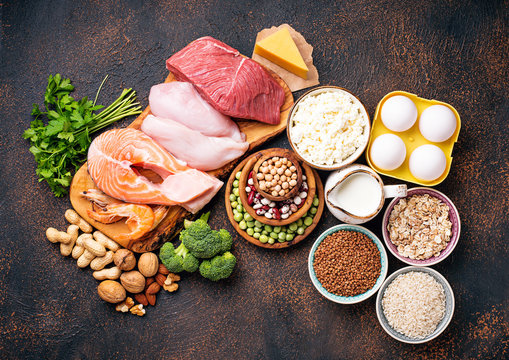
So you need collagen?

Did you know that there are 28 types of collagen but only THREE types you need to focus on:
Type I , Type II and Type III.

Type I and Type III are in skin, muscles, tendons, ligaments, hair, nails bones and more. Type II is found in cartilage and in the joints to give support.

Interestingly enough, Collagen’s job is NOT to replace collagen in your body. It’s not a “Oh I’m deficient and i need to supplement” type of supplement. This supplement is meant to trick the cells into increasing production and activation of collagen. Think of collagen as the key to unlock the cells/ production line.

In order for the cells to be activated, they have to recognize the collagen supplement our body is consuming as the exact type the cells produce. If the cells don’t recognize that particular collagen, that collagen is literally sitting in the body doing absolutely NOTHING. Which means high gram amounts of collagen are irrelevant.

What matters is the TYPE of collagen it is and the PROCESS it went through in order for it to be recognized by the cells in your body to activate them to produce more collagen.

Most companies cannot make a direct claim about what their collagen does, but will give you a list a mile long of what the added ingredients will do, But the collagen I take can tell you what it will do for your cells.

Here are a few facts about the science behind my collagen:

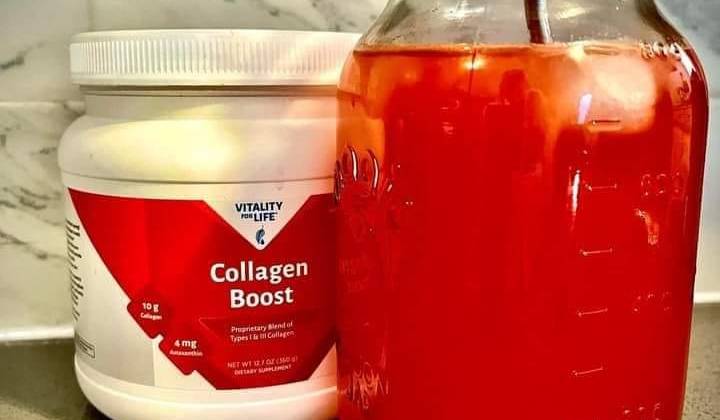
• 5g hydrolyzed collagen. Bovine-sourced — because it is the closest in DNA structure to humans and it is the best to be able to activate the collagen production.

• 5g collagen peptides. Peptide sequence — the exact one your body needs:

This collagen contains astaxanthan (a red algae) which is a super charged antioxidant to help prevent further cell breakdown.Plus, this collagen is clinically proven to REDUCE CELLULITE, FINE LINES, AND SAGGING SKIN.

If you’re under the impression that liquid collagen is queen —here’s a secret, all liquid collagen starts as powder.

An affordable collagen with a 100% money back guarantee!

Do you use mouthwash?

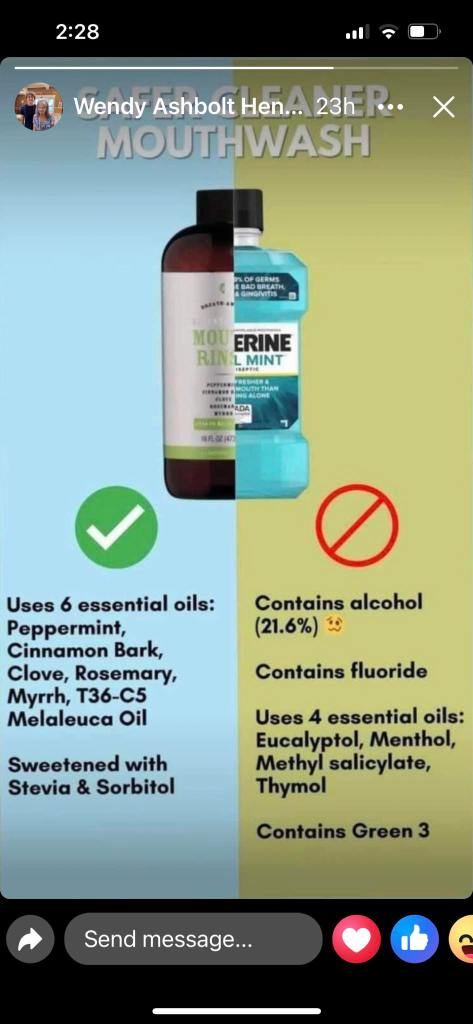
Have you ever read or compared the label information on your brand? I have. What I found was amazing. That’s why I I love my mouthwash brand so much!

Not only is it refreshing, it helps heal those sore spots you get in your mouth. It helps bleeding gums and it does it quickly.

I love my Online Shopping Club’s Mouth Rinse it is awesome stuff!

How do you feel about yours?

TIPS TO AVOID PROCESSED MEAT 

If processed meat products are part of your diet, you can take steps to reduce or eliminate them.

  • Read the label. Check the ingredient list for words like nitrate, nitrite, cured or salted. If you spot these words, it’s a processed meat and should be avoided.
  • Be an educated buyer. Even meats labeled “uncured” still can have nitrates and nitrites in them.
  • Skip nitrate-free meats. These meats may have less nitrates and nitrites, but they’re not nitrate-free. When you eat these foods labeled nitrate-free, your stomach actually turns some nitrates into nitrites. And some of these nitrites can then form cancer-causing substances in your body.
  • Reduce portion sizes of processed meats and eat less frequently.
  • Choose a plant-based diet most often and have some meatless days.

Think outside the box. Eating less processed meat is easier than you think. Here are some healthy swap tips to get you started.

  • Add grilled chicken, hard-boiled egg, beans, tofu or flaked tuna to your salad instead of cubed deli meat.
  • Order a grilled chicken or fish sandwich instead of a deli sandwich.
  • Add vegetables to your omelet instead of bacon, ham or sausage.

Keeping a food log can help you be more mindful of just how much processed meat you are eating. Be sure to carry healthy substitutions like hummus and vegetables that can replace that deli sandwich. Once you become of aware of your eating habits and start choosing healthier foods, reducing and even eliminating processed meats from your diet will become easier.

Do you take Niacin?

You may want to rethink the amount of this supplement you take. A new study reveals there are many connections between niacin and heart disease. For a while, many cardiologists were prescribing niacin for cardiovascular prevention, but more recent studies didn’t show much of a benefit from niacin—and this medication has significant side effects for many individuals.

These side effects include things like flushing, difficulty tolerating hot showers, increased blood sugar levels, insulin resistance, and dizziness, and have caused some cardiologists like himself to be skeptical about niacin for years.

Read more about the latest study results here at MedLinx

FACTS ABOUT BEES AND HONEY

One of the world’s VERY first coins had a bee symbol.

Honey contains live enzymes — I always put local honey in my tea and I always used a metal spoon. Today I discovered when honey comes in contact with a metal spoon, these enzymes die. So the best way to eat honey is with a wooden spoon; if you can’t find one, use a plastic spoon.

Honey contains a substance that helps the brain work better. Studies suggest that honey might offer antidepressant, anticonvulsant and anti-anxiety benefits. In some studies, honey has been shown to help prevent memory disorders. Studies suggest that honey enhances memory and cognitive function. It helps improve your ability to recall information and boosts your overall mental performance. Another study showed that after the consumption of honey for 5 years, only 489 subjects developed dementia. This research by Al-Himyari (2009) set out that honey has memory booster effects to treat dementia and cognitive deterioration. It improves the cholinergic system and blood flow in the brain and has antioxidant effects.

A teaspoon of honey before bed is also helpful. Because tryptophan is an essential amino acid but cannot be produced naturally in the body, supplementing through honey before bed brings many benefits to the body. In addition, honey also contains glycogen to help sleep and reduce adrenaline to help limit insomnia, reduce stress and get a good night’s sleep.

Bees also produce propolis — one of the most powerful natural antibiotics. Propolis is a resin-like material made by bees from the buds of poplar and cone-bearing trees. Propolis seems to help fight against bacteria, viruses, and fungi. It might also have anti-inflammatory effects and help skin heal. Propolis is rarely available in its pure form. It’s usually obtained from beehives.

Honey is one of the few foods on earth that alone can sustain human life. Just a spoonful of honey is enough to keep a man alive for 24 hours.
In fact, bees in Africa once saved the local people from starvation! Yet The American Heart Association recommends no more than 3 tablespoons
of honey per day.

Honey has no expiry date because it’s already been “digested”. You see, Bees “process” it: They swallow nectar and regurgitate it into combs to make honey. An enzyme in their stomachs breaks the nectar down into gluconic acid and hydrogen peroxide. Hydrogen peroxide is a natural antiseptic, sold in drugstores to treat all manner of wounds. In other words, on top of its natural resistance to bacteria, honey’s hydrogen peroxide repels any microorganism with the temerity to trespass. Honey is inherently hostile to microbes and bacteria. It’s a very low-moisture sugar with an acidic pH, yielding an environment in which bacteria literally cannot thrive. Even though honey doesn’t have an expiration date, it can still undergo natural changes. The National Honey Board says that over time honey may “darken and lose its aroma and flavor or crystallize,” depending on changes in temperature. However, honey does change. It can change color from pale to dark. It can start clear and become cloudy. Most peskily, its texture can change from smooth and thin to thick and grainy in a process called crystallization. Thankfully, none of these changes make the honey bad or unsafe to eat! There is an important exception to this rule. If honey is exposed to moisture, it can ferment and spoil, which will be immediately obvious: smelly, sour, moldy and utterly unappetizing. Did you know that the term “Honeymoon” (honeymoon) comes from the fact that the bride and groom consumed honey for fertility after their marriage?

The origin of honeymoon can be traced back to the ancient Norse term “hjunottsmanathr,” which translates to “honey month”. This tradition involved a period of seclusion for the newlyweds, possibly to evade the bride’s family’s scrutiny, especially in non-arranged marriages. During this secluded time, the newlywed couple would often indulge in mead, a sweet wine crafted from fermented honey, believed to bring good fortune. Originally developed by monks for medicinal purposes, it was quickly recognized for its aphrodisiac qualities, enhancing marital bliss. Friends and family would often gift the bride and groom with a month’s supply of this special honey-based elixir, accompanied by exquisite goblets.

Here is one more interesting fact: a bee lives less than 40 days, visits at least 1000 flowers and produces less than a teaspoon of honey, but for her it is the work of a lifetime.

Thank you precious bees!

For more information:

https://www.ncbi.nlm.nih.gov/pmc/articles/PMC3872021/

https://www.mayoclinic.org/drugs-supplements-honey/art-20363819#:~:text=Studies%20suggest%20that%20honey%20might,wound%20healing%2C%20particularly%20in%20burns.

https://www.washingtonpost.com/archive/politics/1988/06/20/wasps-help-stave-off-starvation-in-africa/160365e5-65ad-4430-a457-dc962acaa8a0/

https://beorganickw.com/en/blogs/honey-reads/10-mind-blowing-ways-honey-takes-your-memory-to-the-next-level#:~:text=Studies%20suggest%20that%20honey%20enhances,boosts%20your%20overall%20mental%20performance.

https://www.smithsonianmag.com/science-nature/the-science-behind-honeys-eternal-shelf-life-1218690/

Did you know?

Soda is a popular drink, but it’s high in sugar and artificial sweeteners. These ingredients can raise your levels of uric acid, which can lead to gout and other health problems.

Uric acid is a waste product that’s created when your body breaks down purines. Purines are found in many foods, including red meat, seafood, and organic meats. However, soda is one of the worst offenders when it comes to raising uric acid levels. A study published in the journal Arthritis & Rheumatism found that drinking just one glass of soda per day can increase your risk of gout by 40%! The study also found that it takes at least 36 glasses of water to flush out the uric acid of one glass of soda.
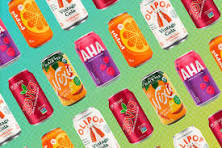
By cutting soda out of your diet, you reduce the risk of developing many health problems such as gout, diabetes, heart diseases, kidney stones, and more. There are so many alternative drinks you won’t even miss you soda. Some alternatives are water, Zevia, Poppi, and Olipop.

Healthy Eating Does Not Have To Be Hard!

It’s true! Now that we are on our R3 challenge, here’s a great recipe for healthy eating!

I’ve learned that I can’t trust the beef in the grocery stores. Our Publix does not sell USDA Prime anymore because it’s just too expensive with today’s economy. I insist that my beef be:

  • USDA Prime or High Choice 
  • Raised here in the US with:
  • No Antibiotics EVER and……
  • No Hormones EVER and….
  • Grass fed

If you eat beef, and want to learn about a great resource that I trust, let me know and we’ll get you the proper info.

Top 5 Triggers for Leaky Gut:

4. Processed Sugar. Sugar reduces beneficial bacteria leading to a leaky gut syndrome. Sugar feeds yeast or which leads to Candida overgrowth, which can lead to Leaky Gut.

5.  Dairy. A majority of people are sensitive to dairy and they don’t even realize it. This means that they cannot digest the proteins (casein and whey) or sugar (lactose) found in milk. If your body cannot digest these, then it causes intestinal distress. Over time, continued consumption of dairy may cause damage to your gut.

When was tested for food allergies, that’s when I learned that I am highly allergic to WHEY PROTEIN.The stomach pain I was experiencing was my body was working overtime internally, to deal with it. Leaky Gut is more common that we realize. It pays to pay attention to what we are consuming and to what our body is telling us!

Balance is key

Millions of North Americans should be concerned about keeping their blood glucose levels in balance for optimal energy and wellness. Understanding what blood glucose is and what it does in your body is key to helping you and your customers understand your wellness needs.

Glucose is the main form of energy your body uses. The carbohydrates you eat end up breaking down into glucose for your body to use. It is carried to your cells by the bloodstream. Insulin helps move glucose from the blood into the cells so it can be used for energy. When you blood sugar is balanced, your energy levels are stable throughout the day. We have improved concentration and focus and are less likely to experience mood swings or other similar negative effects. Eating a balanced diet supported with supplementation and staying active helps your body use glucose efficiently, keeping you energetic and healthy!

It’s all about choices

The R3 Weight Loss Plan is an easy-to-follow lifestyle that allows you to eat foods you already enjoy without counting calories, grams, or ounces.
With R3, you can:

· Have the flexibility to eat a variety of foods from the Yes List!

· Indulge on 20% of your food intake with items from the No List.

· Enjoy activity for at least 15 minutes a day!

· Learn how to live and sustain a healthy lifestyle.

· Share R3 with someone else to help them reach their weight loss goals!

Success achieved the right way will always last!

Contact me to learn more