May is National Skin Cancer Month

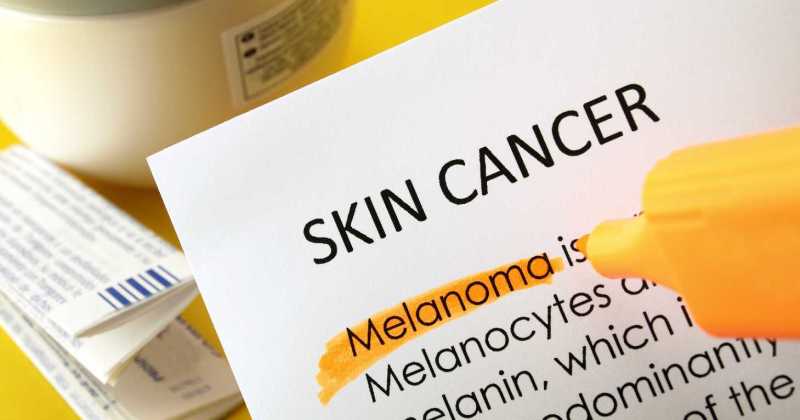
Skin cancer is the most common type of cancer in the United States. Ultraviolet (UV) radiation from the sun is the main cause of skin cancer. UV radiation can also come from tanning booths or sunlamps.

UV damage can also cause wrinkles and blotches or spots on your skin. The good news is that skin cancer can be prevented, and it can almost always be cured when it’s found and treated early.

The best way to prevent skin cancer is to protect your skin from the sun and other sources of ultraviolet (UV) rays.

To protect your skin:

  • Stay in the shade as much as possible between 10 a.m. and 4 p.m.
  • Use sunscreen with SPF 15 or higher. Put on sunscreen every 2 hours and after you swim or sweat.
  • Cover up with long sleeves, long pants or a skirt, a hat, and sunglasses.
  • Avoid indoor tanning.
  • Check your skin for changes regularly.

Why do I need to protect my skin?

Protecting your skin today may help prevent skin cancer later in life. Most skin cancer appears after age 50, but skin damage from the sun can start during childhood.

Taking steps to prevent skin cancer may also help prevent:

  • Wrinkles
  • Blotches or spots on your skin
  • Other damage to your skin and eyes

During the month of May, join us in taking action to prevent skin cancer and reduce the risk of UV damage. It’s never too late to start protecting it!

Pollen is real

You know what I’m talking about…it’s spring allergy season. Cars are coated in a fine greenish-yellow dust; actually, everything is coated with it. It’s spring and the pollen is real. For years, I would run from my door to the security of my car, drive to work with the windows shut tight, then run from the car to the entrance of my office building trying to avoid activating my allergies. Most of the time, I failed. The pollen was just faster than I, no matter how fast I ran. I hated my allergy look, red teary eyes and runny mascara not to mention the sniffly nose!

The worst part? Not only did I have to deal with the sneezing and watery eyes, I had to invest in a four-month supply of Claritin® or Zyrtec® or a prescription written by my primary healthcare provider, just to be able to walk outside. To be clear, I lived on Claritin® for years, and it sometimes became an expensive strain on the budget.

Then a friend introduced me to CounterAct Allergy. Now I don’t have to hide from the sneezing, wheezing, and watery eyes. Or the itchy, runny, stuffy nose. I’m able to be out in the fresh air all season long with CounterAct Allergy. This over-the-counter allergy medicine is a 24-hour antihistamine relief that, like Claritin®, contains loratadine, and it makes the perfect replacement for Claritin®.

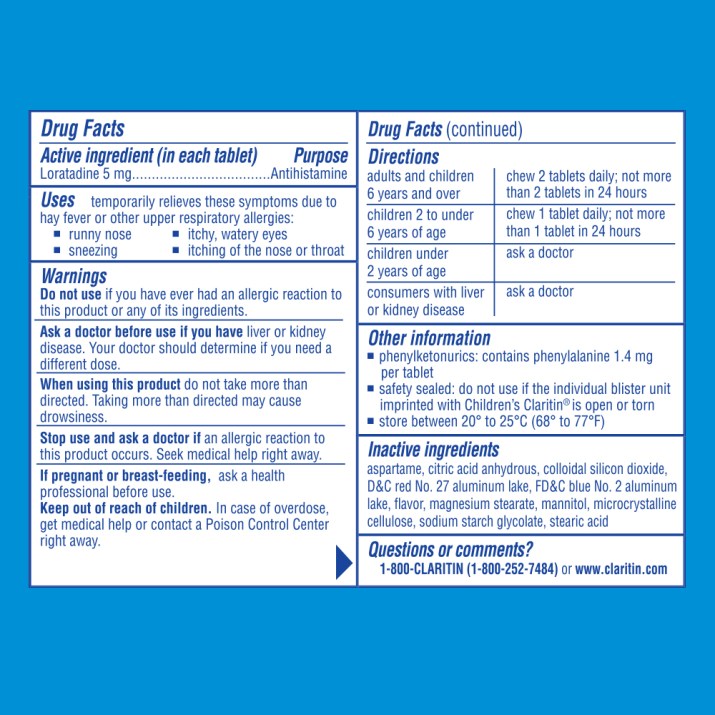
It’s made with the exact same active ingredient as Claritin® but costs HALF the price. More importantly, it contains no aspartame, dyes, and other miscellaneous ingredients that are listed on the the Claritin® package as you can see in the comparison images below:

Claritin® package back.

So CounterAct Allergy has
No dyes,
No aspartame,
No watery eyes,
and is half the price.

CounterAct® Allergy provides 24-hour, non-drowsy relief from seasonal allergy symptoms to help me breathe easy at a cost about 50% less than other brands.

CounterAct® keeps me and my family happy with safe, effective, and affordable
alternatives to expensive, brand-name products.

I love this product!

Are essential oils good for pets?

Essential oils have earned their place among those who enjoy and benefit from aromatherapy. From easing nausea to decreasing anxiety, these natural, plant-derived products have been central in the lives of many generations, and today they have become part of the natural cure-all trend.

While seemingly safe and advantageous for people, essential oils and pets may be a terrible combination.

Essential oils are highly concentrated compounds derived from plant roots, stems, flowers, leaves and seeds. In addition to applying them as holistic treatments, essential oils can be used in various personal, household and cleaning products.

Essential oils offer numerous healing benefits to people, and although they are natural they may not be safe for your pet. They can present risks to your pet if inhaled, ingested or absorbed into the skin. Just as there are many plants that are considered toxic, irritating, or known to trigger allergic reactions in some animals, essential oils and pets do not safely mix.

The combination of essential oils and pets can be particularly worrisome because there are so many possible ways pets can be exposed to them. Believe it or not, essential oil diffusers, liquid potpourri products, room sprays, air fresheners and more can place your furry companions at risk. Just like humans, animals that have breathing problems, such as asthma, can exhibit labored breathing, excessive panting, or wheezing when exposed to essential oils.

Oils mixed with water molecules and diffused into the air can land on the fur or skin of household pets. They may not only cause irritation to the surface area but if licked and ingested, the following serious symptoms can occur:

  • Coughing
  • Vomiting
  • Diarrhea
  • Squinting
  • Drooling
  • Lethargy
  • Stumbling or disorientation
  • Tremors
  • Seizures
  • Low heart rate
  • Low blood pressure
  • Trouble getting comfortable

Cats are more sensitive than dogs when it comes to essential oils because they lack a specific enzyme needed to protect the liver from noxious fumes. They may suffer gastrointestinal upset, depression of the central nervous system, and liver damage if overexposed to essential oils.

Additionally, other small animals, birds, and those with compromised immunity deserve an added layer of protection from various essential oils that include:

  • Peppermint or wintergreen
  • Pine
  • Tea tree
  • Citrus
  • Clove
  • Oregano
  • Eucalyptus
  • Pennyroyal
  • Cinnamon
  • Rosemary
  • Birch
  • Anise
  • Juniper
  • Yarrow
  • Thyme

The bottom line with essential oils and pets is to simply keep them apart. If you must use them, be sure your pet is not in the same room. Keep all products out of their reach. If you use them topically, do not allow your pet to lick your skin. Know the signs of toxicity and seek help right away.While there are commercial products available that are advertised at pet-safe or even pet-healthy, we encourage you to discuss your pet’s health with your veterinarian prior to making any changes.

It’s best to err on the safer side.

It’s National Pet Parents Day

National Pet Parents Day is the last Sunday in April (April 28). There is a very special connection, a unique bond, between a pet and its owner.

Studies show pets give us unconditional love every day, and that love provides us with numerous health benefits, such as lowering blood pressure, alleviating depression and stress, improving our immune systems, and even reducing our risk of stroke and heart attack.

  1. Take a trip to the park: Your fuzzy friend will appreciate the time to frolic with their friends, and you’ll love that they will be able to run all their extra energy out!
  2. Homemade dog treats: Nothing says “I love you” like some home-baked goods! Homemade treats with healthy ingredients like pumpkin, tuna, carrots, or apples are typically healthier than store bought treats.
  3. Play games: Hide treats, toss a toy around, or use an interactive game that rewards them for solving the puzzle.
  4. Extra affection: Give your dog an extra belly rub or scratch your cat behind their ears more often.
  5. Take a walk: If your dog is active, take him on an extra long hike, for a swim, or for a run. Less active dogs may still enjoy a walk around the neighborhood.
  6. Go shopping: Take a trip to the pet store and let them help pick out a new toy!

When was the last time you cleaned your makeup brushes?

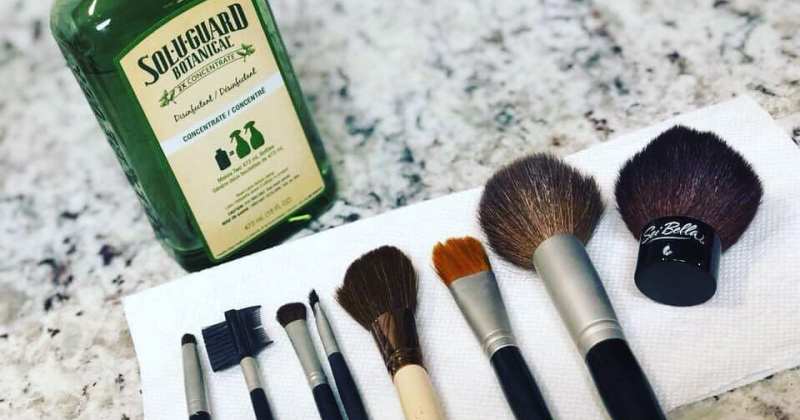
Cleaning your makeup brushes once a week is VERY important to combat bacteria and maintain healthy skin. Plus, regular cleaning helps promote the longevity of those “oh-so-expensive” brushes. I know I have a few favorite brushes and I want them to last as long as possible.

I’ve discovered a safe disinfectant that does a great job, strong and harsh chemical free, so it’s safe enough to clean my brushes while destroying 99.9% of the bacteria.

What is it? It’s the same stuff I use to clean my kitchen and countertops! I can do a simple soak and rinse and let them air dry. The brushes are like new. When I don’t have time to soak the brushes, I just spray them and wipe them down for a quick clean. this amazing stuff really kills the bacteria and no diluting is needed.

Safer Household Website

http://saferforyourhome.com/en

Danger in the laundry aisle?

Last night at the grocery store I had to go through the “poison” aisle to get to the paper products. For some reason, the are stored in the household cleaning section—that’s what I call the “poison” aisle.
When we walk this aisle my eyes and nose are assaulted by what I can only call a chemical stew. Basically, the aisle stinks from all of the chemical fragrances and aromas. I always get teary eyed, sneezy and wheezy whenever we have to go down that aisle—which is why I avoid it as much as possible.

You see, I’ve been shopping online for quality toxin-free cleaners and laundry detergents for years, and rarely need to shop that aisle. Consequently, the smells in the ‘poison’ aisle really attack my allergies and asthma. If you use these brand-name store-bought cleaning products in your home, you don’t notice the smells like I do, because it’s already in your home every day.

So, let’s talk about this common laundry detergent people buy. I am not going to go into the many reasons why it isn’t a safe product – God forbid a child or pet gets their hands/paws or mouths into Tide. It will not be good.

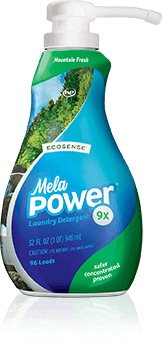
What I do appreciate is the company I shop from has never had a claim against it—not a single child has been harmed from accidentally ingesting any of this company’s products. Sure, kids and pets have gotten into MelaPower, but the worst that can happen will be a tummyache and will be fine in a few hours.

Now, how about the cost effectiveness between the two products? On the front of the Tide container, it says it will do 64 loads. But, if you look closely on the back, it says a load is measured to the #1 on the cap, which is really for super small loads. A common family load is a full load, which is to the #5 on the cap. If you measure to the #5 you are only able to do13 full loads with this container of Tide at a cost of $11.99—or .92 cents a full load!

My MelaPower bottle shown does 96 loads of laundry and it is $17.49 and that’s just .18 cents In fact, you only need 15ml (0.51 us fl oz) to do a full load. It’s comforting to know that I’m taking care of my laundry and my family’s health at the same time.

Like Moths To A Flame: Why do guests always gather in the kitchen?

Have you ever noticed during holidays like today, after all your work filling the living room with lights, flowers, champagne and bacon-wrapped appetizers, people leave your comfy couches to drift back to the kitchen?
If your home is like mine, it’s comfortable, but lacking a huge kitchen—so, more 10 guests means it gets a little tight.

It’s a bit of a cliché, but to many, the kitchen really feels like the heart of the home. The kitchen being the center (or heart) of the activity, means that’s where everyone wants to be—even if it’s to grab a bite of food coming out of the oven, to chat with the hosts, to chat with the guests who are chatting with the hosts or to drop off drinks in the refrigerator or napkins in the trash.

It’s often said that the messy informality of the kitchen has its own draw. Why? Because the kitchen is most definitely warm — both literally and metaphorically. You can relax in the kitchen. You can bump up against a counter, not worry about putting down that glass of wine.

Did you know warm, welcoming kitchen environments were not the norm 150 years ago. According to the book, The Food Axis, the kitchen would be a very separated place, and no one would go in the kitchen because mixing socially with servants was most definitely frowned upon.

The kitchen of the early 20th century also wasn’t conducive to welcoming toguests. It had issues because of poor refrigeration, inefficient cleansers and primitive plumbing, causing unappetizing aromas. It wasn’t unusual to find poorer households and tenements had shared central kitchens and hired household labor. As industrialization took hold in the later 19th and early 20th century, many household servants left domestic service for factory jobs, where they could make a lot more money. This in turn lead to housewives becoming their own domestic labor.

Now a new field developed: domestic science. Home economists and women’s magazines also came on the scene to tell housewives how best to manage their household on their own. That meant small kitchens. The ideal was to able the housewife to stand in the middle of the kitchen and reach everything—basically she would revolve in place to make dinner.

Over the last 100 years, the tiny kitchen expanded, to make room for other household members. It’s also become more of a living space — with design elements like color and windows — because people want to spend time there—including at parties. You might want to shunt guests out of the kitchen, but if people do end up there, next to a sink full of dishes and wadded-up tin foil, don’t knock it.

Those parties that feel a little magic — there are pretty flowers, the lights are dim, the candles are going, and you feel comfortable. That comfort and connection is the reason everyone gathers together in the first place—even if it happens in the casual mess of a crowded kitchen.

READY FOR BATHING SUIT SEASON?

Time to make Cellulite Oil!

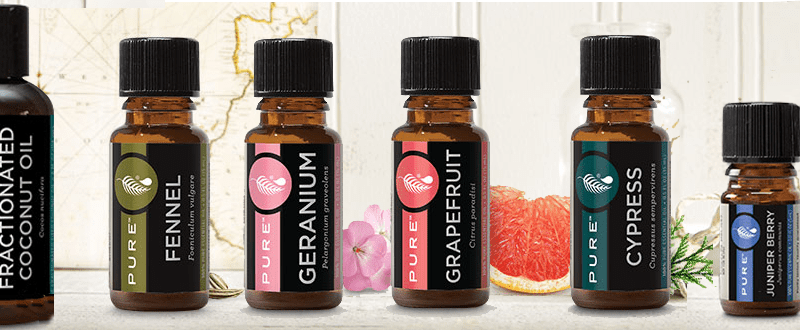
Use in massage or bath. geranium and fennel both balance hormones and, along with grapefruit, have historically been used to facilitate weight loss. Cypress and juniper stimulate circulation and juniper is also a diuretic. Combine:
10 drops of Cypress essential oil
10 drops of Geranium essential oil
10 drops of Grapefruit essential oil
5 drops of Juniper essential oil
5 drops of Fennel essential oil
into 4 ounces of carrier oil.
OR just make a stock blend (use an essential oil bottle or a purchased dropper bottle) and add to your bath

for smaller amounts or Cellulite Oil blend, put 1-3 drops of each oil per teaspoon of carrier oil. or just 3-8 drops into the bath.

Diet or Medicine?

Lose a pound lose some pressure