Have you ever noticed during holidays like today, after all your work filling the living room with lights, flowers, champagne and bacon-wrapped appetizers, people leave your comfy couches to drift back to the kitchen? If your home is like mine, it’s comfortable, but lacking a huge kitchen—so, more 10 guests means it gets a little tight.
It’s a bit of a cliché, but to many, the kitchen really feels like the heart of the home. The kitchen being the center (or heart) of the activity, means that’s where everyone wants to be—even if it’s to grab a bite of food coming out of the oven, to chat with the hosts, to chat with the guests who are chatting with the hosts or to drop off drinks in the refrigerator or napkins in the trash.
It’s often said that the messy informality of the kitchen has its own draw. Why? Because the kitchen is most definitely warm — both literally and metaphorically. You can relax in the kitchen. You can bump up against a counter, not worry about putting down that glass of wine.
Did you know warm, welcoming kitchen environments were not the norm 150 years ago. According to the book, The Food Axis, the kitchen would be a very separated place, and no one would go in the kitchen because mixing socially with servants was most definitely frowned upon.
The kitchen of the early 20th century also wasn’t conducive to welcoming toguests. It had issues because of poor refrigeration, inefficient cleansers and primitive plumbing, causing unappetizing aromas. It wasn’t unusual to find poorer households and tenements had shared central kitchens and hired household labor. As industrialization took hold in the later 19th and early 20th century, many household servants left domestic service for factory jobs, where they could make a lot more money. This in turn lead to housewives becoming their own domestic labor.
Now a new field developed: domestic science. Home economists and women’s magazines also came on the scene to tell housewives how best to manage their household on their own. That meant small kitchens. The ideal was to able the housewife to stand in the middle of the kitchen and reach everything—basically she would revolve in place to make dinner.
Over the last 100 years, the tiny kitchen expanded, to make room for other household members. It’s also become more of a living space — with design elements like color and windows — because people want to spend time there—including at parties. You might want to shunt guests out of the kitchen, but if people do end up there, next to a sink full of dishes and wadded-up tin foil, don’t knock it.
Those parties that feel a little magic — there are pretty flowers, the lights are dim, the candles are going, and you feel comfortable. That comfort and connection is the reason everyone gathers together in the first place—even if it happens in the casual mess of a crowded kitchen.
When it comes to weight management, refined sugar in all its forms — high-fructose corn syrup, dextrose, rice syrup, sucrose and many others — is certainly one of the top items to get knocked off an eating list.
Harvard University’s School of Public Health suggests that to achieve a healthy weight, you should limit “lower-quality foods” including sugar-sweetened beverages, refined sugar and highly processed snacks. But your waistline isn’t the only thing affected by excess sugar consumption. Overindulgence on the sweet stuff can affect you in some other surprising ways:
1. Sleep Interuption. According to the National Sleep Foundation, an after-dinner dessert is a great way to get a terrible night of sleep. In fact, the organization notes, the more sugar you eat during the day, the more likely it is you’ll wake up during the night. That’s because sugar lowers the activity of orexin cells, a neuropeptide that regulates how wakeful you are. More bad news: These cells also help control appetite, so if they’re feeling off-kilter, you’re more likely to eat more.
2. Increased Colds and Flu. When it comes to an effective immune response — your system needs to be on high alert during cold and flu season — sugar could be defeating your white-blood-cell army. When you eat a big dose of sugar, like a soda or a candy bar, you temporarily suppress your immune system’s ability to respond to invaders. If that happens occasionally, it may be no big deal, but since the effect lasts for a few hours, you could be consistently sabotaging your immune syste if you eat sugary food regularly.
3. Increased Risk of Heart Disease. Sugar can affect your weight goals, but it affects your heart even more. A major study published in JAMA Internal Medicine suggested a sugar-packed diet may raise your risk of dying of heart disease, even if you aren’t overweight. In the 15 year-long study, participants who ingested 25% or more of their daily calories from added sugar were more than twice as likely to die of heart disease than those who consumed less than 10% of added sugar.
4. Potential Depression. Although much is made of the mind-body connection when it comes to health and wellness, less attention has been put on the mood-food link. But sugar can be notorious for causing emotional fluctuations, including anxiety, frustration and even depression, according to Dr. Elson Haas, author of Staying Healthy With Nutrition. He notes that refined sugar has been shown to deplete important nutrients, such as protein, vitamin B, zinc, chromium and manganese—deficiencies can lead to lower levels of emotional and mental functioning. When these nutrients remain in the immune system, individuals notice a marked difference in their moods and emotional states.
5. Skin Problems. Refined sugar and many other high-glycemic foods raise insulin levels in the body and that increases inflammation. When that happens, the inflammation produces enzymes that break down collagen and elastin, the structural building blocks of skin. The digested sugar permanently attaches to the collagen in your skin through a process known as glycation, which results in sagging skin and wrinkles. Glycation can also exacerbate skin conditions like acne and rosacea. Plus, the more sugar you eat, the more likely it is you’ll develop insulin resistance, possibly leading to excess hair growth on the skin, as well as dark patches on the neck and other areas.
With side-effects like these, you might be tempted to swear off sweets forever. You really don’t need to cut out refined sugar products completely to see benefits and lower your health risks, instead, focus on mindful eating and awareness — in other words, make a sugary treat into exactly that, so it’s a sometime occasion and not a regular habit. Start by eating your next sugary snack very slowly, and notice how it smells as well as tastes. You don’t need to become a mealtime snail, but doing this a few times can help you “reset” when it comes to sugar—and helps to reduce sugar cravings. Being more mindful when you eat, especially when it comes to sugar, can keep you off autopilot and change your eating habits.
This Herbal Tea is a must have in my household. Over the years, this tea has soothed achey stomachs, sore throats, helped me sleep with a old and just made me feel good. Do you have a favorite comfort tea?
You probably have seen or heard about probiotics in recent advertising or news stories. Probiotics can improve digestion, aid in weight management, increase energy, help with clear thinking, give you healthier skin and strengthen your immune system.
It’s important to add good bacteria to your diet with probiotics, because the bad bacteria in your gut that can cause negative reactions to your health. T It is even more important if you are, or have recently been, on an antibiotic regime. Antibiotics don’t discriminate; they kill ALL bacteria, not just the bad ones, as the post from The Gut Health Project points out.
The importance of a balance of gut flora cannot be overstated. Among other things, it can help relieve joint pain, help prevent anxiety and depression, increase your energy and obviously improve bowel function. All of these contribute to your overall well-being. As The Gut Health Project shows, it doesn’t stop there.
There are thousands of case studies that support these conclusions. In fact, many physicians believe that there is no more important supplement that you can take than an efficient probiotic. There are six telltale signs that you need an effective probiotic. You will see, it is NOT ONLY for digestive issues.
You must choose your probiotic carefully. Choose one that is pure and effective, assuring widespread benefits. So take care of your gut and you will take care of your health, too.
Do you want to create additional income? You’re probably well aware that there are others like yourself who are seeking the same thing. There are so many options available, but basically only four different kinds of business models, each having its own set of pros and cons.
Conventional employers offer commissions or wages and small private businesses typically are all based on exchanging your time for ‘transactional’ revenue. Neither of those allows much of a chance for you to ‘leverage’ or ‘scale’ your business.
Franchise ownership typically requires substantial cash investments and expertise that most people do not have.
That leaves a host of business opportunities that are very popular offering independent status as a ‘representative’ or ‘agent’ under the broad category of ‘marketing’ and requiring some degree of team building and leadership.
There are many questionable and unrealistic opportunities being pitched these days. One of your first priorities should be to work with a team that has carefully investigated many of the various business models that are out there. You should have a clear ‘roadmap’ to find and work with a successful business that brings proven value to the marketplace, fits one of your areas of interest and has developed a proven program for on-the-job training so you can earn income while you learn the strategies for succeeding at your business.
You’ll need to learn how to increase the number of people who say yes to becoming a life-long customer and/or decide to work with you as a business partner. That means you also need to find the ingredients necessary to have a sustainable product line that will generate passive income for a life-long business. Then there’s the most important question: What role does value play in a product line with a business attached to it and how do you spot it?
When it’s appropriate to talk with a business person about the search that many people are doing right now to find a reliable business opportunity, they will appreciate having this list of Success Factors. The logical question to ask next, after a thoughtful review of these 12 points, is my question at the end.
1. Company track record. How long has the company been in business? What are the company’s annual sales statistics each year since they began their business? Does the company print average income statistics for business builders? It should and you should ask for them. Proof of long term sales, success and growth is critical in choosing any business.
2. Financially sound. Does the company have outstanding debt? Joining a company that is debt free is highly recommend to lessen any risk.
3. Strong management team. What are the backgrounds and credentials of the management team? Look to join a company run with integrity and strong leadership.
4.Unique consumable products. Are the company’s products products that people actually need, use, run out of and repurchase month after month? Do the products have any trademarks or patents allowing for exclusive rights (meaning no other company can copy them)? If the products are not consumable, meaning something that a person would only buy once, then that is a business that will not be viable long term. If the products are consumable but not necessarily a genuine need, that will reduce your chance for long term success. Products that are truly needed and consumed monthly make for a solid business model.
5. Wide market appeal. Are the products something everyone needs and uses? If the products are specific for a certain gender, age group or body size for example, you reduce your market potential. It’s not something for everyone. If you choose a narrow niche product, you must ask yourself if you are comfortable excluding customers that are not attracted to that niche.
6. Competitive prices. Are the products comparable in price or less expensive than the competition? If they are too expensive, this is not a business that will produce ongoing great results. What will you do when you find competitors with equally high quality products that are reputably offered for a lot less cost? You may be loyal out of sheer stubbornness but your customers will run to the competitors.
7. High customer reorder rate. Does the company share its reorder rate? This means one thing. How many customers that purchased from the company last month, reorder again the following month? If the re-order rate is low, the business will not be viable as new customers simply replace your old customers producing no real growth or a secure, residual income. Know that it will be difficult to find this information from most companies directly. Don’t make a decision until you know this important piece of the business model you are considering joining.
8. Low initial investment. If the cost to join or start your business is too high it makes for more risk and difficulty in attracting customers and business partners. If a start up fee is high and a ‘customer acquisition bonus’ is also high, beware of what might be a “Ponzi scheme.” Many so-called ‘ground-floor opportunities’ have attracted many hopeful participants, only to tragically end in the loss of much time and money for the vast majority of eager business partners.
9. Low monthly requirement. If there is a high monthly requirement, customers and business builders may end up storing an inventory of products they do not need. If there is a low monthly product purchase requirement, then customers are getting what they need for personal use each month. From a business standpoint, you know customers are purchasing each month. That creates the freedom of true residual income.
10. Rewards for leadership development. Does the company reward you for helping others in your business succeed? If there is any way the company could remove business building partners from your business because of their success, be very careful about joining. There should never be potential for you to lose great partners. Also, be sure that you receive a reward for the business created by all of the customers that you personally bring to the company. There are many companies that cleverly take away productive customers and business partners from hard working people just like you.
11. Risk-free – Is everything 100% guaranteed? If not, could you seriously advise someone to join you? Be sure the guarantee is long enough to adequately test-drive the product. Check to see how the company handles returns and refunds. You will be so much more satisfied with your company when you can confidently tell your prospective customers that you know from personal experience about their excellent customer service and refund policy.
12. Anyone can be successful.Is the business plan set up for anyone to be successful at any time? If it’s a company that says Ground floor opportunity, or Get in Now, be wary. If only the people who join at the beginning can be successful, then eventually people will get hurt.
The only real question after considering this list is this: “which one of these factors would you take off the list if you were going to seriously consider working with the company?” If anyone seeing this list knows someone they care about is considering working with a company as an independent representative, they might be wise to consider: “how does that company measure up?” If we are honest with ourselves, nothing can match the conviction of ‘certainty’ that is backed up by verifiable data and experience. All the above points are relevant particularly to the one who has a long term commitment in mind. That’s why we should be just as eager to ‘prove all things’ in this part of life as we should be in any other.
If you are serious about researching further on this topic in preparation for making a decision about where to invest your valuable time, be sure to contact me at barbara@hayseedscreative.com or visit for more information.
Celery is by far one of the most nutritious vegetables available. It is a great source of potassium, magnesium, and vitamins A, B, C, and K. It is also rich in phytonutrients, which act as anti-inflammatory and antioxidant agents, boosting the immune system and overall health.
Fresh celery benefits nutrition thanks to all the tremendous vitamins and minerals it contains. One cup of chopped raw celery (about 101 grams) contains approximately:
16.2 calories
3.5 grams carbohydrates
0.7 gram protein
0.2 gram fat
1.6 grams fiber
29.6 micrograms vitamin K (37 percent DV)
453 international units (9 percent DV)
36.5 micrograms folate (9 percent DV)
263 milligrams potassium (8 percent DV)
3.1 milligrams vitamin C (5 percent DV)
0.1 milligram manganese (5 percent DV)
0.1 milligram vitamin B6 (4 percent DV)
40.4 milligrams calcium (4 percent DV)
0.1 milligram riboflavin (3 percent DV)
11.1 milligrams magnesium (3 percent DV)
All with some sugars, celery also contains some vitamin E, niacin, pantothenic acid, iron, phosphorus, zinc, and selenium.
According to Healthy Food House, researchers have confirmed the numerous health benefits of celery:
Celery can help prevents chronic inflammation
It helps regulate the pH balance of the body
it assist in weight loss since it is low in calories but high in fiber
Celery helps digestion and treats stomach issues and constipation
It can help treat urinary tract infections as it has potent diuretic properties
It soothes the nervous system and may help you fall asleep
Celery has been found to regulate cholesterol and blood pressure, since it contains phthalide
It is low in acids and relieves heartburn and acid reflux
Celery is abundant in vitamin A, so it improves vision, treats dry eyes, and protects the cornea
It can clean your teeth like a natural dental floss since it is breaking into fibrous strands while chewing
You can appreciate the countless benefits of celery in many ways. It goes great in soups, stir-fries, stews, and salads. It can also be dipped in peanut butter, hummus, or other sauces.
If you found this information helpful or just have a love for celery, please remember to SHARE this article with your family and friends on Facebook!
Celery is by far one of the most nutritious vegetables available. It is a great source of potassium, magnesium, and vitamins A, B, C, and K. It is also rich in phytonutrients, which act as anti-inflammatory and antioxidant agents, boosting the immune system and overall health.
Fresh celery benefits nutrition thanks to all the tremendous vitamins and minerals it contains. One cup of chopped raw celery (about 101 grams) contains approximately:
16.2 calories
3.5 grams carbohydrates
0.7 gram protein
0.2 gram fat
1.6 grams fiber
29.6 micrograms vitamin K (37 percent DV)
453 international units (9 percent DV)
36.5 micrograms folate (9 percent DV)
263 milligrams potassium (8 percent DV)
3.1 milligrams vitamin C (5 percent DV)
0.1 milligram manganese (5 percent DV)
0.1 milligram vitamin B6 (4 percent DV)
40.4 milligrams calcium (4 percent DV)
0.1 milligram riboflavin (3 percent DV)
11.1 milligrams magnesium (3 percent DV)
All with some sugars, celery also contains some vitamin E, niacin, pantothenic acid, iron, phosphorus, zinc, and selenium.
According to Healthy Food House, researchers have confirmed the numerous health benefits of celery:
Celery can help prevents chronic inflammation
It helps regulate the pH balance of the body
it assist in weight loss since it is low in calories but high in fiber
Celery helps digestion and treats stomach issues and constipation
It can help treat urinary tract infections as it has potent diuretic properties
It soothes the nervous system and may help you fall asleep
Celery has been found to regulate cholesterol and blood pressure, since it contains phthalide
It is low in acids and relieves heartburn and acid reflux
Celery is abundant in vitamin A, so it improves vision, treats dry eyes, and protects the cornea
It can clean your teeth like a natural dental floss since it is breaking into fibrous strands while chewing
You can appreciate the countless benefits of celery in many ways. It goes great in soups, stir-fries, stews, and salads. It can also be dipped in peanut butter, hummus, or other sauces.
If you found this information helpful or just have a love for celery, please remember to SHARE this article with your family and friends on Facebook!
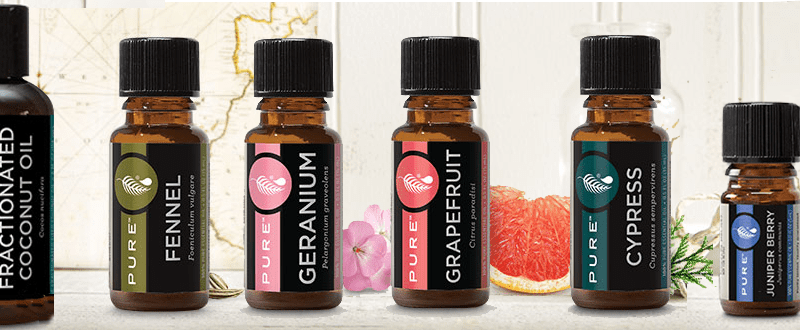
Use in massage or bath. geranium and fennel both balance hormones and, along with grapefruit, have historically been used to facilitate weight loss. Cypress and juniper stimulate circulation and juniper is also a diuretic. Combine: 10 drops of Cypress essential oil 10 drops of Geranium essential oil 10 drops of Grapefruit essential oil 5 drops of Juniper essential oil 5 drops of Fennel essential oil into 4 ounces of carrier oil. OR just make a stock blend (use an essential oil bottle or a purchased dropper bottle) and add to your bath
for smaller amounts or Cellulite Oil blend, put 1-3 drops of each oil per teaspoon of carrier oil. or just 3-8 drops into the bath.
Scientists say they’ve found a molecular kill switch that when activated destroys cancer cells. According to new research, microRNA can be used to send cancerous cells a self-destruct message which they cannot ignore. By incorporating this mechanism into a new treatment, it could be possible to rid the body of cancer without having to go through the pain of chemotherapy.
Cells are always created and destroyed in the human body. About 300 million cells die every minute in our bodies and are replaced with new ones. This is to protect the body against potentially malfunctioned aging cells or diseased cells. The problem is that cancer cells can survive because they have the ability to ignore the immune system’s self-destruct instructions. But that doesn’t necessarily mean that there’s no way to relay this message to cancer cells.
Previously, researchers at Northwestern University described a mechanism by which every cell in the body can be programmed for destruction. Now, the same research team has reported that they’ve managed to crack the ‘code’ required to initiate this sequence.
Writing in the journalNature Communications, the authors reported that the instructions of cell death are available as information in ribonucleic acid (RNA) and in microRNAs. Specifically, they used small-interfering (si)RNAs to trigger toxicity in cancer cells, a process normally activated by chemotherapy. Before they arrived at the winning formula consisting of six nucleotides (6mers) present in small RNAs, the researchers tested 4,096 different combinations of nucleotide bases.
The molecules used in the study put stress on several genes in cancerous cells, initiating the self-destruct sequence for four tested human and mouse cell lines. Because the molecules simultaneously destroy multiple genes that the cells need to survive, the cancer is unable to develop resistance.
In 2018, an estimated 1,735,350 new cases of cancer were diagnosed in the United States and 609,640 people succumbed to the disease. The most common cancers are breast cancer, lung and bronchus cancer, prostate cancer, colon and rectum cancer, melanoma of the skin, bladder cancer, non-Hodgkin lymphoma, kidney and renal pelvis cancer, endometrial cancer, leukemia, pancreatic cancer, thyroid cancer, and liver cancer.
To treat cancer, doctors usually turn to chemotherapy with one or more cytotoxic antineoplastic drugs. The problem with chemotherapy is that it leads to horrible side effects because it also damages healthy cells.
By incorporating the molecular messengers identified by the new study into a new therapy, researchers hope to rid patients of cancers without having to deal with chemo’s debilitating side effects. It may take many years before this happens, but the promising results suggest that one-day cancer could be treated safely.









 Hayseeds Creative