There’s A New Sweetener In Town 

In our household, our #1 focus is balancing blood sugars. Your blood sugars impact cancer, heart disease, diabetes, Alzheimers, kidney disease, eye disease, neuropathy, hearing impairment, skin infections, etc.

I’m always looking for ways to have healthy sweet treats that still taste amazing, so I’m super excited to discover some baking mixes that don’t spike the blood sugar. (Imagine pancakes with 11gr of protein and only 2gr of sugar. Brownies with zero sugar. Muffins with 5gr of protein and 2 gr of sugar.) How?

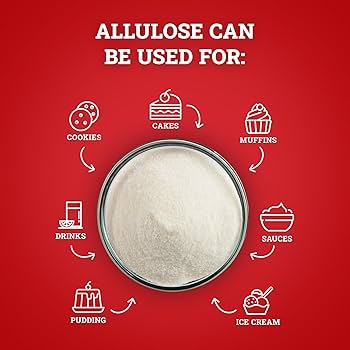
They are sweetened with ALLULOSE. You may not have heard of Allulose like you heard about stevia or monk fruit, so here are the details:

  • It tastes like sugar but without the calories. It’s a rare sugar that occurs naturally in small amounts in foods like figs, raisins, and maple syrup.
  • It doesn’t spike your blood sugar or insulin. 
  • It is DIABETIC FRIENDLY. This is HUGE for anyone (like me) managing insulin resistance, PCOS or just trying to stabilize energy and hunger.
  • It is absorbed by the body but NOT metabolized, so it passes through without impacting glucose levels!
  • It doesn’t feed bad gut bacteria. Unlike some other sweeteners, like Maltitol, it doesn’t ferment in the gut, which means less bloating, gas and sugar cravings.
  • It supports gut health by protecting the gut lining and reduces inflammation—unlike some sugar substitutes that can wreak havoc on your digestion.
  • It tastes legit! There is NO WEIRD AFTERTASTE. It just tastes like real sugar because it basically is real sugar.
  • Sweetness without the carb count and great for baking.

For those of you who count your macros, follow KETO or trying to reset your hormones, this Allulose doesn’t count towards net carbs.

What could be better?

Risk Factors for Diabetes

They say knowing is half the battle. 

Lately, many of my friends have been telling me their doctors are telling them, “You need to be concerned about Diabetes” after review their latest lab work. 

Many of these individuals are being told they are Pre-Diabetic. With one in every three people being diagnoses as Pre–Diabetic, it’s not a surprise.

Once your doctor mentions Pre-Diabetes be prepared for lab work that contains tests for glucose, A1C, Homocysteines, C Reactive Protein, D3, cholesterol and liver tests. All tests to ascertain Type II Diabetes. 

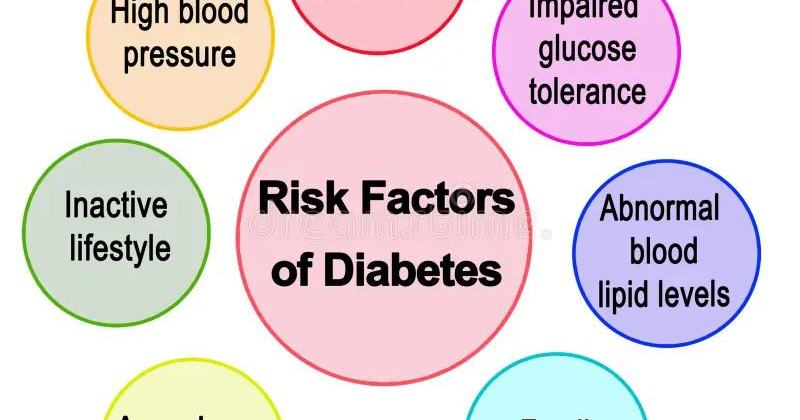
If we know what to look for, we can help prevent it or at the very least hold it off from developing quicker. It really does help to stay in front of this disease! The best way to start is to know the risk factors.

Risk factors for Type II Diabetes:

  • Weight. Being overweight or obese is a main risk.
  • Fat distribution. Storing fat mainly in the abdomen, rather than the hips and thighs, indicates a greater risk. The risk of Type II diabetes is higher in men with a waist circumference above 40 inches and in women with a waist measurement above 35 inches.
  • Inactivity. The less active a person is, the greater the risk. Physical activity helps control weight, uses up glucose as energy and makes cells more sensitive to insulin.
  • Family history. An individual’s risk of Type II diabetes increases if a parent or sibling has Type II diabetes.
  • Blood lipid levels. An increased risk is associated with low levels of high-density lipoprotein (HDL) cholesterol (the “good” cholesterol) and high levels of triglycerides.
  • Pregnancy-related risks. The risk of developing Type II diabetes is higher in people who had gestational diabetes when they were pregnant and in those who gave birth to a baby weighing more than nine pounds.
  • Polycystic ovary syndrome. Having polycystic ovary syndrome, a condition characterized by irregular menstrual periods, excess hair growth and obesity, increases the risk of diabetes.

If you or a loved one display any of these symptoms, please get a physical and request the labs above it’s better t catch it early!

High blood caffeine level might curb amount of body fat and type 2 diabetes risk

A high blood caffeine level might curb the amount of body fat a person carries and their risk of type 2 diabetes, suggests research published in the open access journal BMJ Medicine.

In light of these findings, the potential role of calorie free caffeinated drinks for lowering the risks of obesity and type 2 diabetes is probably now worth exploring, say the researchers.

Previously published research indicates that drinking 3-5 daily cups of coffee, a rich source of caffeine, is associated with a lower risk of type 2 diabetes and cardiovascular disease, note the researchers. An average cup of coffee contains around 70–150 mg caffeine.

But most of the published research to date has concerned observational studies, which can’t reliably establish causal effects, because of the other potentially influential factors involved, the researchers note. What’s more, it’s difficult to disentangle any specific effects of caffeine from the other compounds included in caffeinated drinks and foods.

To overcome these issues, the researchers used Mendelian randomization to find out what effect higher blood caffeine levels have on body fat, and the long term risks of type 2 diabetes and major cardiovascular diseases—coronary artery disease, stroke, heart failure, and irregular heart rhythm (atrial fibrillation).

Mendelian randomization is a technique that uses genetic variants as proxies for a particular risk factor—in this case blood levels of caffeine—to obtain genetic evidence in support of a particular outcome—in this study, weight (BMI) and type 2 diabetes risk.

The researchers looked at the role of two common genetic variants of the CYP1A2 and AHR genes in nearly 10,000 people of predominantly European ancestry, who were taking part in 6 long-term studies. The CYP1A2 and AHR genes are associated with the speed of caffeine metabolism in the body.

People who carry genetic variants associated with slower caffeine metabolism drink—on average—less coffee, yet have higher levels of caffeine in their blood than people who metabolize it quickly to reach or retain the levels required for its stimulant effects.

The results of the analysis showed that higher genetically predicted blood caffeine levels were associated with lower weight (BMI) and body fat. Higher genetically predicted blood caffeine levels were also associated with a lower risk of type 2 diabetes.

The researchers then used Mendelian randomization to further explore the extent to which any effect of caffeine on type 2 diabetes risk might principally be driven by the concurrent weight loss.

The results showed that weight loss drove nearly half (43%) of the effect of caffeine on type 2 diabetes risk.

No strong associations emerged between genetically predicted blood caffeine levels and the risk of any of the studied cardiovascular disease outcomes.

The researchers acknowledge various limitations to their findings, including the use of only two genetic variants, and the inclusion of only people of European ancestry.

But caffeine is known to boost metabolism, increase fat burning, and reduce appetite, they explain. And a daily intake of 100 mg has been estimated to increase energy expenditure by around 100 calories a day, which could consequently lower the risk of developing obesity.

“Our Mendelian randomization finding suggests that caffeine might, at least in part, explain the inverse association between coffee consumption and risk of type 2 diabetes,” write the researchers.

“Randomized controlled trials are warranted to assess whether non-caloric caffeine containing beverages might play a role in reducing the risk of obesity and type 2 diabetes,” they conclude.

This article was originally published March 16, 2023 | On MedicalXpress Breaking News-and-Events.

My favorite snack time treat

Sometimes when I eat something for breakfast, like cereal for instance, I find that around two to three hours later I start feeling peckish and a bit tired, instead of reaching for an ever-ready treat from the office kitchen (you know a donut or candy), I make one of these great GC Control shakes.

Not only do I love them for their taste, but they fill that “hole” and provide a boost in energy, getting me back on track. That’s because they provide me a better balance of protein and carbs that last far longer than a donut or candy bar. The link below explains why this product works so well.

For more about GC Control,
click here.