NUTS!

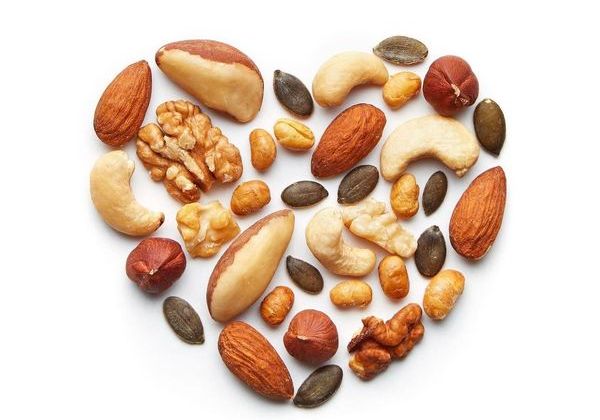
Nuts are such a great nutritionally rich food! They are a great source of Omega 3 fatty acids, which offer wonderful benefits from reducing rheumatoid arthritis to protecting against dementia and Alzheimer’s disease.

That said, they are high in calories and fat, but it’s mostly unsaturated fat. This type of fat is linked to protections against many different diseases, like heart disease.

Check out what ONE SERVING (one ounce or about 1/4 cup)

Walnuts: 183 cal, 18g fat

Brazil Nuts: 184 cal, 19g fat

Almonds: 161 cal, 14g fat

Pistachios: 156 cal, 12g fat

Cashews: 155 cal, 12g fat

There is research that suggests that nut consumption may boost the number of calories burned at rest. Another study found that participants burned 28% more calories after a meal containing walnuts than a meal containing fat from dairy sources. Healthy fat can burn fat.

US foods banned in other countries

Common US foods that are banned in other countries

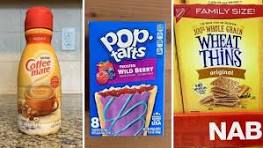
Do you love Coffee-mate in your coffee? Does Stove Top Stuffing help make your Thanksgiving prep a breeze? Do you eat the rainbow with Skittles? Enjoy a quick Pop-Tarts snack? Or just gotta join the leprechaun with those tasty Lucky Charms? Some of these are mainstays in American households.

We, consumers in these United States put our trust in the Food and Drug Administration and the Department of Agriculture to keep packaged foods, fish, and livestock production safe—but to what standards?

According to the online magazine, STACKER, The U.S. holds liberal policies on genetically modified organisms, which are more restricted or banned outright in other countries. Plus, many American food additives and production standards that have been approved domestically are banned or strictly regulated abroad. However, that could change soon—as of April 2024, California and Illinois have taken action to ban additives like Red Dye 3 and propylparaben, which have been linked to higher rates of cancer development in animals. Other states, including Missouri and New York, have proposed similar legislation to curb use of these additives.

What production practices are standardized in the United States but illegal in other parts of the world?

Click through Stacker‘s list to discover 29 everyday American food products with ingredients that are banned in other countries.

It’s time to go back to eating fewer processed foods.

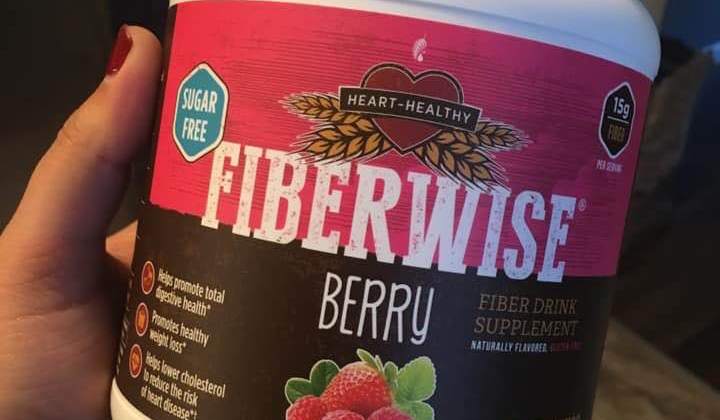
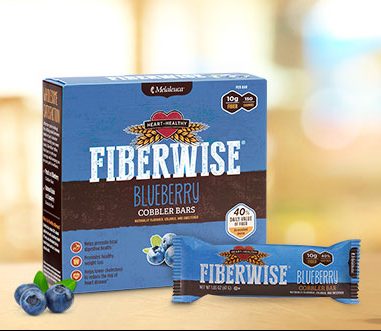
I love Fiberwise!

WHY THE UNITED STATES IS SICK

Want to know what really opened up my eyes to how food companies exploit us? I have spent years investigating the differences between European and American food products, and what I found, surprised me.

A college friend decided to live in London for a few years. While she was there, I often had her go to Tesco and other European grocery stores to take pictures of the food product ingredient lists for me and send me boxes of popular US brand products. I’d compare them side-by-side with the same brand of American products and saw completely different ingredient lists.
It appears companies like Kraft-Heinz, Kellogg’s, PepsiCo, and Quaker sell safer, better products oversees while making inferior versions to sell to Americans. The evidence of this runs the gamut from fast food places to boxed cake mix to cereal to candy and even oatmeal— you can’t escape it. This is what set me down the path of advocating for change in the food system and I’ve never looked back.

Here are six American brand products that are completely different overseas…

1. McDonald’s French Fries— McDonald’s makes their iconic french fries in the U.K. with a few simple ingredients: potatoes, oil, dextrose, salt—but in the U.S they’re made with “natural beef flavor” and sodium acid pyrophosphate, and are fried in oil laced with the anti-foaming agent dimethylpolysiloxane – the main ingredient in silly putty. They’ve somehow figured out how to cook their fries without all these extra ingredients overseas, so why not here?

2. Quaker Instant Oatmeal Packets— Did you know Quaker Oats Strawberries & Cream has ZERO strawberries? In the U.S. Quaker mimics the look and taste of real strawberries by using “Flavored and Colored Fruit Pieces” comprised of dehydrated apples, artificial strawberry flavor, citric acid, and the artificial dye Red 40. Meanwhile in the U.K. Quaker doesn’t even attempt to sell that garbage and doesn’t make any products like this. The closest counterpart they have is a product called “Oat So Simple” that has REAL strawberries in it—light years ahead of the popular U.S. version made with artificial dyes and artificial flavors.

3. Mountain Dew—Pick up a bottle of Mountain Dew in the U.K. and you’ll find that it gets its bright yellow color simply from beta carotene (a natural color derived from carrots and other plants). Meanwhile, PepsiCo sells a very different version of Mountain Dew in America. Here in the States, instead of using natural colors to give it a tantalizing look, Mountain Dew is artificially colored with a petroleum-based dye called Yellow #5. Although artificial dyes are common in America, that doesn’t make them okay to eat. They’ve been linked to several health issues and may be contaminated with carcinogens. They certainly are not as safe as beta carotene. And it gets worse…
The U.S. version of Mountain Dew contains brominated vegetable oil (BVO) – which is an ingredient BANNED in Europe. Way back in 2014, PepsiCo announced they would remove BVO from all of their American drinks following a successful petition by activist Sarah Kavanagh. But they still hadn’t removed BVO from Mountain Dew, nearly five years later. Yet, they continue to sell BVO-free Mountain Dew in other countries.

4. Heinz Ketchup— Heinz ketchup is GMO-free in the U.K., but full of GMOs and High Fructose Corn Syrup in the U.S., along with lab-produced “natural flavoring” that helps create an addiction to their product. Think of this next time you’re dipping your fries in and can’t stop! While Heinz makes a “Simply Heinz” version of ketchup in the U.S. (still with natural flavors but a cleaner ingredient list), why don’t they just make this their regular ketchup? There is no need for the heavily processed version that you’ll find in most restaurants and homes in America.

5. Doritos— Both versions of Doritos are horrible, but American Doritos are covered in artificial dyes made from petroleum (Red #40, Blue #1, and Yellow #5). These dyes have been found to be contaminated with carcinogens, such as benzidine. In the U.K., these dyes require a warning label that says “May Have an Adverse Effect on Activity and Attention in Children”. They don’t use artificial dyes in Doritos overseas and instead color Doritos more simply with paprika extract and annatto. The Doritos in the U.K. are also non-GMO, while the American versions are made with GMO corn contaminated with glyphosate weed killer..

6. Kellogg’s Frosted Flakes Cereal— At first glance the ingredients in Frosted Flakes in the U.S. and U.K. look nearly identical. The main difference is the addition of the preservative BHT (butylated hydroxytoluene) in the U.S. version. Controversial research links BHT to cancer and it’s believed to be an endocrine disruptor that interferes with your hormones. BHT isn’t permitted in cereals in Europe, so Kellogg’s reformulated their cereals to sell them legally overseas. Following the 2015 petition to get BHT out of American cereal. Kellogg’s removed BHT from several brands (like Rice Krispies), but still use it four years later in Frosted Flakes despite selling it BHT-free in the U.K.

Why don’t these companies just sell the same, safer, products everywhere?

I’ll tell you why. Europe takes a “precautionary principle” approach towards food additives that are potentially risky. They ban or add warning labels to these additives for their citizens. The U.S. takes the opposite approach. It does not remove additives from our food supply until they have been proven dangerous – which can take a very long time and a lot of red tape. This means Americans are literally the lab rats. Basically, the U.S. government allows food companies to largely police itself, deciding which ingredients, chemicals, and additives are “safe” to use in their products.

This clearly isn’t a wise approach – is it?
If a company can get away with using cheaper ingredients, they will. Given a choice, they’ll always opt for the cheaper flavor enhancer, and the cheaper color additive, and the cheaper preservative, and the cheaper GMO ingredient, even if these cheaper alternatives have a negative impact on our health.

The truth is that nobody is watching out for us. When they tell you they know their processed foods are safe, they are telling you a lie. It tells me that I need to read labels more carefully and make more of my snacks “from scratch”,

What are you going to do?

About those supplements you have…

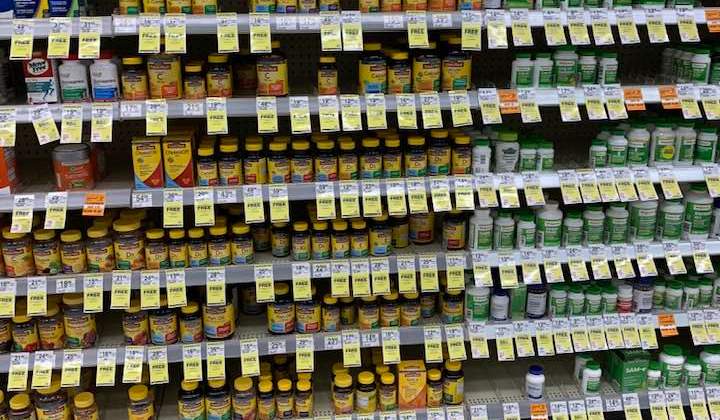
Today, I stopped by Walgreens to refill a subscription and pick up a snack, and what do I see? An aisle with all these bottles of vitamin supplements for sale. With those markdowns those supplements are more than likely getting old—or close to their “Best by” date.

I never need to worry about “Best by” dates because I get my nutritional supplements from a responsible manufacturer. My favorite supplements are freshly delivered to my door within two weeks of manufacture. Each month I receive a full 30-day supply of all my supplements in handy AM and PM packs. And it’s more cost-effective too! I am so grateful I found this company.

American produce

I read an article recently that supported something I already knew:  American produce has lost a lot of it’s nutritional value… in some cases up to 80% or more.

For example If you wanted to match the vitamin A content of an orange grown in 1940s, you would have to eat eight oranges grown today. 

The potato, for instance, has lost 100 percent of its vitamin A content, 57 percent of its vitamin C and iron, and 28 percent of its calcium.

Why?

Erosion of the topsoil plus degraded soil quality. There are other reasons, but these are the 2 primiary causes of the loss of nutrition in fruits and vegetables. Years ago, farmers rotated crops, allowing time for the soil to replenish itself. But in recent times, American farmers are under financial pressure and their fields are not given the adequate amount of time to replenish the mineral content needed to sustain healthy produce. For reference, 3 inches of topsoil require 1,000 years to build, but only a few modern farming seasons to destroy.

One other note: according to one study, organic food could have a nutritional advantage over conventional food because organic produce has between 20 to 30 percent more nutrients. But that’s still not enough to make up what we our bodies need.

Hence, the need for supplements. But can you trust your supplements that they are actually getting absorbed into your body?

Stay tuned for me to teach you what to look for when it comes to your supplements!

Be Happy & Be Healthy!

Mela Out

Do you use Mela Out?

This stuff has been so helpful in winding down every day and getting a good nights sleep.

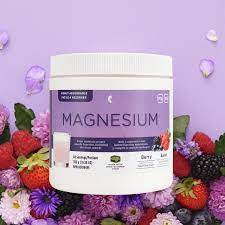
There are lots of different types of magnesium, and this type is the one that helps reduce STRESS.

Lowering stress and sleeping well are two factors that can help to improve overall health and weight loss goals.

If you haven’t tried this before, I highly recommend!

I love having a GC control shake

I love having a GC Control shake for afternoon snack. It’s gives me that extra energy when working. BUT…sometimes I like to change it up a bit and I turn my shake into tasty chocolates.

Recently. I tried preparing some homemade GC chocolates. I’ve since discovered if II pop two for my afternoon snack, and I’m good to go until dinner time.

It’s a simple recipe:
• 4 Tbsp Coconut oil
• 8 Tbsp powdered peanut butter.
• 4 Tbsp coconut oil
• 8 Tbsp chocolate GC Control
• Optional chopped almonds or walnuts.

You can also pour onto parchment paper and break into pieces.

Enjoy!!!

Have You Heard of GHEE?

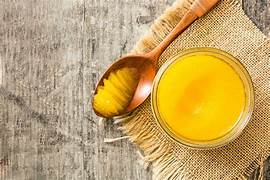
Ghee (pronounced GEE with a hard G), is a type of clarified butter. It’s more concentrated in fat than butter, as its water and milk solids have been removed. Ghee does not require refrigeration and can be kept at room temperature for several weeks. In fact, like coconut oil, it may become solid when kept at cold temperatures.

It has become very popular recently as a substitute for butter. How do they compare?

Both contain nearly 100% of calories from fat.

Ghee contains a higher concentration of fat than butter. Overall, the differences between the two are small, and choosing one over the other likely won’t significantly affect your health.

However, ghee is completely free of the milk sugar lactose and the milk protein casein, whereas butter contains small amounts of each. 

Ghee is rich in important nutrients like vitamin A, omega-3 fatty acids, and conjugated linoleic acid. It may also help reduce gut inflammation and support heart health.

Life, Magic & Pasta

They say life is a combination of magic and pasta. Add good friends to the recipe and you have a great memory that makes you smile for a long time!

“Laughter is brightest when the food is good.” – Irish Proverb