Sunscreen and collagen ? Yes, please!

Astaxanthin is a carotenoid found in certain algae. (It’s what gives salmon, lobsters, and flamingoes their pinkish color!!)

This antioxidant is 6,000 times more potent than Vitamin C; 560 times more potent than green tea; and
800 times more potent than CoQ10, providing the highest level of protection for your brain, heart, eyes, skin and entire body!

Astaxanthin protects the skin against the damage associated with sun exposure—because of its potent antioxidant properties, it neutralizes the free radicals produced by the sun’s rays and prevents the typical damage caused by sunburn.

Astaxanthin has an impressive ability to help skin manage photodamage by promoting new skin cells, elastin, and collagen production.But it doesn’t replace topical sunscreen—you still need to use that every two to three hours.

Taking astaxanthin daily can:

• Improve skin elasticity

• Reduce age spots and wrinkles

• Protect cells against UVA-induced skin damage

• Work as an internal sunscreen

It’s a great supplement to take in the summer, but the health benefits are good year-round!

Like this if you love the sun and your skin!

Tip of the day

Eat breakfast like a king, lunch like a prince and dinner like a college kid with a maxed out charge card.

Healthy Tip of the day–drink/eat

Drink green tea and plenty of water. Eat blueberries, broccoli, and almonds.

My magnesium results are in!

Did you know the general thought is that you use less than 10% of the minerals in supplements off the store shelf?

For eight months, I faithfully took the popular Calm Magnesium every night per my nutritionist’s direction. When my online wellness shopping club introduced MelaOut a short while ago— being the hopeless, trusting fan of my club that I am, I switched immediately.

The decision was easy because I understand the Oligo technology used with the minerals in their supplements; I knew I would be getting much more magnesium than before. Ten times more magnesium in proven studies. About two weeks ago I began drinking a glass of Melaout daily.

𝙒𝙞𝙩𝙝 𝙩𝙝𝙚 𝙈𝙚𝙡𝙖𝙊𝙪𝙩, 𝙄 𝙣𝙤𝙩𝙞𝙘𝙚𝙙 𝙨𝙞𝙜𝙣𝙞𝙛𝙞𝙘𝙖𝙣𝙩 𝙙𝙞𝙛𝙛𝙚𝙧𝙚𝙣𝙘𝙚𝙨 𝙩𝙝𝙚 𝙛𝙞𝙧𝙨𝙩 𝙬𝙚𝙚𝙠:

• my blood (dystolic) pressure dropped 20-30 points.  No other healthy habit had helped for about five years.
• my night time leg cramps (which are often due to poor calcium intake or dehydration – but not my issue) STOPPED. 
• Too much information, I know, but my colon was no longer irritated (from Calm).

So many supplements on the store shelf are not worth their money!  (I have stories!) If my wellness shopping  club cannot do something better for a reasonable price— they just don’t do it.  I’m glad they figured this one out.

For your homework:
Low magnesium levels make vitamin D ineffectivehttps://www.sciencedaily.com/rel…/2018/02/180226122548.htm

“widespread magnesium deficiency is contributing to an epidemic of heart attack and stroke deaths” https://www.lifeextension.com/…/americans-magnesium…

According to Dr. Mark Hyman:
You might be magnesium deficient if you have any of the following symptoms: Muscle cramps or twitches; Insomnia; Irritability; Sensitivity to loud noises; Anxiety; Autism; ADD; Palpitations; Angina; Constipation; Anal spasms; Headaches; Migraines; Fibromyalgia; Chronic fatigue; Asthma; Kidney stones; Diabetes; Obesity; Osteoporosis; High blood pressure; PMS; Menstrual cramps; Irritable bladder; Irritable bowel syndrome; Reflux; Trouble swallowing.
https://drhyman.com/blog/2010/05/20/magnesium-the-most-powerful-relaxation-mineral-available/?fbclid=IwAR0ZWJbLxyhFuEj_p52gepDuXZaj2RDjqaWzBOlyrdCKV-K_Snj-XMM2ADM


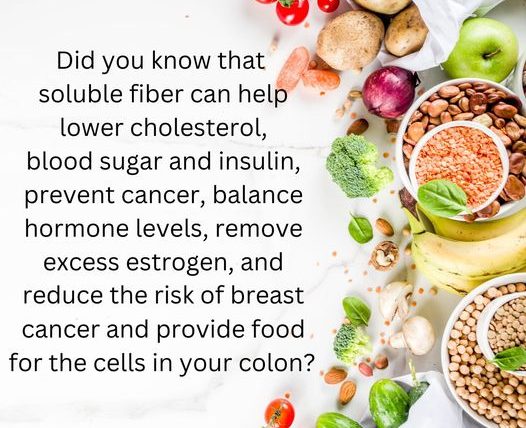
How much daily fiber do you get?

Did you know of the day

There are so many kinds of apples, that if you ate a new one every day, it would take over 20 years to try them all.

Sugar: The Dose Makes The Poison

300 years ago, the average person ate about five pounds of sugar per year. Today, the average person consumes nearly 200 lbs of sugar per year! At that dose, sugar is considered toxic. It can cause: Diabetes; Increased Inflammation; Heart Disease and Cancer. Since I’ve been having to watch my sugar intake, I’ve been reading labels and counting grams of sugar in anything and everything I purchase.

Did you know that plain, unflavored yogurt has about 9 grams of naturally occurring milk sugar, but a store bought vanilla yogurt typically has 30 grams of sugar. The manufacturer of the vanilla yogurt added 21 grams of sugar to give it that sweet vanilla flavor.

But you can make your own.
Buy plain unflavored yogurt (brands like Two Good only contain 2 grams of sugar. Read the labels!)
Add one teaspoon of real maple syrup and a few drops of vanilla extract.
Total sugar will be between 13 – 15 grams, less than half the store bought version.

Manufacturers add sugar because it is a cheap filler and they know it helps to addict you to their products!

Look at this comparison to the sugar in different products, I was amazed to see the levels of sugar!

Shop wisely for your health.  We got this.

Stress Management/Sleep Management

My Wellness Shopping Club offers a magnesium that is powered by a special process and provides the most absorbable forms of magnesium and Vitamin B6 of any magnesium supplement on the market.
Vitamin B6 is added to help the body’s cells utilize magnesium.
As an asthmatic, I always new that magnesium helps to relax airways and promote blood vessel dilation to make it easier to breathe. But, I didn’t know magnesium also relieves stress; muscle tension and cramping; promotes sleep and digestive regularity. Who knew?

The sleep aid features time-release and quick-release melatonin, plus a soothing herbal blend to help you feel relaxed sooner; fall asleep faster; and stay asleep longer.

Magnesium. Who knew?
For the 50 percent of you who are low in magnesium.

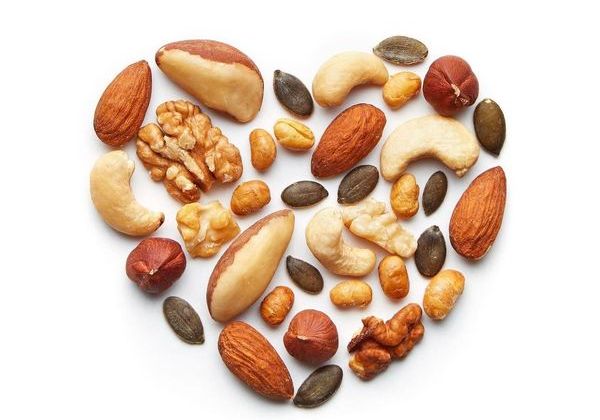
Add Nuts to Your Diet

They are a nutritionally rich food! They are one of the main sources of Alpha Linolenic Acids or ALAs, an omega 3 essential fatty acid. ALA’s offer a range of health benefits from reducing rheumatoid arthritis to protecting against dementia and Alzheimer’s.

Nuts also contain unsaturated fat. This type of fat is linked to protection against heart disease.

But they are high in fat and calories, so moderation is key. Just one serving a day is all you need!

One study found that participants burned 28% more calories after a meal containing walnuts than a meal containing fat from dairy sources. In other words, healthy fat can burn fat!

High blood caffeine level might curb amount of body fat and type 2 diabetes risk

A high blood caffeine level might curb the amount of body fat a person carries and their risk of type 2 diabetes, suggests research published in the open access journal BMJ Medicine.

In light of these findings, the potential role of calorie free caffeinated drinks for lowering the risks of obesity and type 2 diabetes is probably now worth exploring, say the researchers.

Previously published research indicates that drinking 3-5 daily cups of coffee, a rich source of caffeine, is associated with a lower risk of type 2 diabetes and cardiovascular disease, note the researchers. An average cup of coffee contains around 70–150 mg caffeine.

But most of the published research to date has concerned observational studies, which can’t reliably establish causal effects, because of the other potentially influential factors involved, the researchers note. What’s more, it’s difficult to disentangle any specific effects of caffeine from the other compounds included in caffeinated drinks and foods.

To overcome these issues, the researchers used Mendelian randomization to find out what effect higher blood caffeine levels have on body fat, and the long term risks of type 2 diabetes and major cardiovascular diseases—coronary artery disease, stroke, heart failure, and irregular heart rhythm (atrial fibrillation).

Mendelian randomization is a technique that uses genetic variants as proxies for a particular risk factor—in this case blood levels of caffeine—to obtain genetic evidence in support of a particular outcome—in this study, weight (BMI) and type 2 diabetes risk.

The researchers looked at the role of two common genetic variants of the CYP1A2 and AHR genes in nearly 10,000 people of predominantly European ancestry, who were taking part in 6 long-term studies. The CYP1A2 and AHR genes are associated with the speed of caffeine metabolism in the body.

People who carry genetic variants associated with slower caffeine metabolism drink—on average—less coffee, yet have higher levels of caffeine in their blood than people who metabolize it quickly to reach or retain the levels required for its stimulant effects.

The results of the analysis showed that higher genetically predicted blood caffeine levels were associated with lower weight (BMI) and body fat. Higher genetically predicted blood caffeine levels were also associated with a lower risk of type 2 diabetes.

The researchers then used Mendelian randomization to further explore the extent to which any effect of caffeine on type 2 diabetes risk might principally be driven by the concurrent weight loss.

The results showed that weight loss drove nearly half (43%) of the effect of caffeine on type 2 diabetes risk.

No strong associations emerged between genetically predicted blood caffeine levels and the risk of any of the studied cardiovascular disease outcomes.

The researchers acknowledge various limitations to their findings, including the use of only two genetic variants, and the inclusion of only people of European ancestry.

But caffeine is known to boost metabolism, increase fat burning, and reduce appetite, they explain. And a daily intake of 100 mg has been estimated to increase energy expenditure by around 100 calories a day, which could consequently lower the risk of developing obesity.

“Our Mendelian randomization finding suggests that caffeine might, at least in part, explain the inverse association between coffee consumption and risk of type 2 diabetes,” write the researchers.

“Randomized controlled trials are warranted to assess whether non-caloric caffeine containing beverages might play a role in reducing the risk of obesity and type 2 diabetes,” they conclude.

This article was originally published March 16, 2023 | On MedicalXpress Breaking News-and-Events.