The Olive Oil Deception 

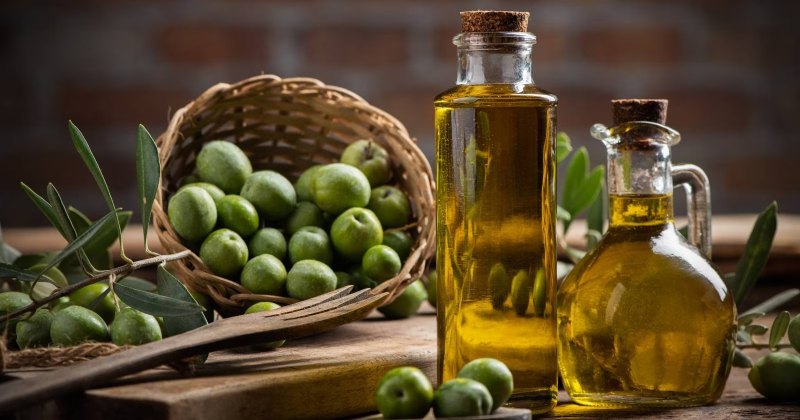
Did you know that olives are a fruit?
And just like fruit juice, olive oil tastes best and is the most nutritious when it’s fresh.

Fresh-pressed olive oil has the highest levels of antioxidants, polyphenols, and a unique anti-cancer compound called Oleocanthol.

But there’s a problem:
According to Forbes“It’s been reliably reported that 80% of the Italian olive oil on the market is fraudulent. A study last year by the National Consumer League found that six of 11 bottles of Extra Virgin olive oil from three major retailers—Whole Foods, Safeway, and Giant—failed to meet Extra Virgin requirements.”
Yes, many olive oil companies produce low quality olive oil diluted with other oils, and some companies sell “olive oil” that isn’t even made from olives!

In his book, Extra Virginity, olive oil expert, Tom Mueller, warns of contaminants and cancer-causing agents in these fake olive oils:
“Italian investigators have found hydrocarbon residues, pesticides, and other contaminants in fake oils, and pomace oil, a common adulterant, sometimes contains mineral oil as well as PAHs, proven carcinogens that can also damage DNA and the immune system.”

So how do you know if it’s authentic?

The Label: The label should indicate the harvest date and whether the oil has been blended with other oils. Look for a quality seal from the International Olive Council (IOC) for European oils or the California Olive Oil Council for American oils, which indicate that the oil has been tested and meets certain standards.

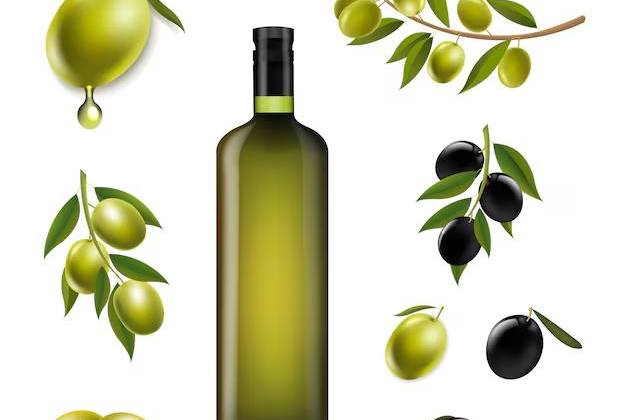
The Bottle: The bottle should be dark colored glass to protect against UV Ray exposure

The Taste: Authentic EVOO has a bright flavor with hints of fruit, grass, and almond, and a slightly bitter, peppery aftertaste. Low-quality or “fake” EVOO may taste dull, greasy, waxy, or crayon-like, or have no flavor.

So shop carefully and read those labels!

Have you ever heard of the French Paradox?

We all know that high saturated fat and high cholesterol foods are bad for our hearts, right?

The French consume more of these foods than we do, yet they enjoy significantly better heart health. This finding seemed to contradict other research that clearly linked fat-laden diets with increased risk for heart disease.

Many researchers attribute this paradox to the heart-healthy components of grapes. While the French may eat more fatty foods, they also drink more wine with their meals. The grapes used to make the wine are an extremely potent source of natural antioxidants including flavonoids.

Of all the potential vegetables, fruits, herbs, exotic berries, nuts, and roots that lead to a healthier heart, none compares to the purple grape. Purple grapes are filled with polyphenols that positively impact the interior of blood vessels unlike anything else.

That said, drinking wine every night is not a wise move for many for obvious reasons.

That’s supplement my diet with two of my very favorite ingredients daily!

Grape Seed/Skin Extract: A super-concentrated, natural extract associated with maintaining healthy blood pressure and supports healthy endothelial function. Grape skin includes many critical natural compounds that are extremely useful for a healthy cardiovascular system, called Anthocyanins. Anthocyanins are powerful polyphenolic compounds that are especially helpful in maintaining a healthy endothelial function.

Resveratrol: A polyphonic compound found in grapes and some berries. Resveratrol has been shown in lab tests to neutralize free radicals and is associated with a wide variety of beneficial physiological effects, including cardiovascular health. It is also associated with helping maintain healthy endothelial function. It’s suggested in several studies that resveratrol has a positive impact on diseases such as cancer.

Question: Do you look at the ingredients in your supplements? 

Is There Anything a Carrot Can’t Do?

Someone one once asked me “What do carrots do?” I absolutely couldn’t answer, other than providing vitamins for the eyes and vitamin A I had no idea of what carrots do!

Since then I’ve learned that there are three compounds found in carrots: falcarinol, luteolin, and beta-carotene, can all cause apoptosis (cell death) in cancer cells. Luteolin and beta-carotene are very anti-angiogenic, which means they help stop blood vessels supply to tumors.

Luteolin upregulates the tumor supressor gene p53 that is normally downregulated in cancer. It also down regulates the WNT-beta catenin, which is normally over-expressed in many cancers.
Luteolin downregulates P13k pathway. P13k regulates cell survival, proliferation and increased expression is associated with tumor progression.  When over expressed it reduces apoptosis (cell death) and allows proliferation.
Luteolin downregulates MUC1; a sticky protein that coats cancer cells in a protective layer, making it difficult for anti-cancer substances and medicines to permeate the cancer cell.
Luteolin activates AMPK . AMPK inhibits MTOR another pathway related to cancer progression.

Luteolin and Beta-carotene downregulate VEGF pathways that are over expressed in many cancers. VEGF pathway stimulates cancer cell growth.
Luteolin and Beta-carotene enhance insulin sensitivity!

Beta Carotene, luteolin, and falcarinol help repair normal function to the PPAR pathway, which regulates how certain genes are expressed and how fats and glucose are used in the body. It plays an important role in regulating cell proliferation and tumor growth.
Beta-carotene and luteolin down regulate MMP. MMP (matrix metalloproteinases) contributes to angiogenesis or blood supply to the tumor.

Falcarinol, betacarotene and lycopene lower inflammatory pathways by effecting TNF-A, IL-1, IL 6, and Cox-2.
Falcarinol suppresses the Notch pathway and shows the potent antiproliferative activity by selectively killing colorectal cancer cells and repressing tumor growth, without affecting normal colon epithelial cells! The study can be found here!
Falcarinol is a POTENT immune stimulator. Beta carotene and luteolin also stimulate the immune system.
Falcarinol, Luteolin activates PTEN, a major tumor suppressor gene.
Falcarinol induced a gut bacteria change in rats that led to a decrease in chemically induced neoplasms. Study here!
Falcarinol is antifungal and antibacterial!

Here’s a great article on retinoids in carrots potently repairing common dysregulated pathways in colorectal cancer, even the APC “genetic” polyp disorder associated with some colorectal cancers!

Endocannabinoid system- THC binds with CB1, so does carrots! Study here!

Carrots and terpenes. Carrots have 31 terpenoids! Terpenoids have been shown to potently inhibit cancer!

Carrots are high in pectin surprisingly! Pectins make it hard for cancer cells to adhere therefore, carrots help prevent metastasis. Pectins can also cause direct cancer cell death for some types of cancer. If you want more pectin, Modified Citrus Pectin is a supplement some people take.

If you’ve made it all the way through this article to ask “What about all that sugar?” A friend’s fasting blood sugar was pre-diabetic at 110 prior to diet change. Averaging about five pounds of carrots a day plus a fruit smoothie, it’s now around 70 NON-FASTING! Natural sugar is processed differently and each molecule of fruit/veggie sugar contains a plethera of anti-cancer substances!

If you’re interested in learning more about carrots and cancer, I highly recommend the book  Killing Cancer with Carrots!

Magnesium

Did you know…

that over 600 processes in your body revolve around magnesium?

Processes like creating energy, protein formulation, gene repair and maintenance, muscular movement and the nervous system.

  • Magnesium helps with exercise performance.—One study involving athletes showed that a magnesium supplement boosted their physical performance by creating energy when it is need immediately. 
  • Magnesium helps Type II Diabetes. —Studies have shown that blood sugars and A1c levels improve with consistent use of magnesium.
  • Magnesium helps Inflammation.— Supplementing with magnesium helps to control or reverse inflammation, which if left untreated leads to early aging, chronic diseases and obesity.

As with any supplement, not all magnesium supplements are created equal. I use a powdered formulation—which makes it easy to add to lemonade, water, protein shakes, and more. It also has Vitamin B6, which is essential for delivering the magnesium directly to the cells.

Magnesium ranks high in order of importance when it comes to your health, so if you aren’t taking magnesium, maybe now is the time to start!

Exercises for Our Eyes?

We often take our eyesight for granted. 

One of the meds I take has a side effect: it can lead to blindness. My mother had macular degeneration and had to take painful injections monthly for that. So given that history, I take a specific supplement to strengthen my eyes.

Now I plan to add in an exercise regimen — for my eyes. 
Just like many other muscles in the body, the muscles of the eye, including those responsible for changing the focal length of your vision—can atrophy without exercise.

Here are nice exercises that will help you keep your eyes in the best shape they can be:

Strengthen near and far focusing. Focus on your thumb 10 inches away for 10–15 seconds, then switch focus to an object 10–20 feet away. Repeat five times to improve focus adjustment ability.

Blink for a minute. Blink rapidly for 30–60 seconds to regulate blood circulation, lubricate your eyes, and prevent dryness.

Rotate your head while staring ahead. Turn your head in a circular motion while keeping your gaze straight ahead. This improves blood circulation to your eyes.

Look to your right and left. Slowly move your gaze from right to left while breathing. This one relaxes and stretches the eye muscles.

Close your eyes and relax. Close your eyes for at least 30 seconds to relax and strengthen your photoreceptor cells.

Move your gaze in different directions. Shift your gaze right-left, up-down, in circular motions, and trace a figure eight with your eyes. This improves visual perception for both near- and far-sightedness.

Close and open your eyes. Tighten your eyes shut for 3–5 seconds, then open them. Repeat seven times to improve blood circulation and relax your eye muscles.

Push against your temples with your fingers. Gently press your temples with your fingers for two seconds, then release. Repeat 4–5 times to improve fluid circulation in your eyes.

Draw geometric figures with your gaze. Use your eyes to trace shapes such as triangles, squares, and circles to enhance your eye coordination and muscle strength.

Access Bars

I love having the Access Bar for a pre-workout “snack” because of the fat burning technology the bar offers. They help me with my workouts too.
If I et one 15 – 20 minutes before a workout, my performance is improved and I am using a good source of energy as I am not exercising on an empty stomach.

Because they taste so good, I love cutting the Access bars into slivers when I’m having a sweet-tooth craving. A few slivers of the Access Bar always seems to do the trick and it help prevent binging on not-so-great snacks. These two flavors pictured are ling-time favorites!

How do you Access?

Which is healthier?

Avocado or Blueberries?

Both AARE considered a “superfood” so we obviously can’t go wrong with either one. But it’s good to view the differences if you have specific health goals.

  1. Avocado has more protein, healthy fat (Omega 3s), and fiber, while blueberries have more carbs. An easy win for avocado here, unless you’re on a calorie-controlled diet perhaps, since avocado is also higher in those.
  2. Avocado has more of vitamins A, B1, B2, B3, B5, B6, B7, B9, C, E, K, and choline, while blueberries are not higher in any vitamins. Pretty much a slam dunk here.
  3. Avocado is higher in minerals. It has more calcium, copper, iron, magnesium, phosphorus, potassium, selenium, and zinc, while blueberries are higher in manganese. Another win for avocados.
  4. Blueberries have about 1193x the polyphenol content that avocados do. Blueberries got the reputation for antioxidant properties for a reason; it is well-deserved!

Try adding an avocado to your salads to get more protein. Adding blueberries to your protein shakes and yogurt for healthy snacking!
How do you incorporate these snacks into your daily diet?

Fruits and Vegetables Can Help Prevent Cancer

In study after study, diets high in fruits and vegetables have been shown to lower cancer risk. Fruits and veggies are rich in polyphenols, flavonoids, dietary fiber and antioxidant vitamins and minerals that have a huge impact on fighting cancer. 
Unfortunately, many conventionally grown fruits and vegetables are loaded with unwanted chemicals like, glyphosate – the active ingredient in the weedkiller Roundup.
Glyphosate was introduced in 1996, found to be ‘probably carcinogenic’ in 2015, and in 2019, scientists at University of Washington reported a compelling link between exposure to glyphosate-based herbicides and increased risk for non-Hodgkin’s lymphoma.

Note: The Environmental Protection Agency (EPA) continues to insist that there is no evidence that glyphosate causes cancer in people. That said, Bayer, which acquired Monsanto in 2018, has shelled out over $10 million for current and future lawsuits involving glyphosate and NHL. 

To no surprise, eating a diet filled with organic fruits and veggies is linked with lower cancer risks. Five servings/day is optimal but even two servings/day can lower your risk by 10%. Just make sure you choose organic!

There’s nothing like waking up with GC in your cup!

Eating for Health

BANANAS

•Protect your heart.
•Strengthen bones.
•Control blood pressure.
•Block diarrhea.

BEANS

•Prevent constipation.
•Help hemorrhoids.
•Lower cholesterol.
•Combat cancer.
•Stabilize blood sugar.

BROCCOLI

•Saves eyesight.
•Combats cancer.
•Protects your heart.
•Controls blood pressure.

CABBAGE

•Combats cancer.
•Prevents constipation.
•Promotes weight loss.
•Protects your heart.
•Helps hemorrhoids.

CARROTS

•Save eyesight.
•Protect your heart.
•Prevent constipation.
•Combat cancer.
•Promote weight loss.

CAULIFLOWER

• Protects against Prostate Cancer.
•Combats Breast Cancer.
•Strengthens bones.
•Banishes bruises.
•Guards against heart disease.

GARLIC

•Lowers cholesterol.
•Controls blood pressure.
•Combats cancer.
•Kills bacteria.
•Fights fungus.

GRAPEFRUIT

•Protects against heart attacks
•Promotes Weight loss
•Helps stops strokes
•Combats Prostate Cancer
•Lowers cholesterol

GRAPES

•Save eyesight.
•Conquer kidney stones.
•Combat cancer.
•Enhance blood flow.
•Protect your heart.

GREEN TEA

•Combats cancer.
•Protects your heart.
•Helps stops strokes.
•Promotes weight loss.
•Kills bacteria.

HONEY

•Heals wounds.
•Aids digestion.
•Guards against ulcers.
•Increases energy.
•Fights allergies.

LEMONS AND LIMES

•Combat cancer.
•Protect your heart.
•Control blood pressure.
•Smoothes skin.
•Prevents scurvy.

MUSHROOM

•Controls blood pressure.
•Lowers cholesterol.
•Combats cancer.
•Strengthens bones.

OLIVE OIL

•Protects your heart.
•Promotes Weight loss.
•Combats cancer.
•Battles diabetes.
•Smoothes skin.

ONIONS

•Reduce risk of heart attack.
•Combat cancer.
•Kills bacteria (bactericidal).
•Lower cholesterol.
•Fight fungal infections.

ORANGES

•Support immune systems.
•Combat cancer.
•Protect your heart.
•Straighten respiration.

PINEAPPLE

•Strengthens bones.
•Relieves colds.
•Aids digestion.
•Dissolves warts.
•Blocks diarrhea.

STRAWBERRIES

•Combat cancer.
•Protect your heart.
•Boost memory.
•Calm stress.

SWEET POTATOES

•Save your eyesight.
•Lift mood.
•Combat cancer.
•Strengthen bones.

TOMATOES

•Protect prostate.
•Combat cancer.
•Lower cholesterol.
•Protect your heart.

WALNUTS

•Lower cholesterol.
•Combat cancer.
•Boost memory.
•Protect against cardiovascular diseases.

WATER

•Quenches thirst.
•Combats cancer.
•Conquers kidney stones.

WATERMELON

•Protects prostate.
•Promotes weight loss.
•Lowers cholesterol.
•Helps stops strokes.
•Controls blood pressure.
•Fights dehydration.

APPLES

•Protect your heart.
•Prevent constipation.
•Prevent diarrhea.
•Improve lung capacity.
•Cushion joints.

AVOCADOS

•Battle diabetes.
•Lower cholesterol.
•Help stops strokes.
•Control blood pressure.
•Smoothes skin.