

Sleeping without a pillow reduces back pain and keeps your spine stronger.
Read more about medical thoughts on sleeping without a pillow in Medical News Today here.

Sleeping without a pillow reduces back pain and keeps your spine stronger.
Read more about medical thoughts on sleeping without a pillow in Medical News Today here.

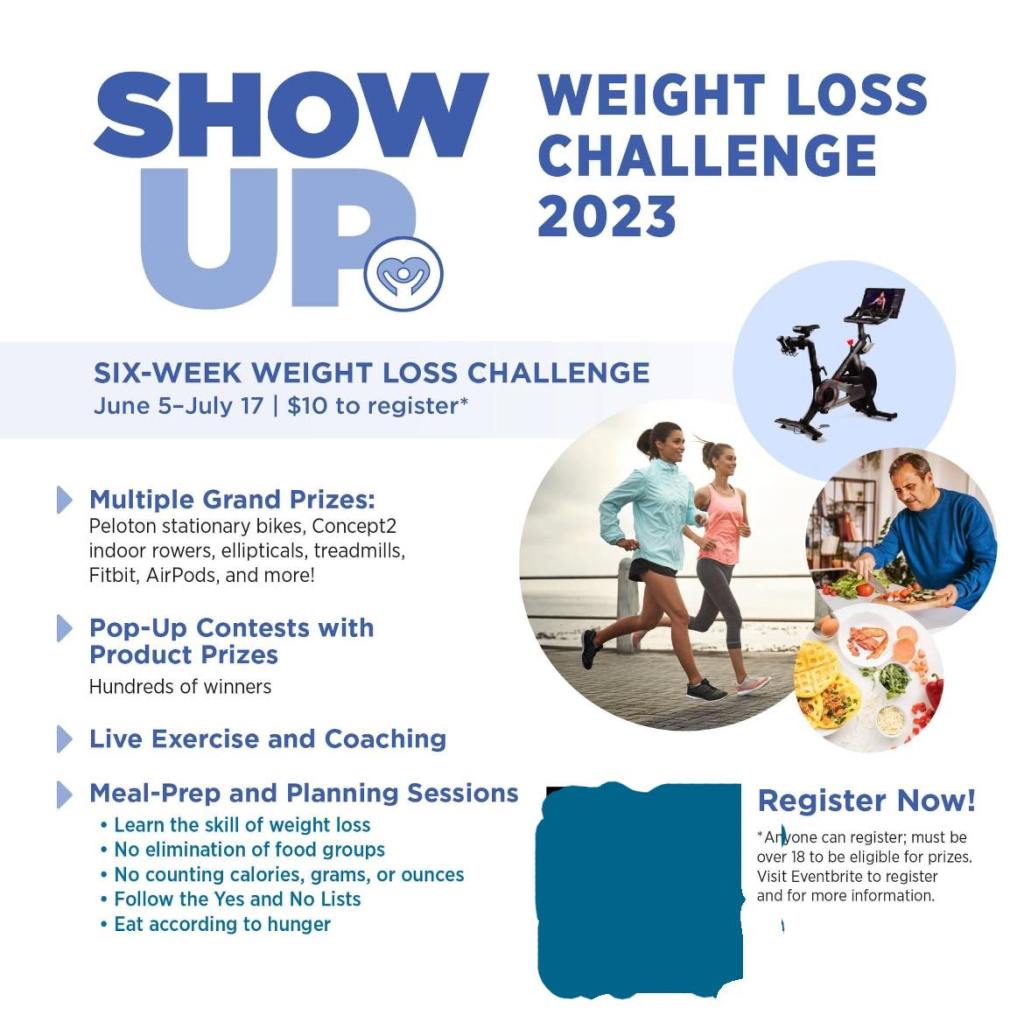
Are you ready to transform your life by learning how to create healthy eating habits and stop dieting ?
If you know me and have seen me recently, you know that I lost more than 80 pounds between June 2022 and January 2023. If you admit to the weight I previously lost, it’s more than 100 pounds! You may have even. seen the post about it, if not, here is the link.
How did I do it? I heard about a program called R3. R3 is an amazing weight loss program that helps you create a sustainable habits.
No calories counting
Not a diet
It’s a simple way that will help you lose weight and keep it off!
Who is ready to learn more ?
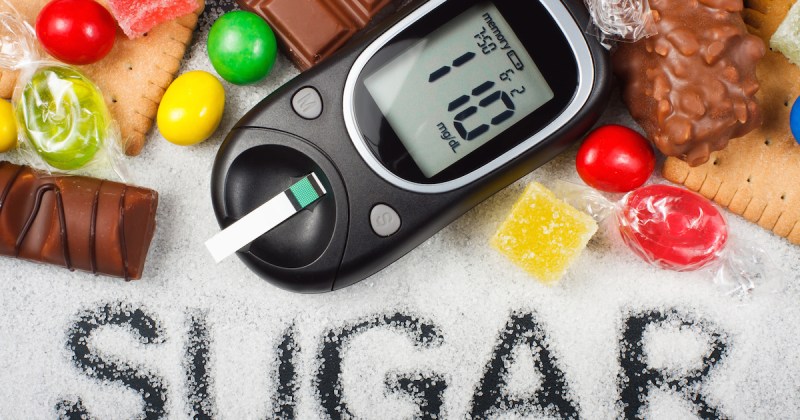
Last year, I found myself waking up in the ICU of a hospital, with no memory of how I got there. My last memory is that I was at the airport. I remember having a vague conversation with a police officer. Other than that, I have no further recollection of that day until I woke up in that ICU two days later. Luckily I carry my health info and medical cards with my drivers license, so they were able to care for me. The diagnosis? DKA – Diabetic Ketoacidosis. My blood sugars had spiked to nearly 600 and I was on the verge of a diabetic coma. Considering I had never had any indication of sugar issues — all my bloodwork always came back perfectly normal.
So what happened? My doctors explained that my recent move, my recently broken shoulder and the resulting pain and lack of sleep, burying a parent, extensive dental work and weight loss (a good thing) put quite a bit of stress on my system. All of these contributed to a metabolic imbalance and my body decided to crash—big time.
Turns out the ability of the body to control insulin can make significant differences in the quality of one’s health. Insulin is a hormone that is generated in the pancreas. It is released, optimally, in small amounts throughout the day and in larger amounts after meals.
Insulin and its effects can also cause weight gain, battle metabolic issues and even lead to diabetes. The below article from “Get Your Lean On” gave me some insight and tips on controlling the insulin my body manufactures and I thought I’d share.
It recommends avoiding all forms of sugar, which led me to the R3 lifestyle. The study results showed sugar promotes insulin resistance. Refined carbohydrates are another food to moderate or avoid completely, if you are able, since they are converted to sugars. With my new R3 eating plan, I rarely crave sweets or carb-loaded foods—but I still crave grapefruit and indulge that craving every other day.
The article also recommends eating foods that are higher in soluble fiber and will help stabilize and regulate blood sugar levels. Soluble fiber also produces higher levels of good “gut’ bacteria and makes you feel fuller, longer. I make certain I get lots of veggies (especially cucumbers and peppers) and drink Fiberwise daily. With R3 I do have two healthy snacks every day, usually veggies. I’m never hungry between meals anymore.
Of course, the study recommends that regular exercise should also be a part of a good daily, healthy regime. Unfortunately with my broken shoulder and subsequent shoulder replacement, I’ve not been working out or exercising for the past year—other than walking the dog, that is.
Finally, I’ve followed the suggestion to increase consumption of lean protein. With R3 I make it a point to have protein within an hour of waking up each morning. I didn’t believe it when I was first told to do this, but it works! Turns out the protein helps to absorb valuable amino acids that build muscle. Eating the right proteins is critical to the overall effect of an insulin “smart” diet, so I pay attention to the types and amounts of the protein I eat at every meal.
You may also want to consider some supplementation in your plan, regardless if your goals are weight-loss or simply universal good health. My company has developed a great tasting shake in several different flavors that allow me to easily and conveniently control my blood sugar and insulin levels.
I love Pain-a-Trate for my sore muscles after my hard work out this morning! I got in an hour of rowing and swimming, a three-mile run/walk with my feisty dog and a half hour of weights. I know I will feel it a bit later. but I am so glad I found this great alternative to Icy Hot and BenGay!
Not only does it soothe the pain it works quickly to relieve it!

Games get intense under the hot summer sun and we need to replace fluids lost in the heat of battle.
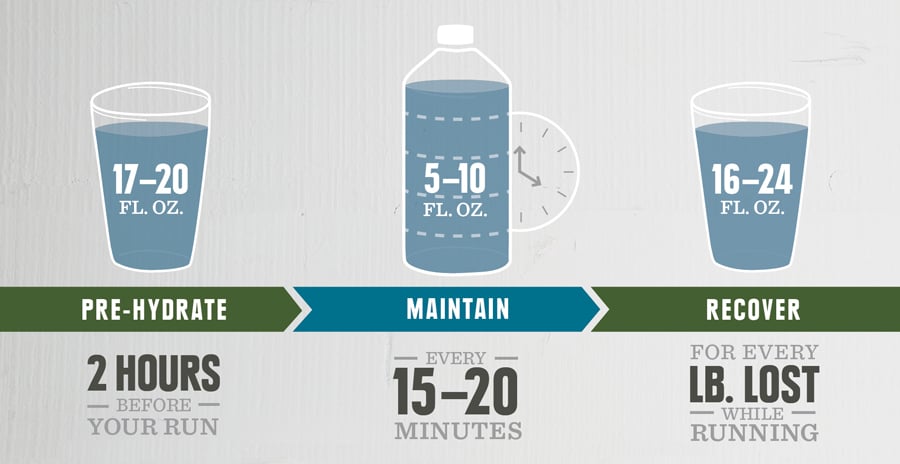
Did you know the human body contains more than 60 percent water? Maintaining that balance while training is a challenge, doing it during the summer months is a practice that must be consistent. Becoming overheated or dehydrated can lead to heat stroke and possibly death.
There are ways to help prevent dehydration. Being hydrated before a workout even begins is important. If you are under hydrated before you start it’s hard to catch up once the sweating starts. Drink plenty of fluids throughout the training. These can include sports drinks which contain electrolytes (Magnesium, Calcium, Sodium and Potassium) to replenish the essential minerals the body loses through perspiration.
My favorite product is Sustain which has the dual duty of protecting the athlete as well as providing essential electrolytes for maintaining hydration balance while the athlete trains, without adding excess sugar. Sustain can be used before, during, and after the workout, to continue fluid replenishment. It tastes great and is easy to bring on my workouts.

As an athlete; a runner, cyclist, swimmer, skier—I have to take care of my feet. After this morning’s walking workout, I am grateful for this wonderful product!
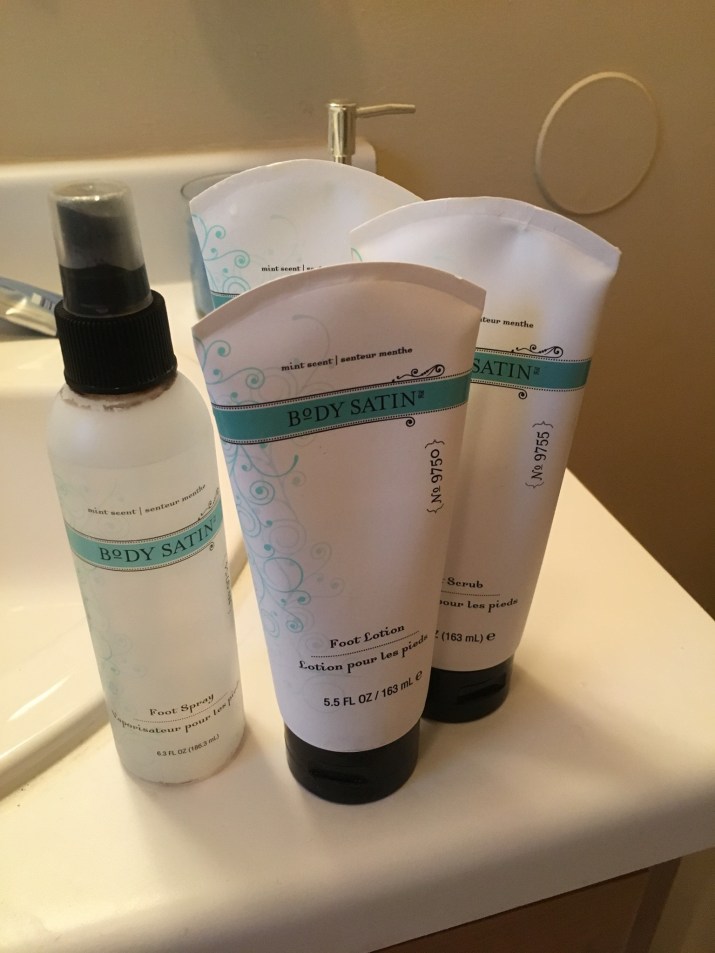
Body Satin foot care products feel so good and refreshing on my tired and sore soles, the best part? They’re available at my favorite online shopping club. I feel like I have twinkle toes!
It’s good to speed up during everyday activities like grocery shopping or taking your dog out, but you should also incorporate power walking into your official training plan. That’s because walking makes a routine full of HIIT, sprints, and other demanding sessions more well-rounded and, unfortunately, athletes don’t do it enough. That’s important: working your heart rate at varying intensities on different days is crucial for improving performance, avoiding plateaus, and dodging injury for all athletes.
A new study shows that metabolically, moving at a cadence of 100 steps per minute (or 3 mph) counts as moderate intensity training. Raise your pace to 130 steps per minute (about 4 mph), and researchers say you’re likely logging a vigorous workout.
Try to swap one or two steady-state runs or active recovery workouts per week with a power walk of 30 to 60 minutes each—aim for up to 4 mph on the treadmill or a heart rate between 130 and 150 if walking outside.


It can be relaxing to take a leisurely stroll, but the next time you go for a walk, you might want to pick up the pace.
We’ve all been there, you’re walking around with a group, half is lagging behind while the other half is racing forward. Fast and slow walkers have been at odds since the dawn of man, but now there may be a good reason to catch up.
According to a new study out of the University of Leicester in England, which researched a pool of almost 500,000 people, the study found that fast walkers lived an average of 20 years longer than their slow-paced counterparts.
Experts say it boils down to fast walking is an indication of better physical fitness, regardless of weight or even height for that matter.
Of course, any walking is better than no walking, so fast or slow, a good stroll is a step in the right direction.
So let’s get moving.

Since 2009, the first Wednesday in June has been designated as National Running Day Designed as a day for runners to reaffirm their passion for running, it’s also a good day for beginners to begin a life-changing commitment to running.
For some, running is a daily routine. The moment the runner awakes, their mission is to complete a set distance. They may have a partner, or they go it alone. Others fit in a run when time allows or at the end of their workday. The marathoner will train on a schedule, and the dedicated runner knows they have to take care of their feet, knees and eat right to maintain their bodies for the road.
Whatever the distance, National Running Day is about placing one foot in front of the other and setting a pace. Whether you run a few miles or just around the block, by yourself or with a friend or three, this is a perfect day to go for a run! For more information visit globalrunningday.org.
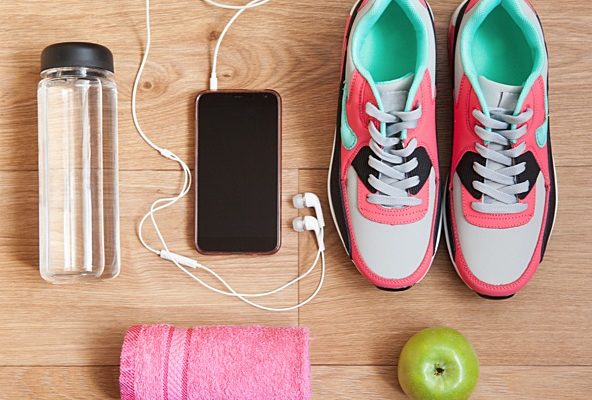
As National Physical Fitness month draws to a close, I’d like to share some great tips for staying active for today and your life—I know they’ve worked for me, and hopefully will work for you too!
Daily life activities, such as cleaning out the attic or washing the car, are great ways to get moving. Small changes can add more physical activity to your day and improve your health. I find my new habit of taking two or three-minute walking breaks while working several times a day, is great. I have my Fitbit set to remind me to get the rest of those 250 steps an hour set and I’ve also made it a habit to walk between projects.
Another thing I’ve gone back to doing is standing, walking, or stretching in place during TV commercials when I do watch TV.
I also park farther from the door when I’m going places and walk the rest of the way, it may only be 100 extra steps, but it still counts! By the same token, I also take the stairs instead of the elevator or escalator whenever possible.
Even a shopping trip can be exercise because it provides a chance to walk and carry your bags. Chores such as mowing the lawn, raking leaves, and gardening also count.
It’s amazing how many fun places there are to be active. Having more than one place may keep you from getting bored. Here are some options:
Sticking with a plan to be physically active can be a challenge. Online tools such as the NIH Body Weight Planner can help. The NIH Body Weight Planner lets you tailor your calorie and physical activity plans to reach your personal goals within a specific time period.
Devices you can wear, such as pedometers and fitness trackers, may help you count steps, calories, and minutes of physical activity. Trackers can help you set goals and monitor progress. You wear most of these devices on your wrist like a watch, or clipped to your clothing.
Keeping an activity journal is another good way to help you stay motivated and on track to reach your fitness goals.
Set goals. As you track your activity, try to set specific short- and long-term goals. For example, instead of “I will be more active,” set a goal such as “I will take a walk after lunch at least 2 days a week.” Getting started with a doable goal is a good way to form a new habit. A short-term goal may be to walk 5 to 10 minutes, 5 days a week. A long-term goal may be to do at least 150 minutes of moderate-intensity physical activity a week.
Get support. Ask a family member or friend to be active with you. Your workout buddy can help make your activities more fun and can cheer you on and help you meet your goals. Believe it or not, your dog will make a great activity partner. Once you start walking with your dog, on a consistent, regular basis, they will remind you it’s time to get up and get out. (Mine brings me her leash and a pair of sneakers!)
Track progress. You may not feel as though you are making progress, but when you look back at where you started, you may be pleasantly surprised. Making regular activity part of your life is a big step. Start slowly and praise yourself for every goal you set and achieve.
Review your goals. Did you meet your goals? If not, why? Are they doable? Did you hit a roadblock trying to meet your goal? What will you do differently next week? Brainstorm some options to overcome future roadblocks. Ask a friend or family member to help support your goals.
Whether your goal is to be active 15 minutes a day, to walk farther than you did last week, or simply to stay positive, recognizing your efforts is an important part of staying on track. Decide how you will reward yourself. Some ideas for rewards include getting new music to charge you up or buying new workout gear.
Don’t get discouraged if you have setbacks from time to time. If you can’t achieve your goal the first time or can only stick to your goals for part of the week, remind yourself that this is all part of establishing new habits. Try to focus on what you will do differently moving forward, rather than on what went wrong. Pat yourself on the back for trying.
Most importantly, don’t give up. Any movement, even for a short time, is a good thing. Each activity you add to your life is another step toward a healthier you

