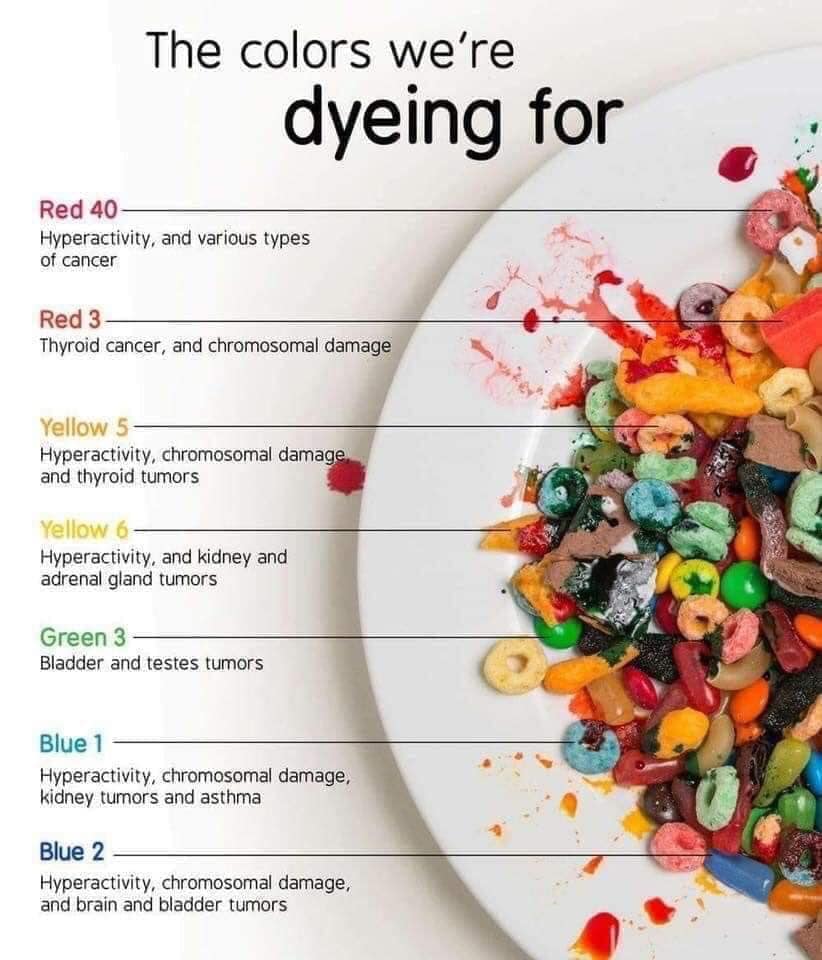
Facts about Food Dyes

Published in a Pub Med article: 

Good Carbs VS Bad Carbs

Carbs have gained a poor reputation over the years, and many people think that these foods are off limits when trying to lose weight. There are a lot of holes in this theory, unfortunately, and it leads people to be misinformed. If you don’t get enough carbs, you’ll be left feeling sluggish, irritable and unable to focus, things that won’t help your diet.

Good Carbs or complex carbs are full of nutrients like fiber, vitamins and minerals. They are absorbed by the body much slower, which is why nutrient-rich carbs leave you feeling fuller. Complex carbs don’t cause an immediate spike in blood sugar like their refined carbs. Vegetables, fruits, beans and whole grain products are the best examples of healthy carbs that should be included in your diet.

Refined or bad carbs are found in foods like white bread, white pasta, cookies, cakes and sugar. Refined carbs have no nutritional value and are broken down quickly, which is why you get that burst of energy….and then fell sluggish afterward.

Complex carbs can help you ….

  • Lose Weight
  • Fight Disease 

So don’t be one of those persons that “cuts carbs”. Just cut OUT the bad ones altogether!

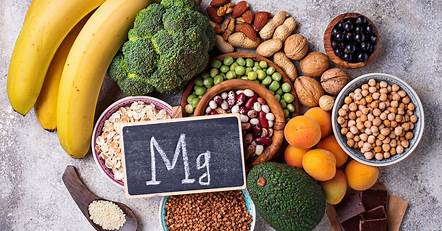
Five Signs You Are Magnesium Deficient

There are thirteen essential minerals that must be ingested for proper health. Their deficiency leads to critical health conditions. Magnesium is one of those minerals and 70% – 80% of people are deficient.

  • Sleep Issues — One study found that daily magnesium supplementation for eight weeks helped patients fall asleep faster, stay asleep longer, and reduce nighttime awakening.
  • Low energy levels — Magnesium plays a crucial role in energy production to fight fatigue and support high energy levels naturally.
  • Mood imbalances — Magnesium helps to manage your stress response system and cortisol levels. Countless studies have shown that magnesium may help treat anxiety and depression better than some pharmaceutical treatments!
  • Muscle cramps and aches — Magnesium helps relieve muscle tension, tightness, and stiffness.
  • High blood pressure — Chronically low levels of magnesium can cause all types of heart health issues, from high blood pressure, to diabetes, and even heart disease.

There are certain attributes you want to look for in a magnesium supplement. You want one that offers MAXIMUM BIOAVAILABILITY and also contains vitamin B6 for absorption. The one I use is a simple powder instead of a capsule and it’s super easy to use. Don’t just grab a bottle off the shelf at the grocery store. This mineral is too important!

Did you know…Coffee “bubbles”

Did You Know That Fiber Benefits the FULL BODY?

Check out what happens when you get the right amount of fiber every day. Fiber helps to…

  • Promote Digestive Health — According to research, a high-fiber diet helps reduce the risk of many serious health concerns in the digestive tract.
  • Promote Healthy Weight Loss — Helps you feel fuller longer, reducing overeating, which in turn helps prevent weight gain and makes it easier to shed excess pounds.
  • Help Reduce the Risk of Heart Disease — Soluble fiber may help lower total blood cholesterol and LDL cholesterol, which may in turn help lower the risk of heart disease.
  • Sweep Away Toxins and Waste — Fiber helps keep toxins from recirculating in the bile and blood, and speeds the passage of waste from the body.
  • Support Immunity — Provides food for the “friendly” bacteria in your large intestine that fight the growth of harmful bacteria and contribute to immune support throughout the body.
  • Improve Regularity — According to research, a high-fiber diet may help promote a healthy digestive tract and keep the gunk out of the trunk!

Fiber is SO important to our bodies! 

What are some of your Christmas gift ideas?

Have you ever considered a subscription of beef?

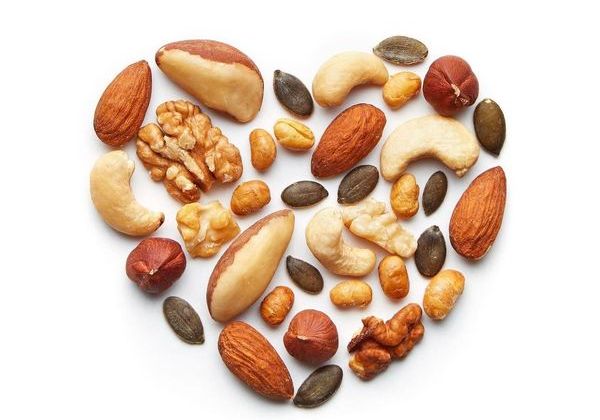
NUTS!

Nuts are such a great nutritionally rich food! They are a great source of Omega 3 fatty acids, which offer wonderful benefits from reducing rheumatoid arthritis to protecting against dementia and Alzheimer’s disease.

That said, they are high in calories and fat, but it’s mostly unsaturated fat. This type of fat is linked to protections against many different diseases, like heart disease.

Check out what ONE SERVING (one ounce or about 1/4 cup)

Walnuts: 183 cal, 18g fat

Brazil Nuts: 184 cal, 19g fat

Almonds: 161 cal, 14g fat

Pistachios: 156 cal, 12g fat

Cashews: 155 cal, 12g fat

There is research that suggests that nut consumption may boost the number of calories burned at rest. Another study found that participants burned 28% more calories after a meal containing walnuts than a meal containing fat from dairy sources. Healthy fat can burn fat.

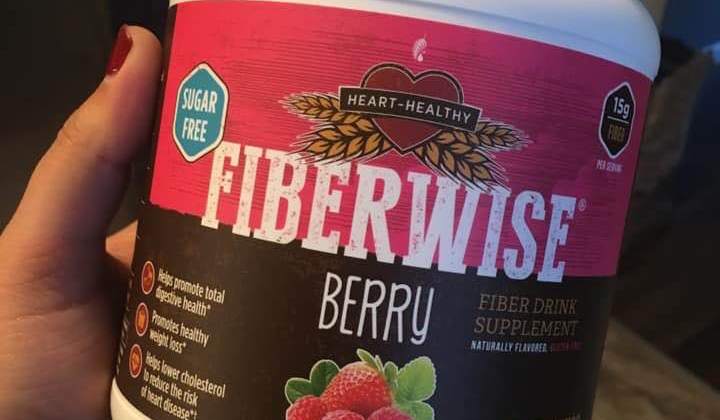
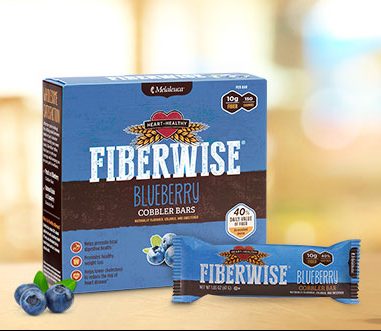
I love Fiberwise!

About those supplements you have…

Today, I stopped by Walgreens to refill a subscription and pick up a snack, and what do I see? An aisle with all these bottles of vitamin supplements for sale. With those markdowns those supplements are more than likely getting old—or close to their “Best by” date.

I never need to worry about “Best by” dates because I get my nutritional supplements from a responsible manufacturer. My favorite supplements are freshly delivered to my door within two weeks of manufacture. Each month I receive a full 30-day supply of all my supplements in handy AM and PM packs. And it’s more cost-effective too! I am so grateful I found this company.

American produce

I read an article recently that supported something I already knew:  American produce has lost a lot of it’s nutritional value… in some cases up to 80% or more.

For example If you wanted to match the vitamin A content of an orange grown in 1940s, you would have to eat eight oranges grown today. 

The potato, for instance, has lost 100 percent of its vitamin A content, 57 percent of its vitamin C and iron, and 28 percent of its calcium.

Why?

Erosion of the topsoil plus degraded soil quality. There are other reasons, but these are the 2 primiary causes of the loss of nutrition in fruits and vegetables. Years ago, farmers rotated crops, allowing time for the soil to replenish itself. But in recent times, American farmers are under financial pressure and their fields are not given the adequate amount of time to replenish the mineral content needed to sustain healthy produce. For reference, 3 inches of topsoil require 1,000 years to build, but only a few modern farming seasons to destroy.

One other note: according to one study, organic food could have a nutritional advantage over conventional food because organic produce has between 20 to 30 percent more nutrients. But that’s still not enough to make up what we our bodies need.

Hence, the need for supplements. But can you trust your supplements that they are actually getting absorbed into your body?

Stay tuned for me to teach you what to look for when it comes to your supplements!

Be Happy & Be Healthy!