The Olive Oil Deception 

Did you know that olives are a fruit?
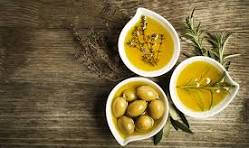
Olive oil is a fruit juice, and, just like fruit juice, olive oil tastes best and is the most nutritious when it’s fresh.
Fresh-pressed olive oil has the highest levels of antioxidants, polyphenols, and a unique anti-cancer compound called Oleocanthol.

But there’s a problem: According to Forbes magazine, “It’s been reliably reported that 80% of the Italian olive oil on the market is fraudulent. A study last year by the National Consumer League found that six of 11 bottles of extra virgin olive oil from three major retailers—Whole Foods, Safeway, and Giant—failed to meet extra virgin requirements.”

Many olive oil companies produce low quality olive oil diluted with other oils, and some companies sell “olive oil” that isn’t even made from olives!

In his book, Extra Virginity, olive oil expert Tom Mueller warns of contaminants and cancer-causing agents in these fake olive oils:
“Italian investigators have found hydrocarbon residues, pesticides, and other contaminants in fake oils, and pomace oil, a common adulterant, sometimes contains mineral oil as well as PAHs, proven carcinogens that can also damage DNA and the immune system.”

So how do you know if it’s authentic?

The Label: The label should indicate the harvest date and whether the oil has been blended with other oils. Look for a quality seal from the International Olive Council (IOC) for European oils or the California Olive Oil Council for American oils, which indicate that the oil has been tested and meets certain standards.

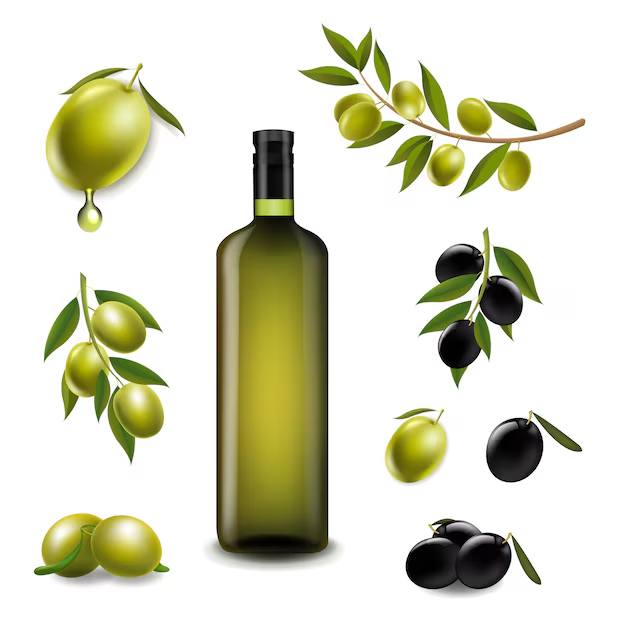
The Bottle: The bottle should be dark colored glass to protect against UV Ray exposure.

The Taste: Authentic EVOO has a bright flavor with hints of fruit, grass, and almond, and a slightly bitter, peppery aftertaste. Low-quality or “fake” EVOO may taste dull, greasy, waxy, or crayon-like, or have no flavor.

So shop carefully!

Gout

I don’t know if it’s on the rise, but I keep hearing of people suffering with Gout, so I thought it might be good to post on it.

Gout is a form of arthritis that is characterized by sudden, severe attacks of pain and swelling, often in the big toe. 

Uric Acid is a waste product, produced by the body in small amounts. When uric acid blood levels get too high, it can cause problems such as gout, kidney stones or other kidney disorders.

What causes these high levels?

  • High Blood Pressure 
  • Obesity 
  • Excessive Intake of Alcohol
  • Diets High in Meats, Bacon, Turkey and Sardines 

Interesting Fact: Only about 4% of the population suffers from gout, but at least 21% of adults have high uric acid levels. This can lead to hypertension, chronic kidney disease, heart disease and insulin resistance syndrome.

Uric Acid can be reduce with the help of medications but these meds can have various side effects, so proceed with caution.

MAGNESIUM DEFICIENCIES

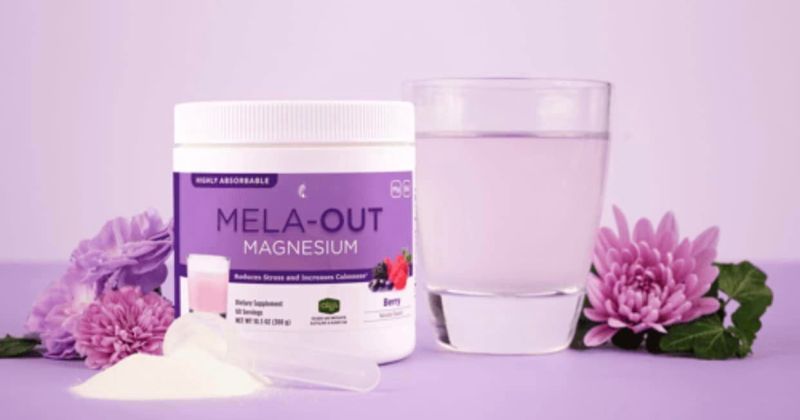
Magnesium is an ESSENTIAL mineral. That means we ABSOLUTELY NEED it yet over 70% of people are deficient in it.

How do make sure YOU get your magnesium every day? Powder? Capsule? Tablet?

Mine is an easy to use powder so I can throw it in my sugar free lemonade mix that I drink all day long. (I also throw my collagen mix in there too at some point during the day).Sometimes I even mix my magnesium in my protein shake.

What about you?

Happy Halloween!

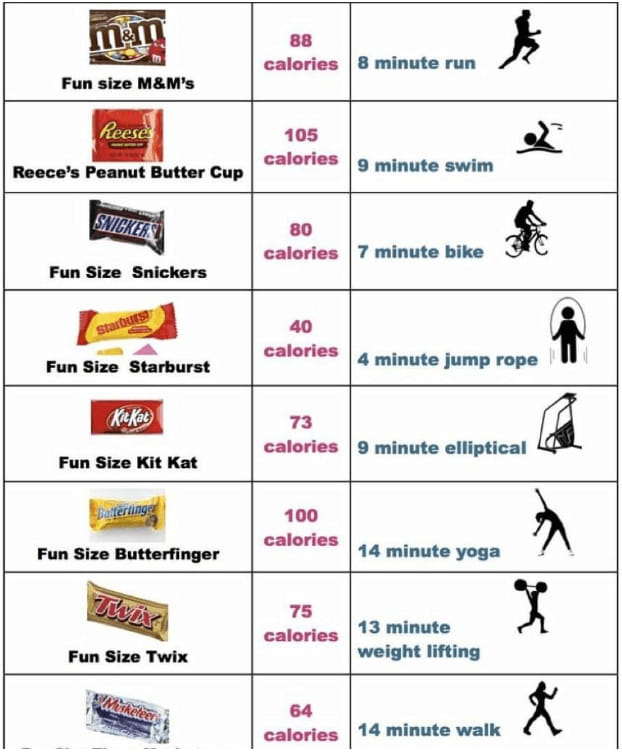
Crazy how many calories are in fun sized candy. Sort of takes ll the “fun” out of it, doesn’t it?

I know how tempting candy can be. But with R3 I can stay strong with the Halloween candy today!

What do you know about Pumpkin seeds?

Pumpkin seeds contain more magnesium than spinach with 48 percent of your daily needs in just half a cup!
They beat all other seeds aside from hemp and chia in their magnesium content. 
Pumpkin seeds are also extremely high in chlorophyll, zinc, iron, and potassium, making them one of the most alkalizing seeds around. You want your body to be more alkaline because it reduces inflammation.
Enjoy pumpkin seeds raw and look for those that are bright green in color, not muddy brown. The greener the seed, the fresher and richer in nutrients it will be.

Setting Boundaries

The past year almost brought me to a dead stop. After decades of “doing it all” (and loving it), I had to learn to do almost none of it. But I still want to be useful and able to do so much more. So healthy living and healthy choices has to become my focus. It’s my response to “take care of yourself.”

Learning to make healthy choices in eating, exercising, sitting still and feeding my soul, sleeping enough, has become a necessity. That makes making those decisions so much easier! With the virus season upon us…those things are really important if we want to remain useful in the present.

My work with a wellness shopping club and hanging around on social media with healthy minded people motivates me and makes saying “no” to unhealthy choices a whole lot easier. But boundaries are not popular—saying “no” to friends never gets easier.

I owe a lot to the simple changes I made as well as eating healthier. Why not join me in this adventure?

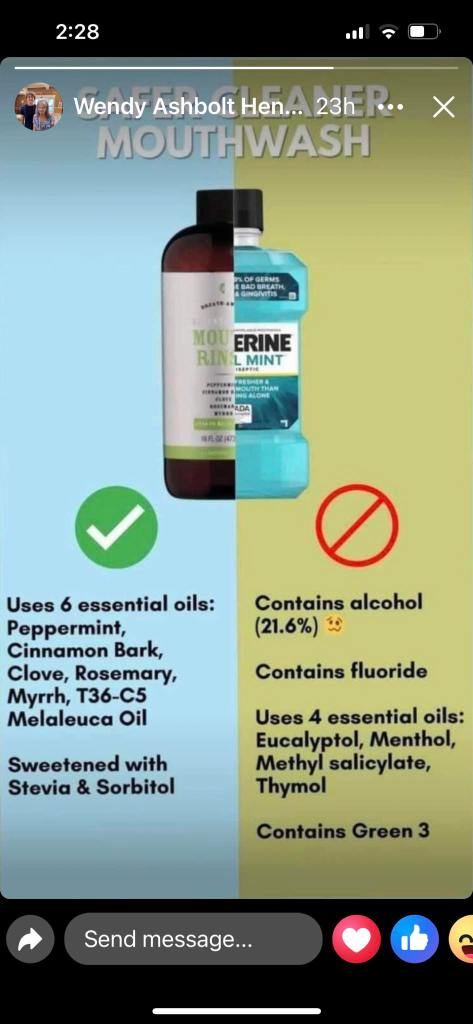
Do you use mouthwash?

Have you ever read or compared the label information on your brand? I have. What I found was amazing. That’s why I I love my mouthwash brand so much!

Not only is it refreshing, it helps heal those sore spots you get in your mouth. It helps bleeding gums and it does it quickly.

I love my Online Shopping Club’s Mouth Rinse it is awesome stuff!

How do you feel about yours?

TIPS TO AVOID PROCESSED MEAT 

If processed meat products are part of your diet, you can take steps to reduce or eliminate them.

  • Read the label. Check the ingredient list for words like nitrate, nitrite, cured or salted. If you spot these words, it’s a processed meat and should be avoided.
  • Be an educated buyer. Even meats labeled “uncured” still can have nitrates and nitrites in them.
  • Skip nitrate-free meats. These meats may have less nitrates and nitrites, but they’re not nitrate-free. When you eat these foods labeled nitrate-free, your stomach actually turns some nitrates into nitrites. And some of these nitrites can then form cancer-causing substances in your body.
  • Reduce portion sizes of processed meats and eat less frequently.
  • Choose a plant-based diet most often and have some meatless days.

Think outside the box. Eating less processed meat is easier than you think. Here are some healthy swap tips to get you started.

  • Add grilled chicken, hard-boiled egg, beans, tofu or flaked tuna to your salad instead of cubed deli meat.
  • Order a grilled chicken or fish sandwich instead of a deli sandwich.
  • Add vegetables to your omelet instead of bacon, ham or sausage.

Keeping a food log can help you be more mindful of just how much processed meat you are eating. Be sure to carry healthy substitutions like hummus and vegetables that can replace that deli sandwich. Once you become of aware of your eating habits and start choosing healthier foods, reducing and even eliminating processed meats from your diet will become easier.

FACTS ABOUT BEES AND HONEY

One of the world’s VERY first coins had a bee symbol.

Honey contains live enzymes — I always put local honey in my tea and I always used a metal spoon. Today I discovered when honey comes in contact with a metal spoon, these enzymes die. So the best way to eat honey is with a wooden spoon; if you can’t find one, use a plastic spoon.

Honey contains a substance that helps the brain work better. Studies suggest that honey might offer antidepressant, anticonvulsant and anti-anxiety benefits. In some studies, honey has been shown to help prevent memory disorders. Studies suggest that honey enhances memory and cognitive function. It helps improve your ability to recall information and boosts your overall mental performance. Another study showed that after the consumption of honey for 5 years, only 489 subjects developed dementia. This research by Al-Himyari (2009) set out that honey has memory booster effects to treat dementia and cognitive deterioration. It improves the cholinergic system and blood flow in the brain and has antioxidant effects.

A teaspoon of honey before bed is also helpful. Because tryptophan is an essential amino acid but cannot be produced naturally in the body, supplementing through honey before bed brings many benefits to the body. In addition, honey also contains glycogen to help sleep and reduce adrenaline to help limit insomnia, reduce stress and get a good night’s sleep.

Bees also produce propolis — one of the most powerful natural antibiotics. Propolis is a resin-like material made by bees from the buds of poplar and cone-bearing trees. Propolis seems to help fight against bacteria, viruses, and fungi. It might also have anti-inflammatory effects and help skin heal. Propolis is rarely available in its pure form. It’s usually obtained from beehives.

Honey is one of the few foods on earth that alone can sustain human life. Just a spoonful of honey is enough to keep a man alive for 24 hours.
In fact, bees in Africa once saved the local people from starvation! Yet The American Heart Association recommends no more than 3 tablespoons
of honey per day.

Honey has no expiry date because it’s already been “digested”. You see, Bees “process” it: They swallow nectar and regurgitate it into combs to make honey. An enzyme in their stomachs breaks the nectar down into gluconic acid and hydrogen peroxide. Hydrogen peroxide is a natural antiseptic, sold in drugstores to treat all manner of wounds. In other words, on top of its natural resistance to bacteria, honey’s hydrogen peroxide repels any microorganism with the temerity to trespass. Honey is inherently hostile to microbes and bacteria. It’s a very low-moisture sugar with an acidic pH, yielding an environment in which bacteria literally cannot thrive. Even though honey doesn’t have an expiration date, it can still undergo natural changes. The National Honey Board says that over time honey may “darken and lose its aroma and flavor or crystallize,” depending on changes in temperature. However, honey does change. It can change color from pale to dark. It can start clear and become cloudy. Most peskily, its texture can change from smooth and thin to thick and grainy in a process called crystallization. Thankfully, none of these changes make the honey bad or unsafe to eat! There is an important exception to this rule. If honey is exposed to moisture, it can ferment and spoil, which will be immediately obvious: smelly, sour, moldy and utterly unappetizing. Did you know that the term “Honeymoon” (honeymoon) comes from the fact that the bride and groom consumed honey for fertility after their marriage?

The origin of honeymoon can be traced back to the ancient Norse term “hjunottsmanathr,” which translates to “honey month”. This tradition involved a period of seclusion for the newlyweds, possibly to evade the bride’s family’s scrutiny, especially in non-arranged marriages. During this secluded time, the newlywed couple would often indulge in mead, a sweet wine crafted from fermented honey, believed to bring good fortune. Originally developed by monks for medicinal purposes, it was quickly recognized for its aphrodisiac qualities, enhancing marital bliss. Friends and family would often gift the bride and groom with a month’s supply of this special honey-based elixir, accompanied by exquisite goblets.

Here is one more interesting fact: a bee lives less than 40 days, visits at least 1000 flowers and produces less than a teaspoon of honey, but for her it is the work of a lifetime.

Thank you precious bees!

For more information:

https://www.ncbi.nlm.nih.gov/pmc/articles/PMC3872021/

https://www.mayoclinic.org/drugs-supplements-honey/art-20363819#:~:text=Studies%20suggest%20that%20honey%20might,wound%20healing%2C%20particularly%20in%20burns.

https://www.washingtonpost.com/archive/politics/1988/06/20/wasps-help-stave-off-starvation-in-africa/160365e5-65ad-4430-a457-dc962acaa8a0/

https://beorganickw.com/en/blogs/honey-reads/10-mind-blowing-ways-honey-takes-your-memory-to-the-next-level#:~:text=Studies%20suggest%20that%20honey%20enhances,boosts%20your%20overall%20mental%20performance.

https://www.smithsonianmag.com/science-nature/the-science-behind-honeys-eternal-shelf-life-1218690/

Did you know?

Soda is a popular drink, but it’s high in sugar and artificial sweeteners. These ingredients can raise your levels of uric acid, which can lead to gout and other health problems.

Uric acid is a waste product that’s created when your body breaks down purines. Purines are found in many foods, including red meat, seafood, and organic meats. However, soda is one of the worst offenders when it comes to raising uric acid levels. A study published in the journal Arthritis & Rheumatism found that drinking just one glass of soda per day can increase your risk of gout by 40%! The study also found that it takes at least 36 glasses of water to flush out the uric acid of one glass of soda.
By cutting soda out of your diet, you reduce the risk of developing many health problems such as gout, diabetes, heart diseases, kidney stones, and more. There are so many alternative drinks you won’t even miss you soda. Some alternatives are water, Zevia, Poppi, and Olipop.