I Love Olives

Picture an olive branch. It’s a symbol of both health and longevity.

And rightfully so. Olives contain components that benefit the brain and heart, reduce cancer risk, aid in weight loss and increase longevity.
Olives are high in monounsaturated fat. Studies show that a diet high in monounsaturated fatty acids are great for heart health because they

  • Reduce LDL cholesterol
  • Decrease Blood Pressure
  • Decrease A1c numbers
  • Improve Insulin sensitivity

Eating olives also increase our glutathione levels, which support our immune function. Plus, olives are fermented and fermented foods boost our microbiome and digestive health!

I add them to my salads or as a snack with my favorite cheese!

Always check the labels

Cellulose is actually mulched wood turned into a powder and yes, it’s in the Parmesan cheese.
Buy a block of Parmesan cheese and grate your own.

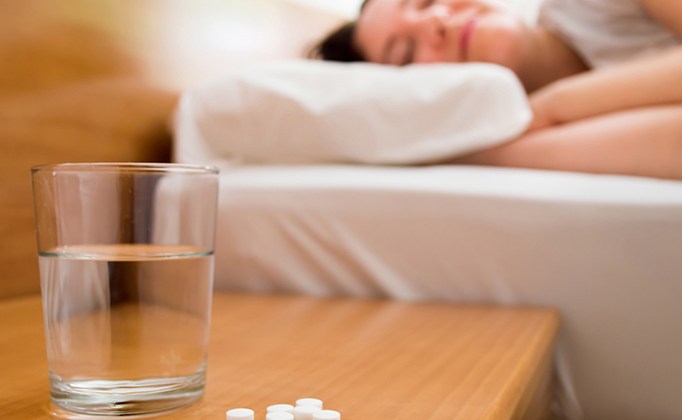
Melatonin 

This hormone has been around a long time to help improve sleep. But research show that melatonin can have anti-cancer benefits too.
It’s been shown in several clinical studies to reduce side effect severity when taken along side chemotherapy and radiation. But adding melatonin to one’s daily regimen can help with survival rate and tumor regression.

How much melatonin should you take depends on your health and what your goals are.

To improve sleep, it’s generally suggested to take one to three mg of melatonin before bedtime. However, for those fighting cancer or who are in remission, human studies show that higher doses (20mg/night) can result in even higher survival rates by almost double.

It also can help minimize the negative effects of cancer treatments. 

  • Decrease the level of fatigue
  • Improve cognitive function (brain fog)
  • Protect agains lower platelet counts and neurotoxicity
  • Reduce symptoms of depression

Even if cancer is not your concern, we are exposed to so much artificial light (televisions, computers, phones, tablets, etc), that our melatonin levels can drop and our sleep cycles can be disrupted. 

Consider adding Melatonin to your supplements to help create a great night’s sleep!

Which is healthier?

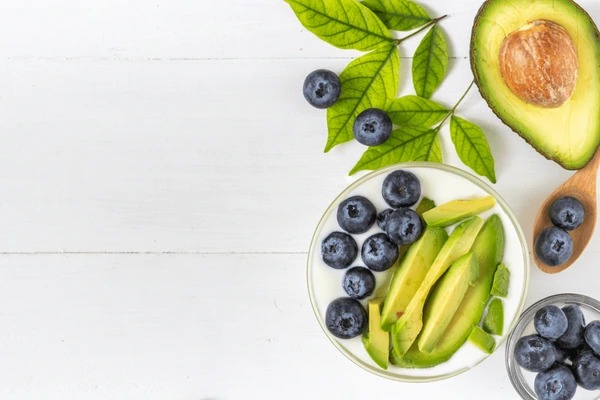
Avocado or Blueberries?

Both AARE considered a “superfood” so we obviously can’t go wrong with either one. But it’s good to view the differences if you have specific health goals.

  1. Avocado has more protein, healthy fat (Omega 3s), and fiber, while blueberries have more carbs. An easy win for avocado here, unless you’re on a calorie-controlled diet perhaps, since avocado is also higher in those.
  2. Avocado has more of vitamins A, B1, B2, B3, B5, B6, B7, B9, C, E, K, and choline, while blueberries are not higher in any vitamins. Pretty much a slam dunk here.
  3. Avocado is higher in minerals. It has more calcium, copper, iron, magnesium, phosphorus, potassium, selenium, and zinc, while blueberries are higher in manganese. Another win for avocados.
  4. Blueberries have about 1193x the polyphenol content that avocados do. Blueberries got the reputation for antioxidant properties for a reason; it is well-deserved!

Try adding an avocado to your salads to get more protein. Adding blueberries to your protein shakes and yogurt for healthy snacking!
How do you incorporate these snacks into your daily diet?

Fruits and Vegetables Can Help Prevent Cancer

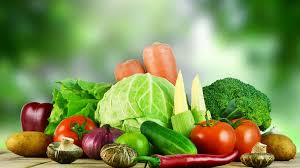
In study after study, diets high in fruits and vegetables have been shown to lower cancer risk. Fruits and veggies are rich in polyphenols, flavonoids, dietary fiber and antioxidant vitamins and minerals that have a huge impact on fighting cancer. 
Unfortunately, many conventionally grown fruits and vegetables are loaded with unwanted chemicals like, glyphosate – the active ingredient in the weedkiller Roundup.
Glyphosate was introduced in 1996, found to be ‘probably carcinogenic’ in 2015, and in 2019, scientists at University of Washington reported a compelling link between exposure to glyphosate-based herbicides and increased risk for non-Hodgkin’s lymphoma.

Note: The Environmental Protection Agency (EPA) continues to insist that there is no evidence that glyphosate causes cancer in people. That said, Bayer, which acquired Monsanto in 2018, has shelled out over $10 million for current and future lawsuits involving glyphosate and NHL. 

To no surprise, eating a diet filled with organic fruits and veggies is linked with lower cancer risks. Five servings/day is optimal but even two servings/day can lower your risk by 10%. Just make sure you choose organic!

Holiday or Winter Party Punch

Serving A Punch At Your Next Holiday or Winter Party?

An ice ring is a great way to get creative and decorate any punch bowl filled with fresh juice.

INGREDIENTS
  • 6-8 cups of water
  • 3 sliced citrus fruits, like lemon or oranges
  • 1 cup raspberries, cranberries and/or strawberries
  • 1 cup sprigs of rosemary or thyme

Tip: You can use any combination of the recommended garnish ingredients you’d like just by following the basic steps. You can also use a juice recipe in place of the water if you want to add more color.

DIRECTIONS
  1. Fill a bundt pan halfway with water and let it sit in the freezer for a few hours until it’s almost firm but still a little slushy.⁣
  2. Add your choice of garnishes: slices of citrus, cranberries, raspberries, or herbs like mint, rosemary, or thyme. Push them down into the slushy part so they don’t all float to the top. Then, let the fruit set for at least an hour before filling the rest of the bundt pan to the top with water.⁣
  3. When you remove the ring from the freezer, flip it onto a plate. Run warm water over the top of the pan, and the ring will pop out of the mold onto the plate.⁣
  4. Freeze it until ready to use if you’d like, or put it directly into a punch bowl and add the fresh juices and sparkling water to the bowl.⁣

Santa’s Fiber Cookies

Add a little holiday wellness to your baking with FiberWise All Purpose!

To give a heart- and gut-health boost to your favorite recipe, simply replace 1/4 cup of flour with two scoops of FiberWise All Purpose. Or just try this tasty cookie recipe. It’s guaranteed to be Santa approved!

Eating for Health

BANANAS

•Protect your heart.
•Strengthen bones.
•Control blood pressure.
•Block diarrhea.

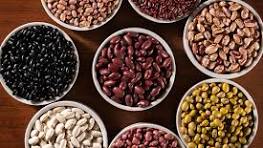
BEANS

•Prevent constipation.
•Help hemorrhoids.
•Lower cholesterol.
•Combat cancer.
•Stabilize blood sugar.

BROCCOLI

•Saves eyesight.
•Combats cancer.
•Protects your heart.
•Controls blood pressure.

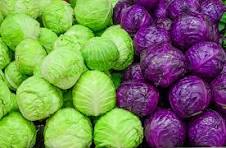
CABBAGE

•Combats cancer.
•Prevents constipation.
•Promotes weight loss.
•Protects your heart.
•Helps hemorrhoids.

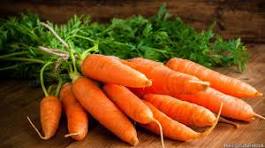
CARROTS

•Save eyesight.
•Protect your heart.
•Prevent constipation.
•Combat cancer.
•Promote weight loss.

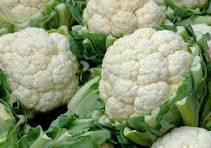
CAULIFLOWER

• Protects against Prostate Cancer.
•Combats Breast Cancer.
•Strengthens bones.
•Banishes bruises.
•Guards against heart disease.

GARLIC

•Lowers cholesterol.
•Controls blood pressure.
•Combats cancer.
•Kills bacteria.
•Fights fungus.

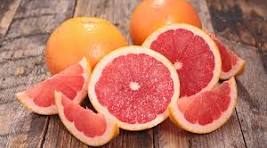
GRAPEFRUIT

•Protects against heart attacks
•Promotes Weight loss
•Helps stops strokes
•Combats Prostate Cancer
•Lowers cholesterol

GRAPES

•Save eyesight.
•Conquer kidney stones.
•Combat cancer.
•Enhance blood flow.
•Protect your heart.

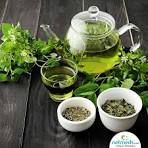
GREEN TEA

•Combats cancer.
•Protects your heart.
•Helps stops strokes.
•Promotes weight loss.
•Kills bacteria.

HONEY

•Heals wounds.
•Aids digestion.
•Guards against ulcers.
•Increases energy.
•Fights allergies.

LEMONS AND LIMES

•Combat cancer.
•Protect your heart.
•Control blood pressure.
•Smoothes skin.
•Prevents scurvy.

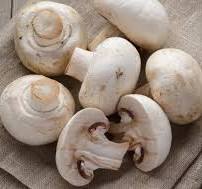
MUSHROOM

•Controls blood pressure.
•Lowers cholesterol.
•Combats cancer.
•Strengthens bones.

OLIVE OIL

•Protects your heart.
•Promotes Weight loss.
•Combats cancer.
•Battles diabetes.
•Smoothes skin.

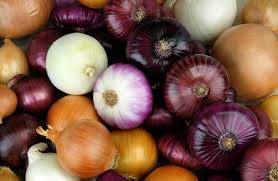
ONIONS

•Reduce risk of heart attack.
•Combat cancer.
•Kills bacteria (bactericidal).
•Lower cholesterol.
•Fight fungal infections.

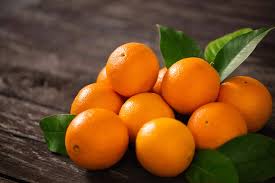
ORANGES

•Support immune systems.
•Combat cancer.
•Protect your heart.
•Straighten respiration.

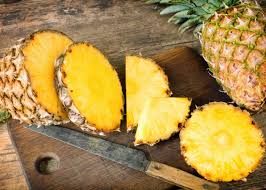
PINEAPPLE

•Strengthens bones.
•Relieves colds.
•Aids digestion.
•Dissolves warts.
•Blocks diarrhea.

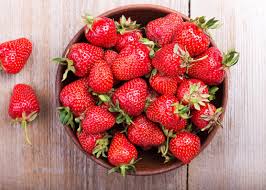
STRAWBERRIES

•Combat cancer.
•Protect your heart.
•Boost memory.
•Calm stress.

SWEET POTATOES

•Save your eyesight.
•Lift mood.
•Combat cancer.
•Strengthen bones.

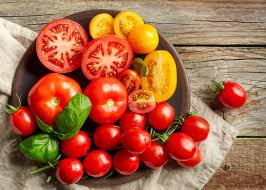
TOMATOES

•Protect prostate.
•Combat cancer.
•Lower cholesterol.
•Protect your heart.

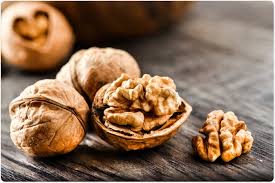
WALNUTS

•Lower cholesterol.
•Combat cancer.
•Boost memory.
•Protect against cardiovascular diseases.

WATER

•Quenches thirst.
•Combats cancer.
•Conquers kidney stones.

WATERMELON

•Protects prostate.
•Promotes weight loss.
•Lowers cholesterol.
•Helps stops strokes.
•Controls blood pressure.
•Fights dehydration.

APPLES

•Protect your heart.
•Prevent constipation.
•Prevent diarrhea.
•Improve lung capacity.
•Cushion joints.

AVOCADOS

•Battle diabetes.
•Lower cholesterol.
•Help stops strokes.
•Control blood pressure.
•Smoothes skin.

Risk Factors for Diabetes

They say knowing is half the battle. 

Lately, many of my friends have been telling me their doctors are telling them, “You need to be concerned about Diabetes” after review their latest lab work. 

Many of these individuals are being told they are Pre-Diabetic. With one in every three people being diagnoses as Pre–Diabetic, it’s not a surprise.

Once your doctor mentions Pre-Diabetes be prepared for lab work that contains tests for glucose, A1C, Homocysteines, C Reactive Protein, D3, cholesterol and liver tests. All tests to ascertain Type II Diabetes. 

If we know what to look for, we can help prevent it or at the very least hold it off from developing quicker. It really does help to stay in front of this disease! The best way to start is to know the risk factors.

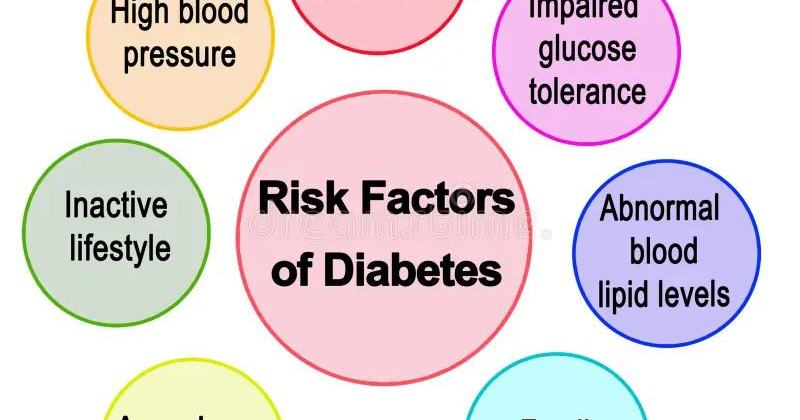
Risk factors for Type II Diabetes:

  • Weight. Being overweight or obese is a main risk.
  • Fat distribution. Storing fat mainly in the abdomen, rather than the hips and thighs, indicates a greater risk. The risk of Type II diabetes is higher in men with a waist circumference above 40 inches and in women with a waist measurement above 35 inches.
  • Inactivity. The less active a person is, the greater the risk. Physical activity helps control weight, uses up glucose as energy and makes cells more sensitive to insulin.
  • Family history. An individual’s risk of Type II diabetes increases if a parent or sibling has Type II diabetes.
  • Blood lipid levels. An increased risk is associated with low levels of high-density lipoprotein (HDL) cholesterol (the “good” cholesterol) and high levels of triglycerides.
  • Pregnancy-related risks. The risk of developing Type II diabetes is higher in people who had gestational diabetes when they were pregnant and in those who gave birth to a baby weighing more than nine pounds.
  • Polycystic ovary syndrome. Having polycystic ovary syndrome, a condition characterized by irregular menstrual periods, excess hair growth and obesity, increases the risk of diabetes.

If you or a loved one display any of these symptoms, please get a physical and request the labs above it’s better t catch it early!

Diabetes and It’s Many Friends 

Diabetes isn’t just about blood sugar levels 

Diabetes is a condition where the body doesn’t produce enough insulin or it doesn’t use insulin properly. This causes the blood sugars to become too high, known as hyperglycemia. 

Almost 10% of the population is diabetic, so there’s no wonder why pharmaceutical companies are marketing Ozempic, Mounjaro, Wegovey, etc in big ways. 

People with diabetes have a higher risk of developing serious complications including:

  • Heart Disease 
  • Kidney Disease 
  • Nerve Damage 
  • Dementia
  • Gum Disease 
  • Mood Disorders 
  • Eye Problems, including Blindness 

Type II Diabetes IS REVERSIBLE, but it takes effort. Even though it’s reversible, through diet, exercise and healthy life changes. Diabetes is a highly dangerous disease and it’s worth taking seriously.