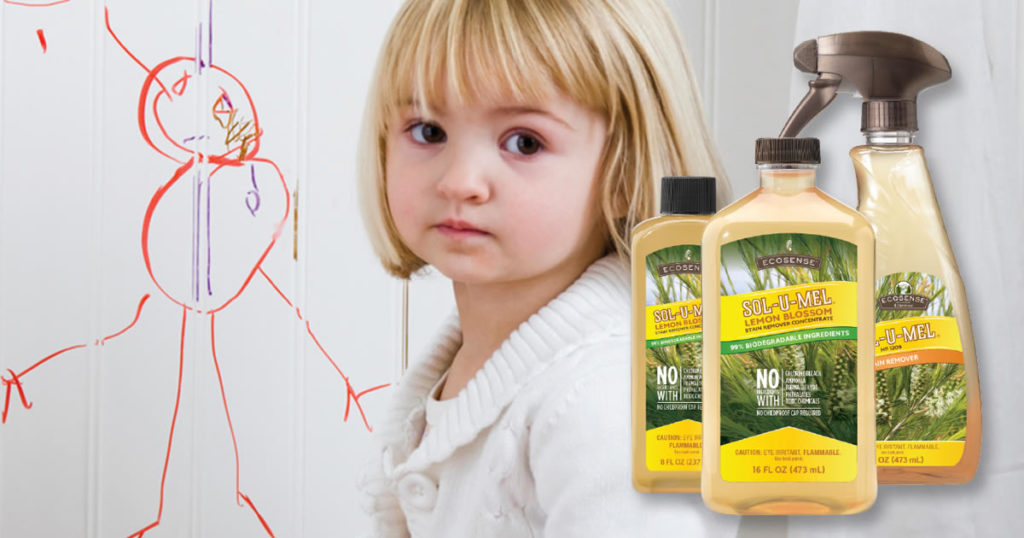
Better Health Starts at Home

We are partnered with a company committed to providing the products our customers need for the ultimate in healthy living. We pride ourselves on being part of the Wellness Company. From supplements to foods to home cleaning products, the products you bring into your home do make a difference.

We are pleased to see the scientific community draw unequivocal conclusions about topics we have been using for years. We are confident that as the facts about competitors’ products become more widely known, more consumers than ever will seek out the products that only our partner company can provide.

Full Study: Cleaning at home and at work in relation to lung function decline and airway obstruction

It’s National Cleaning Week!

National Cleaning Week – Begins on March 24 and ends April 2

A new shopping concept

Made in America. Delivered to your door. Low low prices. Green and sustainable products. Small packages. Scientific development with nature.

Where have you been all my life?

A new shopping concept. I’m hooked.

Antibiotic Overuse

As soon as we get the sniffles, sore throat or a drippy nose the first thing many of us do is reach for an antibiotic. They’re usually readily available in our medicine cabinets. They are available because they are over-prescribed by doctors and emergency rooms everywhere and all the time.

47,000,000 prescriptions in the U.S. are unnecessarily prescribed causing efforts to improving the way we take and the way physicians prescribe antibiotics to become a national priority.

This article from the Centers for Disease Control outlines the dangers of overuse of antibiotics. Surprisingly at least 23,000 people a year die from antibiotic misuse.

The article points out when antibiotics should be taken and when they are needed. It also tells us when they shouldn’t be taken and when they are NOT needed. It also recommends alternatives that you can use (and things you can do) to feel better. While antibiotics can be very effective when prescribed and taken properly, they can also cause physical problems like reductions in good bacteria and immunity to the antibiotics themselves.

Of course, the best way to fight disease is to stay healthy in the first place. A good diet, plenty of water and moderate to vigorous exercise are good lifestyle choices to avoid the onset of disease. A pure and effective vitamin regime can also be effective. Be sure that you research the supplements that you choose and make sure that there are studies that support your choice.

Centers for Disease Control  article

Early Puberty Mystery Linked to Family Exposure to Household Chemicals

American girls are now going through puberty significantly earlier than in prior decades and this trend has been linked to physiological and psychological risks. Factors thought to drive early puberty include: obesity, toxic stress, and environmental elements.

A recent landmark study focused on one particular type of environmental element — chemicals in household items. A long-running study on mothers and children published in Human Reproduction determined that the onset of female puberty is associated with exposure to commonly used chemicals like phthalates, parabens, and the antibacterial agent triclosan.

These products can be found in personal care products, some brands of perfumes, cosmetics, and toothpaste. The same result was not found in populations of boys, whose timing of puberty was also examined in this study.

University of California, Berkeley associate professor Kim Harley, Ph.D reported that researchers have known for the past 15 to 20 years that girls are entering puberty at an earlier age than they used to in the past. Obesity certainly plays a role in that, but now science has shown that the hormone-disrupting chemicals that are in our homes and in our environment could be an additional factor that’s contributing to this.

While it’s too soon to say conclusively whether these widely used chemicals are definitively causing early puberty, we need to pay attention to these chemicals and studies are starting to have enough information about them to certainly be concerned.

Discovering the cause of early puberty is important to scientists because the phenomenon is linked to a higher risk of developing depression, a greater risk for teen pregnancy, and an increased likelihood of developing diseases like breast cancer and heart disease.

The new study’s conclusions are based on data on pregnant women and the children they gave birth to who were enrolled in the Center for the Health Assessment of Mothers and Children of Salinas study between 1999 and 2000. When the women were at around 14 and 27 weeks’ gestation they gave the scientists consent to examine their urine samples for concentrations of phthalates, parabens, and phenols.

After the women gave birth, the team collected urine samples and evaluated the pubertal development of the resulting 179 girls and 159 boys. Every nine months between the ages of 9 and 13, scientists checked in to see how puberty was affecting the children. Overall, 90 percent of the urine samples showed concentrations of all the tested compounds. That was only detected in the 73 percent of the samples of pregnant mothers and 69 percent of samples taken from the nine-year old girls.

Mothers whose samples contained diethyl phthalate and triclosan had daughters that entered puberty earlier. For every doubling of triclosan in the mother’s urine, the timing of the girls’ first menstrual period shifted by just under a month and for every doubling in the samples for an indicator for phthalates, the development of girls’ pubic hair shifted by 1.3 months earlier. The urine samples taken from 9-year old girls revealed that, for every doubling in concentrations of parabens, the timing of the breast and pubic hair development, as well as their first period, happened one month earlier on average.

One reason these chemicals may affect puberty is because all of them are known endocrine disruptors. Previous studies on animals and humans have demonstrated that endocrine disruptors have the capacity to mimic, block, or otherwise interfere with the body’s hormones. They can bind to hormone receptors, such as estrogen receptors, and influence changes in our bodies. These chemicals can impact development, particularly if the exposure is happening in utero, and t research from human studies show that they may also impact development.

The difficulty in sharing the study’s results is that for now all they can say is that these are “chemicals of concern.” The Centers for Disease Control and Prevention readily acknowledges that there’s widespread exposure to phthalates and parabens, with the majority of Americans who are tested containing evidence of these chemicals in their urine. However, the agency states that finding a measurable amount of these chemicals does “not imply that they cause an adverse health effect.”

Harley hopes that regulators look at studies like hers when they move forward in conducting policy decisions and regulations. As of now, she explains, there’s no established benchmark level that states when it’s no longer safe to be exposed to these chemicals. It’s not illegal to have them in personal care products because the science isn’t strong enough to say that they absolutely cause adverse health effects. They are controversial chemicals, and about 70 percent of Americans have them inside their bodies.

These chemicals are basically ubiquitous. Regulation isn’t really there, but for people who are concerned, there are things that can be done. The advice is simple: Reduce exposure to chemicals of concern by changing the personal care products that you use and by purchasing products that don’t contain them.

So if you’re like me and pay attention to labels and ingredients, you may be concerned about the health and well being of your families, and arre careful about what you bring into your home. Switching to products that are formulated with natural, biodegradable ingredients and contain no harsh chemicals means they’re safer for your children, family, your home, and the environment.

Something to ponder:

In the Spring of 2000, Netflix’s CEO tried to form an alliance with Blockbuster Video (remember them?) Netflix offered 49% of their company to Blockbuster and the two companies would become one. Blockbuster would still have the brick and mortar buildings to rent out DVD’s and Netflix would be used to send out DVD’s though the mail.

Blockbuster basically laughed Netflix out of the meeting and passed on the offer because they didn’t understand the business model.

Are you being left behind on an opportunity because you don’t understand it?

Things are changing faster than ever before. Old ways of doing business are dying daily. Don’t be left behind!

Just because you haven’t shopped or don’t shop online for your household items YET doesn’t mean it won’t be EXACTLY what your busy life is looking for!

I love shopping online for all of my household items, let me help you get started.

#whyilovewellness

It’s National Dress Up Your Pet day today

Do you dress up your pet? We don’t mean a winter coat for the snow or a raincoat to keep them dry on their daily walks, we mean outfits for the day. Halloween costumes. Holiday outfits. Reindeer antlers.

We do. We do it because it amuses us and our pets don’t mind. They like the added attention and tolerate it for a little while. In fact they pose for photos!

But, please remember to keep your pets safe and comfortable in the pet clothing and costumes that you choose.

Tips for dressing up your pet: If your pet just doesn’t like dressing up, let them sit the holiday out. Be sure their outfit fits. Restricting movement or ability to breathe can cause injury or illness. Many pets like to chew. Avoid loose or dangling pieces which can cause choking hazards.

National Sunday Supper Day – January 13

Sunday Supper starts off as one day a week and soon becomes a way of life.

These days families are busy with after-school activities, jobs and homework. Sunday supper has been a disappearing tradition around the country and the Sunday Supper Movement aims to bring families back together in the kitchen and around the dinner table one Sunday at a time. National Sunday Supper Day is another step toward this goal.

Safer household products

Thirty years ago, after my allergies caused a lot of issues when I cleaned. What was worse? the allergies from dust and grime, or the allergic reaction to the cleaning products I used. It was suggested by doctors and well-meaning friends that I make my own products. The idea of making safer cleaning products when I began my healthier choice journey was exhausting to me. I tried. I really did.

I loaded up on vinegar, baking soda and all those natural botanicals.
The teachers of the idea and the recipe guides usually mentioned they needed to be made fresh to be effective – no less. So before starting a cleaning project, I’d have to “manufacture” my cleaning supplies. For several years I just hired a housekeeper and left it at that. But, the type of cleaning she did (she was excellent) was becoming expensive and when I moved to another state, she stayed behind and I was back to doing all my own cleaning.

Recently, listening to Dr. Eric Zielinski (a dependable source, and essential oil expert), I found another reason to not want to add making my own cleaners and personal care products to my need to do list: if they’re not freshly made, they can be laden with bacteria. Eeek!
Figuring out how much to make for the need at hand and preventing the product becoming rancid and laden with bacteria is something I definitely do not want to deal with.
I decided to leave it up to the science behind a brand I trust and use daily.

Thirty years later – healthy is more convenient and not more expensive like it was in the 80’s. I found a wonderful brand that for me is allergy and chemical free and I love them so much, I share information about them with anyone and everyone who asks. this company has made my home a safer household and I gladly shop for these products.

Do you clean refrigerator coils?

It’s easy to forget about cleaning refrigerator coils because you never see them. They’re either behind or on the bottom of the unit, so they fall into the “out of sight, out of mind” category.
We decided to do this today while we were getting ready for the holidays. If you’re cleaning, might as well do a thorough job, right?
Why did noticed they looked icky. Refrigerator coils can become coated with pet hair, dirt and grease, causing them to put out extra effort to keep the fridge cool. The more energy those coils exert, the higher your bill is going to be for the month.
Fortunately, all we had to do to clean the coils was unplug the fridge, use a vacuum hose to get rid of the dirt and hair, and clean off any remaining gunk with soap and water.

Presto! Clean coils and a more efficiently running fridge!