Things Magnesium can do for you

Magnesium is a key factor in helping your body run smoothly.
It may:

  • Boost exercise performance
  • Combat depression
  • Support healthy blood sugars
  • Promote heart health
  • Lower inflammation
  • Prevent migraines
  • Improve PMS
  • Promote bone health
  • Support better sleep

FUN FACT: More than half of the magnesium in our body is stored in bones, and the remaining in various tissues throughout the body!

What us the best time to take your vitamins?

Have you ever given thought as to the best time to take your vitamins?
Do certain supplements cancel out others?

Although you can take a multivitamin any time of day, it’s best to take with food. Stomach acid can not only upset your stomach, it can also destroy the multivitamin and make absorption impossible. I take one that comes in an acid resistant capsule so to address both of those issues, but most vitamin companies don’t bother. Regardless, I recommend taking your supplements with a meal (that means more than just a banana).

The answer to the second question is yes. It can become a problem when we try to be our own pharmacy and not consult experts. By experts, I’m not talking doctors. Doctors have all of three hours of nutrition education when they go through medical school. That’s one of (a few) reasons why they don’t support nutrition in their protocol.

For instance, did you know that Iron can interfere with the absorption of calcium? That means you shouldn’t take your iron supplement with high calcium foods. Truth is, most people DO NOT NEED AND SHOULD NOT USE an iron supplement. When a friend’s husband started his immunotherapy, they learned that iron can be a magnet for cancer. So, the iron that comes in your multivitamin is usually enough for most people.

During Covid, some people were advised by their doctors to take Vitamin A, but that comes with a huge risk. Large doses of Vitamin A (or beta-carotine) can raise your chances of lung cancer if you are (or were) a smoker.

People who have Hashimoto’s (hypothyroidism) often take a medication called Synthroid. If you take a thyroid medication, taking calcium, magnesium, or iron within four hours of taking Synthroid can cut your dosages strength. 

Luckily for me, the supplements I take have a little infographic on them that show what i the best time of day to take them.

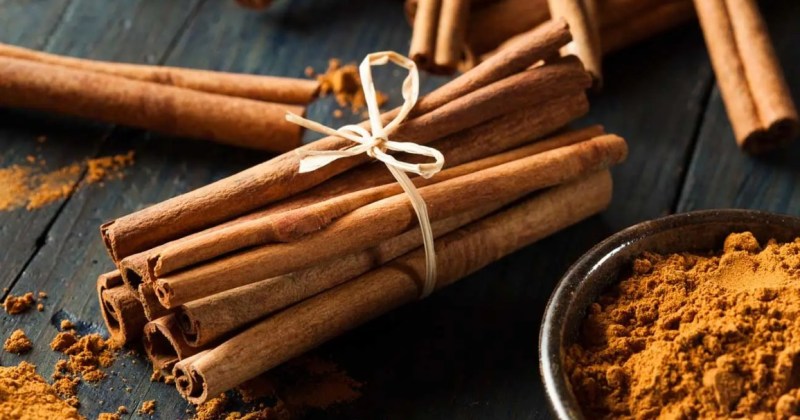
I Love Cinnamon

Why you should too! 

Cinnamon has been used as a natural medicine for thousands of years. This aromatic spice helps to regulate blood sugar, reduce inflammation, and fight the spread of cancer cells. 

Cinnamon has potent antioxidant and anti-cancer properties that can help to reduce tumor growth. 

A test-tube study done on cinnamon extract demonstrated that the spice not only reduced the propagation of cancer cells, but it also killed them. More human research is being done to understand exactly how cinnamon fights against the spread of cancer in human cells. 

TIPS:

  • Enhance your breakfast cereal or oatmeal by adding half a teaspoon of cinnamon 
  • Add some to your coffee or tea to give it a lovely warm flavor. 
  • Enjoy a cinnamon stick with your herbal tea or spiced cider for a cozy treat 
  • Add cinnamon to roasted butternut squash, pumpkins, and sweet potatoes

When I smell cinnamon, it reminds me of holiday and warm fall days and cozy times. I also love how it’s supposed to help regulate blood sugar That’s why I sprinkle it on lots of great foods and drinks!

The power of broccoli

Broccoli is one of those foods you must always have in your grocery basket! 
I know I do. I often eat broccoli and in various forms, steamed, roasted, raw, in soups, stews and salads.
It’s been a staple in my kitchen for years.

Why do I believe broccoli is an essential part of my diet? Well,

  • It has strong anti-cancer properties. Studies have shown that is reduces the number and size of breast cancer cells.
  • One study shows that it helps to eliminate prostate cancer cells and reduce tumors by half.
  • It contains a high amount of fiber and antioxidants which work together to reduce inflammation and help with digestion and elimination. That, in itself, helps to prevent cancer from growing.

To me, this is THE most important vegetable we can eat. Plus, we have so many options on how to prepare it: In soups, stir fry’s, raw, steamed, etc. I truly believe everyone should make it a regular diet item throughout the week!

THE CANCER/FIBER CONNECTION 

Colorectal cancers are the third leading cause of cancer mortality rates in the US with over 100,000 new cases of colon cancer and over 40,000 new cases of rectal cancer reported in 2020.

There is evidence linking that eating a high-fiber diet from whole grains and cereals can lead to a lower risk for colon cancer. Fiber also improves satiety and prevents overeating. It prevents obesity, which is linked to higher cancer risk. Healthy sources of fiber include barley, beans, nuts, fruits, and peas.

But getting enough fiber every day can be challenging. Women need 28 grams/day and men need 35 grams. So here’s my tip:

Russ and I add our Fiber mix to our protein shakes. By mixing it in the blender, you’d never know we were drinking fiber! Plus one serving of my favorite fiber mix is 15 grams! That makes it super easy to get the right amount every day!

But here are other ways to add 15 grams of fiber:

  • Breakfast: Switch from juice to ½ to ¾ cup of fruit on cereal, sliced on toast or eaten out of hand: + 2 more grams of fiber
  • Lunch: Swap 2 slices white bread for whole-wheat bread: + 2 grams of fiber. Instead of potato chips, choose 1 cup of raw pepper strips or other vegetables: + 1 gram of fiber
  • Afternoon snack: Instead of a candy bar, tide yourself over with an ounces of nuts: + 2-4 grams of fiber
  • Dinner: Replace part of the chicken or meat in your stir-fry, chili or casserole with ½ cup of black beans or lentils: + 8 grams of fiber
  • TOTAL: 15-17 grams of additional fiber

Fiber matters!

MILK THISTLE 

Milk thistle is a spiky purple flowering plant in the same family as the daisies and ragweed. It’s considered an herb, so the FDA does not regulate it. Milk Thistle encourages healthy liver function, promotes healthier skin, aids digestive health, boosts your immune system and more.

I first learned about milk thistle when my dog, Rusty, came down with Cushing’s Disease —a disease that affects the liver. The vet told me to get it and, if you know me, I had to research it. I discovered that Milk Thistle offers quite a few benefits — more than I knew. Then, I found out it was also good for diabetes.

Here are a few things I learned that benefit from milk thistle:

  • LIVER HEALTH. Helps to fight free radicals in the liver. Researchers believe it is the most well researched plant in the treatment of liver disease.
  • DIABETES MANAGEMENT. Some studies suggest that Milk Thistle can help lower blood sugar, but precautions are necessary for those with hypoglycemia.
  • BONE HEALTH. Studies show that Milk Thistle can strengthen bones, prevent bone loss and osteoporosis.
  • BRAIN HEALTH. Since Milk Thistle is an antioxidant and anti-inflammatory, it is suggested that it can help with Parkinson’s and Alzheimer’s, and help with slowing down cognitive decline.
  • CHEMOTHERAPHY AID. Milk Thistle is known to help with the different side effects of chemo and improve chemo results, but that may be because milk thistle is both an antioxidant and an anti-inflammatory.

Recently the Wellness Company where I shop came out with a new supplement, Berberine.This Berberine has milk thistle added to it. Because I have diabetes and asthma, I am trying this supplement to support my liver and pancreas. I like the bonus of two supplements in one. I love it when I can get a double or triple benefit from one supplement. Saves me money!

Friends are the best kind of advertisement.

Twenty years ago, I had a conversation went something like this:

Me: With a string of complaints about the need to take a nap to make it through the day after yet anther asthmatic attack. Back then I was on a lot of medications including sever corticosteroids.

My friend Debbie: You need to try this supplement pack.

Me: I already take quality vitamins. Doctor-approved and it costs me $120 dollars every month!

Debbie: You really should just try these. A few other customers have commented their asthma improved after taking these – especially this Provex – after a few months. You can easily try it. There is a 90-day money-back guaranteed and this one costs just $20.

Me: (not wanting to appear closed-minded) Okay, I’Il try it for ONE month – I said in my head only. I was totally skeptical of her company claims.

Well, in less than a month, my energy level was drastically different. I suspected a tricky ingredient
There was no trick. Just quality vitamins and minerals in a single supplements. Long story short: that $20 vitamin/mineral pack helped to improve my asthma, I was able to get off many of the medications and fewer attacks meant I no longer needed to nap. Plus, these saved me $100 a month in just the supplements, I was also saving on medications. Twenty years of feeling healthier and stronger.

I am forever grateful that my friend Debbie had that conversation with me that day.

Not all vitamins are created equal. Trust me.

Did you know your body sweats just as much in cold weather as it does in warm? 

You probably don’t notice it as much because sweat evaporates faster when it’s cold. The air is also more dry because the cold climate has less humidity, and that can easily lead to dehydration. In the winter, air is typically more dry because the cold climate has less humidity, and that can easily lead to dehydration.

Research shows that feeling anxious can cause you to sweat more and dehydrate more easily. Also, dehydration can lead to physical ailments like headaches, fatigue, and weakness.

If you start to feel the symptoms of dehydration (such as dry mouth or low energy), you may want to replenish with electrolytes. Electrolytes are essential minerals such as sodium, potassium, and magnesium. They help with bodily functions including balancing blood pH and blood pressure, helping fix tissue damage, regulating nerve and muscle function.

Fresh juices containing ingredients like beets, cherries, spinach, or kale are naturally full of electrolytes. Try coconut water as it is full of potassium, calcium, sodium, and magnesium. 

So just because it’s cold outside, don’t let your guard down on staying hydrated!

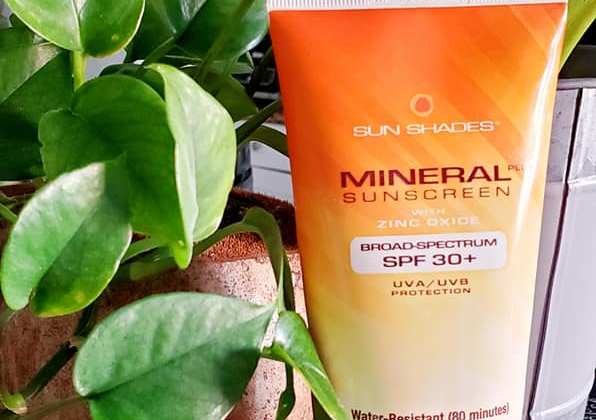
Using a safer budget-friendly sunscreen

Most people seem to think that sun-screen is only for the warmer, summer months. You know at the beach, playing ball and the rest. But the sun still shines in winter and, if you participate in outdoor snowy sports, the glare from the sun is so much greater than one would think. Plus, many people head to warmer climes to escape the snow and they need to take care of skin
protection as well. There’s never a time you shouldn’t be concerned about sun damage.
Painful sunburns can happen anywhere and at anytime.

So for on-the-go UVA/UVB protection, I grab Sun Shades Sport SPF 50 Sunscreen. Sun Shades Sport features dermatologist-recommended avobenzone and an exclusive natural blend of vitamins and antioxidants. This sunscreen helps protect skin against signs of premature aging and environmental damage for 80 water-resistant minutes and sprays on evenly for protection without feeling sticky or tacky on your skin.

Water-resistant, it protects against harmful UVA and UVB sun rays with quick and complete spray-on coverage.

  • SPF 50
  • Sprays onto the skin in a complete, uniform layer 
  • Feels natural and clean on your skin 

Using a safer alternative that is budget-friendly is what matters most to me

This is just a small sample…

Dangerous chemicals, flavor enhancers and food dyes are just some of the reasons why other countries ban these foods while Americans consume them without a thought.

Yet, our country has some of the highest rates of Cancer, autoimmune diagnoses, ADHD, etc.
Knowledge is power.