

than a great cup of organic black coffee early in the morning.
Nothing added to this one—black Sweet Cherry Vanilla. Rich taste. Delicious.
Starting the day off right!
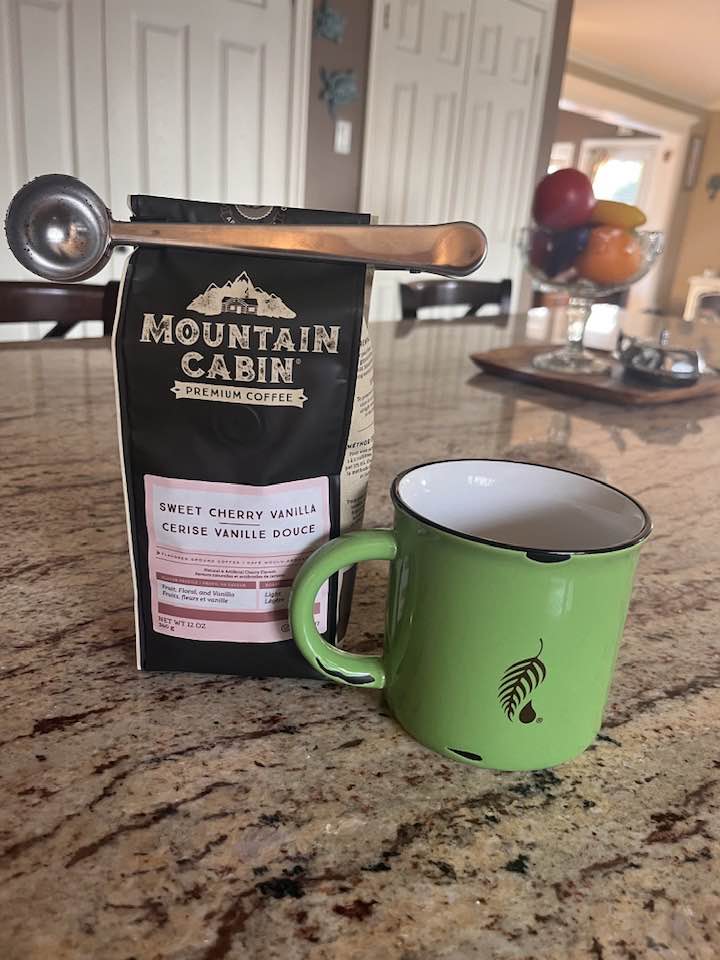

than a great cup of organic black coffee early in the morning.
Nothing added to this one—black Sweet Cherry Vanilla. Rich taste. Delicious.
Starting the day off right!

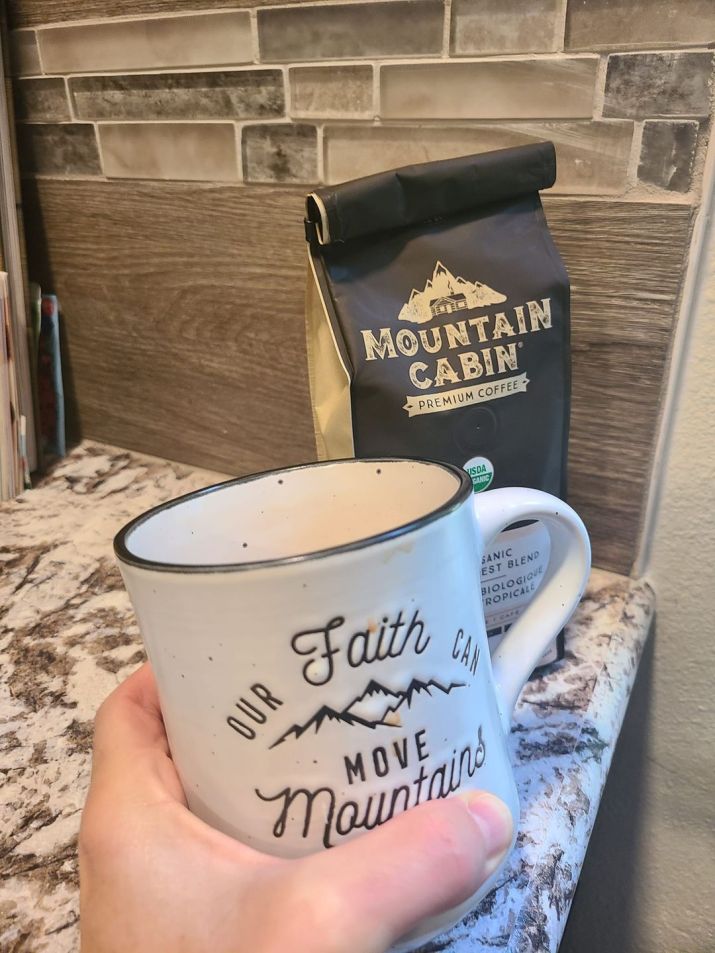
My go to cofffee is now organic.. I learned that coffee beans are the most heavily sprayed with pesticides so I only drink organic now…and this one is the best I’ve tried!
A high blood caffeine level might curb the amount of body fat a person carries and their risk of type 2 diabetes, suggests research published in the open access journal BMJ Medicine.
In light of these findings, the potential role of calorie free caffeinated drinks for lowering the risks of obesity and type 2 diabetes is probably now worth exploring, say the researchers.
Previously published research indicates that drinking 3-5 daily cups of coffee, a rich source of caffeine, is associated with a lower risk of type 2 diabetes and cardiovascular disease, note the researchers. An average cup of coffee contains around 70–150 mg caffeine.
But most of the published research to date has concerned observational studies, which can’t reliably establish causal effects, because of the other potentially influential factors involved, the researchers note. What’s more, it’s difficult to disentangle any specific effects of caffeine from the other compounds included in caffeinated drinks and foods.
To overcome these issues, the researchers used Mendelian randomization to find out what effect higher blood caffeine levels have on body fat, and the long term risks of type 2 diabetes and major cardiovascular diseases—coronary artery disease, stroke, heart failure, and irregular heart rhythm (atrial fibrillation).
Mendelian randomization is a technique that uses genetic variants as proxies for a particular risk factor—in this case blood levels of caffeine—to obtain genetic evidence in support of a particular outcome—in this study, weight (BMI) and type 2 diabetes risk.
The researchers looked at the role of two common genetic variants of the CYP1A2 and AHR genes in nearly 10,000 people of predominantly European ancestry, who were taking part in 6 long-term studies. The CYP1A2 and AHR genes are associated with the speed of caffeine metabolism in the body.
People who carry genetic variants associated with slower caffeine metabolism drink—on average—less coffee, yet have higher levels of caffeine in their blood than people who metabolize it quickly to reach or retain the levels required for its stimulant effects.
The results of the analysis showed that higher genetically predicted blood caffeine levels were associated with lower weight (BMI) and body fat. Higher genetically predicted blood caffeine levels were also associated with a lower risk of type 2 diabetes.
The researchers then used Mendelian randomization to further explore the extent to which any effect of caffeine on type 2 diabetes risk might principally be driven by the concurrent weight loss.
The results showed that weight loss drove nearly half (43%) of the effect of caffeine on type 2 diabetes risk.
No strong associations emerged between genetically predicted blood caffeine levels and the risk of any of the studied cardiovascular disease outcomes.
The researchers acknowledge various limitations to their findings, including the use of only two genetic variants, and the inclusion of only people of European ancestry.
But caffeine is known to boost metabolism, increase fat burning, and reduce appetite, they explain. And a daily intake of 100 mg has been estimated to increase energy expenditure by around 100 calories a day, which could consequently lower the risk of developing obesity.
“Our Mendelian randomization finding suggests that caffeine might, at least in part, explain the inverse association between coffee consumption and risk of type 2 diabetes,” write the researchers.
“Randomized controlled trials are warranted to assess whether non-caloric caffeine containing beverages might play a role in reducing the risk of obesity and type 2 diabetes,” they conclude.
This article was originally published March 16, 2023 | On MedicalXpress Breaking News-and-Events.

Mountain Cabin Coffee has a unique coffee-crafting process is a careful combination of age-old artistry and state-of-the-art quality control. Their unique coffee-crafting process is a careful combination of age-old artistry and state-of-the-art quality control.
Here are six reasons why this coffee is so darn good!
Here’s a list of some of the coffee styles that you can get with Mountain Cabin:
One taste of this and it is so easy to see why I love this brand!

If you know me you know I love coffee and will normally drink it black, why would I want to hide that rich aroma and coffee flavor? Lately, there have been lots of studies touting the health benefits of coffee and how it is almost a cuure-all for all that ails you.
Personally, I drink an organic brand of coffee, Mountain Cabin Premium Coffee, it’s made from100% Arabica beans which I’m told are hand-selected and small-batch roasted with masterful precision to maximize the flavor, body, and aroma of every bean. All I know is that I love the rich flavor.
Mountain Cabin coffee makers only buy their beans from farmers that meet their strict requirements for quality and fairness. Farm workers must be fairly compensated for their labor and expertise. Farm practices must be environmentally sustainable. They believe that their relationship with the coffee growers is one of the most valuable investments a manufacturer can make. Each coffee batch is packaged within minutes of roasting to maintain freshness and it shows.
BENEFITS OF COFFEE
My current go-to morning brew is the Kona blend and it is available in single-serve Keurig® 2.0 pods that make it so much easier when you’re in a rush in the morning!
What is your favorite brand?.
Feel free to pour yourself a cup of coffee before reading this — even if you’ve already had some today.
A study of half a million people found more evidence that drinking coffee is associated with a longer life
Yet another study has found that drinking coffee is associated with a longer life and lower risk of an early death. This adds to a significant body of research indicating that coffee has positive effects on the heart, liver, brain, and more.
The latest study, published in the journal JAMA Internal Medicine, reveals that people who drink more coffee have a lower risk of death even if they drink eight or more cups per day. The study, also found that even people who metabolize caffeine slowly are less likely to die early if they drink more coffee.
The study looked at 500,000 people in the UK for three decades., of whom 387,494 were coffee drinkers. The group studied was 54% female and had an average age of 57. Ten years after the start of the study, 14,225 people had died. The results suggested that people who drank two to five cups of coffee in a day were about 12% less likely to die than non-coffee-drinkers over the 10-year time period in the study. People who drank six to seven cups were 16% less likely to die, and people who drank eight or more cups were about 14% less likely to die.
In this study, coffee drinkers seem to gain health benefits from the habit. The study results showed coffee drinkers had a lower risk of death overall, just as many other studies have found.
It didn’t matter whether the coffee was decaf or regular, ground or instant — all were beneficial (though the connection to lower risk of death was weaker for instant coffee).
As with all studies like this in which researchers observe a group of people over time, this study can’t prove that coffee is the cause of the reduced risk of death. It can just say that people who drink coffee are less likely to die early.
Another large study of 500,000 people in Europe showed similar results to the recent UK research: men who drank three cups of coffee per day were 12% less likely to die over a 16-year period than coffee abstainers, and women who drank that much coffee were 7% less likely to die.
Another study of 185,855 multi-ethnic Americans confirmed that result, too. People who drank one cup per day were 12% less likely to die. Consuming two to three daily cups was associated with an 18% decrease in risk for early death. That study is particularly important, as it shows these benefits apply to African Americans, Native Hawaiians, Japanese Americans, Latinos, and white people. (People of color are not always as well represented in these types of studies.)
Other research has indicated that coffee drinkers are less likely to develop various forms of cancer, Type 2 diabetes, depression, Alzheimer’s, dementia, liver cirrhosis, and heart disease.
In many studies, it hasn’t mattered whether coffee was caffeinated or not, which indicates that many benefits may not be connected to caffeine — there are all kinds of other antioxidant-rich compounds in coffee that could have an effect. Still, at least one recent study attributed the lower risk for cardiovascular disease and stroke to caffeine, though those researchers still cautioned that overdoing it with caffeine was possible.
As all this data shows, coffee is likely beneficial for most of us, and at the very least not harmful. So the next time someone says they’re trying to limit their coffee consumption, you can tell them not to worry about it.
My favorite brand of coffee is Mountain Cabin what’s yours?

Do we kiss or drink coffee?

Why, we drink coffee first, of course!
Especially since we drink what must be the best coffee ever!
There’s no bitter aftertaste, nothing added, no chemical processing, just 100% Arabica Coffee beans from Colombia. Delicious!
It doesn’t need to be a National Coffee Day for us to be excited about our coffee. We get excited to drink Mountain Cabin Coffee every morning and every evening!
Now where is that Valentine’s morning Kiss?
#CoffeeLovers #MountainCabinCoffee #GetYourOwnBag #NationalCoffeeDay #InternationalCoffeeDay

I love my Mountain Cabin coffee and drink a cup or more daily. Growing up ideas on coffee have changed many times. Some years coffee was good for you with it’s energy boosting caffeine, then it was bad for you, too much caffeine was unhealthy and every few years the position would revert good to bad or bad to good. All I know I wasn’t giving up my coffee, I was sticking to caffeinated, black coffee and drinking in moderation. Most recently, coffee has been back on the “nice” list because it contains antioxidants that are good for us all.
Now there is a new study released by the University of California-Irvine that claims coffee and alcohol could help us live past 90. It claims moderate alcohol and coffee consumption could be linked to living a longer life. Started in 2003, “The 90+ Study” examined 1,600 participants of the “oldest-old” age group, to determine the key factors to living to 90 years of age and beyond. The study is one of the world’s largest examinations of the age group, which is also the fastest-growing in the U.S., the publishers of the study claim. According to the research, “people who drank moderate amounts of alcohol or coffee lived longer than those who abstained.” Somewhat surprisingly, the study also claims that “people who were overweight in their 70s lived longer than normal or underweight people did.”
There are other studies that claim that having a healthy coffee habit can help you live longer, as well as studies that report moderate alcohol consumption is the key to a long life. Perhaps combining these two things is the fountain of youth. One study published in the Journal of the American Medical Association found that drinking up to eight cups of coffee a day, even decaf, could prevent premature death.
A new study of nearly half a million people in the United Kingdom suggests a lower risk of death was associated with drinking more coffee, including among coffee drinkers who have eight or more cups per day, in both slow and fast metabolizers of caffeine, and in drinkers of ground, instant, and decaffeinated coffee.
The results come with a warning to interpret them with caution because they are based on observational data and cannot prove causation,” a press release about the August 2018 study explained. While a straight line can’t be definitively drawn between coffee and living longer, these types of studies certainly make a case for dedicating more resources to researching the properties of coffee and alcohol.
The critical word in all of this is “moderate” consumption, which the Dietary Guidelines for Americans defines as up to one alcoholic drink (containing 14 grams of pure alcohol) per day for women, and two for men.
As to whether or not casual alcohol consumption can help you live longer, an analysis of 87 studies about the topic published in the Journal of Studies on Alcohol and Drugs reported that there is no direct evidence that drinkers live longer than non-drinkers. Basically, it’s really not clear what will help you see your 90th birthday.
However, if you enjoy coffee, go ahead and drink it. If you like to have a few drinks a week, it’s probably not going to hurt you. However, if neither of these things are your jam, there’s no reason to start consuming them now.
All I know I’m sticking with my Mountaiin Cabin Coffee and wine with dinner.
How about you?
The most popular hot beverage in this country is coffee. Millions of us enjoy a hot cup of coffee or two to start our day (or throughout). In searching for the best way to make a great cup of coffee we turned to (where else) the National Coffee Association.
Attached are some guidelines that the association recommends. Their advice in this article ranges from cleaning your equipment properly, to the beans, to the freshness, to the grind, to the water, including the ratio of water to coffee, the temperature of the water, brewing time. Some great basics that can make us all better at brewing that perfect cup.
Great coffee the NCA points out starts with great beans. That means that the beans you choose should match your own personal taste. The roast, the origins and even the preparation are matters of your own taste, so don’t hesitate to experiment while you search for you own “magical cup”.
A couple of years ago, my company introduced coffee to its wellness line of products. It took them years of research and tasting to find just the right beans and places that they were grown. The company is driven by quality so the research was an important part of introducing coffee to their product line.
They wanted to be sure that the coffee we offered was proprietary, so they contracted to purchase the entire production of the beans and the plantations they chose. Even the plantations and their locations are kept a secret to prevent duplication of our superior brand. The company did all that. All I have to do is enjoy a cup of this most delicious brew and it is priced so competitively that I am able to enjoy it every day.
 Hayseeds Creative