Are You “Under Muscled”?

Muscle mass peaks in our 30s and then starts a long, slow decline. Muscle loss, also called Sarcopenia, affects more than 45% of older Americans, especially women.

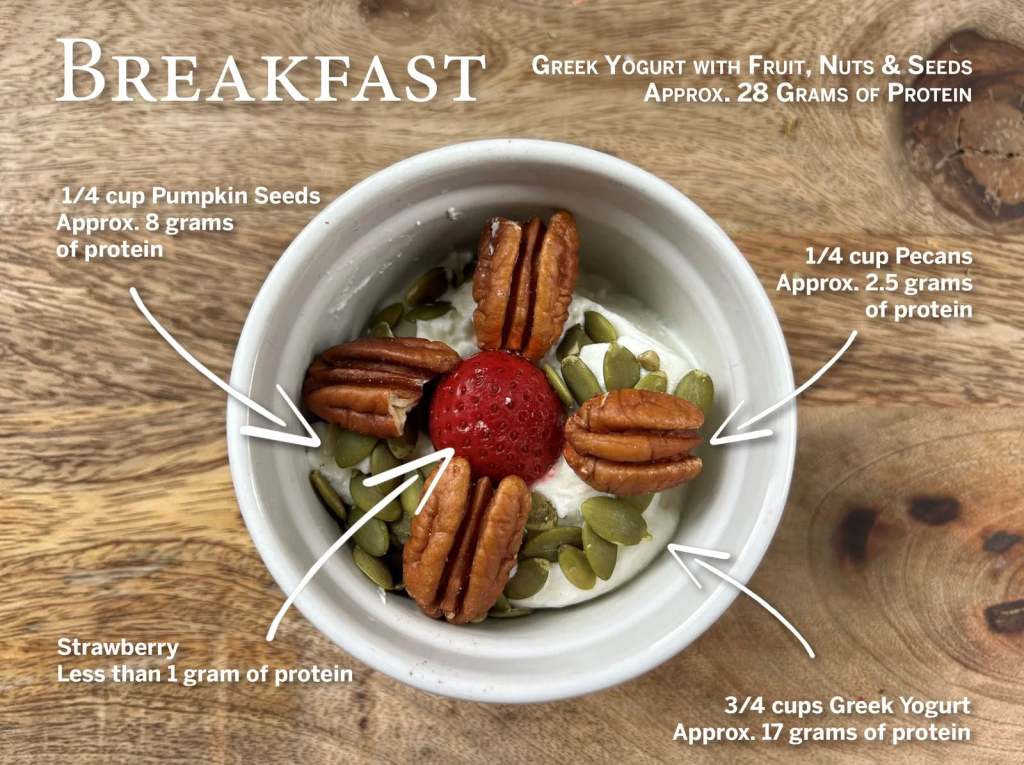
The good news: No matter your age, you can take steps to maximize your strength. Resistance training is key, but equally important, is eating adequate amounts of protein. If we don’t eat enough protein, we’re missing half of the equation.

As we age, the goal is to consume protein from food at a faster rate than our body is breaking it down. When you add in resistance training, this will help maintain muscle mass. But how much protein should we consume?

The National Academy of Science recommend a minimum of 0.8 grams of protein per kilogram of body weight. That’s about 0.36 grams of protein multiplied by your weight in pounds. That means a person who weighs 150 pounds should consume at least 54 grams of protein a day.

But many experts say more is optimal. As we age, protein needs to increase—and if you are exercising a lot—which is the way to build new muscle — you may benefit from even more. Some sports medicine experts recommend 115 grams of protein for a 150 pound person.
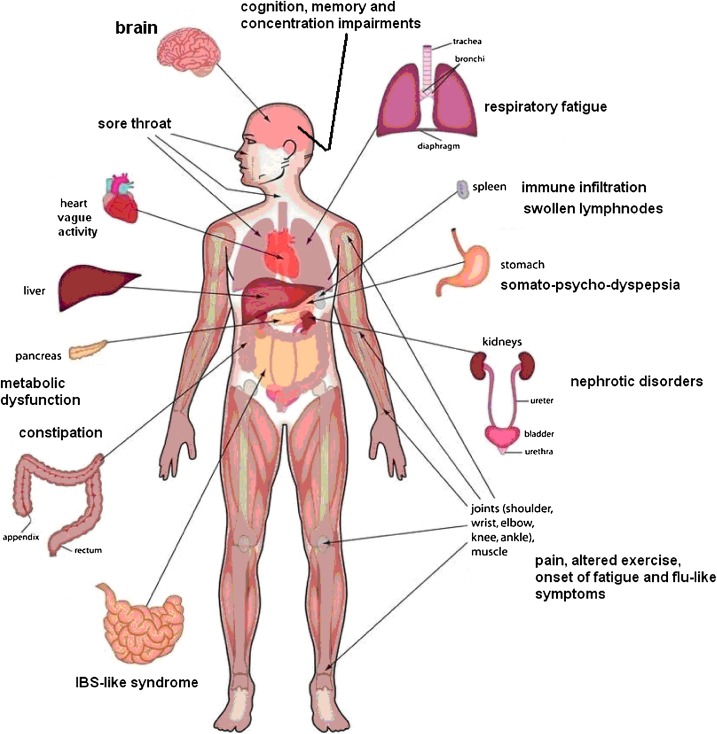
Chronic Fatigue Syndrome

Chronic Fatigue Syndrome (CFS) is a condition characterized by extreme tiredness or fatigue that doesn’t improve with sleep. It can often be misdiagnosed as depression which leads to improper prescribed anti-depressants.

Who is at risk for Chronic Fatigue? The top seven risk factors for chronic fatigue syndrome are:

  1. Women between the ages of 30 and 50.
  2. Being overweight
  3. Being inactive
  4. Having allergies
  5. Depression
  6. A stressful life
  7. Exposure to toxins

Technically, there is no cure, but there are steps you can take to address it. First, however, you have to know the root causes of CFS.

Root Causes of Chronic Fatigue Syndrome

Here are some common culprits of CFS (Chronic Fatigue Syndrome):

  • Viral, bacterial, or parasitic infections
  • Epstein-Barr virus
  • Heavy metal, toxic chemicals or mold 
  • Unhealthy digestive system and gut microbiome
  • Thyroid issues
  • Immune conditions
  • Adrenal exhaustion 
  • Hormonal Imbalances
  • Inflammation 
  • Mitochondrial dysfunction
  • Nutritional deficiencies 
  • Hypertension 
  • Mental stress

Pretty big list, right? So it’s important to not “self diagnose” an issues that’s not there. 
If you do have a proper diagnosis, here’s a few steps you can take to feel better:

  1. Eat a well balanced diet
  2. Consult about proper supplementation. Chances are you are deficient in more than one area
  3. Exercise within your limits
  4. Go to bed and get up at the same time every day

As always, I’m here to help in any way I can!

Eye-opening statistic about functional movement

Here’s an eye-opening statistic for you! 

“The average person loses 30% of their muscle by the time they reach 60!
This can lead to many health issues including loss of balance, less mobility, as well as decreased bone density — all of which can lead to falls and fractures.

According to Johns Hopkins Medicine, studies suggest that among those 50 and older, up to one in two women and up to one in four men will break a bone due to osteoporosis. Even a minor fall or bump can result in broken bones for those suffering from bone density loss. 

Strength training for the aging population — and by that, I mean anyone 50 and over — is tremendously important as it can help to reduce the risk of falls and bone breakage. The great news is that it’s never too late to start…and it doesn’t have to be complicated! 

We all are getting older. Exercises that combine functional strength skills with mobility exercises with help us move better and reduce the risk of injury! 

Here are just a few benefits of functional movement and strength training:

  • Reduced Fall Risk 
  • Better Balance and Stability
  • Improved Mobility
  • Decreased Pain and Stiffness
  • Increased Strength and Stamina
  • Greater Ease When Performing Daily Activities

By incorporating functional strength training two to three days a week and aerobic exercise (such as brisk walking) three to four days a week, you can experience greater control and improve the quality of your life!

Getting ready for winter

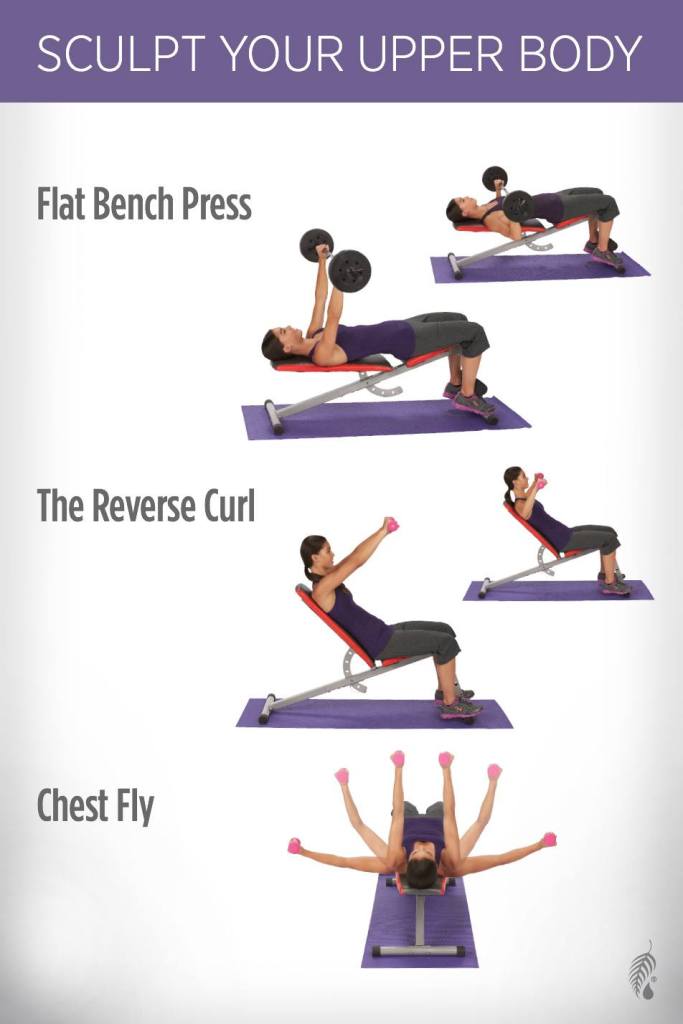
With cold weather setting in, I figured it’s time to strengthen myself, specificalllly upper body strength to shovel snow!

I found this plan designed to strengthen upper body muscles with the three simple moves shown below. 

They’re supposed to help improve daily movements like picking up a child, carrying a bag of groceries, or pushing objects like a vacuum or snow shovel. Woo hoo!

Hear that snow? I’m going to be ready for you!

What’s one of your favorite upper body exercises?