
Having a pet can…
- Boost our mood
- Improve blood pressure
- Lower cholesterol
- Ease depression
- Act as an exercise buddy
- Open the door for social relationships (Dog parks, etc)
Do you have a pet? Why not share a photo of your pet?
Here’s a photo of Pinot.


Having a pet can…
Do you have a pet? Why not share a photo of your pet?
Here’s a photo of Pinot.

If a product needs a Safety Alert tag and there are safer, not to mention cheaper, alternatives out there, why are we even debating?
I guess it’s because not everyone has discovered the secret to finding these better options. But don’t worry, I’m here to change that!
I’ll continue to be the outspoken advocate that I am, laughing all the way! Only 2% of the US shops where I do, which means I’ve got 98% of you to enlighten.
And I’ll do it with no apologies, just pure love!

This popular Classic Tooth Polish uses a different approach to whitening smiles. Instead of just bleaching stains, Classic Tooth Polish permanently removes them to naturally reveal a brighter, cleaner smile. And the best part? Our secret to whitening teeth doesn’t come from a lab—it comes from papaya. Papain is a naturally occurring enzyme found in the rinds of mountain papaya. This unique enzyme has the ability to break down the building blocks of stains, making it a natural tooth whitener. Instead of bleaching stains to mask the discoloration, papain actually helps remove stains from the tooth’s surface.
When it comes to controlling oral bacteria, this Tooth Polish brings together a unique combination of ingredients to prevent plaque, tartar, and gum disease for a lifetime of healthy smiles.
Plus, there are no adverse side effects and it’s safe to use daily for adults and children. It’s even safe enough to eat!
If you’d like to know more about the benefits of the Wellness company’s all-natural oral care products, contact me. I am so glad I switched


Unfortunately today, most conventional measures are a band-aid for symptoms without getting to the root cause.
Whether our bodies function, move or perform well has everything to do with the lifestyle stimulus we give it on a daily basis. The body needs a few simple things, and without them we cannot achieve our full health or human potential.
If we short change our body over time we eventually pay a big price. If we invest in ourself daily with a few simple principles and know about alternative natural health options, we can maximize the days in our life and the life in our days.

For a while now, we’ve been told to limit red meat, but that’s a very narrow and uneducated view. There’s a lot of mixed information out there. Beef is actually……
Several well known physicians, including Dr. Mark Hyman and Dr. Ken D Berry, embrace a diet rich in beef, especially in the fight against cancer. Holistic therapists are often promoting a more Keto lifestyle as part of the healing protocol with cancer, and here’s why:
Protein is essential and while you can get protein from other sources, high quality beef is the most nutrient-dense source. Quality beef is loaded with vitamins and minerals. In fact, beef is the best natural source of vitamin B12. Beef is a good source of vitamins B2, B3, B5, B6, and K—as well as essential minerals, including zinc, selenium, phosphorus, iron, copper, potassium, and magnesium.
The key is to avoid any antibiotics and hormones. Insist on pasture-raised and grass-fed. We choose only USDA Prime beef that is raised here in the US from a source that I know and trust. So while I believe in eating lots of great fruits and veggies, chicken and grilled fish—I eat high quality beef a few times a week. It works for me1
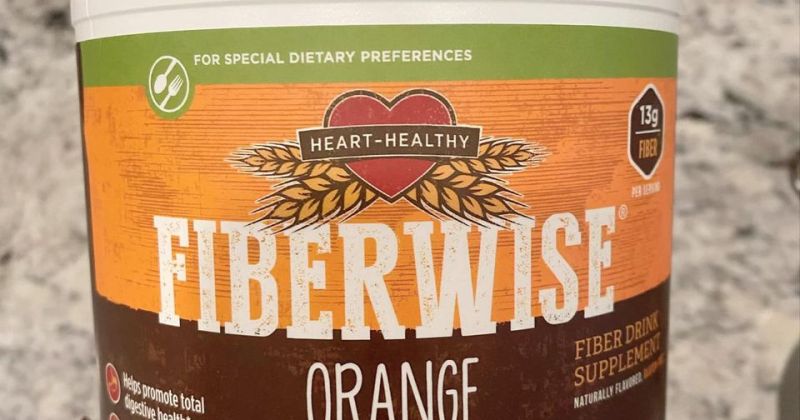
I do! Why? Because FiberWise contains a unique blend of multiple fiber sources along with vitamins, antioxidants, soothing herbs, and probiotics that gives a broad spectrum of full-body benefits.
I like it because it promotes digestive health. According to research, a high-fiber diet helps reduce the risk of many serious health concerns in the digestive tract.
It promotes healthy weight loss. I know it helps me feel fuller longer helping to reduce overeating, which in turn helps prevent weight gain and makes it easier to shed excess pounds. Plus there is an added benefit that it helps to reduce the risk of heart disease.
How? Well, soluble fiber may help lower total blood cholesterol and LDL cholesterol, which may in turn help lower the risk of heart disease. Supposedly it helps do this by “sweeping away toxins and waste throughout the body. Fiber helps keep toxins from recirculating in the bile and blood, and speeds the passage of waste from the body. another benefit is that it supports immunity by providing food for the “friendly” bacteria in your large intestine that fight the growth of harmful bacteria and contribute to immune support throughout the body. who can forget the primary selling benefit of fiber? It improves regularity. According to research, a high-fiber diet may help promote a healthy digestive tract.
How does it work? Well, fiber is a component of plant food that is never broken down and absorbed by the body—allowing it to perform important functions that no other food can. The two forms of fiber, soluble and insoluble, both play important roles in maintaining optimal health.
One of the most treasured forms of fiber is psyllium husk. A flowering annual shrub-like plant, psyllium is a rare, unique ingredient that delivers the perfect balance of soluble and insoluble fiber in small, almost tasteless doses.
Psyllium is 68% soluble fiber and 32% insoluble fiber. Just seven grams of this precious fiber a day may reduce the risk of heart disease. Two servings of FiberWise drink a day will provide 7.0 – 8.0 grams! Diets low in saturated fat and cholesterol that include those seven grams of soluble fiber per day from psyllium husk may reduce the risk of heart disease. One FiberWise bar provides 1.7 grams and one serving of FiberWise drink provides 3.5-4.0 grams of this soluble fiber.
SOLUBLE FIBER. Soluble fiber dissolves in water and forms a gel-like substance during digestion. In this form, it traps excess sugars, fats, and cholesterol as it moves through the intestines, helping sweep them out of the body. It also plays an important role in lowering LDL blood cholesterol and reducing blood glucose levels after eating.
INSOLUBLE FIBER. Insoluble fiber is never dissolved. Instead, it acts like a sponge, soaking up to 15 times its weight in water. Its primary benefit is to provide bulk, which can help promote feelings of fullness while also speeding up the movement of food through the digestive system, promoting regularity.
HOW FIBER HELPS CLEANSE YOUR BODY OF TOXINS. The liver begins producing a substance necessary for digestion called bile. Bile is made of acids as well as cholesterol. Bile is stored and concentrated in the gallbladder until foods that contain fat are eaten. After eating, the bile is dumped into the small intestine, where it breaks up fat, grease, and food particles. At the lower end of the small intestine, the bile is broken down into its individual component parts—cholesterol, fat, toxins, and wastes. If there is an adequate amount of fiber in the intestines, the fiber binds up the cholesterol, fat, and toxins and sweeps them out of the body. If there isn’t enough fiber in the intestines, the toxins reenter the bloodstream and are recirculated throughout the body. These toxins will eventually reach the liver. This forces the liver to process them again and dump them into the intestines in the next batch of bile. That’s a lot of work!
To help my system run in peak condition, I use Fiberwise either in the drink form (Orange or Raspberry) or, in the newer powder that is tasteless and can be added to my foods, such as home baked muffins, pancakes and waffles or even soups and gravies. FiberWise is formulated with a unique, proprietary fiber blend of psyllium, oat, apple, rice bran, chicory root, maltodextrin fiber, and fructooligosaccharide (FOS). FiberWise also contains a proprietary blend of soothing herbs, antioxidants, and probiotics to make each one a truly one-of-a-kind health supplement.
Soothing herbs such as ginger help reduce occasional intestinal gas and bloating, while peppermint and licorice root help balance intestinal flora and soothe mild indigestion. Antioxidants such as vitamins A, C, and E help fight free radical damage during digestion and throughout the entire body. Probiotics such as Lactobacillus acidophilus are “friendly” bacteria that help break down food in the intestines as well as create an environment that keeps “bad” bacteria in check.
On a daily basis, 95% of Americans are only getting about half as much fiber as they need. A single glass of FiberWise provides 13-15 grams of healthy fiber to help you meet your optimal daily fiber. To read more click here.

If you must (or choose) to go gluten-free, one of the challenges is getting enough dietary fiber.
Why is that, you may wonder.
You see, on a typical diet, your doctor might tell you to eat more healthy whole grains, like wheat bran, whole wheat bread and cereals to increase your fiber intake. That can be a problem for those with celiac disease who are on a gluten-free diet since many gluten-free foods are low in fiber.
The good news is that there are plenty of gluten-free alternatives to whole wheat that are still high in fiber.
There are two types of dietary fibers – soluble and insoluble.
Soluble fiber soaks up water as it passes through your system, which helps bulk up your stool and guard against diarrhea. Examples of foods with soluble fiber include:
Insoluble fiber helps prevent constipation. Examples of foods with soluble fiber include:
When consuming a diet rich in fiber, it is important to drink water to prevent constipation. Consuming about eight (8-ounce) glasses per day is recommended for adults.
Actually, it’s not that simple.
There are benefits of going gluten free, true. For those with celiac disease, it’s a priority! If you don’t have celiac disease, there are several things to consider before going gluten-free:
Making the choice of going gluten-free is not an easy one. Based on the way that gluten works, it’s an all or nothing decision. If you think going gluten-free is for you, please do your research.

Magnesium is a key factor in helping your body run smoothly.
It may:
FUN FACT: More than half of the magnesium in our body is stored in bones, and the remaining in various tissues throughout the body!
Frankincense Oi is one of my health strategies. I often either diffuse it or combine it with a carrier oil, like Almond or Coconut, and apply directly to aching joints.
Frankincense comes from the Boswellia tree, which produces specific compounds that have been found to have strong anti-inflammatory, and potentially anti-cancer effects. (Boswellia is an ingredient in my joint collagen supplement I take). But there are other benefits to Frankincense such as it…
You can add it to your bath, your cleaning products, your skin care…it’s truly amazing because of its versatility. This is why it’s in my Top Five Essential Oils!
 Hayseeds Creative