Living longer with coffee?

Feel free to pour yourself a cup of coffee before reading this — even if you’ve already had some today.

A study of half a million people found more evidence that drinking coffee is associated with a longer life


Yet another study has found that drinking coffee is associated with a longer life and lower risk of an early death. This adds to a significant body of research indicating that coffee has positive effects on the heart, liver, brain, and more.

The latest study, published in the journal JAMA Internal Medicine, reveals that people who drink more coffee have a lower risk of death even if they drink eight or more cups per day. The study, also found that even people who metabolize caffeine slowly are less likely to die early if they drink more coffee.

The study looked at 500,000 people in the UK for three decades., of whom 387,494 were coffee drinkers. The group studied was 54% female and had an average age of 57. Ten years after the start of the study, 14,225 people had died. The results suggested that people who drank two to five cups of coffee in a day were about 12% less likely to die than non-coffee-drinkers over the 10-year time period in the study. People who drank six to seven cups were 16% less likely to die, and people who drank eight or more cups were about 14% less likely to die.

In this study, coffee drinkers seem to gain health benefits from the habit. The study results showed coffee drinkers had a lower risk of death overall, just as many other studies have found.

It didn’t matter whether the coffee was decaf or regular, ground or instant — all were beneficial (though the connection to lower risk of death was weaker for instant coffee).

As with all studies like this in which researchers observe a group of people over time, this study can’t prove that coffee is the cause of the reduced risk of death. It can just say that people who drink coffee are less likely to die early.

Another large study of 500,000 people in Europe showed similar results to the recent UK research: men who drank three cups of coffee per day were 12% less likely to die over a 16-year period than coffee abstainers, and women who drank that much coffee were 7% less likely to die.

Another study of 185,855 multi-ethnic Americans confirmed that result, too. People who drank one cup per day were 12% less likely to die. Consuming two to three daily cups was associated with an 18% decrease in risk for early death. That study is particularly important, as it shows these benefits apply to African Americans, Native Hawaiians, Japanese Americans, Latinos, and white people. (People of color are not always as well represented in these types of studies.)

Other research has indicated that coffee drinkers are less likely to develop various forms of cancer, Type 2 diabetes, depression, Alzheimer’s, dementia, liver cirrhosis, and heart disease.

In many studies, it hasn’t mattered whether coffee was caffeinated or not, which indicates that many benefits may not be connected to caffeine — there are all kinds of other antioxidant-rich compounds in coffee that could have an effect. Still, at least one recent study attributed the lower risk for cardiovascular disease and stroke to caffeine, though those researchers still cautioned that overdoing it with caffeine was possible.

As all this data shows, coffee is likely beneficial for most of us, and at the very least not harmful. So the next time someone says they’re trying to limit their coffee consumption, you can tell them not to worry about it.

My favorite brand of coffee is Mountain Cabin what’s yours?

Did you know. . .

Regular #PhysicalActivity can help reduce your risk for colorectal cancer. Take steps to #GetActive today: http://1.usa.gov/UNrlVO

Caffeine Awareness Month

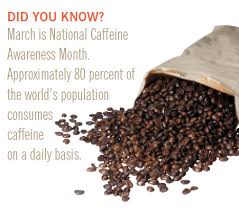
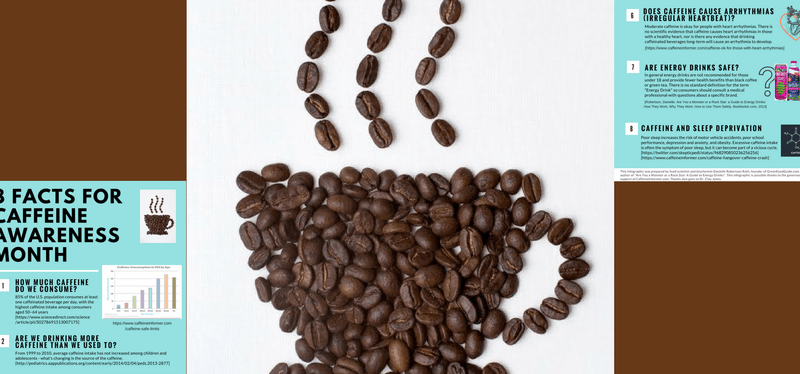
March is Caffeine Awareness Month, which comes at a time when caffeine from coffee, tea, energy drinks, chocolate bars, and other foods and beverages is an especially buzz-worthy topic for consumers around the world.

I love coffee and chocolate and have a tendency to consume one or the other (sometimes both together) daily. A day without chocolate is a day without sunshine! Both are considered sources of caffeine.

The 2015 Dietary Guidelines for Americans (DGAs) published recommendations mentioned caffeine 414 times, and provided an evidenced-based guideline indicating caffeine consumption of up to 400 mg/day, or approximately three to five 8-oz. cups of coffee per day, can be incorporated into healthful, daily eating patterns.

While the DGAs are primarily centered on coffee, there are several sources of caffeine that can contribute to this recommended 400 mg threshold.

Ever wonder which foods contain caffeine and how much is recommended for you?  Let’s take a quick look at a few common food and beverage sources and how much caffeine they contain:

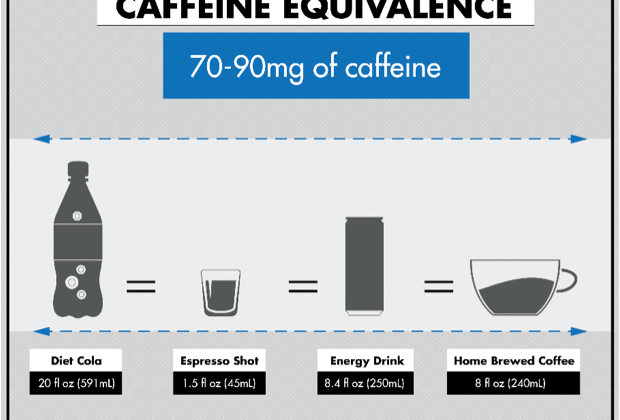
  • An 8.4-oz. energy drink, a 20-oz. diet cola, and a shot of espresso, all sources of caffeine, contain about the same amount as a cup of coffee (80 mg).  Other recognizable choices include:
  • A cup of green tea or a 12-oz. can of soda, both of which contain about 40 mg of caffeine.
  • A 1.5-oz. chocolate bar, which contains about 10 mg of caffeine, whereas a darker chocolate bar the same size contains about 30 mg of caffeine. (No wonder I prefer dark chocolate!)

So know your sources of caffeine and the amounts.  It all adds up across the day.

What’s your favorite chocolate or coffee?

Healthy snacking

Eating healthy doesn’t mean you have to constantly deny yourself of all those delicious treats and snacks forever.

Making and eating healthy homemade snacks can be easy with GC Control Brownies and muffins. and… are they ever delicious!

To make basic muffins:
Preheat oven to 350°
1 egg beaten well
1/2 cup milk
1 cups GC Control any flavor
1 tsp. baking powder
Splash of Vanilla
Thoroughly blend all ingredients in a medium bowl.
Prepare muffin pan by spraying or brushing with a non-stick oil
Pour mixture into muffin pan.
Bake for 12-15 minutes.
Yields 4 – 6 muffins

Breakfast muffins.
I have these for breakfast or as a snack with coffee or tea.
Preheat oven to 350°
2 cups GC Control any flavor ( I used Apple Cinnamon)
1 tsp baking powder 
3 whole eggs
1 cup water or milk 
Bake for 20 minutes.
Yields 12 muffins

Brownies:
Preheat oven to 400°
2 cups GC Control Chocolate
1 tsp. baking powder
1 cup 2% milk (can also use fat free)
Mix all ingredients together and pour into baking pan.
Bake for 20 minutes.

GC Control Chocolate Mousse
1 scoop GC Control Chocolate
1 cup heavy whipping cream
Vigorousl shake ingredients until well-blended
Pour into glass.

GC Control Peanut Butter Cup
4 tbsp Coconut oil
8 tbsp GC Control Chocolate
Small amount of Peanut butter or Almond butter
Melt oil and mix with GC Control until smooth
Fill six muffin cups with half the mixture
Place dollop of nut butter in center of each half-filled muffin cup
Fill muffin cup with remaining chocolate mixture
Freeze for 30 minutes and enjoy
Store in refrigerator

Attain Pudding
1 scoop Attain Shake mix (any flavor)
3 tbsp water
Add ingredients to small ice cream size dish
Mix vigorously until thick and smooth.
Freeze for 20 minutes
Enjoy!

Healthy Gingerbread And French Vanilla Cookies
Preheat oven to 400°.
1/2 cup Unbleached Flour
2 scoops GC Control Gingerbread
1 scoops GC Control French Vanilla 
1/3 cup Eggland Eggwhites
1 cup Organic So Delicious Unsweetened Coconut milk
1 TB Organic Coconut Palm Sugar
2 TB Organic Earth Balance Butter
1tsp Organic ground ginger
2 tsp pure baking soda
1/2 tsp pure vanilla extract
2 tsp ground cinnamon

In large bowl add all ingredients.
Use electric mixer on low for 3-4 minutes.
Put mixture in the fridge for 5-10 minutes to harden slightly.
Spray two flat rectangular trays with non stick Extra Virgin Olive Oil.
Bake for 15 minutes.
Yield: 30 cookies.
Each cookie has 28 cal, 3g carbs, 1g fat, 2g protein, 1g fiber and 1g sugar.

National Day of Unplugging

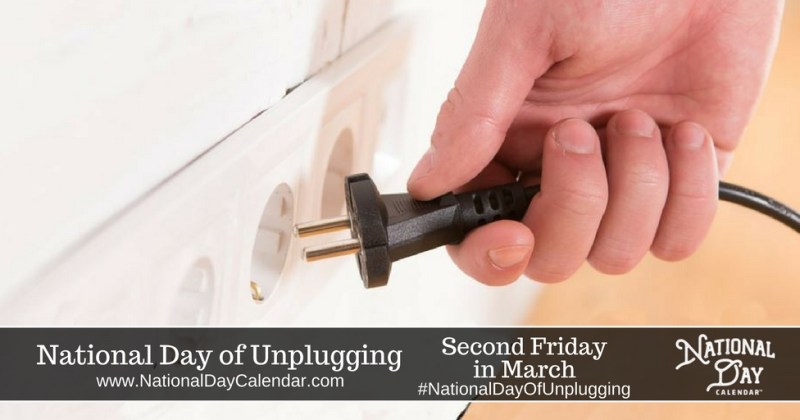
The second Friday in March is the National Day of Unplugging and today just so happens to be the day.

So for 24 hours (ideally from sundown to sundown) we take a break from technology by unplugging, unwinding, relaxing and doing things other than using today’s technology, electronics, and social media. Take a break from technology and use #NationalDayOfUnplugging to post on social media the day before to spread the word.

How do you plan to unplug?

You do have options

When it comes to colorectal cancer screening, you have options.
Decide which screening test you prefer: https://healthfinder.gov/HealthTopics/shared-decision-making/colorectal-cancer-screening

True or false?

True or false?
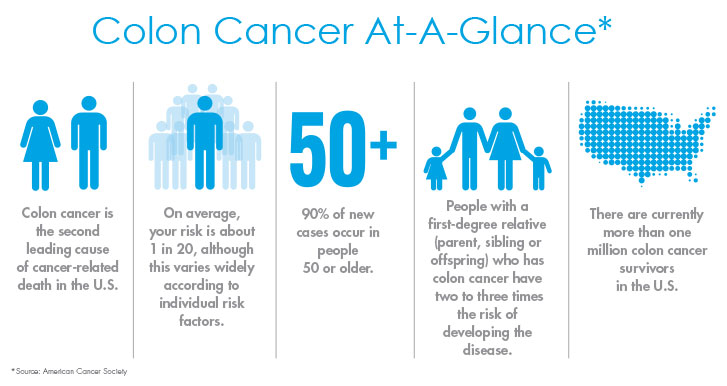
You need to get tested regularly for colorectal cancer starting at age 50.

Answer: True. The best way to prevent colorectal cancer is to get tested regularly starting at age 50.

Learn more: http://1.usa.gov/11Y4avWTweet This!

Children’s Nutrition and Health

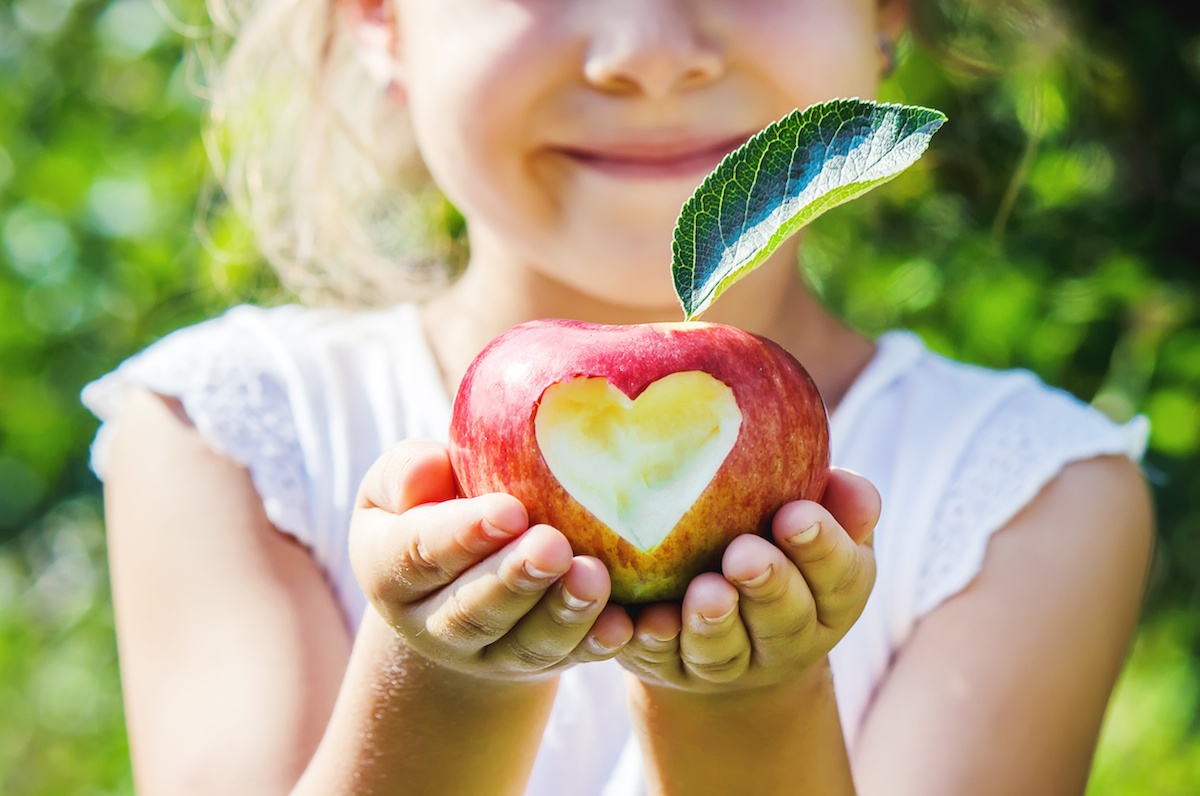
It’s National Nutrition month and it may come as a surprise to find out that today’s children undernourished. They may be overfed, but they are still undernourished because, children, for the most part, do not eat well. They commonly choose foods high in fats, sugars, and salt—foods that have little, real nutritional value. The top choices among kids are hot dogs, chicken nuggets, French fries, pancakes, pizza, cookies and ice cream. It isn’t the most optimal menu for growing children and it’s definitely not conducive to good health.

This creates a domino effect that results in 97% of children suffering from some form of malnutrition. One in three children ages 2 to 19 is obese or overweight. That’s triple the rate of just a generation ago. Many suffer from high blood pressure and diabetes in children has increased by 21% in the last 10 years! This is caused by poor nutrition and three out of every four children not getting 60 minutes of exercise each day. The result? Childhood obesity health costs over $14 billion a year.

This article from Precision Nutrition will further explain some guidelines and strategies for assuring that your child is well fed and healthy. Supplementation can replace some of the vitamins and minerals missing in your children’s and grandchildren’s diets. Make sure to choose supplements that are safe and effective. Learn more. . .

Watch what you eat

It’s National Nutrition Month® and each March the focus is on the importance of making informed food choices and developing sound eating and physical activity habits.

Are you an organ donor?