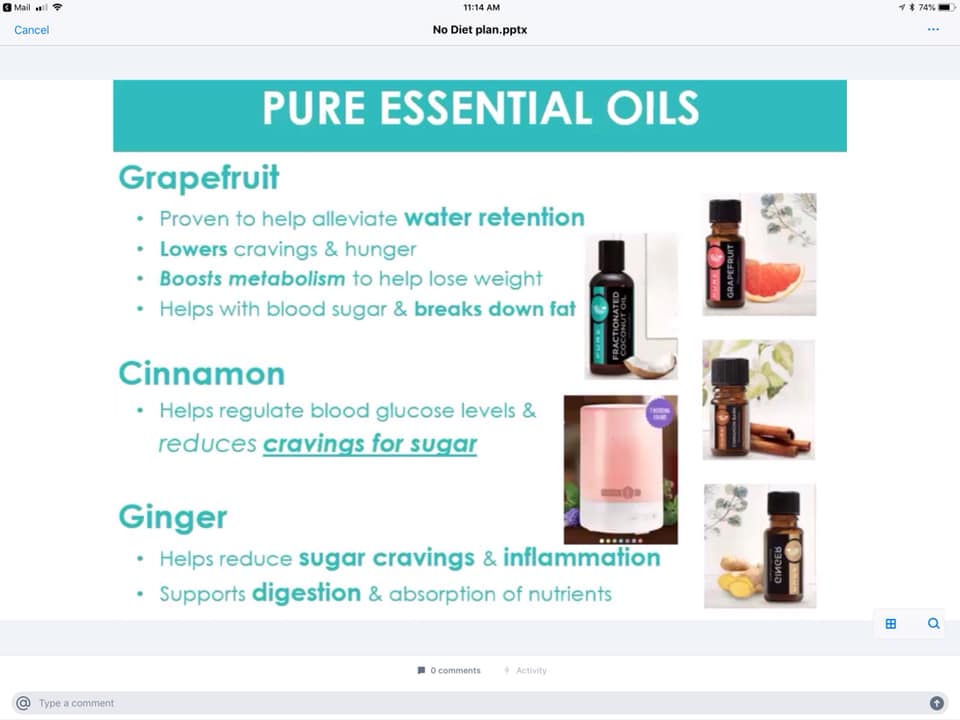
Today is brought to you by grapefruit, cinnamon and ginger

Essential oils that is!

Antibiotics and aortic aneurysm

Certain antibiotics may cause aortic aneurysm. The US Food and Drug Administration recently warned healthcare providers that the benefits of fluoroquinolone antibiotics do not outweigh the risks—which include aortic aneurysm—for certain patients, according to the latest research. The research is based on reports of patient problems and on studies published between 2015 and 2018.

Fluoroquinolone antibiotics are often used to treat serious respiratory infections, pneumonia, urinary tract infection, and even plague and exposure to anthrax. They include drugs sold under the names ciprofloxacin (Cipro), gemifloxacin (Factive), levofloxacin (Levaquin), moxifloxacin (Avelox), norfloxacin (Noroxin) and ofloxacin (Floxin). Patients may take them orally or through injection.

The drugs may cause aortic aneurysm, a bulge in an artery that can grow and burst, causing dangerous or fatal bleeding. Patients most at risk for an aortic aneurysm after taking these antibiotics are the elderly, those with high blood pressure, people who have a history of blockages of the aorta or other blood vessels, and those who have genetic conditions like Marfan syndrome or EhlersDanlos syndrome.
Although the risk of aortic aneurysm or dissection is low, researchers say patients are twice as likely to experience an aortic aneurysm or dissection when prescribed a fluoroquinolone drug. Patients who are known to be at risk of an aortic aneurysm, the benefits may not outweigh this risk, and alternative treatment should be considered.
For patients who don’t fall into a risk category, fluoroquinolones may still be a good option. They have been helping patients with bacterial infections for more than 30 years.

The FDA is requiring that a warning about these risks be added to prescribing information and to patient medication guides. Tthe agency has also warned that these drugs may significantly decrease blood sugar and negatively impact mental health and that the drugs may have a disabling side effect on muscles, nerves, joints and the central nervous system and should be restricted for use in some simpler infections.

If you are in one of these at risk categories and are taking one of these antibiotics, experts recommend talking to your doctor about it but continuing to take the medication.

Today is National Walking Day!

Ready to move? Physical inactivity is a leading cause of heart disease and can be more dangerous than smoking. To combat this, the American Heart Association has named the first Wednesday in April as National Walking Day.

Americans are encouraged to walk for at least 30 minutes today — and every day. Statistics from the AHA show that one in two men and one in three women are at risk for heart disease.

For more information about walking, check out our walking post here

How to reduce and treat toxic mold exposure in your everyday life

Without knowing it, hundreds of millions of people are exposed to toxic mold every single day by touch, breathing or ingestion—and they don’t even know it.

Mold is silent, shifting and threatens our well-being. It can grow behind walls, below floors and even makes a home in our food. What you might not realize is, mold can make you very sick and in some cases, even be deadly.

People often underestimate the crippling effects that mold has on our bodies. If the growth of mold isn’t managed, it can overload and break down your immune system. When someone is suffering from mold toxicity, they are often left confused and frustrated trying to figure out the root cause of their illness. Use this Helpful Home 5-Minute Mold Test to find out if your home is exposed to mold spores.

Some molds release poisonous, invisible chemicals known as mycotoxins that are difficult, but not impossible, to kill. These mycotoxins will make their home all around your environment, contaminating everything you own from furniture to your clothes. These biotoxins travel through the body distressing immunity, joints, the nervous system, and more. They change how you think, how you feel and even how long you live.

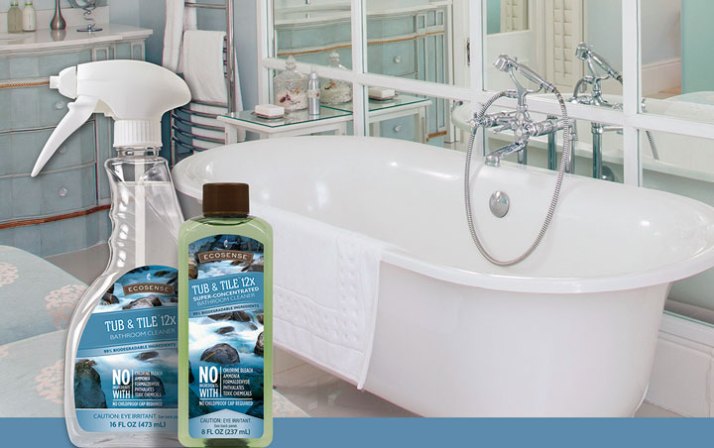
Apart from mycotoxins, molds also generate irritants and allergens that trigger reactions often related to a person’s sensitivities. For example, studies show that 25-28% of North Americans are genetically predisposed to have problems with water-damaged buildings. This spray can help to prevent and clean mold buildup in your home.

Long-term mold exposure symptoms

Chronic mold toxicity is repeatedly misdiagnosed because of its collection of symptoms that resemble other diseases and syndromes. It’s habitually mistaken for and pooled together as Lyme Disease, Celiac Disease, Fibromyalgia, Chronic Fatigue Syndrome and more.

Research shows that long exposure to mold toxicity can cause:

  1. Neurocognitive problems such as mood issues, brain fog, confusion, and memory loss
  2. Sleep issues and fatigue
  3. Auto-immune issues
  4. Pain such as headaches, inflammatory problems or joint pain
  5. GI problems, food sensitivities, and weight fluctuation
  6. Numbness and tingling
  7. Blurred vision or sensitivity to light

Mold and its hiding places

About 50% of the buildings in the United States have water damage, so there’s a good chance you have been exposed. Mold flourishes in damp, poorly ventilated areas. Sometimes it starts with a plumbing problem, a leak in your roof or the aftermath of a flood.  Anywhere you can find water, mold can unexpectedly develop—drywall, underneath carpeting, in wood and poor construction materials.

Check your HVAC system, as dirty HVAC systems collect dust and moisture, making them a perfect Petri dish for growing mold—even if you don’t have a leak.

Mold is known to multiply in damp, dark places, but of the toughest strains grow in dry, arid climates.

Besides finding molds in the environment, there are also molds in food. Foods that are higher in mycotoxins are grains, nuts, chocolate, coffee, and wine. If you are sensitive to mold in your surroundings, you’re more likely to be vulnerable to the mold or yeast in your food.

Molds are one part of the total environmental load put on your body.  On a daily basis, we’re exposed to pesticides, solvents, chemicals, various bacteria, and viruses. So many things can happen to our bodies when our environments aren’t optimal, making us weak.  If you are looking for high-performance, high energy, and high focus, eliminating toxic mold exposure is critical.

What to do about Toxic Mold exposure

The medical community is aware of many of mold’s effects and symptoms and mold research studies are growing—meaning, mold is getting more mainstream media coverage. If you suspect mold might be a problem for you, getting informed is the first step to tackling mold. The good news is that, once you remove the threat of mold, your body will likely respond with a recovery protocol and return to normal.

As mold awareness grows, so have the resources, check these out:

Test For Mold Exposure In Your Environment
The most widely used test is the ERMI (Environmental Relative Moldiness Index), initially developed by the EPA. Take samples from your office, home and wherever you spend time. Test your space before you do anything; disturbing mold spores can make the situation worse.

Work With A Professional Mold Remediation Expert
If your test comes back positive, work with a mold remediation professional to identify all of the sources of mold in your space and find where the humidity is trapped. You’ll also need to use a contractor grade drying system.  After repairing leaks, clearing air exchanges and mold removal, you’ll need to test once again to make sure all of the spores are absent before rebuilding or moving back in.

Support Your Body
Stay away from foods that feed or contain yeast, mold and fungus like refined and added sugars. You can add supplements that aid in the recovery and removal of toxins like Glutathione, activated charcoal and products that help you rebuild and restore your mitochondria.

Whether you’re experiencing minor to major immune responses, contact with toxic mold always comes at a biological cost. Our bodies respond to our surroundings and by eliminating those toxins, you can free up your biological resources to do something else in life.

No dirty secrets here

National Spring Cleaning week

Those friendly little scrub brushes pictured on Scrubbing Bubbles® Foaming Bleach Bathroom Cleaner look so cute, don’t they? The comercials are fun and cute too. What isn’t cute is the toxic chlorine bleach this product uses to clean. Bleach is toxic to people, animals, and our environment and it can irritate your nose, eyes, skin, and lungs. That’s why the label on every bottle of Scrubbing Bubbles recommends you use it in a “well-ventilated” area and wear protective gloves!

The hazards of common cleansers aren’t just hearsay. New research shows that toxic cleaning agents, like those found on grocery store shelves, are more damaging to human health than had been previously understood! A new, independent study based on 20 years of research reveals that cleaning with products like Scrubbing Bubbles as little as once per week is as damaging over time to your lungs as smoking a pack of cigarettes a day for 20 years! In fact, the researchers concluded that toxic, airborne ingredients like the vapors from chlorine bleach used in the cleaning products sold at grocery stores are among the most dangerous culprits.

Of course, none of this surprised me. I’ve been aware of the dangers of grocery store cleaning products for decades because of my asthma and allergies. That’s why I was thrilled to find a manufacturer who has been developing safer, more effective alternatives to accomplish all of my household chores without subjecting me or my family to the toxic chemical agents used in so many of today’s cleaning products.

My bathroom cleaner is the perfect example of a safer, more effective alternative. It delivers superior results without any of the toxic side effects. Soap scum and water spots dissolve harmlessly with the power of citric acid—the kind found in lemons. My health isn’t endangered and my family isn’t put at risk when rinse my tub, sinks, and showers. It smells great and cleans fast leaving shining surfaces.

I don’t know what you use, but in our house it isn’t open for discussion. I’m glad I got the toxic chemicals out of my home…it’s improved the health of my family and my home environment and that’s what matters to me. The toxic ingredients in Scrubbing Bubbles cleaners are harmful to women and every family member—they leave behind a toxic chemical footprint. All my cleaser leaves behind is a fresh fragrance, a sparkling clean bathroom, and incomparable peace of mind.

Spring is here and it’s the perfect time for a 15 minute walk!

Did you know a 15 minute walk can change your body?

Most people are well aware of the countless benefits from regular exercise, however, most Americans simply choose not to exercise or workout in their spare time. Yet, studies show that exercise can buy you three to seven additional years of life! Exercise in the form of walking becomes an antidepressant; improves cognitive function, and there is now evidence that it may retard the onset of dementia.

1. Exercise can lower the risk of diabetes: A Harvard Nurses’ Health Study showed that women who walked for a half-hour daily experienced a 30% lower risk of diabetes. Walking was also found to be able to shrink dangerous abdominal fat, which can result in diabetes.

2. Walking lowers the risk of Alzheimer’s disease: Researchers at the University of Virginia Health System discovered men aged of 71 – 93, who walked more than a quarter mile daily had half the incidence of Alzheimer’s disease and dementia in comparison to participants who walked less.

3. Walking reduces high blood pressure: Researchers found that moderate walking lowers the risk of high blood pressure.

4. Walking helps digestion: Cancer Treatment Centers of America maintains that walking can improve your gastric mobility.

5. Walking reduces pain and enhances mobility: The American Heart Association published an article showing walking on a daily basis can improve mobility in people with PAD (peripheral artery disease).

6. Walking enhances bone health: People who exercise or walk on a daily basis have healthier and stronger teeth, boost bone density, strengthen their bones and lower the risk of osteoporosis, fractures, and spine shrinkage.

7. Walking improves cognitive performance: Studies show that regular walks boost cognitive performance in both children and adults.

8. Walking leads to longevity: Numerous studies have proven that regular walking lowers the risk of mortality.

9. Walking improves mood: A 2016 study showed walking at least 20 minutes daily boosts self-confidence and attentiveness, and reduces feelings of anger and hostility.

With benefits like these and warmer weather, there’s no reason not to get out and walk!

Here are some useful walking tips:

  • Pick a suitable pace, in order to burn calories, you need to walk about 3.5 miles an hour.
  • To burn more calories, try an incline walk (walking up Fairways Blvd. to the Clubhouse is an incline and my Fitbits register that walk as walking up six flights of stairs!)
  • Always wear flexible, low-heeled, cushioned, comfortable shoes
  • Walk with the shoulders down, the chin parallel to the ground, and looking straight ahead
  • Swing the arms while walking, bend them at 90 degrees and pump the shoulders.

You can start walking more by making some tiny changes into your daily routine:

  • Take the stairs instead of the elevator
  • Go for a short walk after lunch or dinner (walking with friends makes it more enjoyable)
  • Get off several bus stops before your destination when taking public transport
  • Always park your car a bit further and walk to the destination
  • Take your dog for a walk (my dog insists on walking three to five miles over the course of a day)
  • Listen to your favorite podcast or music and walk.

It’s recommended to use a pedometer or one of the wearable fitness trackers, to keep track and find out how far you normally walk. At first, you may be surprised to realize just how little you move each day. Tracking your steps can also show you how simple and seemingly minor changes to the way you move around during the day can add up. Plus, it’s motivating to see your steps increase throughout the day.”

We may never avoid becoming completely old, but we may delay the time we become old. We may look younger when we’re 70 and may live into our nineties.

Take a hike!

Today is officially National Take A Walk In The Park Day.

After a long busy day, a calming and therapeutic way to relax would be a nice, leisurely walk in the park. Taking a walk at a local park is an excellent way to clear one’s mind from the stresses of the day, re-energize and at the same time, to improve your health.

During a walk, you can capture a beautiful photograph, compose an original poem, have an uninterrupted conversation, lose track of time and run into a familiar face. How fun is that? Just think, when you take a walk in the park, all sorts of pleasant surprises can occur.

Go out for a walk in the park, you really don’t need to take a hike to enjoy nature’s beauty and being outside.

#TakeAWalkInTheParkDay

I breathe easy when I clean, do you?

National Spring Cleaning Week

Isn’t it just awful how so many stain remover products almost advise you to wear a space suit when using their product? They instruct you to wear eye protection and a face mask, cover your skin when using it, and wash any part of your skin exposed to it. They actually use the word contamination, telling you if your clothing is “contaminated” with their product, wash it immediately! Not only that, but they strongly advise against breathing in their products’ fumes, mist, or spray for very long, but neglect to specify how long ‘very long’ is. If it’s not good to be around a product for ‘very long,’ why would I want to be around it at all?

Goo Gone® Degreaser’s key ingredient happens to be petroleum distillates. Petroleum distillates are irritating to the skin, and are considered a breathing hazard, and can be fatal if swallowed. Yikes!

Here’s what the U.S. Department of Health & Human Services Household Product Database warns about Goo Gone:

Warnings—Hazard Statements: Causes serious eye irritation, skin irritation and/or respiratory tract irritation. If breathing is difficult, remove VICTIM to fresh air. Wear eye protection, face protection, and protective gloves. Avoid breathing the dust, fume, gas, mist, vapors, or spray. Wash CONTAMINATED work clothing.

Doesn’t that make you feel safe? I know with warnings like that, I don’t. Why in the world would I expose my family and risk their health just to get rid of a simple stain?

That’s why I love Sol-U-Mel. It’s simple solution for getting rid of stains without endangering my family’s health. Sol-U-Mel sorks dissolving stains the same way salt dissolves in water thanks to a proprietary combination of three cleaners featuring the solvent action of all-natural Melaleuca Oil. It has removed grease, permanent market, pet accidents, paint and fingernail polish, spaghetti sauce, wine, gum in hair or in the carpet, tree sap, and even road tar for me! It’s a wonderful freshener and deodorizer for wastebaskets and garbage cans. It removes the odors of smoke, pets, and even mold from the air and furniture. An added bonus: it kills mold.

For heavy duty spring cleaning I use Sol-U-Mel on my cabinets, walls, and more. It has a fresh scent and my home feels & smells fresh which makes me feel good because my home is healthy and safer—for me and my family.

Melaleuca Sol-U-Mel

Triglycerides: Why do they matter?

Triglycerides are a type of fat in the blood formed by excess calories. When excess calories are eaten, the body stores them as triglycerides for use at a later time. A normal triglyceride level is considered to be below 150 mg/dL while a level above 200 mg/dL is definitely considered high and can increase your risk for heart disease.

For many, a healthy level can be achieved through lifestyle changes like losing weight, being physically active and limiting refined carbohydrates.

Fat sources in heart healthy eating plans often focus on sources of unsaturated fats, such as olive oil, vegetable oil, nuts and seeds, avocados and fatty fish. 

Seafood is especially high in omega-3 essential fatty acids which can help reduce triglyceride levels. Just 2 servings of seafood per week (about 8 ounces total) will provide the recommended amount of omega-3 fatty acids.  High omega-3 fatty acids seafood include salmon, herring, Atlantic and Pacific mackerel, rainbow trout, and sardines. 
Note: Pregnant and nursing women and young children should avoid shark, swordfish, king mackerel and tilefish, which contain high levels of mercury.

If you have a history of elevated triglycerides, your doctor may also recommend high doses of supplemental omega-3 fatty acids. This should only be done under the advice and supervision of a doctor.

While extra calories from any source can be stored as triglycerides, excess calories from sugar and alcohol may have a greater effect on raising triglycerides. 

When choosing carbohydrate-rich foods, focus on whole grains, fruits, vegetables and low-fat dairy. Limit refined grains and sources of added sugars, such as desserts, baked goods, sugar-sweetened beverages, and alcohol.

Mediterranean-style eating plans are similarly associated with improved heart health as they include more fruits, vegetables, whole grains and seafood while limiting saturated fat, trans fat, added sugars and alcohol. These diets also include healthy monounsaturated and polyunsaturated fats found in oils such as canola and olive oils. 

If your triglyceride level is above 150 mg/dL, discuss lifestyle changes and the potential advantage of supplements with your doctor and registered dietitian nutritionist. An RDN can help develop a healthy eating plan that meets your personal health needs and lifestyle.

It’s National Triglycerides Day

Today we spotlight one of the key factors to a healthy lifestyle. Do you know about the hidden risks of triglycerides? Most people don’t and don’t know their personal triglyceride levels.

Learn your numbers and take steps to bring them to healthy levels. Include a triglycerides check with your routine physical exam. Visit with your doctor to learn how triglycerides impact a healthy lifestyle.