In The News:

Brain Aging Reversed by almost 3 Years.

A recent clinical study showed that biological brain aging was reversed among participants who were in a nutritional supplement program for 13 months.

In the study, participants were assigned to take a tailored program of supplements that included (but not limited to)

  • Vitamins A, B Complex, C and D
  • Alpha-Lipoic Acid 
  • CoQ10
  • Magnesium 
  • Omega 3 Fatty Acids 
  • Zinc 
  • Probiotics 

Using a quantitative electroencaphalogram, brain biologial age was estimated before and after the program. Participants who consumed the supplements had a brain biological age that averaged 2.83 years younger that the age measured at the beginning of the study.

You are going to see more studies regarding reverse aging, which is very exciting!

Are you reading your labels? Maybe you should!

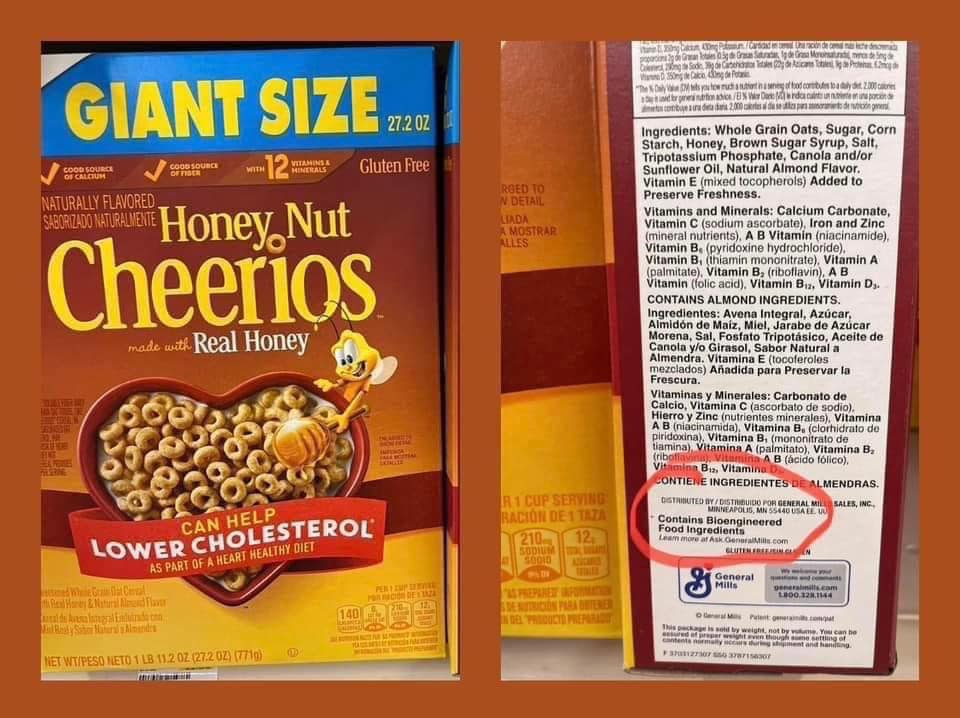
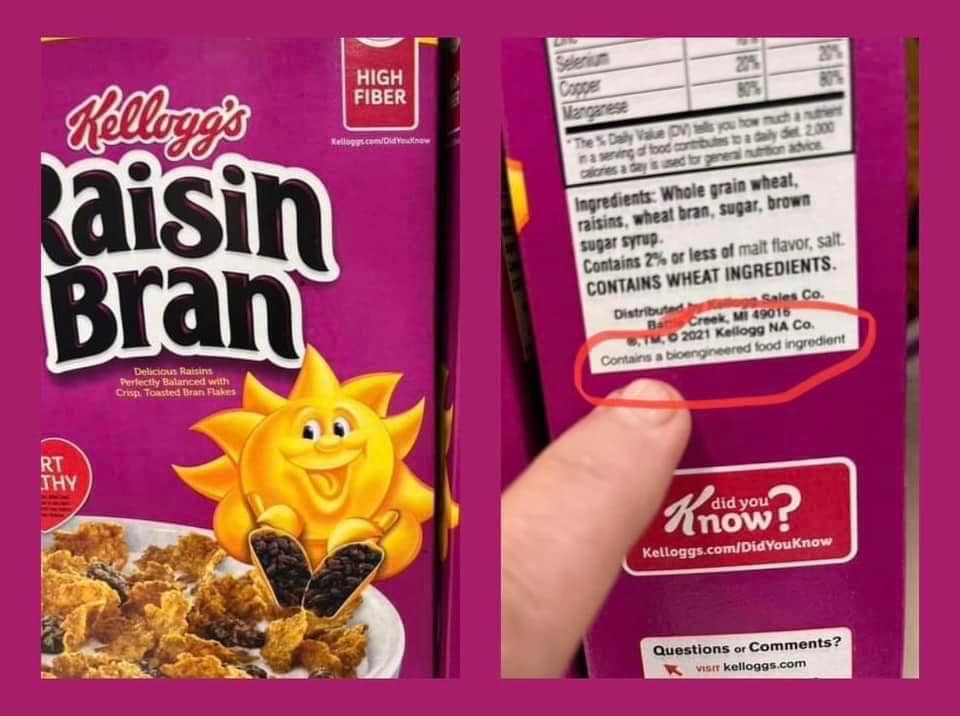
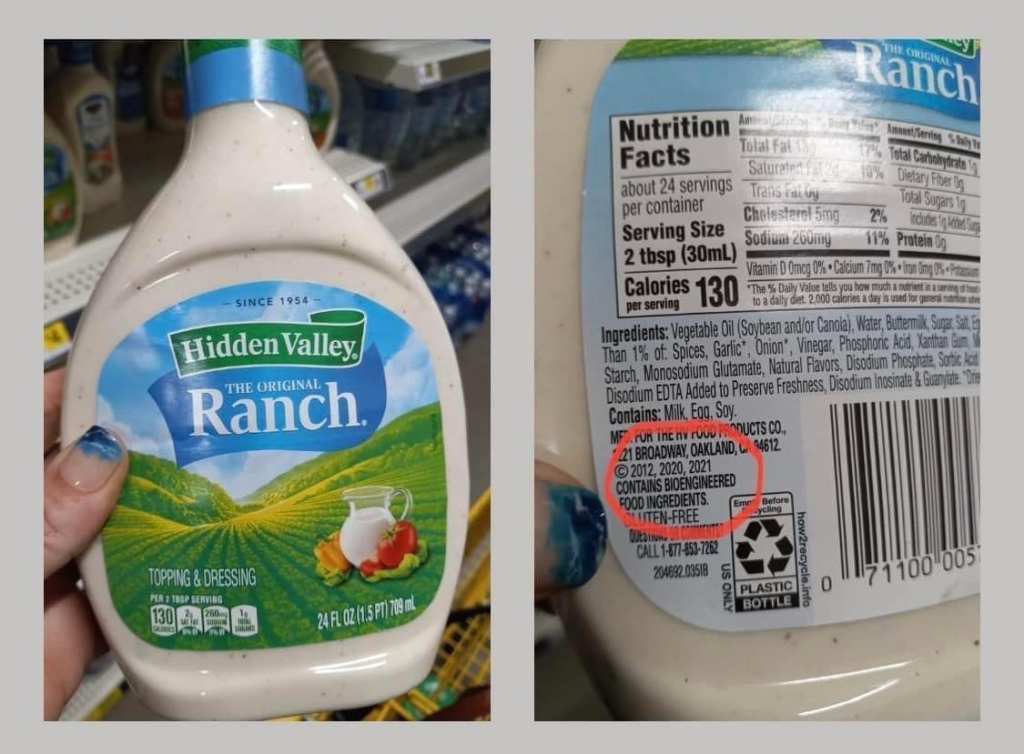
At the beginning of this year, the USDA established some new rules for labeling on controversial modified crops and ingredients. Previously, these rules varied state by state and now there is a more universal approach to labeling “BE’s”.

Simply put, bioengineered food is any food that’s been genetically modified, or GMO’s. Below is a small taste of some of our food supply that has been are genetically modified/bioengineered, but I could post dozens of foods.

These actually say that they are BE in tiny letters but many others don’t. They can just put a BE seal, a QR code that you have to scan or a phone number. 

Most children’s cereals, PopTarts, Campbell’s Chicken Noodle Soup, Dannon Light & Fit yogurt, 

Believe it or not, even Argo Baking Powder has bioengineered ingredients in it.

This is a controversial subject. Some feel strongly about it, while the government will tell you GMO’s are safe.

What are YOUR thoughts?

Is Your Liver Healthy?

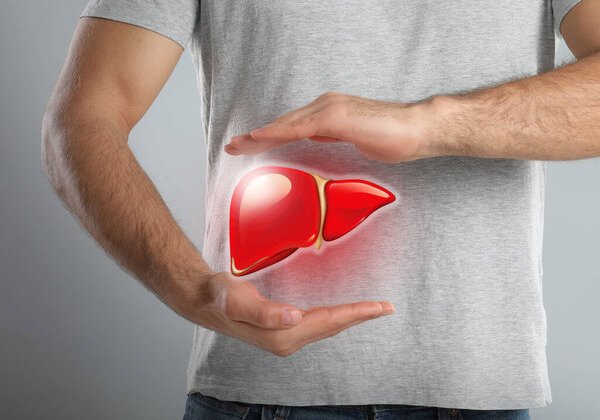
Our liver is a gland that makes necessary chemicals for our bodies. It also acts as a filter, 24/7. They help to process toxins and makes bile that helps to breakdown food. It eliminates old red blood cells, and so much more.

Different conditions and disorders can affect the liver.
Below are just a few symptoms that can indicate your liver may be needing a check up:

Poor digestion and bloating
Bad Breath
Lack of appetite for meat
Brain fog
Skin issues such as acne, rashes
Chronic fatigue
Discolored pale stool
Nausea
Trouble digesting fatty foods
Bad PMS
Chemical sensitivities and allergies

Beef

I am a foodie and only eat the best beef. Tonight I made the most mouth watering New York Stip steak from Riverbend Ranch with my salad. They also have the best seasonings. I was so hungry that I ate half of it until I decided to share a pic.

The best thing I love, is the convenience of how it comes shipped directly to my house on dry ice. So, no worries about it coming fresh. I am never disappointed!

✅️ 100% Clean

✅️ Grassfed

✅️ No hormones EVER!

Size Does Matter! – NMR Particle Size Testing for Your Cholesterol!

Next time you go in for your labs, be sure and request a “Particle Size Testing”for your cholesterol. It’s a far more accurate way to measure cholesterol and you can get it done at Quest.

Here’s what doctor’s are discovering:

50% of Americans fall in the category of “high cholesterol” but depending on the size of the cholesterol particle, you may be just fine.

Cholesterol particle size refers to the size of the lipoproteins that carry cholesterol in the blood. The size of LDL particles can vary. Some are small and dense; others are large and fluffy. Believe it or not, you want large and fluffy. Small dense LDL particles are associated with a higher risk of heart disease that larger particles.

So it’s possible to have a high LDL count but if your particles are large and fluffy, it’s highly probably you would not need any medications. If your LDL is low, but your particles are small and dense, you very well might be in a concerning situation.

You should insist on this test when you go in for your next annual physical.

Are you reading your labels?

Maybe you should!

At the beginning of this year, the USDA established some new rules for labeling on controversial modified crops and ingredients. Previously, these rules varied state by state and now there is a more universal approach to labeling “BE’s”.

Simply put, bioengineered food is any food that’s been genetically modified, or GMO’s. Below is a small taste of some of our food supply that has been are genetically modified/bioengineered, but I could post dozens of foods.

These actually say that they are BE in tiny letters but many others don’t. They can just put a BE seal, a QR code that you have to scan or a phone number. 

Most children’s cereals, PopTarts, Campbell’s Chicken Noodle Soup, Dannon Light & Fit yogurt, 

Believe it or not, even Argo Baking Powder has bioengineered ingredients in it.

This is a controversial subject. Some feel strongly about it, while the government will tell you GMO’s are safe.

What are YOUR thoughts?

Did you know…

that Magnesium is a critical electrolyte that helps in the electrical stimulation so our heart can maintain proper heartbeats?

Unfortunately, about 75% of Americans are deficient in magnesium. I know I was deficient a few years back. thus statistic means

that you could be one of the three out of four persons ;ow on magnesium.

Magnesium can be found in dark chocolate (my favorite) , avocado, nuts, legumes, bananas and leafy greens. But that’s not enough. We need to supplement, but how does one know which supplements to take?

You want to select one that is highly bio-available — I prefer one that is combined with vitamin B6 for even faster, better absorption.

An extra benefit? it’s in powder form! making it easy to add to smoothies, juices, or just even water!

Let me know if I can help you in any way!

BEEF: A Nutritional Powerhouse

For a while now, we’ve been told to limit red meat, but that’s a very narrow and uneducated view. There’s a lot of mixed information out there. Beef is actually……

  • Protein rich and low carb
  • Nutrient dense and loaded with key vitamins and minerals
  • Contains all 9 essential amino acids the body needs
  • A good source of glutathione, a powerful antioxidant

Several well known physicians, including Dr. Mark Hyman and Dr. Ken D Berry, embrace a diet rich in beef, especially in the fight against cancer. Holistic therapists are often promoting a more Keto lifestyle as part of the healing protocol with cancer, and here’s why:

Protein is essential and while you can get protein from other sources, high quality beef is the most nutrient-dense source. Quality beef is loaded with vitamins and minerals. In fact, beef is the best natural source of vitamin B12. Beef is a good source of vitamins B2, B3, B5, B6, and K—as well as essential minerals, including zinc, selenium, phosphorus, iron, copper, potassium, and magnesium.

The key is to avoid any antibiotics and hormones. Insist on pasture-raised and grass-fed. We choose only USDA Prime beef that is raised here in the US from a source that I know and trust. So while I believe in eating lots of great fruits and veggies, chicken and grilled fish—I eat high quality beef a few times a week. It works for me1

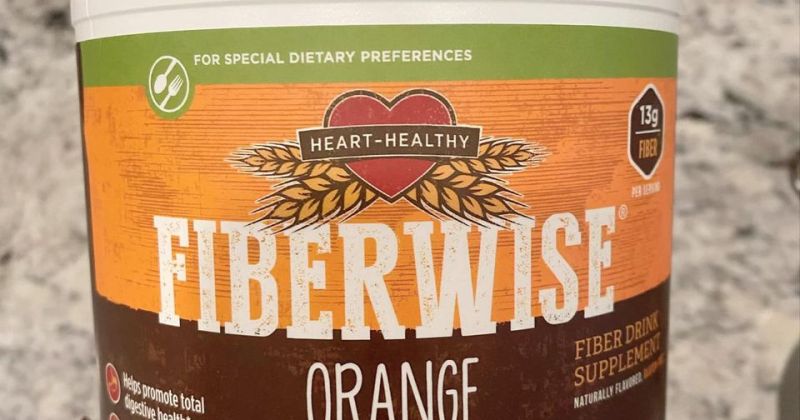
Do you do FiberWise?

I do! Why? Because FiberWise contains a unique blend of multiple fiber sources along with vitamins, antioxidants, soothing herbs, and probiotics that gives a broad spectrum of full-body benefits.

I like it because it promotes digestive health. According to research, a high-fiber diet helps reduce the risk of many serious health concerns in the digestive tract.
It promotes healthy weight loss. I know it helps me feel fuller longer helping to reduce overeating, which in turn helps prevent weight gain and makes it easier to shed excess pounds. Plus there is an added benefit that it helps to reduce the risk of heart disease.

How? Well, soluble fiber may help lower total blood cholesterol and LDL cholesterol, which may in turn help lower the risk of heart disease. Supposedly it helps do this by “sweeping away toxins and waste throughout the body. Fiber helps keep toxins from recirculating in the bile and blood, and speeds the passage of waste from the body. another benefit is that it supports immunity by providing food for the “friendly” bacteria in your large intestine that fight the growth of harmful bacteria and contribute to immune support throughout the body. who can forget the primary selling benefit of fiber? It improves regularity. According to research, a high-fiber diet may help promote a healthy digestive tract.

How does it work? Well, fiber is a component of plant food that is never broken down and absorbed by the body—allowing it to perform important functions that no other food can. The two forms of fiber, soluble and insoluble, both play important roles in maintaining optimal health. 

One of the most treasured forms of fiber is psyllium husk. A flowering annual shrub-like plant, psyllium is a rare, unique ingredient that delivers the perfect balance of soluble and insoluble fiber in small, almost tasteless doses.

Psyllium is 68% soluble fiber and 32% insoluble fiber. Just seven grams of this precious fiber a day may reduce the risk of heart disease. Two servings of FiberWise drink a day will provide 7.0 – 8.0 grams! Diets low in saturated fat and cholesterol that include those seven grams of soluble fiber per day from psyllium husk may reduce the risk of heart disease. One FiberWise bar provides 1.7 grams and one serving of FiberWise drink provides 3.5-4.0 grams of this soluble fiber.

SOLUBLE FIBER. Soluble fiber dissolves in water and forms a gel-like substance during digestion. In this form, it traps excess sugars, fats, and cholesterol as it moves through the intestines, helping sweep them out of the body. It also plays an important role in lowering LDL blood cholesterol and reducing blood glucose levels after eating.

INSOLUBLE FIBER. Insoluble fiber is never dissolved. Instead, it acts like a sponge, soaking up to 15 times its weight in water. Its primary benefit is to provide bulk, which can help promote feelings of fullness while also speeding up the movement of food through the digestive system, promoting regularity.

HOW FIBER HELPS CLEANSE YOUR BODY OF TOXINS. The liver begins producing a substance necessary for digestion called bile. Bile is made of acids as well as cholesterol. Bile is stored and concentrated in the gallbladder until foods that contain fat are eaten. After eating, the bile is dumped into the small intestine, where it breaks up fat, grease, and food particles. At the lower end of the small intestine, the bile is broken down into its individual component parts—cholesterol, fat, toxins, and wastes. If there is an adequate amount of fiber in the intestines, the fiber binds up the cholesterol, fat, and toxins and sweeps them out of the body. If there isn’t enough fiber in the intestines, the toxins reenter the bloodstream and are recirculated throughout the body. These toxins will eventually reach the liver. This forces the liver to process them again and dump them into the intestines in the next batch of bile. That’s a lot of work!

To help my system run in peak condition, I use Fiberwise either in the drink form (Orange or Raspberry) or, in the newer powder that is tasteless and can be added to my foods, such as home baked muffins, pancakes and waffles or even soups and gravies. FiberWise is formulated with a unique, proprietary fiber blend of psyllium, oat, apple, rice bran, chicory root, maltodextrin fiber, and fructooligosaccharide (FOS). FiberWise also contains a proprietary blend of soothing herbs, antioxidants, and probiotics to make each one a truly one-of-a-kind health supplement.

Soothing herbs such as ginger help reduce occasional intestinal gas and bloating, while peppermint and licorice root help balance intestinal flora and soothe mild indigestion. Antioxidants such as vitamins A, C, and E help fight free radical damage during digestion and throughout the entire body. Probiotics such as Lactobacillus acidophilus are “friendly” bacteria that help break down food in the intestines as well as create an environment that keeps “bad” bacteria in check.

On a daily basis, 95% of Americans are only getting about half as much fiber as they need. A single glass of FiberWise provides 13-15 grams of healthy fiber to help you meet your optimal daily fiber. To read more click here.

FiberWise Chart Description

Gluten Free Challenges

If you must (or choose) to go gluten-free, one of the challenges is getting enough dietary fiber. 
Why is that, you may wonder.

You see, on a typical diet, your doctor might tell you to eat more healthy whole grains, like wheat bran, whole wheat bread and cereals to increase your fiber intake. That can be a problem for those with celiac disease who are on a gluten-free diet since many gluten-free foods are low in fiber.

The good news is that there are plenty of gluten-free alternatives to whole wheat that are still high in fiber.

There are two types of dietary fibers – soluble and insoluble.
Soluble fiber soaks up water as it passes through your system, which helps bulk up your stool and guard against diarrhea. Examples of foods with soluble fiber include:

  • Legumes (beans, peas, lentils, chickpeas, soybeans)
  • Fruits (apples, pears, oranges, prunes)
  • Vegetables (carrots, broccoli, Brussels sprouts, eggplant)
  • Sweet potatoes
  • Ground flax seeds and chia seeds

Insoluble fiber helps prevent constipation. Examples of foods with soluble fiber include:

  • Quinoa
  • Buckwheat
  • Millet
  • Wild and brown rice
  • Nuts (almonds, walnuts, pecans)
  • Fruits (strawberries, papayas, mangoes)
  • Vegetables (cucumber, asparagus, okra)

When consuming a diet rich in fiber, it is important to drink water to prevent constipation. Consuming about eight (8-ounce) glasses per day is recommended for adults.