Last year, I found myself waking up in the ICU of a hospital, with no memory of how I got there. My last memory is that I was at the airport. I remember having a vague conversation with a police officer. Other than that, I have no further recollection of that day until I woke up in that ICU two days later. Luckily I carry my health info and medical cards with my drivers license, so they were able to care for me. The diagnosis? DKA – Diabetic Ketoacidosis. My blood sugars had spiked to nearly 600 and I was on the verge of a diabetic coma. Considering I had never had any indication of sugar issues — all my bloodwork always came back perfectly normal.
So what happened? My doctors explained that my recent move, my recently broken shoulder and the resulting pain and lack of sleep, burying a parent, extensive dental work and weight loss (a good thing) put quite a bit of stress on my system. All of these contributed to a metabolic imbalance and my body decided to crash—big time.
Turns out the ability of the body to control insulin can make significant differences in the quality of one’s health. Insulin is a hormone that is generated in the pancreas. It is released, optimally, in small amounts throughout the day and in larger amounts after meals.
Insulin and its effects can also cause weight gain, battle metabolic issues and even lead to diabetes. The below article from “Get Your Lean On” gave me some insight and tips on controlling the insulin my body manufactures and I thought I’d share.
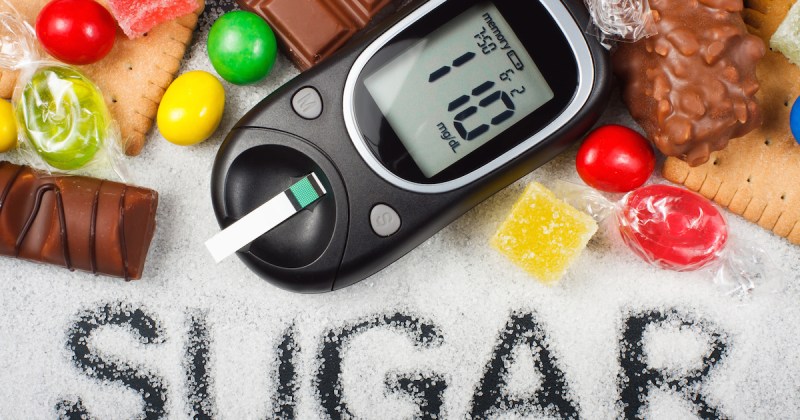
It recommends avoiding all forms of sugar, which led me to the R3 lifestyle. The study results showed sugar promotes insulin resistance. Refined carbohydrates are another food to moderate or avoid completely, if you are able, since they are converted to sugars. With my new R3 eating plan, I rarely crave sweets or carb-loaded foods—but I still crave grapefruit and indulge that craving every other day.
The article also recommends eating foods that are higher in soluble fiber and will help stabilize and regulate blood sugar levels. Soluble fiber also produces higher levels of good “gut’ bacteria and makes you feel fuller, longer. I make certain I get lots of veggies (especially cucumbers and peppers) and drink Fiberwise daily. With R3 I do have two healthy snacks every day, usually veggies. I’m never hungry between meals anymore.
Of course, the study recommends that regular exercise should also be a part of a good daily, healthy regime. Unfortunately with my broken shoulder and subsequent shoulder replacement, I’ve not been working out or exercising for the past year—other than walking the dog, that is.
Finally, I’ve followed the suggestion to increase consumption of lean protein. With R3 I make it a point to have protein within an hour of waking up each morning. I didn’t believe it when I was first told to do this, but it works! Turns out the protein helps to absorb valuable amino acids that build muscle. Eating the right proteins is critical to the overall effect of an insulin “smart” diet, so I pay attention to the types and amounts of the protein I eat at every meal.
You may also want to consider some supplementation in your plan, regardless if your goals are weight-loss or simply universal good health. My company has developed a great tasting shake in several different flavors that allow me to easily and conveniently control my blood sugar and insulin levels.
My R3 journey started around 2017. I wanted to lose weight feel and better about myself. You see, I wasn’t always overweight or obese, I was always fit in spite of my asthma. To keep my lungs healthy, I worked out several days a week lifting weights. I did aerobics two to three times a week. I swam. I biked with the bike club two “short” rides and one long ride every week. I also rode my bike to work 19 miles each way practically every day. I was active and had a great social life.
Then, I gained a little weight, not much at first. After a major asthma attack which landed me in the ICU for several weeks, I gained “prednisone weight” about 20 pounds. I still participated in the Dublin Marathon three weeks after getting out of hospital. I was so full of Prednisone weight, I walked the marathon. (It took five and a half hours.)
Shortoly afterward i participated in an asthma drug study. During that study, I gained 70 pounds.
I had become fat. Not only that friends treated me differently as though I lacked will power or I was lazy. I wasn’t, but…
Around this time my dad went into a nursing home. My mother did not drive, so I became her driver and patient advocate for dad while working 60-hour work weeks and volunteering for local charities. Although I was busy and on my feet all day and water running three days a week, I remained heavy.
At my heaviest, I was 250 pounds and often the heaviest person in the room. I hated it.
At this point, my dad passed, I was now my mothers caregiver. Because of my weight, my doctor suggested human growth hormone injections to see if I could lose weight. His program started out promising, and combined with early morning workouts with a personal trainer, I lost 13 pounds in the first two weeks, but nothing after that. After 3 months we gave up. It wasn’t working for me.
That brings me to that first R3 Challenge around 2017. I took the before picture and submitted it. I didn’t do all that well, but I did lose maybe 10 pounds When comparing the after picture with my before picture you could tell my clothing definitely ldid not look or fit the same. The same clothing is in both photos. If you look closely you’ll see my left arm is in the pants. Most of my work colleagues and friends thought I lost a lot of weight but I hadn’t. I’d lost inches. A Non-Scale Victory (NSV).
I semi-participated in other challenges after that, but never really finished them. My schedule was terrible, I was taking care of everyone and everything but myself. But I finally was j200 pounds thanks to swimming and rowing three times a week. It was progress.
In 2021 my mother passed away and I decided I needed to make life changes. I changed jobs. I put my house on the market. I took a trip to South Carolina to check out the housing market.
2022 arrived. For me, 2022 will forever be “Year of the Shoulder”. The year began with a good purchase offer on my home on January 6. That same day, while at work, I tripped over a case of wine, fell and broke my right shoulder (my dominant hand). My house was closing on January 25. I had 20 days to pack, find a new home and move—all with a freshly broken shoulder. I ended up purchasing a brand new house sight-unseen in Florida with a closing date of January 26 — a day after my New Jersey closing. I was lucky as I was also able to find a good mover to match my timeline. It was a very painful move but i made the 16-hour drive with my mother’s dog.
Once arriving in Florida, it was time to regroup. I found I moved to a new development in a town I had never heard of, but it was now home. Rain was coming down in buckets. I was wondering if I did the right thing. The pain prevented a lot of unpacking (It took nearly a year to find all of my silverware).
Being on Worker’s Comp, I needed to find an orthopedic doctor in Florida who would accept the Worker’s Comp insurance to care for the shoulder. I finally got an appointment for an orthopedist on April 28. I weighed in at his office at 213.
I wasn’t happy. I went on a girls’ trip vacation the following month at nearly 250 and wearing a sling. I was once again the fattest person in the room. I was sick and tired of being overweight, unhappy and in pain. I had to do something.
When I saw the Challenge beginning June 6 – the same day I started Physical therapy — I joined. I figured I couldn’t work and unpacking the garage was still a tedious, painful, one-armed process. I couldn’t even find my scale in the garage, I had to buy a new one! Nor did I have a mirror (It was somewhere in a box in the garage). What could I lose? Weight!
I started the challenge with no expectations at all. Some days were good, some weren’t. My physical therapy lasted the entire length of the challenge. I was in constant pain. When the challenge ended, I was down 25 pounds! I was surprised I lost the weight, since I wasn’t the best at sticking to the plan 100 percent.
The best part, I continued to lose weight (another 15 pounds) after the challenge just by following the Real Life part of R3.
In August, after an 18-month wait, I flew to Washington, DC and Arlington National Cemetery to bury my mother. The flight home was an adventure. After multiple delays and a layover, I arrived at my destination airport, and I woke up two days later in a hospital ICU. Apparently, stress and the pain medication caused a cascade effect resulting in diabetic ketoacidosis (DKA). I also had never been a diabetic prior to this event, I have no memory of being in an ambulance, in an ER or let alone in an MRI, but I was.
When I was released, to go home —my day trip to DC had turned into a week. I had gained 11 pounds (they said water weight from IVs). It took three weeks to lose the water weight. I followed R3’s Real Life phase. The good news was the endocrinologist approved the R3 plan and liked the idea of my eating five to six times a day to keep my metabolism balanced. By September, my blood numbers were back to normal and I was taken off nearly all of the medications that came home with me from the hospital.
October came and I was down a total of 53 pounds. I decided not to do the Fall R3 challenge. I had a surgical date for a total reverse shoulder replacement on November 16—I didn’t want hospital food ruining my challenge!
Knowing I would be incapacitated for six weeks, I cooked R3-friendly meals—enough for 42 days and froze them tor my recovery meals. By the time of my surgery, I had lost an additional 14 pounds. This time, at the orthopedic office, I weighed in at 146 pounds! I was fully dressed and still in my shoes!
Of course, after surgery, I swelled up and gained 30 pounds! I left the hospital weighing 176 pounds, It took a month to shed those 30 pounds of water weight. Again, I did it by following my R3 Real Life phase.
On December 31, I was 145 pounds.
I’m happy about the weight loss, especially since I wasn’t allowed any workouts other than walking my chihuahua. I admit I feel better about myself now that i’m closer to my ideal weight. My shoulder still needs to finish healing, before I can go back to swimming, water running and rowing, to stay fit, but I’ll get there with R3. I want to lose the last 15-20 pounds for my ideal weight.
R3 is really a lifestyle for me and I know I’ll never go back to being that overweight again.
Do you like créme brûlée? The earliest known reference of créme brûlée, as we know it today, appears in Francois Massialot’s 1691 cookbook.
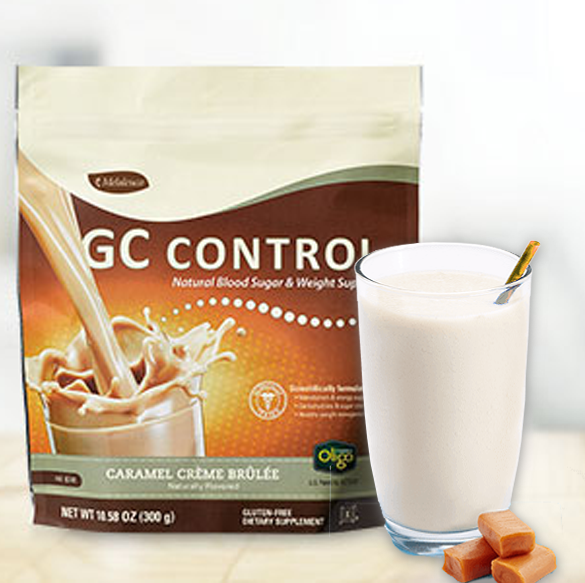
Créme brûlée is also known as burnt cream, crema Catalana, and Trinity creme. It is a dessert consisting of a rich custard base topped with a contrasting layer of hard caramel and served at room temperature. I love this delicious creamy dessert, but hate the calories and sugar it adds to my diet. I discovered I can have the decadent flavors of créme brûlée whenever I want with GC Control.
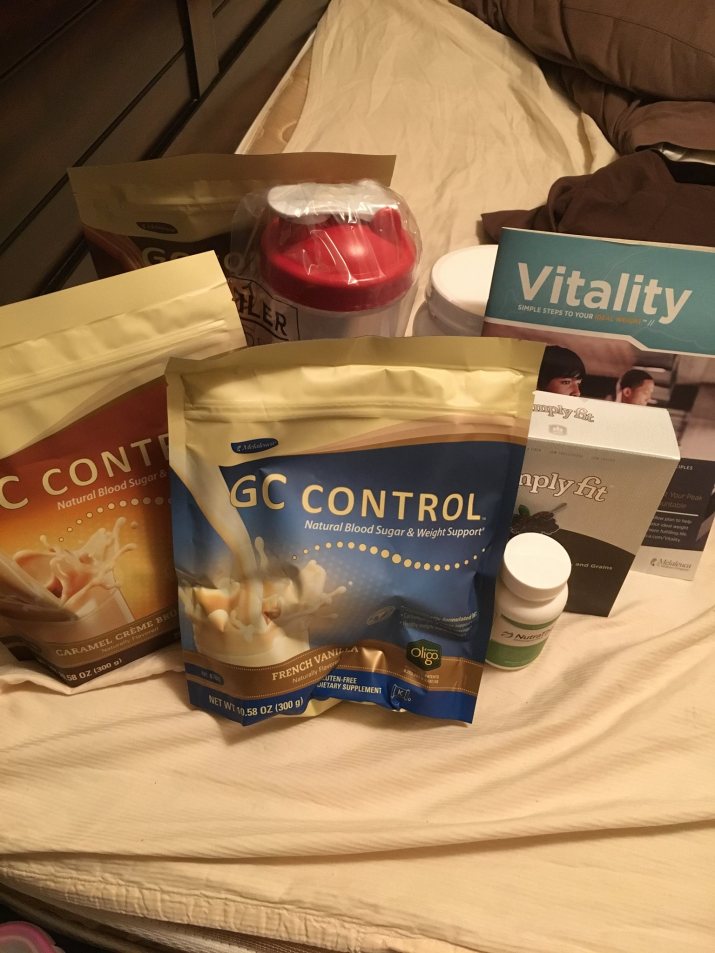
GC Control Créme Brûlée is a one-of-a-kind, low-sugar, delicious shake that’s specially formulated to put me in control of my junk food cravings, energy levels, and weight management efforts. It’s so good, that not only do I drink it as a shake during the day for a quick snack, but I have been known to use it with a bit of water and egg to make delicious, pancakes, waffles and tasty muffins in a mug for breakfast. In the evenings, after dinner, I will add a bit of the shake to my coffee for a decadent coffee treat. It is amazingly delicious and good for me too! Another great find for keeping me healthy!
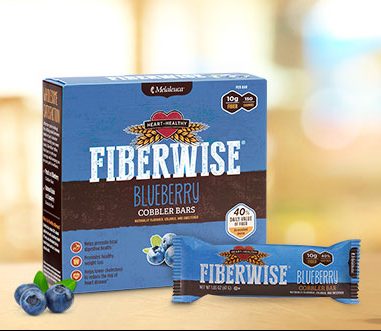
For me, a great-tasting bar is an easy, quick and favorite way to get my fiber. Made with full FiberWise goodness, FiberWise Bars are simply scrumptious. Each bar gives me 10 grams of fiber and is bursting with tasty whole grains, real fruit, and only natural flavors, colors and sweeteners.
Blueberry Cobbler FiberWise contains a unique blend of natural fiber sources along with vitamins, antioxidants, soothing herbs, and probiotics that give me a broad spectrum of full-body benefits, and it makes me feel fuller. I never realized that fiber has no calories, so filling up on high-fiber foods crowds out less-healthy foods. When I feel full it’s easier to say no to extra snacks, bigger portions and second helpings.
I find FiberWise Bars are enjoyable at breakfast or any time I want a healthy tasty snack. They are portable so they can go anywhere I go, and leave me feeling satisfied. There are four varieties from which to choose, but since it’s blueberry month, I’m sticking with blueberry cobbler. blueberry cobbler.
This is a healthy snacking secret. When I want something delicious, filling and refreshing for my 3:00 p.m. snack, I reach for Blueberry Attain with revolutionary, natural CraveBlocker®. This simple shake helps stop cravings at both critical sources, putting me back in control. I have been able to manage and lose weight without feeling irritable or hungry all the time—and I don’t deprive myself of the nutrition I need. Controlling my cravings is an essential part of losingand keeping weight off for good. Since it is blueberry month, I blended in a few fresh blueberrys for an added jolt of antioxidants.
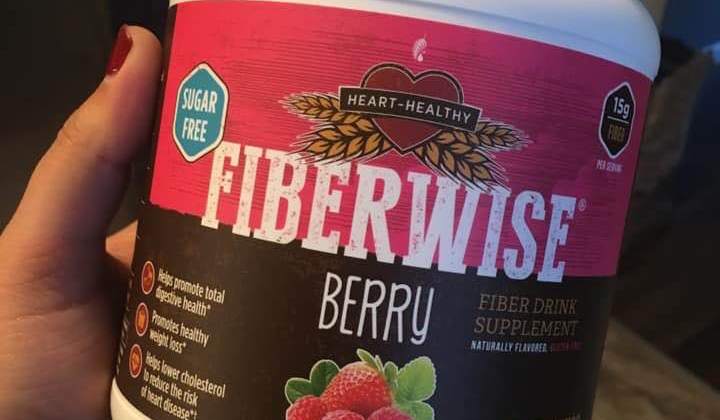
I never give this tub of berry goodness enough credit. It’s basically my daily detox. It’s fiber, you know, the body’s natural trash collector. Did you know that 85% of your immune system lives in your gut? Yep. That means both good bacteria and bad bacteria live within your digestive system. If that bacteria balance gets out of whack—like Goldilocks finding the “just right” porridge — an out of balance system can cause a whole slew of health issues. So much so, that researchers call the gut “our second brain.”
Irregularity, constipation, bloating, autoimmune disorders, food allergies/intolerance, leaky gut syndrome, acid reflux, joint pain, skin sensitivities, fatigue, brain fog, weight gain, inflammation, depression, anxiety, etc.—all of these— can be linked back to your gut health.
For me, Fiberwise helps with my weight loss journey and to keep my mental health in check too! When you physically feel better, your mental health follows!
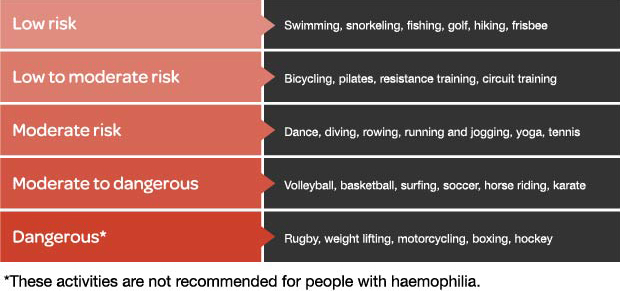
Choosing physical activities that match your fitness level and health goals can help you stay motivated and keep you from getting hurt.You may feel some minor discomfort or muscle soreness when you first become active. These feelings should go away as you get used to your activity. However, if you feel sick to your stomach or have pain, you may have done too much. Go easier and then slowly build up your activity level. Some activities, such as walking or water workouts, are less likely to cause injuries.
If you have been inactive, start slowly and see how you feel. Gradually increase how long and how often you are active. If you need guidance, check with a health care or certified fitness professional.
Here are some tips for staying safe during physical activity:
Wear the proper safety gear, such as a bike helmet if you are bicycling.
Make sure any sports equipment you use works and fits properly.
Look for safe places to be active. For instance, walk in well-lit areas where other people are around. Be active with a friend or group.
Stay hydrated to replace the body fluids you lose through sweating and to prevent you from getting overheated.
If you are active outdoors, protect yourself from the sun with sunscreen and a hat or protective visor and clothing.
Wear enough clothing to keep warm in cold or windy weather. Layers are best.
Stay hydrated to replace the body fluids you lose through sweating.
If you don’t feel right, stop your activity. If you have any of the following warning signs, stop and seek help right away:
pain, tightness, or pressure in your chest or neck, shoulder, or arm
extreme shortness of breath
dizziness or sickness
You can find many fun places to be active. Having more than one place may keep you from getting bored. Here are some options:
Join or take a class at a local fitness, recreation, or community center.
Enjoy the outdoors by taking a hike or going for a walk in a safe local park, neighborhood, or mall.
Work out in the comfort of your own home with a workout video or by finding a fitness channel on your TV, tablet, or other mobile device.
Tips for choosing a fitness center
Make sure the center has exercise equipment for people who weigh more and staff to show you how to use it.
Ask if the center has any special classes for people just starting out, older adults, or people with mobility or health issues.
See if you can try out the center or take a class before you join.
Try to find a center close to work or home. The quicker and easier the center is to get to, the better your chances of using it often.
Make sure you understand the rules for joining and ending your membership, what your membership fee covers, any related costs, and the days and hours of operation.
Check with a health care professional about what to do if you have any of these warning signs. If your activity is causing pain in your joints, feet, ankles, or legs, you also should consult a health care professional to see if you may need to change the type or amount of activity you are doing.
Physical activity may seem hard if you’re overweight. You may get short of breath or tired quickly. Finding or affording the right clothes and equipment may be frustrating. Or, perhaps you may not feel comfortable working out in front of others.
The good news is you can overcome these challenges. Not only can you be active at any size, you can have fun and feel good at the same time.
Research strongly shows that physical activity is safe for almost everyone. The health benefits of physical activity far outweigh the risks.1
If you have problems moving or staying steady on your feet, or if you get out of breath easily, talk with a health care professional before you start. You also should talk with a health care professional if you are unsure of your health, have any concerns that physical activity may be unsafe for you, or have:
a bone or joint problem—for example, in your back, knee, or hip—that could get worse if you change your physical activity level
Being active may help you live longer and protect you from developing serious health problems, such as type 2 diabetes, heart disease, stroke, and certain types of cancer. Regular physical activity is linked to many health benefits, such as: • healthy bones, muscles, and joints • lower blood pressure and blood glucose, or blood sugar • a strong heart and lungs • better sleep at night and improved mood
The Physical Activity Guidelines for Americans, 2nd edition defines regular physical activity as a minimum of 150 minutes a week of moderate-intensity aerobic activity, such as brisk walking. Brisk walking is a pace of three miles per hour or faster. A moderate-intensity activity makes you breathe harder but does not overwork or overheat you. You should also do muscle-strengthening activities at least two days a week.
You may reach this goal by starting with five minutes of physical activity several times a day, five to six days a week. You could then gradually work up to 10 minutes per session, three times a day. If you do even more activity, you may gain even more health benefits.1
When combined with healthy eating, regular physical activity may also help you control your weight. However, research shows that even if you can’t lose weight or maintain your weight loss, you still can enjoy important health benefits from regular physical activity.
Physical activity also can be a lot of fun if you do activities you enjoy and are active with other people. Being active with others may give you a chance to meet new people or spend more time with family and friends. You also may inspire and motivate one another to get and stay active.
Sometimes when I eat something for breakfast, like cereal for instance, I find that around two to three hours later I start feeling peckish and a bit tired, instead of reaching for an ever-ready treat from the office kitchen (you know a donut or candy), I make one of these great GC Control shakes.
Not only do I love them for their taste, but they fill that “hole” and provide a boost in energy, getting me back on track. That’s because they provide me a better balance of protein and carbs that last far longer than a donut or candy bar. The link below explains why this product works so well.
Regular physical activity is good for everyone’s health, and people of all ages and body types can be physically active. National Physical Fitness and Sports Month is a great time to become more active.
Did you know that regular physical activity increases your chances of living a longer, healthier life? It also reduces your risk for high blood pressure, heart disease, and some types of cancer. Yet most people don’t get the recommended amount of physical activity.
Here are just a few benefits of physical activity:
Children and adolescents – Improve muscular fitness, bone health, and heart health
Adults – Lower the risk of heart disease, type 2 diabetes, and some types of cancer
Older adults – Lower the risk of falls and improve cognitive functioning (like learning and judgment skills)
Here are just a few ideas to increase physical activity:
Start by making small changes, like taking a walk after dinner or going for a bike ride.
Motivate teachers and administrators to make physical activity a part of every student’s day.
Identify youth leaders in the community who can talk to their peers about the importance of being active.
The Physical Activity Guidelines for Americans recommend that adults:
Aim for at least 2 hours and 30 minutes of moderate-intensity aerobic activity each week. This includes things like walking fast, dancing, swimming, and raking leaves.
Do muscle-strengthening activities – like lifting weights or using exercise bands – at least 2 days a week.
Physical activity good is for everyone’s health. No matter what shape you are in, you can find activities that work for you. Together, we can rise to the challenge and get more active during the month of May!
During the month of May, we challenge all adults to get active every day!