Eating celery for 14 days can change your health

Celery is by far one of the most nutritious vegetables available. It is a great source of potassium, magnesium, and vitamins A, B, C, and K. It is also rich in phytonutrients, which act as anti-inflammatory and antioxidant agents, boosting the immune system and overall health.

Fresh celery benefits nutrition thanks to all the tremendous vitamins and minerals it contains. One cup of chopped raw celery (about 101 grams) contains approximately:

  • 16.2 calories
  • 3.5 grams carbohydrates
  • 0.7 gram protein
  • 0.2 gram fat
  • 1.6 grams fiber
  • 29.6 micrograms vitamin K (37 percent DV)
  • 453 international units (9 percent DV)
  • 36.5 micrograms folate (9 percent DV)
  • 263 milligrams potassium (8 percent DV)
  • 3.1 milligrams vitamin C (5 percent DV)
  • 0.1 milligram manganese (5 percent DV)
  • 0.1 milligram vitamin B6 (4 percent DV)
  • 40.4 milligrams calcium (4 percent DV)
  • 0.1 milligram riboflavin (3 percent DV)
  • 11.1 milligrams magnesium (3 percent DV)

All with some sugars, celery also contains some vitamin E, niacin, pantothenic acid, iron, phosphorus, zinc, and selenium.

According to Healthy Food House, researchers have confirmed the numerous health benefits of celery:

  • Celery can help prevents chronic inflammation
  • It helps regulate the pH balance of the body
  • it assist in weight loss since it is low in calories but high in fiber
  • Celery helps digestion and treats stomach issues and constipation
  • It can help treat urinary tract infections as it has potent diuretic properties
  • It soothes the nervous system and may help you fall asleep
  • Celery has been found to regulate cholesterol and blood pressure, since it contains phthalide
  • It is low in acids and relieves heartburn and acid reflux
  • Celery is abundant in vitamin A, so it improves vision, treats dry eyes, and protects the cornea
  • It can clean your teeth like a natural dental floss since it is breaking into fibrous strands while chewing

You can appreciate the countless benefits of celery in many ways. It goes great in soups, stir-fries, stews, and salads. It can also be dipped in peanut butter, hummus, or other sauces.

If you found this information helpful or just have a love for celery, please remember to SHARE this article with your family and friends on Facebook!

Lose a pound lose some pressure

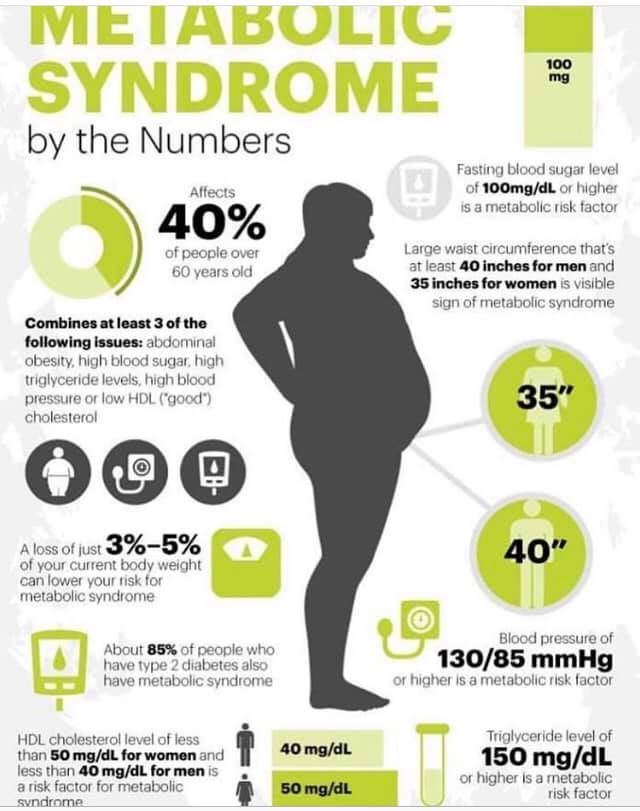
Do you have Metabolic Syndrome?

Healthy snacking

Eating healthy doesn’t mean you have to constantly deny yourself of all those delicious treats and snacks forever.

Making and eating healthy homemade snacks can be easy with GC Control Brownies and muffins. and… are they ever delicious!

To make basic muffins:
Preheat oven to 350°
1 egg beaten well
1/2 cup milk
1 cups GC Control any flavor
1 tsp. baking powder
Splash of Vanilla
Thoroughly blend all ingredients in a medium bowl.
Prepare muffin pan by spraying or brushing with a non-stick oil
Pour mixture into muffin pan.
Bake for 12-15 minutes.
Yields 4 – 6 muffins

Breakfast muffins.
I have these for breakfast or as a snack with coffee or tea.
Preheat oven to 350°
2 cups GC Control any flavor ( I used Apple Cinnamon)
1 tsp baking powder 
3 whole eggs
1 cup water or milk 
Bake for 20 minutes.
Yields 12 muffins

Brownies:
Preheat oven to 400°
2 cups GC Control Chocolate
1 tsp. baking powder
1 cup 2% milk (can also use fat free)
Mix all ingredients together and pour into baking pan.
Bake for 20 minutes.

GC Control Chocolate Mousse
1 scoop GC Control Chocolate
1 cup heavy whipping cream
Vigorousl shake ingredients until well-blended
Pour into glass.

GC Control Peanut Butter Cup
4 tbsp Coconut oil
8 tbsp GC Control Chocolate
Small amount of Peanut butter or Almond butter
Melt oil and mix with GC Control until smooth
Fill six muffin cups with half the mixture
Place dollop of nut butter in center of each half-filled muffin cup
Fill muffin cup with remaining chocolate mixture
Freeze for 30 minutes and enjoy
Store in refrigerator

Attain Pudding
1 scoop Attain Shake mix (any flavor)
3 tbsp water
Add ingredients to small ice cream size dish
Mix vigorously until thick and smooth.
Freeze for 20 minutes
Enjoy!

Healthy Gingerbread And French Vanilla Cookies
Preheat oven to 400°.
1/2 cup Unbleached Flour
2 scoops GC Control Gingerbread
1 scoops GC Control French Vanilla 
1/3 cup Eggland Eggwhites
1 cup Organic So Delicious Unsweetened Coconut milk
1 TB Organic Coconut Palm Sugar
2 TB Organic Earth Balance Butter
1tsp Organic ground ginger
2 tsp pure baking soda
1/2 tsp pure vanilla extract
2 tsp ground cinnamon

In large bowl add all ingredients.
Use electric mixer on low for 3-4 minutes.
Put mixture in the fridge for 5-10 minutes to harden slightly.
Spray two flat rectangular trays with non stick Extra Virgin Olive Oil.
Bake for 15 minutes.
Yield: 30 cookies.
Each cookie has 28 cal, 3g carbs, 1g fat, 2g protein, 1g fiber and 1g sugar.

The most physically fit U.S. city

Arlington, Virginia came in on top in this year’s ranking of the most physically fit U.S. cities by the American College of Sports Medicine (ACSM), which determined that Arlington had the lowest smoking rate among the largest cities and the best reports of good or excellent health.

Also in the top 10: Minneapolis, MN; Madison, WI; Portland, OR; Seattle; Denver; St. Paul, MN; San Jose, CA; and Boise, ID.

Arlington edged out Minneapolis, MN by only half a point, and beat Washington, D.C., just across the Potomac River by 3.7 points. The lowest ranked cities on the list were Oklahoma City, OK; Indianapolis, IN; Louisville, KY; Detroit, MI; and Toledo, OH. *

The ACSM fitness index assesses 33 measures of health behaviors, diseases and community infrastructure to determine the most fit city. It reported that more than three-quarters of adults in all 100 cities were physically active in the month before the survey, although only half of them met aerobic activity guidelines and merely 22 percent met both strength and aerobic guidelines. In terms of diet, the ACSM found that only 30 percent of adults responding reported eating at least two servings of fruit daily and only 18 percent said they eat three or more servings of vegetables per day.

*Source: consumer.healthday.com/fitness-information-14/misc-fitness-health-news-312/america-s-fittest-city-arlington-va-733713.html

Swimming may slow down aging by decades

I love the water. I’m a terrible swimmer, but an excellent floater and have discovered an excellent water runner. I love water running and am in the pool at least three times a week running.

Imagine my joy when I learned that experts think swimming might just be the best exercise ever as swimming  accommodates all ages, stages, abilities and disabilities. Plus, there’s also evidence it can slow down the aging process.

A long-term study at Indiana University Bloomington’s Counsilman Center for the Science of Swimming found that Masters Swimmers (over age 35) who swam roughly 3,200 to 4,500 meters (about 3.2 to 4.8 kilometers) three to five times a week, postponed the aging process—not just for a few years but for decades!

Thank goodness we don’t have to be a Masters Swimmer to reap swimming’s benefits. Health and well-being benefits start with a minimal amount of swimming, but to get the full fitness effect, we need to  get the heart rate up and boosting the intensity of the swim.

Another study, by Dr. Steven Blair at the University of South Carolina, has shown swimming dramatically reduces the risk of dying. The study spanned 32 years and followed 40,000 men, aged 20 to 90. Those who swam had a 50 per cent lower death rate than runners, walkers and those who didn’t exercise at all.

Swimming is kind to your joints and improves flexibility.
Swimming is a form of exercise that’s suitable for all ages because it’s so easy on the joints. The water supports the body so only a fraction of your weight has to be supported by your limbs. It also favors smooth circular movements rather than quick jerky movements that can strain joints. I learned this first-hand. Prior to hip surgery, I started water running, since I could no longer walk, let alone run. It kept me active and didn’t add to my hip pain. After hip surgery, I continued water running to rebuild strength and mobility. It helped speed up recovery time. I have to say, it’s still my favorite exercise – 45 minutes of water running is equivalent to running five miles on the road. (It feels a lot easier too!)

Swimming helps you lose weight.
A simple half-hour swim can burn as much as 250 calories. Even a gentle swim can burn 200 calories. Since water is about 800 times denser than air, your body has to work harder in the pool, even though it doesn’t feel like it. Gliding through the water can be a glorious and relaxing feeling.

Swimming improves mental health. The Centers for Disease Control and Prevention has confirmed swimming promotes feelings of well being. Most swimmers are more positive and experience more good moods than non-swimmers. For people with fibromyalgia it can decrease anxiety, and exercise therapy in warm water can decrease depression and improve mood.

Swimming is a great aerobic exercise. As a child, my doctors recommended I take up swimming as exercise for my asthma as it helps to increase lung capacity while providing a solid work-out. It helped and it’s one of the reasons I continue to swim today.

Swimming can help the areas you want to tone.
Since swimming involves a variety of strokes that use different muscles, you can target the areas you most want to tone – be it legs, upper arms, or stomach muscles. This link includes techniques for doing each stroke.

Swimming is cheap.
Unlike some sports which require a lot of equipment, swimming just requires a swimsuit, bathing cap and a pair of decent goggles and, of course, a pool. Our community has both an indoor and an outdoor pool, which is great as it’s readily accessible. There are many public pools and local gyms with pools. Some have a membership requirement, others have daily fees. In the heat of the summer, it’s a great way to cool down and work out at the same time.

Swimming is suitable for all ages.
Swimming is ‘cradle to grave.’ You simply adjust the pace to your age and ability.

Swimming is social.
If you swim regularly you’ll most likely make new friends of all ages, since people not only swim at the pool but also like to relax, socialize and talk. Plus, you can meet new people through swim workout and swim classes ranging from aqua tai chi and aquasize to water running.

If you aren’t already a swimmer, but think you might like to start, check with your doctor to make sure there aren’t any health issues to take into account. You may want to enroll in swim lessons. An instructor can help build swimming skills and alleviate any fears you might have about the water.

Take it slow in the beginning and progress at your own pace. Don’t try to measure up to a 20-year-old speeding through the water. Instead, enjoy the experience of swimming – of floating and moving through the water.

called enjoy-swimming.com.  swimming.org r

Getting ready for winter

With cold weather setting in, I figured it’s time to strengthen myself, specificalllly upper body strength to shovel snow!

I found this plan designed to strengthen upper body muscles with the three simple moves shown below. 

They’re supposed to help improve daily movements like picking up a child, carrying a bag of groceries, or pushing objects like a vacuum or snow shovel. Woo hoo!

Hear that snow? I’m going to be ready for you!

What’s one of your favorite upper body exercises?

A perfect pose

Now that Thanksgiving is over and we have maybe, just maybe, a bit too much to eat, we might want to stretch a bit before working out.

This is called a perfect pose as it hits many muscle groups at once.

Blood Sugar and Insulin

The ability of your body to control insulin can make significant differences in the quality of your health. Insulin is a hormone that is generated in your pancreas. It is released, optimally, in small amounts throughout the day and in larger amounts after meals.

Insulin and its effects can also cause you to gain weight, battle metabolic issues and even lead to diabetes. The below article from Get Your Lean On gives you some insight and tips on controlling the insulin your body manufactures.

Try to avoid all forms of sugar. There are study results referred to here that will give you some reasons why. In short, sugar promotes insulin resistance. Refined carbohydrates are another food to moderate or avoid completely, if you are able to, since they are converted to sugars.

The article also recommends eating foods that are higher in soluble fiber and will help stabilize and regulate blood sugar levels. Soluble fiber also produces higher levels of good “gut’ bacteria and makes you feel fuller, longer. Regular exercise should also be a part of your daily, healthy regime.

Finally, increase your consumption of lean protein. It helps to absorb valuable amino acids that build muscle. Eating the right proteins is critical to the overall effect of your insulin “smart” diet, so pay attention to the types and amounts of the protein you eat.

You may also want to consider some supplementation in your plan, regardless if your goals are weight-loss or simply universal good health. My company has developed a great tasting shake in several different flavors that allow me to easily and conveniently control my blood sugar and insulin levels.

www.getyourleanon.com/blog_home/2016/08/13/5-ways-lower-blood-sugar-and-insulin-levels-naturally-get-your-lean/

Are Suffering From Gluten Intolerance?

Gluten is a widespread name for the proteins that can be usually found in wheat products. Grains that contain gluten include wheat, barley, rye, oats and others. People who eat gluten-loaded foods can feel a plethora of symptoms—often described as allergic reactions that can yield to intestinal inflammations. Problems like an unpleasant feeling in the stomach can easily become long-term damage.

Currently, you can’t be tested for gluten intolerance—but taking the test to rule out celiac disease can help. During normal digestion, enzymes are in charge of breaking down long strands of protein. Gluten amino acids are called peptides and they can be absorbed and transported within the body for later use. Occasionally, the body will treat peptides as foreign bodies and set off alarms, convincing the immune system the body is under attack, which can create  all sorts of health problems and symptoms.

It’s often difficult to note gluten intolerance, because many food items can hide its presence. To find traces of this compound, you have to start reading labels. In that way, you will be fully aware of the elements that are in that item. Watch for food additives, medications, and flavorings. Having knowledge of what you put in your body is crucial for your health.

Here is a list of 15 Indicators that can help you determine if you are gluten intolerant.

  1. Constant headaches. The cause of recurring migraines after finishing your meal can be a big sign that shouldn’t be ignored. The biggest triggers are sugary foods, alcohol, dairy products, artificial sweeteners and processed meats. If you are eating lot of these foods, then there may be your answer. Be aware that everyday products like shampoos, products for cleaning and perfumes can contribute to migraines as well. The American Academy of Neurology hired researchers to do the study in 2001If this is the case, the solution doesn’t necessarily mean medicating yourself. Miracles can happen with just a few everyday changes. Try consuming more vitamins and minerals. Not only will they contribute to the migraines fading away but they can help with your overall health.
  2. Digestive problems. Gluten can affect the stomach and it can be the first organ to indicate something Is off. A study done in 2013 that was published in Gastroenterology Hepatology revealed some interesting facts. Gastrointestinal symptoms can be created by following the consumption of wheat in some people. Those people are usually suffering from celiac disease or allergies. Some of the symptoms are bloating, cramps, constipation, gas or heartburn. 
  3. Extreme exhaustion. Fatigue is a common symptom when we talk about gluten sensitivity. If you find you are extremely lethargic after a meal you may want to take a look at what foods may be triggering this feeling. Too many carbohydrates can give energy spikes that later lead to the feeling of somnolence. Hormonal imbalance due to gluten sensitivity can also yield some big changes to our body.
    Sleep problems like insomnia and struggling with proper brain function can have an impact on fatigue.
  4. Mood swings. We can all be prone to irritability—it’s normal and it happens to all of us. However, extreme anxiety and anger issues can feel awful—leading to a lack of self-control. People with a gluten intolerance have a tendency towards mood swings, feelings of depression and sadness. Two reasons are cited for these emotional rollercoasters: either your body is assaulting its tissues and yielding to inflammation or the gluten is obstructing the absorption of nutrients.
  5. Dermatological problems. One prominent target of gluten allergy-related effects is, of course, the skin—the biggest organ in the human body. It’s no rarity that people allergic to gluten suffer from multiple skin conditions at once. When gluten latches onto the top skin layer, the epidermis cells can get damaged beyond repair—causing rashes, itching, blisters and severe redness. A lack of vitamin A can also manifests itself through acne, psoriasis and several forms of eczema.
  6. Muscle pain due to fibromyalgia. FibromyalgiaFibromyalgia is the collective name for all types of muscle fiber-related chronic pain. It’s somewhat difficult to pinpoint, as it affects both muscle and connective tissue. Due to the prevalence of connective tissue, you may or may not feel pain in your bones too. One recently discovered cause of fibromyalgia just maybe gluten intolerance. During one prominent study, it was discovered that a non-celiac form of gluten sensitivity can be a cause of fibromyalgia. If you have fibromyalgia, you may want to try eliminating gluten-based products.
  7. Dental problems. Enamel is one of four major tissues that form the body of your teeth. Its role is to protect the body from acidic attacks and decay. Several proteins are responsible for its production—Enamelin and amelogenin are a pair of proteins responsible for creating and regenerating enamel tissue.  If you suffer from gluten sensitivity or a gluten allergy, these two proteins will be affected. This will lead to discolorations and problems within the enamel tissue. Because of this, it may become weaker and more sustainable to breakage.
  8. A clouded mind. A condition known as “mental fogginess” is characterized by a severe lack of focus and trouble staying concentrated. It’s a hazardous condition to have, as it can affect your day-to-day life. This cloudiness can indeed be caused by an intolerance to gluten and hinder the normal functionality of your brain and cause it to become less efficient in every way.
  9. A sudden appearance of autoimmune diseases.  When your body experiences gluten sensitivity, you tend to suffer from certain conditions known as autoimmune diseases. They are caused by the body attacking its own cells in a desperate attempt to preserve health and eradicate any presumed threat. There are 80 types of autoimmune diseases. Ones like lupus and multiple sclerosis aren’t surely caused by gluten. However, a person that already has MS or diabetes can see their symptoms worsen due to their gluten intolerance. A simple change in your diet can turn your whole life around in a matter of days.
  10. Frequent miscarriages and an inability to conceive. Everything about child conception and being pregnant is about hormones. There are several disorders which may severely disturb the hormonal system’s balance. One such disorder  isn’t really a disorder, but an intolerance to gluten. One woman went to a nutritionist as her last resort. He suggested that there may be a possibility of gluten intolerance. She laughed it off and tried removing bread and all wheat products from her diet. This instance proved to be the deciding factor in transforming her life. Several studies followed, describing the effect of gluten on human hormones. The results were astonishing.
  11. Unexplained weight gain. One side effect of celiac disease is unexplained weight gain. Weight gain might not be a direct result of gluten intolerance, but a side effect of a malfunctioning gut. As people who are gluten intolerant consume gluten-rich foods, the inner lining of the small intestine becomes inflamed, causing, tiny fissures appear allowing bacteria and other food molecules escape into the bloodstream. These foreign molecules are seen as foreign substances in the bloodstream and the white blood cells start to attack them, causing more inflammation. This makes for the perfect environment to pick up weight. The easiest way to determine if  gluten is the cause of  weight gain is by gradually decreasing or removing gluten from your diet. If your body weight starts to drop, chances are you are gluten intolerant. To be sure, however, you need to reintroduce the gluten-rich foods, one at a time. When you do this, you will be able to see if you gain weight again.
  12. Depression and anxiety. There are certain foods that seem to lift a person’s spirits and others that seem to bring a person down. Gluten can be a depression-inducing food. Only one percent of people in the US have celiac-disease, the most extreme form of gluten intolerance. There are a number of other people who live with non-celiac gluten sensitivity, and these people can experience digestive problems that are related to depression and anxiety. Gluten is also a major allergen that can cause unwanted brain reactions. A study was done 2014 where 22 people with non-celiac gluten sensitivity were given a gluten-free diet for three days. They then received either a gluten-rich, whey rich or a placebo diet to follow for a further three days. The researchers assessed the candidates after the three day period and calculated their depression scores. The candidates who received the gluten diet showed much higher depression scores than the candidates who had either the placebo or the whey diets. This strong correlation pointed towards how gluten could actually make you feel depressed. Another study published in 2007 also showed that people with celiac disease were 80% more likely to suffer from depression than those who were gluten tolerant. The study was performed on 1400 candidates. Furthermore, a Swedish study that was done in 2011, showed that people who had celiac disease also had a higher risk of committing suicide. Although the correlation between gluten and depression might not be a direct correlation, if you suffer from depression, you might want to consider cutting down on the gluten.
  13. Leg and arm numbness. One of the more surprising symptoms of gluten intolerance is peripheral neuropathy. This condition can manifest itself in a number of different ways, including numbness, tingling, burning and in some cases pain of the arms, legs, and feet. When you are gluten intolerant, your body sometimes starts to produce anti-gluten antibodies. When these antibodies attack the gluten, it occasionally also causes nerve damage. A study was done where 215 patients were screened for axonal neuropathy and the results showed that none of the patients had any medical reason for the neuropathy. However, when these candidates were tested to see if they were gluten intolerant, the study showed that 34% had high amounts of anti-gluten antibodies. Surprisingly 80% of all the candidates showed that they had the celiac disease gene. A clear indication that there had to be a connection between the neuropathy and gluten intolerance. According to the University of Chicago, it is actually quite common to show signs of neuropathy and not show any of the other gastrointestinal signs of gluten intolerance. Physicians recommend that you follow a gluten-free diet to alleviate and even remove any sign of neuropathy.
  14. Iron deficiency anemia. Iron is a vital component of hemoglobin (the red pigment) to enable the transport of oxygen. The symptoms that accompany iron deficiency anemia is fatigue, irritability, headaches, brittle nails and a decreased appetite. Celiac disease can cause damage to the small intestine and restrict the absorption of iron. During the early stages of the disease, the upper two parts of the small intestine become damaged—this is where most iron is absorbed. If you have been suffering from chronic anemia and medication has not alleviated the issue, it is recommended that you have yourself tested for celiac disease by your physician.  Once you have been diagnosed with celiac disease and you start with a gluten-free diet, you will notice a change in your energy levels seeing that your intestine begins to heal and absorbs more iron. You need to give the diet between two through eight months to correct the imbalances that occurred.
  15. Canker sores. Canker sores are little lesions or sores that form around the gums, the inside of the cheeks and underneath the tongue. A person can typically have one to six canker sores at a time and they usually last for about 10 days. These pesky little sores are quite common and can be triggered by a number of things. They typically start to form between the ages of 10 and 20 and tend to resolve or fade away during a person’s 30s. These tiny ulcers can be quite painful and irritating, seeing that they are extremely sensitive and make eating a chore rather than a pleasure. When these sores occur repeatedly, the condition is known as Recurrent Aphthous Stomatitis, or RAS. Doctors wanted to find out if there was a correlation between gluten and RAS and found 247 patients which were screened with the IgA antibody test, IgA and IgA anti-tissue transglutaminase. Seven random patients that tested positive for at least one of the sets were then sent for further biopsies and the results showed that they had gluten-sensitive enteropathy. These seven patients did not respond to the normal canker sore medication and were, therefore, put on a glutted-free diet for six months. During that time, four out of the seven patients showed a remarkable reduction in canker sores. The researchers concluded that when a person is diagnosed with RAS, he should consult a physician and test for celiac disease.