The Real Complications of Type II Diabetes 

A Type II Diabetes diagnosis opens the door for other serious diseases. It’s one of the ugliest diseases, but it can be reversed! One out of every three people is already Pre-Diabetic. It can affect your life in more ways than just diet. It’s something to take seriously!

Potential Complications

  • Heart and blood vessel disease. Diabetes is associated with an increased risk of heart disease, stroke, high blood pressure and narrowing of blood vessels, a condition called atherosclerosis.
  • Nerve damage in limbs. This condition is called neuropathy. High blood sugar over time can damage or destroy nerves. That may result in tingling, numbness, burning, pain or eventual loss of feeling that usually begins at the tips of the toes or fingers and gradually spreads upward.
  • Other nerve damage. Damage to nerves of the heart can contribute to irregular heart rhythms. Nerve damage in the digestive system can cause problems with nausea, vomiting, diarrhea or constipation. Nerve damage also may cause erectile dysfunction.
  • Kidney disease. Diabetes may lead to chronic kidney disease or end-stage kidney disease that can’t be reversed. That may require dialysis or a kidney transplant.
  • Eye damage. Diabetes increases the risk of serious eye diseases, such as cataracts and glaucoma, and may damage the blood vessels of the retina, potentially leading to blindness.
  • Skin conditions. Diabetes may raise the risk of some skin problems, including bacterial and fungal infections.
  • Slow healing. Left untreated, cuts and blisters can become serious infections, which may heal poorly. Severe damage might require toe, foot or leg amputation.
  • Hearing impairment. Hearing problems are more common in people with diabetes.
  • Sleep apnea. Obstructive sleep apnea is common in people living with Type II diabetes. Obesity may be the main contributing factor to both conditions.
  • Dementia. Type II diabetes seems to increase the risk of Alzheimer’s disease and other disorders that cause dementia. Poor control of blood sugar is linked to a more rapid decline in memory and other thinking skills.
Risk Factors for Diabetes

They say knowing is half the battle. 

Lately, many of my friends have been telling me their doctors are telling them, “You need to be concerned about Diabetes” after review their latest lab work. 

Many of these individuals are being told they are Pre-Diabetic. With one in every three people being diagnoses as Pre–Diabetic, it’s not a surprise.

Once your doctor mentions Pre-Diabetes be prepared for lab work that contains tests for glucose, A1C, Homocysteines, C Reactive Protein, D3, cholesterol and liver tests. All tests to ascertain Type II Diabetes. 

If we know what to look for, we can help prevent it or at the very least hold it off from developing quicker. It really does help to stay in front of this disease! The best way to start is to know the risk factors.

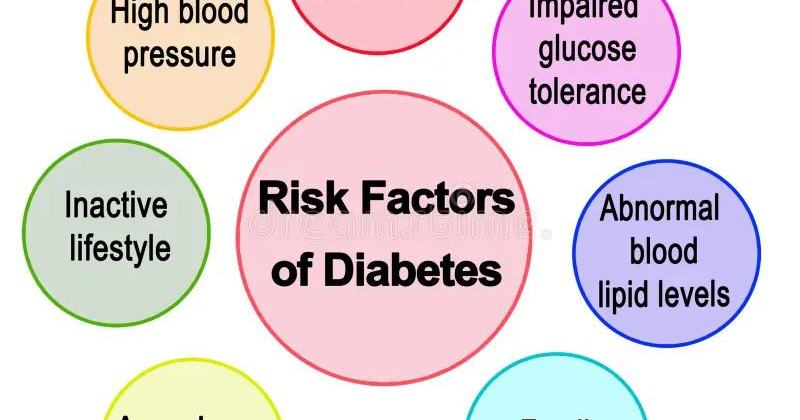
Risk factors for Type II Diabetes:

  • Weight. Being overweight or obese is a main risk.
  • Fat distribution. Storing fat mainly in the abdomen, rather than the hips and thighs, indicates a greater risk. The risk of Type II diabetes is higher in men with a waist circumference above 40 inches and in women with a waist measurement above 35 inches.
  • Inactivity. The less active a person is, the greater the risk. Physical activity helps control weight, uses up glucose as energy and makes cells more sensitive to insulin.
  • Family history. An individual’s risk of Type II diabetes increases if a parent or sibling has Type II diabetes.
  • Blood lipid levels. An increased risk is associated with low levels of high-density lipoprotein (HDL) cholesterol (the “good” cholesterol) and high levels of triglycerides.
  • Pregnancy-related risks. The risk of developing Type II diabetes is higher in people who had gestational diabetes when they were pregnant and in those who gave birth to a baby weighing more than nine pounds.
  • Polycystic ovary syndrome. Having polycystic ovary syndrome, a condition characterized by irregular menstrual periods, excess hair growth and obesity, increases the risk of diabetes.

If you or a loved one display any of these symptoms, please get a physical and request the labs above it’s better t catch it early!

Diabetes and It’s Many Friends 

Diabetes isn’t just about blood sugar levels 

Diabetes is a condition where the body doesn’t produce enough insulin or it doesn’t use insulin properly. This causes the blood sugars to become too high, known as hyperglycemia. 

Almost 10% of the population is diabetic, so there’s no wonder why pharmaceutical companies are marketing Ozempic, Mounjaro, Wegovey, etc in big ways. 

People with diabetes have a higher risk of developing serious complications including:

  • Heart Disease 
  • Kidney Disease 
  • Nerve Damage 
  • Dementia
  • Gum Disease 
  • Mood Disorders 
  • Eye Problems, including Blindness 

Type II Diabetes IS REVERSIBLE, but it takes effort. Even though it’s reversible, through diet, exercise and healthy life changes. Diabetes is a highly dangerous disease and it’s worth taking seriously. 

Skinny Fat

Skinny fat is a term to describe those who might be thin but have a high percentage of body fat. The medical term is sarcopenic obesity. This condition refers to an individual who may have what would be considered a normal/healthy weight, but metabolically, this person shares many health characteristics as someone who is overweight or obese. And that means they are at risk for a variety of health problems.

The Cause?

  • Losing muscle mass and gaining fat mass due to maintaining the same caloric intake and a sedentary lifestyle creates a skinny fat condition

The Description?

  • A person who is sarcopenic obese will have high fat mass and low muscle mass

The Analysis?

  • Getting a body composition test can help assess your body fat and muscle mass distribution

Possible Risks?

  • Increased risk of heart disease
  • High cholesterol
  • Insulin resistance, leading to Type 2 Diabetes 
  • Lower bone mineral density
  • Loss of cognitive function

The Solution?

  • Eating a protein-rich diet
  • Increase Skeletal Muscle Mass with weight training

Just because someone looks skinny, don’t just assume they are healthy.

Happy Halloween!

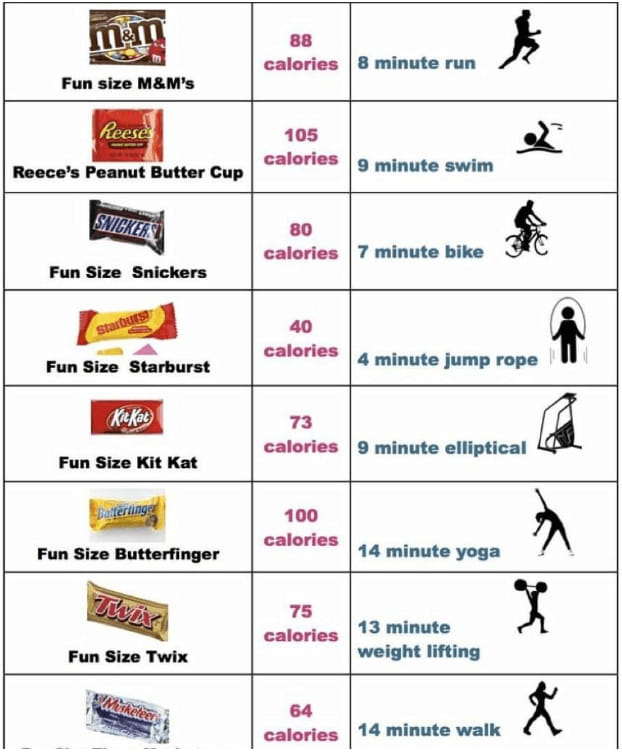
Crazy how many calories are in fun sized candy. Sort of takes ll the “fun” out of it, doesn’t it?

I know how tempting candy can be. But with R3 I can stay strong with the Halloween candy today!

Why 10,000 Steps?

I used to think 10000 steps a day was more than I could handle—some days I barely logged a thousand steps. Really! I wasn’t walking a lot. I was going from my home to my car, then parking close to the door at work and to my sedentary desk job. At the end of the day the process would be done in reverse. I thought I was getting enough steps in —I swam at the pool and I rode my bike but that was about it. The health club I belonged to held a month-long 10,000 steps challenge for the members. I admired my friends who monitored their steps on their smart watches, and logged in impressive numbers of steps throughout the challenge. The concept was interesting, but with my schedule, I just couldn’t seem to bypass 5,000 steps in one day.

Then I got a new job. It required me to be on my feet most of the time working with customers. Suddenly, my feet hurt. I needed better shoes. I quickly found out shoe choices were a hot topic among my coworkers. The better the shoe for walking, the less you ached at the end of the day! I quickly found good sneakers. Soon I was logging more than 10,000 steps a day. A lot more. Most days I would log 22,000 steps.

I had always wondered why experts chose 10,000 steps. I discovered for me, 10,000 was equal to walking about five miles—so I became more active. Yay! But my research also shows there’s science behind the actual number.

  • A study in JAMA Neurology found a possible link between walking 10,000 steps per day and a reduced risk of developing cardiovascular disease, 13 types of cancer, stroke, and heart failure
  • Research indicates a link between walking and improved mental clarity and the creative flow of ideas.
  • A study of over 72,000 people found that walking 9,000–10,000 steps per day may reduce the risk of death by more than a third.
  • Walking an extra 10,000 steps per day can burn 2,000–3,500 calories per week, which could lead to weight loss depending on your weight and exercise intensity.

I still try to get in 10,000 steps per day, no longer for health reasons but because I enjoy it and my canine companion does too!

TIPS TO AVOID PROCESSED MEAT 

If processed meat products are part of your diet, you can take steps to reduce or eliminate them.

  • Read the label. Check the ingredient list for words like nitrate, nitrite, cured or salted. If you spot these words, it’s a processed meat and should be avoided.
  • Be an educated buyer. Even meats labeled “uncured” still can have nitrates and nitrites in them.
  • Skip nitrate-free meats. These meats may have less nitrates and nitrites, but they’re not nitrate-free. When you eat these foods labeled nitrate-free, your stomach actually turns some nitrates into nitrites. And some of these nitrites can then form cancer-causing substances in your body.
  • Reduce portion sizes of processed meats and eat less frequently.
  • Choose a plant-based diet most often and have some meatless days.

Think outside the box. Eating less processed meat is easier than you think. Here are some healthy swap tips to get you started.

  • Add grilled chicken, hard-boiled egg, beans, tofu or flaked tuna to your salad instead of cubed deli meat.
  • Order a grilled chicken or fish sandwich instead of a deli sandwich.
  • Add vegetables to your omelet instead of bacon, ham or sausage.

Keeping a food log can help you be more mindful of just how much processed meat you are eating. Be sure to carry healthy substitutions like hummus and vegetables that can replace that deli sandwich. Once you become of aware of your eating habits and start choosing healthier foods, reducing and even eliminating processed meats from your diet will become easier.

Healthy Eating Does Not Have To Be Hard!

It’s true! Now that we are on our R3 challenge, here’s a great recipe for healthy eating!

I’ve learned that I can’t trust the beef in the grocery stores. Our Publix does not sell USDA Prime anymore because it’s just too expensive with today’s economy. I insist that my beef be:

  • USDA Prime or High Choice 
  • Raised here in the US with:
  • No Antibiotics EVER and……
  • No Hormones EVER and….
  • Grass fed

If you eat beef, and want to learn about a great resource that I trust, let me know and we’ll get you the proper info.

Top 5 Triggers for Leaky Gut:

4. Processed Sugar. Sugar reduces beneficial bacteria leading to a leaky gut syndrome. Sugar feeds yeast or which leads to Candida overgrowth, which can lead to Leaky Gut.

5.  Dairy. A majority of people are sensitive to dairy and they don’t even realize it. This means that they cannot digest the proteins (casein and whey) or sugar (lactose) found in milk. If your body cannot digest these, then it causes intestinal distress. Over time, continued consumption of dairy may cause damage to your gut.

When was tested for food allergies, that’s when I learned that I am highly allergic to WHEY PROTEIN.The stomach pain I was experiencing was my body was working overtime internally, to deal with it. Leaky Gut is more common that we realize. It pays to pay attention to what we are consuming and to what our body is telling us!

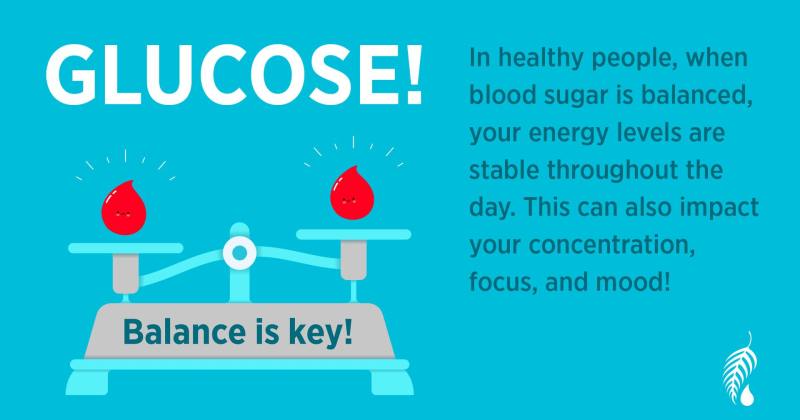
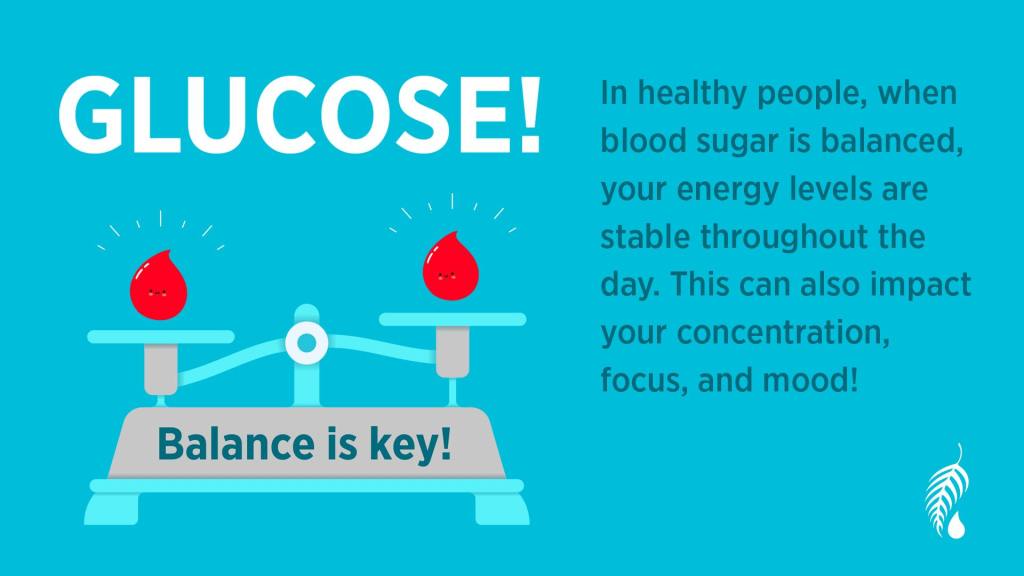
Balance is key

Millions of North Americans should be concerned about keeping their blood glucose levels in balance for optimal energy and wellness. Understanding what blood glucose is and what it does in your body is key to helping you and your customers understand your wellness needs.

Glucose is the main form of energy your body uses. The carbohydrates you eat end up breaking down into glucose for your body to use. It is carried to your cells by the bloodstream. Insulin helps move glucose from the blood into the cells so it can be used for energy. When you blood sugar is balanced, your energy levels are stable throughout the day. We have improved concentration and focus and are less likely to experience mood swings or other similar negative effects. Eating a balanced diet supported with supplementation and staying active helps your body use glucose efficiently, keeping you energetic and healthy!