To go gluten-free or not: That is the question!

Actually, it’s not that simple.

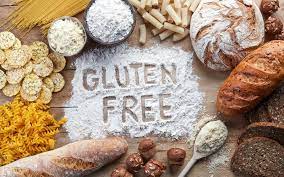
There are benefits of going gluten free, true. For those with celiac disease, it’s a priority! If you don’t have celiac disease, there are several things to consider before going gluten-free:

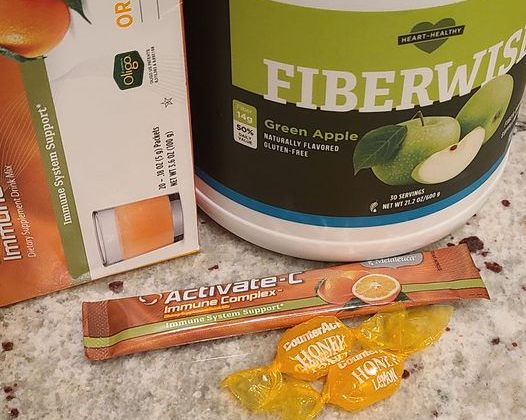
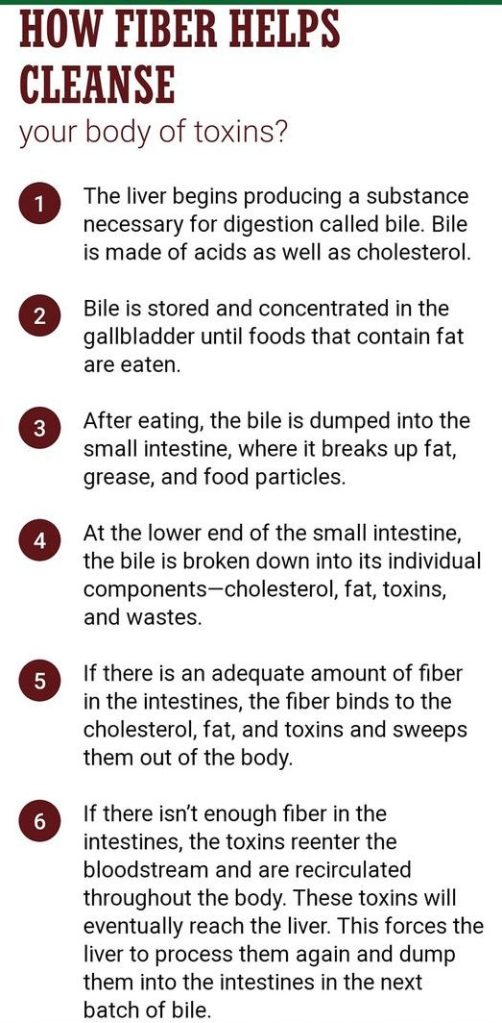
  • Lack of fiber. Most Americans already miss the mark on fiber. Women require 28 grams of fiber/day, men need 35 grams. The average American gets less than 15 grams a day. That means you will need to think about taking a fiber supplement.
  • Increased risk of Type II Diabetes. Research showed that when participants ate gluten, they were less likely to be diagnosed with type 2 diabetes. The study showed that the more gluten in the diet, the lower the risk of diabetes. Fiber, vitamins and nutrients found in healthy foods containing gluten proved to be beneficial to the overall health of the participants.
  • Weight Gain. Many gluten-free baked items like muffins, cookies or brownies are higher in calories and sugar than their ‘normal’ gluten-containing counterparts. That’s because the items still need to taste good and offer similar texture, but one one item is removed another is there to take it’s place and it can be in the form of a higher sugar or fat content. Because people are tricked into thinking they’re making a ‘healthier’ decision when they choose a gluten-free diet, they often don’t take the time to check labels and nutrition facts. This can lead to weight gain and mote unhealthy choices.
  • Lack of essential vitamins and nutrients. Switching to a gluten-free diet by choice means you also need to be mindful of what you eat. This makes it more difficult to maintain a balanced diet, which may lead to completely unnecessary added stress in the grocery store aisles for limited benefits. Reseach shows that people on a gluten-free diet have increased levels of heavy metals in their blood and urine – possibly due to the increased consumption of rice in gluten-free foods.

Making the choice of going gluten-free is not an easy one. Based on the way that gluten works, it’s an all or nothing decision. If you think going gluten-free is for you, please do your research.


THE CANCER/FIBER CONNECTION 

Colorectal cancers are the third leading cause of cancer mortality rates in the US with over 100,000 new cases of colon cancer and over 40,000 new cases of rectal cancer reported in 2020.

There is evidence linking that eating a high-fiber diet from whole grains and cereals can lead to a lower risk for colon cancer. Fiber also improves satiety and prevents overeating. It prevents obesity, which is linked to higher cancer risk. Healthy sources of fiber include barley, beans, nuts, fruits, and peas.

But getting enough fiber every day can be challenging. Women need 28 grams/day and men need 35 grams. So here’s my tip:

Russ and I add our Fiber mix to our protein shakes. By mixing it in the blender, you’d never know we were drinking fiber! Plus one serving of my favorite fiber mix is 15 grams! That makes it super easy to get the right amount every day!

But here are other ways to add 15 grams of fiber:

  • Breakfast: Switch from juice to ½ to ¾ cup of fruit on cereal, sliced on toast or eaten out of hand: + 2 more grams of fiber
  • Lunch: Swap 2 slices white bread for whole-wheat bread: + 2 grams of fiber. Instead of potato chips, choose 1 cup of raw pepper strips or other vegetables: + 1 gram of fiber
  • Afternoon snack: Instead of a candy bar, tide yourself over with an ounces of nuts: + 2-4 grams of fiber
  • Dinner: Replace part of the chicken or meat in your stir-fry, chili or casserole with ½ cup of black beans or lentils: + 8 grams of fiber
  • TOTAL: 15-17 grams of additional fiber

Fiber matters!

Five Benefits of Green Tea 

Green Tea has always been an iconic health drink and for good reason. Check this out:

1. It can provide calm, sustained energy

Green Tea has both caffeine and L-theanine, an amino acid. When caffeine and L-theanine combine, they have a synergistic effect that is powerful for brain function.

2. It Protects You from Cognitive Decline 

Research shows how drinking green tea daily lowers the risk for cognitive impairment, while green tea extract enhances working memory.

3. Green Tea Is Good for Your Skin 

The polyphenolds in green tea helps to eliminate free radicals caused by pollution and UV radiation. It can also help with DNA repair and even help prevent skin cancer.

4. It Can Help with Weight Loss 

One study found that both the catechins and caffeine in green tea help support energy metabolism, which can lead to weight loss. Another found that the synergistic effect of catechins and caffeine is what drives weight loss for tea drinks.

5. Green Tea Can Protect You From Type 2 Diabetes 

It may increase insulin sensitivity and reduce blood sugar levels. Plus, evidence shows that it lowers the risk for diabetes by 18%.

This year, try rotating green tea in your morning routine!

Health Benefits of Berberine

I lost count how many posts I have seen recently about Ozempic !

Taking it for weightloss can have negative consequences on your health. I actually know a few people who ended up in the hospital from taking it and they’re not diabetic.

What if there was a natural alternative?

Berberine.

Berberine is a compound found in many plants, including European barberry, phellodendron, Oregon grape, goldenseal, and goldthread. These plants have historically been used to treat everything from infection to sores.  

The first traces of berberine being used medicinally are found more than 3000 years ago, when the barberry plant and its relatives were being cultivated in China and South Asia. The stems, leaves, and bark of the plant were used in a variety of ways. Evidence also shows that berberine-containing plants were used in South America, the Middle East, and Europe to treat different conditions.

What are the benefits of Berberine? I’m hearing a lot of things. From being investigated as a treatment for diabetes; lowering blood pressure and cholesterol to polycystic ovary syndrome (PCOS). 

.One friends doctor put her on these rather than Metformin. Being that I have recently been diagnosed with diabetes, I’m going to give this a try (after discussing with my doctor, of course!) to see if this will be a better alternative for me. In fact, I’m hearing phrases like “Nature’s Ozempic” because it has been shown to lower glucose levels in people with diabetes. Studies show that it helps your body respond better to insulin and prevents your liver from creating more glucose. As a result, people with diabetes may find berberine helps lower their blood sugar levels and help with weight loss..

I found this article from WebMD That goes into more detail about this potential solution:: https://www.webmd.com/diet/berberine-health-benefits

As with any health supplement, it’s best to consult your doctor before you start taking berberine.

Look what came today!

Got my deliver of Riverbend Ranch Black label beef .

It containa:
• No hormones
• No antibiotics, ever!

BEEF: A Nutritional Powerhouse

For a while now, we’ve been told to limit red meat, but that’s a very narrow and uneducated view. There’s a lot of mixed information out there. Beef is actually……

  • Protein rich and low carb
  • Nutrient dense and loaded with key vitamins and minerals
  • Contains all 9 essential amino acids the body needs
  • A good source of glutathione, a powerful antioxidant

Several well known physicians, including Dr. Mark Hyman and Dr. Ken D Berry, embrace a diet rich in beef, especially in the fight against cancer. My holistic therapist is constantly promoting a more Keto lifestyle as part of a healing protocol with cancer, and here’s why:

Protein is essential and while you can get protein from other sources, high quality beef is the most nutrient dense source. Quality beef is loaded with vitamins and minerals. In fact, beef is the best natural source of vitamin B12. Beef is a good source of vitamins B2, B3, B5, B6, and K—as well as essential minerals, including zinc, selenium, phosphorus, iron, copper, potassium, and magnesium.

The key is to avoid any antibiotics and hormones, not ever! Insist on pasture raised and grass fed. Russ and I choose only USDA Prime beef that is raised here in the US from a source that we know and trust. So while we believe in juicing and eating lots of great fruits and veggies, grilled fish, we eat high quality beef a few times a week.

Sometimes, it’s about what you are avoiding instead of what you are consuming.

The gold standard to personalizing your diet is to eliminate certain foods like gluten, dairy, wheat, nightshades, eggs, sugar etc for 21 days. Then on day 22, start adding one food at a time. Have it for a couple of days, wait 24 hours, and see how you feel.

It’s not easy, but sometimes it’s the best way for you to find answers to why you don’t feel well.

Help your immune system

Do you know how much of your immune system is in your gut?

Good Carbs VS Bad Carbs

Carbs have gained a poor reputation over the years, and many people think that these foods are off limits when trying to lose weight. There are a lot of holes in this theory, unfortunately, and it leads people to be misinformed. If you don’t get enough carbs, you’ll be left feeling sluggish, irritable and unable to focus, things that won’t help your diet.

Good Carbs or complex carbs are full of nutrients like fiber, vitamins and minerals. They are absorbed by the body much slower, which is why nutrient-rich carbs leave you feeling fuller. Complex carbs don’t cause an immediate spike in blood sugar like their refined carbs. Vegetables, fruits, beans and whole grain products are the best examples of healthy carbs that should be included in your diet.

Refined or bad carbs are found in foods like white bread, white pasta, cookies, cakes and sugar. Refined carbs have no nutritional value and are broken down quickly, which is why you get that burst of energy….and then fell sluggish afterward.

Complex carbs can help you ….

  • Lose Weight
  • Fight Disease 

So don’t be one of those persons that “cuts carbs”. Just cut OUT the bad ones altogether!

Five Signs You Are Magnesium Deficient

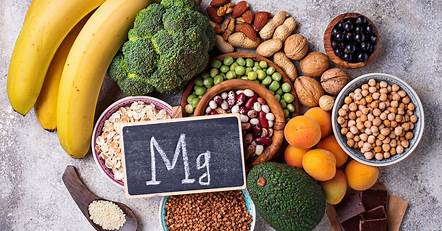
There are thirteen essential minerals that must be ingested for proper health. Their deficiency leads to critical health conditions. Magnesium is one of those minerals and 70% – 80% of people are deficient.

  • Sleep Issues — One study found that daily magnesium supplementation for eight weeks helped patients fall asleep faster, stay asleep longer, and reduce nighttime awakening.
  • Low energy levels — Magnesium plays a crucial role in energy production to fight fatigue and support high energy levels naturally.
  • Mood imbalances — Magnesium helps to manage your stress response system and cortisol levels. Countless studies have shown that magnesium may help treat anxiety and depression better than some pharmaceutical treatments!
  • Muscle cramps and aches — Magnesium helps relieve muscle tension, tightness, and stiffness.
  • High blood pressure — Chronically low levels of magnesium can cause all types of heart health issues, from high blood pressure, to diabetes, and even heart disease.

There are certain attributes you want to look for in a magnesium supplement. You want one that offers MAXIMUM BIOAVAILABILITY and also contains vitamin B6 for absorption. The one I use is a simple powder instead of a capsule and it’s super easy to use. Don’t just grab a bottle off the shelf at the grocery store. This mineral is too important!