National Fitness Day

National Fitness Day is an opportunity to inspire and try new ways of becoming fit and healthy.

The day is dedicated to everyone – not just health enthusiasts. Step out and try a class that looks interesting. Zumba? Yoga?

Yes, try it for a day. Perhaps you only want to get out and stretch. Do it! Maybe you already have a nice routine but want to try something new. National Fitness Day is an excellent way to shake up your routine. And while you’re at it, bring a friend!

National Physical Fitness and Sports Month

Regular physical activity is good for everyone’s health, and people of all ages and body types can be physically active. National Physical Fitness and Sports Month is a great time to become more active.

Did you know that regular physical activity increases your chances of living a longer, healthier life? It also reduces your risk for high blood pressure, heart disease, and some types of cancer. Yet most people don’t get the recommended amount of physical activity.

Here are just a few benefits of physical activity:

  • Children and adolescents – Improve muscular fitness, bone health, and heart health
  • Adults – Lower the risk of heart disease, type 2 diabetes, and some types of cancer
  • Older adults – Lower the risk of falls and improve cognitive functioning (like learning and judgment skills)

Here are just a few ideas to increase physical activity:

  • Start by making small changes, like taking a walk after dinner or going for a bike ride.
  • Motivate teachers and administrators to make physical activity a part of every student’s day.
  • Identify youth leaders in the community who can talk to their peers about the importance of being active.

The Physical Activity Guidelines for Americans recommend that adults:

  • Aim for at least 2 hours and 30 minutes of moderate-intensity aerobic activity each week. This includes things like walking fast, dancing, swimming, and raking leaves.
  • Do muscle-strengthening activities – like lifting weights or using exercise bands – at least 2 days a week.

Physical activity good is for everyone’s health. No matter what shape you are in, you can find activities that work for you. Together, we can rise to the challenge and get more active during the month of May!

During the month of May, we challenge all adults to get active every day!

Today is National Walking Day!

Ready to move? Physical inactivity is a leading cause of heart disease and can be more dangerous than smoking. To combat this, the American Heart Association has named the first Wednesday in April as National Walking Day.

Americans are encouraged to walk for at least 30 minutes today — and every day. Statistics from the AHA show that one in two men and one in three women are at risk for heart disease.

For more information about walking, check out our walking post here

Spring is here and it’s the perfect time for a 15 minute walk!

Did you know a 15 minute walk can change your body?

Most people are well aware of the countless benefits from regular exercise, however, most Americans simply choose not to exercise or workout in their spare time. Yet, studies show that exercise can buy you three to seven additional years of life! Exercise in the form of walking becomes an antidepressant; improves cognitive function, and there is now evidence that it may retard the onset of dementia.

1. Exercise can lower the risk of diabetes: A Harvard Nurses’ Health Study showed that women who walked for a half-hour daily experienced a 30% lower risk of diabetes. Walking was also found to be able to shrink dangerous abdominal fat, which can result in diabetes.

2. Walking lowers the risk of Alzheimer’s disease: Researchers at the University of Virginia Health System discovered men aged of 71 – 93, who walked more than a quarter mile daily had half the incidence of Alzheimer’s disease and dementia in comparison to participants who walked less.

3. Walking reduces high blood pressure: Researchers found that moderate walking lowers the risk of high blood pressure.

4. Walking helps digestion: Cancer Treatment Centers of America maintains that walking can improve your gastric mobility.

5. Walking reduces pain and enhances mobility: The American Heart Association published an article showing walking on a daily basis can improve mobility in people with PAD (peripheral artery disease).

6. Walking enhances bone health: People who exercise or walk on a daily basis have healthier and stronger teeth, boost bone density, strengthen their bones and lower the risk of osteoporosis, fractures, and spine shrinkage.

7. Walking improves cognitive performance: Studies show that regular walks boost cognitive performance in both children and adults.

8. Walking leads to longevity: Numerous studies have proven that regular walking lowers the risk of mortality.

9. Walking improves mood: A 2016 study showed walking at least 20 minutes daily boosts self-confidence and attentiveness, and reduces feelings of anger and hostility.

With benefits like these and warmer weather, there’s no reason not to get out and walk!

Here are some useful walking tips:

  • Pick a suitable pace, in order to burn calories, you need to walk about 3.5 miles an hour.
  • To burn more calories, try an incline walk (walking up Fairways Blvd. to the Clubhouse is an incline and my Fitbits register that walk as walking up six flights of stairs!)
  • Always wear flexible, low-heeled, cushioned, comfortable shoes
  • Walk with the shoulders down, the chin parallel to the ground, and looking straight ahead
  • Swing the arms while walking, bend them at 90 degrees and pump the shoulders.

You can start walking more by making some tiny changes into your daily routine:

  • Take the stairs instead of the elevator
  • Go for a short walk after lunch or dinner (walking with friends makes it more enjoyable)
  • Get off several bus stops before your destination when taking public transport
  • Always park your car a bit further and walk to the destination
  • Take your dog for a walk (my dog insists on walking three to five miles over the course of a day)
  • Listen to your favorite podcast or music and walk.

It’s recommended to use a pedometer or one of the wearable fitness trackers, to keep track and find out how far you normally walk. At first, you may be surprised to realize just how little you move each day. Tracking your steps can also show you how simple and seemingly minor changes to the way you move around during the day can add up. Plus, it’s motivating to see your steps increase throughout the day.”

We may never avoid becoming completely old, but we may delay the time we become old. We may look younger when we’re 70 and may live into our nineties.

Peak Performance

At 83 years of age, Frank Ledoux is still competing in the one-minute sprint row. In fact, he’s ranked #2 in the world in the 80+ age category. Frank and his wife Judy attribute much of their vitality to Peak Performance Total Health. “I just feel wonderful,” Frank says. “We work out three days a week, we hike, we play golf, we do everything. How can we feel so good at our age? It has to be the nutrition in the Peak Performance Pack.” —Frank & Judy Ledoux

I love my Peak Performance, how about you?


#enhancelives #liveschangehere

Getting ready for winter

With cold weather setting in, I figured it’s time to strengthen myself, specificalllly upper body strength to shovel snow!

I found this plan designed to strengthen upper body muscles with the three simple moves shown below. 

They’re supposed to help improve daily movements like picking up a child, carrying a bag of groceries, or pushing objects like a vacuum or snow shovel. Woo hoo!

Hear that snow? I’m going to be ready for you!

What’s one of your favorite upper body exercises?

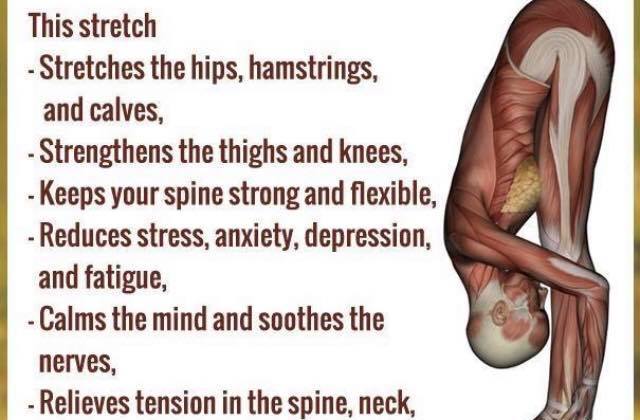
A perfect pose

Now that Thanksgiving is over and we have maybe, just maybe, a bit too much to eat, we might want to stretch a bit before working out.

This is called a perfect pose as it hits many muscle groups at once.

Arsenic, Lead Found in Popular Protein Supplements

Whether for weight loss, muscle building, or simply as a convenient quick meal on the go, many Americans turn to protein powders and drinks.

But a new study shows that many of the top-selling powders and drinks may contain concerning levels of heavy metals such as arsenic, cadmium, mercury, and lead, and toxins like bisphenol A (BPA), a chemical found in some plastic containers and food can liners.

These substances have been linked to cancer, brain damage, and reproductive issues. When products were tested, many contained detectable levels of at least one heavy metal and 55 percent tested positive for BPA.The problem is, these toxins accumulate in your body and can stay there for years. Frequent consumption of foods that contain them can have adverse effects on your health.

This article from Consumer Reports provides a review of popular protein powders and drink supplements available today, and whether they’re necessary for most people.

The company I work with manufactures protein supplements and happily each product is made from only the finest ingredients to deliver the healthy, benefits. Every product in one line is also soy-free, gluten-free, and GMO-free, does not contain artificial sweeteners, and is kosher. A few specific products are also dairy-free and vegan.

Whether your goal is to maintain healthy blood sugar, build muscle, achieve a healthy weight, or just snack smarter, you need to be knowledgeable to protect your body every step of your journey. I’ve attached this article to help learn more about healthier for you flavors and formulas. You owe it to yourself to make an informed healthy choice.