Have you ever taken digestive enzymes?

Have you ever taken digestive enzymes? I take them before large meals or if I eat a lot of dairy.

The reason?
Taking a digestive enzyme with meals can make a difference in how you feel when you eat. It can reduce the feeling of being overly full, reduce gas and best of all… no bloating! From a nutritional perspective, digestive enzymes it help to break down the food so that the body has to do less work during the process of digestion and absorb the nutrients more efficiently.

To test the theory, I put a slice of steak in a Ziplock bag, added a little warm water and the contents of one capsule my digestive enzyme. In 10 minutes, the steak was broken down. That convinced me that digestive enzymes should be a part of my daily regimen.

My little capsules provide 18 unique digestive enzymes to help break down gluten, dairy, proteins, carbohydrates, fiber, and more, so, let’s break it down:
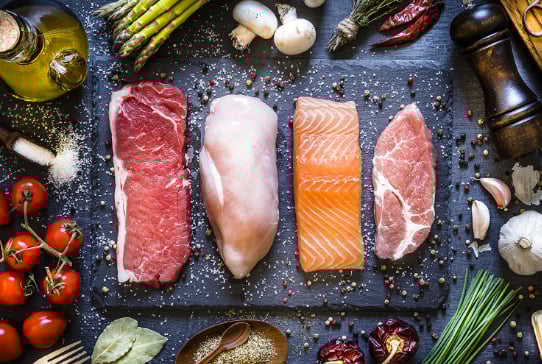
Breaks down protein in beef, chicken, pork, eggs, and nuts

• Protease 4.5 breaks down the proteins found in meats, nuts, eggs, and cheese
• Peptidase breaks down proteins during digestion to allow them to be used by the body
• Bromelain breaks down proteins
• Phytase helps the body digest minerals, such as calcium, zinc, copper, and manganese
• Protease 6.0 breaks down the proteins found in meats, nuts, eggs, and cheese
• Lipase breaks down fats found in dairy, nuts, oil, and meat products
• Neutral Bacterial Protease helps break down protein

Breaks down lactose and fats in milk, cheese, and ice cream

• Lipase breaks down fats found in dairy, nuts, oil, and meat products
• Lactase breaks down lactose (milk sugars)
• Acid Maltase breaks down proteins, carbohydrates, and fats to maintain an optimal absorption of nutrients
• Protease 6.0 breaks down the proteins found in meats, nuts, eggs, and cheese

Breaks down carbohydrates in bread, rice, pasta, cookies, candy, fruit, and vegetables

• Invertase breaks down sucrose (table sugar)
• Amylase helps break down starches to allow them to be absorbed and used for energy
• Glucoamylase helps break down starches into glucose, which is usable by the body
• Acid Maltase is used to breakdown proteins, carbohydrates, and fats to maintain an optimal absorption of nutrients
• Hemicellulase breaks down fiber and carbohydrates
• Pectinase is a group of enzymes that break down the pectin commonly found in plants
• Xylanase breaks down xylan sugars, like those found in corn
• Invertase breaks down sucrose (table sugar)
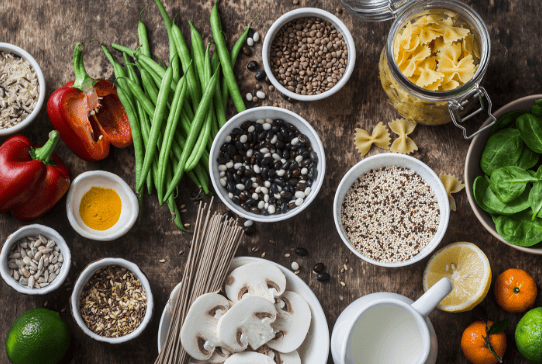
Breaks down fiber in salad, beans, and whole grains

• Alpha-galactosidase facilitates the digestion of beans, legumes, seeds, roots, and soy
• Cellulase breaks down cellulose (plant fiber)
• Beta-glucanase breaks down soluble fibers found in grains
• Hemicellulase breaks down fiber and carbohydrates
• Phytase helps the body digest minerals, such as as calcium, zinc, copper, and manganese

These little capsules are a game changer!

My gut health is so incredibly important to me, how’s your gut?
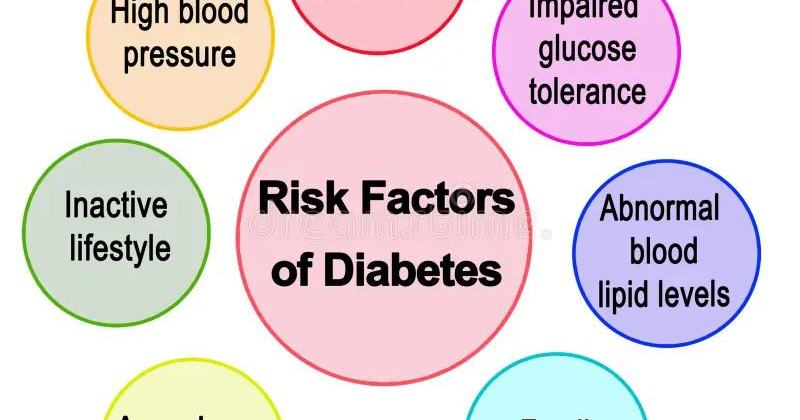
Risk Factors for Diabetes

They say knowing is half the battle. 

Lately, many of my friends have been telling me their doctors are telling them, “You need to be concerned about Diabetes” after review their latest lab work. 

Many of these individuals are being told they are Pre-Diabetic. With one in every three people being diagnoses as Pre–Diabetic, it’s not a surprise.

Once your doctor mentions Pre-Diabetes be prepared for lab work that contains tests for glucose, A1C, Homocysteines, C Reactive Protein, D3, cholesterol and liver tests. All tests to ascertain Type II Diabetes. 

If we know what to look for, we can help prevent it or at the very least hold it off from developing quicker. It really does help to stay in front of this disease! The best way to start is to know the risk factors.

Risk factors for Type II Diabetes:

  • Weight. Being overweight or obese is a main risk.
  • Fat distribution. Storing fat mainly in the abdomen, rather than the hips and thighs, indicates a greater risk. The risk of Type II diabetes is higher in men with a waist circumference above 40 inches and in women with a waist measurement above 35 inches.
  • Inactivity. The less active a person is, the greater the risk. Physical activity helps control weight, uses up glucose as energy and makes cells more sensitive to insulin.
  • Family history. An individual’s risk of Type II diabetes increases if a parent or sibling has Type II diabetes.
  • Blood lipid levels. An increased risk is associated with low levels of high-density lipoprotein (HDL) cholesterol (the “good” cholesterol) and high levels of triglycerides.
  • Pregnancy-related risks. The risk of developing Type II diabetes is higher in people who had gestational diabetes when they were pregnant and in those who gave birth to a baby weighing more than nine pounds.
  • Polycystic ovary syndrome. Having polycystic ovary syndrome, a condition characterized by irregular menstrual periods, excess hair growth and obesity, increases the risk of diabetes.

If you or a loved one display any of these symptoms, please get a physical and request the labs above it’s better t catch it early!

Diabetes and It’s Many Friends 

Diabetes isn’t just about blood sugar levels 

Diabetes is a condition where the body doesn’t produce enough insulin or it doesn’t use insulin properly. This causes the blood sugars to become too high, known as hyperglycemia. 

Almost 10% of the population is diabetic, so there’s no wonder why pharmaceutical companies are marketing Ozempic, Mounjaro, Wegovey, etc in big ways. 

People with diabetes have a higher risk of developing serious complications including:

  • Heart Disease 
  • Kidney Disease 
  • Nerve Damage 
  • Dementia
  • Gum Disease 
  • Mood Disorders 
  • Eye Problems, including Blindness 

Type II Diabetes IS REVERSIBLE, but it takes effort. Even though it’s reversible, through diet, exercise and healthy life changes. Diabetes is a highly dangerous disease and it’s worth taking seriously. 

Does Weather Impact Our Health?

You bet it does!

  • Blood Pressure — When atmospheric pressure decreases, your blood pressure drops. Low temps cause your blood vessels to narrow, meaning on the whole, blood pressure is lower in the summer.
  • Asthma and Allergies —Changing seasons and hot weather can worsen asthma and allergy symptoms, with the growing season and air pollution paying a serious role. The solution? Be prepared with your allergy meds before spring weather arrives.
  • Joint Pain — Sudden changes in barometric pressure, such as the switch that occurs right before a storm, can trigger joint pain. Cold weather can also cause painful changes in joint fluid thickness, some research has found. 
  • Headaches —Barometric pressure can be a headache for some, though the reason is unclear. It might affect the pressure in the brain or the way the brain blocks pain, or it might be evolutionary, as it keeps humans in tune with their environment.
  • Diabetes and Blood Sugars — Any weather front is associated with low pressure, so during cold fronts, blood viscosity, or thickness, increases. Research shows that diabetics have more trouble controlling their blood sugar during cold fronts.
  • Heart Attacks — Each 1.8 degree Fahrenheit the temperature drops is associated with around 200 additional heart attacks nationwide, according to one medical study. Higher blood pressure, an increased risk of blood clots and challenging activities like shoveling show contribute to the risk

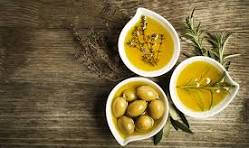
The Olive Oil Deception 

Did you know that olives are a fruit?
Olive oil is a fruit juice, and, just like fruit juice, olive oil tastes best and is the most nutritious when it’s fresh.
Fresh-pressed olive oil has the highest levels of antioxidants, polyphenols, and a unique anti-cancer compound called Oleocanthol.

But there’s a problem: According to Forbes magazine, “It’s been reliably reported that 80% of the Italian olive oil on the market is fraudulent. A study last year by the National Consumer League found that six of 11 bottles of extra virgin olive oil from three major retailers—Whole Foods, Safeway, and Giant—failed to meet extra virgin requirements.”

Many olive oil companies produce low quality olive oil diluted with other oils, and some companies sell “olive oil” that isn’t even made from olives!

In his book, Extra Virginity, olive oil expert Tom Mueller warns of contaminants and cancer-causing agents in these fake olive oils:
“Italian investigators have found hydrocarbon residues, pesticides, and other contaminants in fake oils, and pomace oil, a common adulterant, sometimes contains mineral oil as well as PAHs, proven carcinogens that can also damage DNA and the immune system.”

So how do you know if it’s authentic?

The Label: The label should indicate the harvest date and whether the oil has been blended with other oils. Look for a quality seal from the International Olive Council (IOC) for European oils or the California Olive Oil Council for American oils, which indicate that the oil has been tested and meets certain standards.

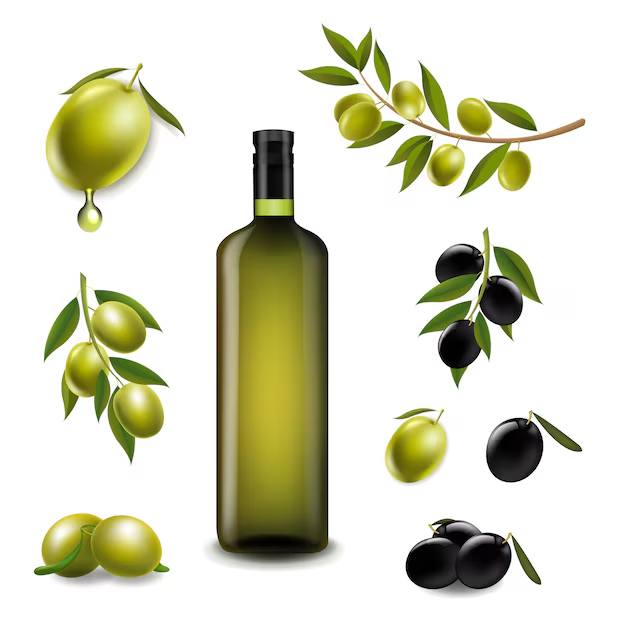
The Bottle: The bottle should be dark colored glass to protect against UV Ray exposure.

The Taste: Authentic EVOO has a bright flavor with hints of fruit, grass, and almond, and a slightly bitter, peppery aftertaste. Low-quality or “fake” EVOO may taste dull, greasy, waxy, or crayon-like, or have no flavor.

So shop carefully!

MAGNESIUM DEFICIENCIES

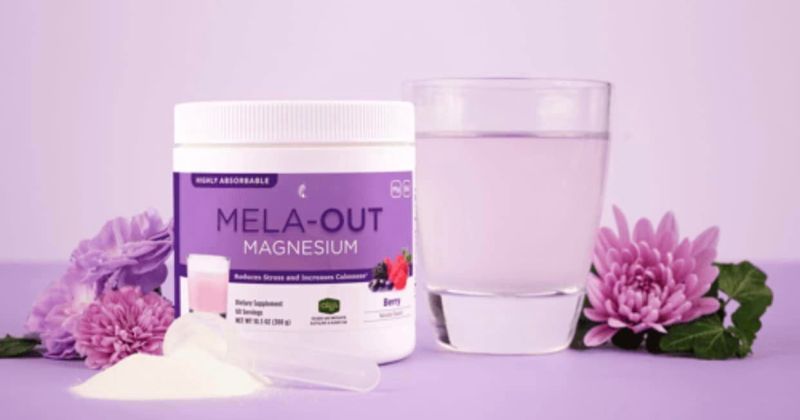
Magnesium is an ESSENTIAL mineral. That means we ABSOLUTELY NEED it yet over 70% of people are deficient in it.

How do make sure YOU get your magnesium every day? Powder? Capsule? Tablet?

Mine is an easy to use powder so I can throw it in my sugar free lemonade mix that I drink all day long. (I also throw my collagen mix in there too at some point during the day).Sometimes I even mix my magnesium in my protein shake.

What about you?

Medications can impact nutrition

Did you know that when we take medications, they impact our bodies nutritionally?

I am NOT saying don’t take meds. I AM saying that when you take a medication, you need to address the depletion of nutrients caused by that medication.

I am NOT saying don’t take meds. I AM saying that when you take a medication, you need to address the depletion of nutrients caused by that medication.

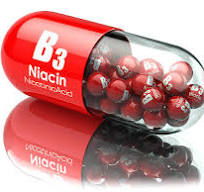
Do you take Niacin?

You may want to rethink the amount of this supplement you take. A new study reveals there are many connections between niacin and heart disease. For a while, many cardiologists were prescribing niacin for cardiovascular prevention, but more recent studies didn’t show much of a benefit from niacin—and this medication has significant side effects for many individuals.

These side effects include things like flushing, difficulty tolerating hot showers, increased blood sugar levels, insulin resistance, and dizziness, and have caused some cardiologists like himself to be skeptical about niacin for years.

Read more about the latest study results here at MedLinx

It’s all about choices

The R3 Weight Loss Plan is an easy-to-follow lifestyle that allows you to eat foods you already enjoy without counting calories, grams, or ounces.
With R3, you can:

· Have the flexibility to eat a variety of foods from the Yes List!

· Indulge on 20% of your food intake with items from the No List.

· Enjoy activity for at least 15 minutes a day!

· Learn how to live and sustain a healthy lifestyle.

· Share R3 with someone else to help them reach their weight loss goals!

Success achieved the right way will always last!

Contact me to learn more

FIT FOR FALL

Are you tired of yo-yo dieting and desire to eat in a healthier manner? Allow me to share with you about R3 and the company behind it.

I lost over 100 pounds in 2022 using my Company’s R3 program for a healthier style of eating. I still follow the plan and the weight hasn’t found its way back to me — and it never will. I am now working on the final 20 pounds.