Heavy Metals and Heart Disease

Heavy metals like mercury, lead, and arsenic have been shown to increase blood pressure and raise the risk of heart disease. These metals can accumulate in your system over time, interfering with metabolic processes that support cardiovascular health.

How heavy metals affect your heart

  • Damages blood vessels
  • Increases oxidative stress leading to arterial plaque buildup
  • Increases blood pressure

How to reduce exposure

  • Filter drinking water using a system certified to remove heavy metals.
  • Limit consumption of high-mercury fish like king mackerel and swordfish.
  • Avoid lead-containing cookware and glassware.

Heavy metals can impact more areas than just the heart.

Wellness Wednesday

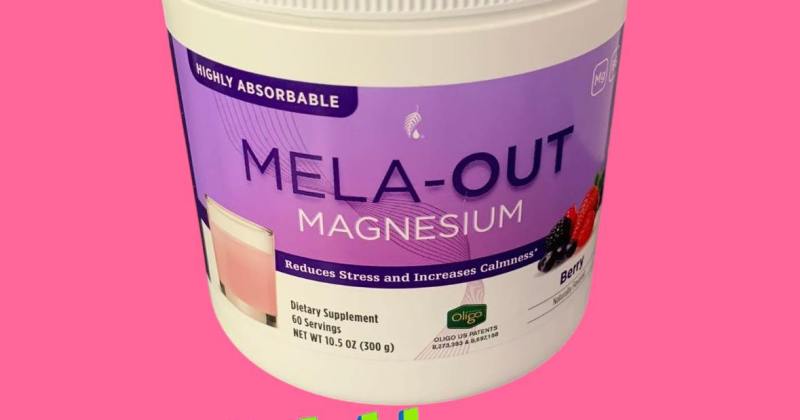
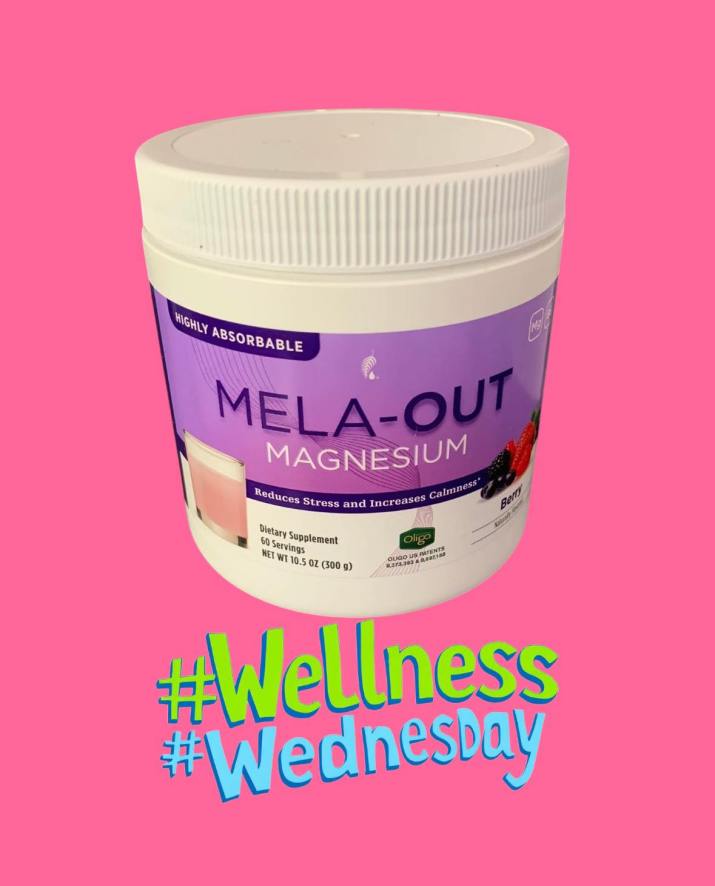
It’s wild how something so simple can create such a huge shift. I used to toss and turn every night—until I discovered Mela-Out Magnesium! Total game changer.

Magnesium has earned its nickname as the “miracle mineral” for good reason. It supports hundreds of essential processes in the body, yet most of us don’t get enough of it. Once you start supplementing, the difference can be incredible—deeper sleep, fewer cramps, better mood, and way less stress. It’s one of those rare natural remedies that actually works.

If you’ve ever dealt with restless nights or felt like your body just can’t unwind, magnesium might be the missing piece. Taking it in the evening helps calm your mind, relax your muscles, and ease you into sleep—without that foggy feeling from traditional sleep aids. A simple, natural habit with the power to seriously level up your everyday well-being.
I’m upping my protein intake

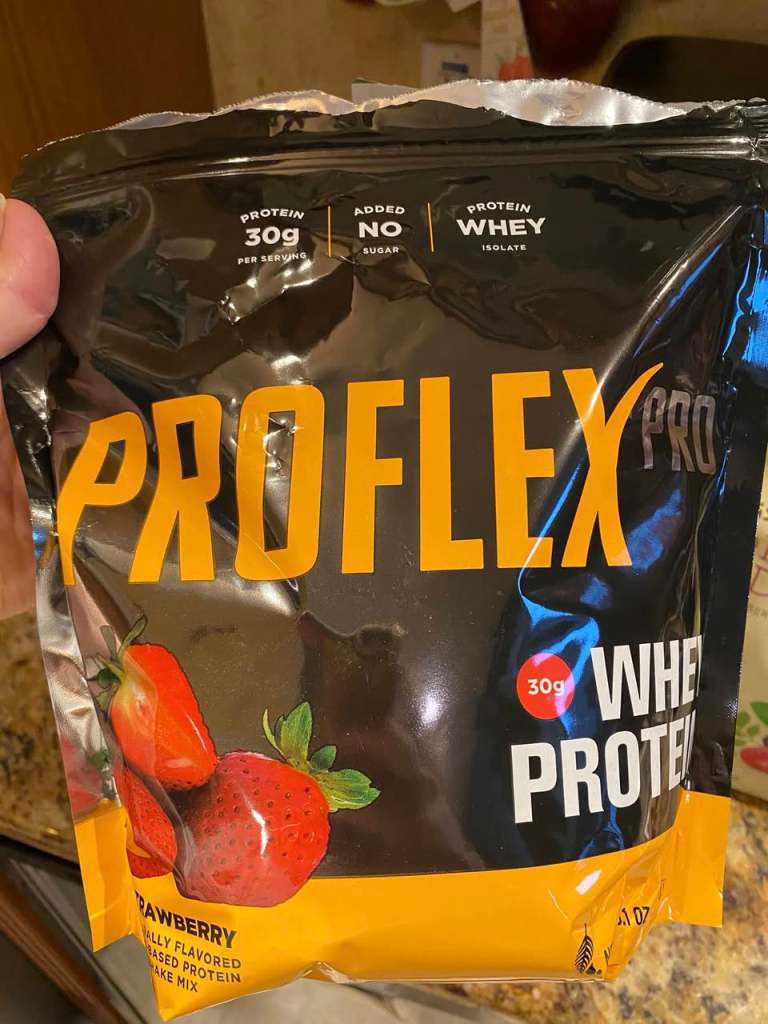
I’m adding a little over 40 g for breakfast using Strawberry ProFlex Pro and the Collagen Boost. I’m aiming for 140 g of protein, a day! I know this is a great way to start my day while giving me a great start on my daily Protein consumption.

I buy the two products at the Wellness Store—yep, my Online Shopping Club, the same store where I buy my cleaning, laundry, skin care, hair care makeup, toothpaste and more. They manufacture all of our daily household essentials! No harmful chemicals! I love that this company doesn’t have a big storage warehouse or things are sitting on shelves for months and years. It’s fresh and shipped to my door straight from them within three days of placing my order!
Magnesium Deficiency and Cancer

Magnesium deficiency is a risk factor for multiple cancers. This essential mineral helps maintain proper immune function and regulates inflammation, both of which are important factors in cancer prevention.

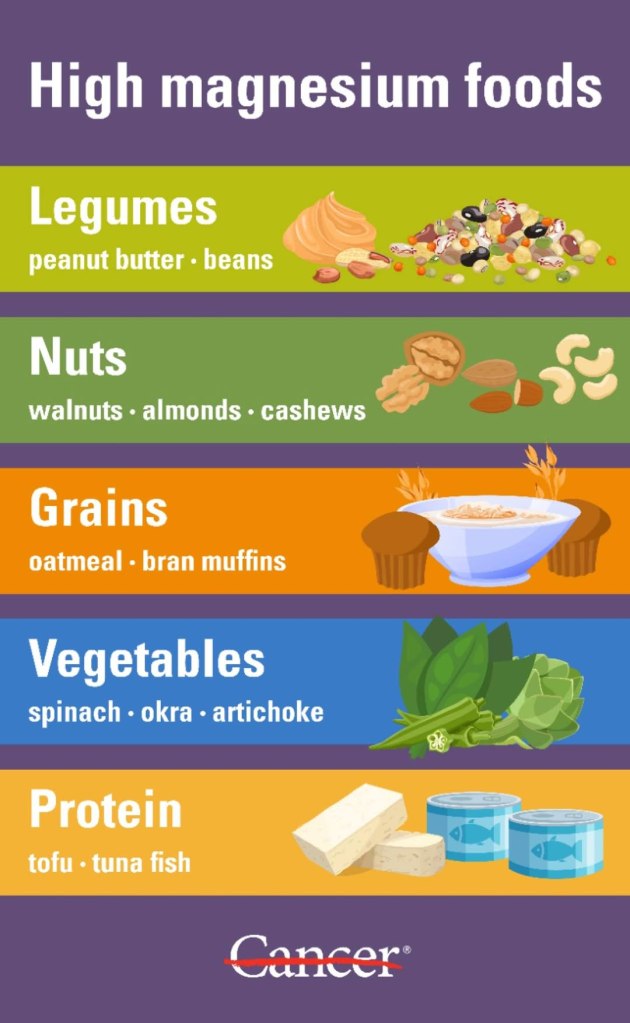
Good sources of magnesium include:

  • Leafy greens
  • Fruit 
  • Chocolate 
  • Dairy (grassfed is easier to digest)
  • Beef 

But still….. it’s hard to get the necessary requirements so supplementing is important. I prefer a powder magnesium that i can easily add to my water, lemonade, protein shakes, etc. It’s one less pill to swallow, but i can also increase dosage if I prefer. Also, I recommend looking for a magnesium supplement that also has Vitamin B6. It works beautifully with this mineral for quicker absorption.
How to Add More Fiber to Your Diet

If you are looking to lose some weight or balance your blood sugars, turn to fiber to help you reach that goal.
Here are a few easy steps:

  • Increase your fiber intake gradually. Consuming a lot of fiber at once can have unintended consequences; such as constipation. To ensure a smooth transition, try increasing your fiber intake by five grams daily until you reach your goal.
    As long as each meal contains roughly 10 grams of fiber or more, you’ll consume enough.
  • Fill your pantry with shelf-stable ingredients. Keep items like nuts, seeds, and canned beans on hand since they have a longer shelf life and are easy to add to meals. You can sprinkle slivered almonds on a salad for a crunchy boost, coat baked salmon in a flaxseed crust, or add beans to a vegetable soup.
  • Double up on vegetables. Most vegetables contain some fiber, but certain options are better than others. Veggies high in fiber include artichokes (yum!), Brussels sprouts, spinach, broccoli, and carrots. (Pumpkin and avocado are also high in fiber but are actually fruits.)
  • Don’t forget about fiber-rich snacks. If you know you’re falling short on fiber in your meals, use snacks to balance out your daily needs. Think toasted and spiced nuts, vegetables, and fruits like raspberries and apples. Pair with a source of protein or fat (like cheese) to slow the release of sugar into your bloodstream.
  • Add fiber to every meal. Thirty to fifty grams is a lot of fiber; you don’t want to eat all of that at once, or your GI tract may suffer. It’s better to break it up to include fiber in every meal and snack. That could look like a chia pudding for breakfast, a salad with crispy chickpeas and avocado for lunch, or a bowl of chili served over cauliflower rice for dinner. 

If you don’t know what your fiber goals should be, think 28+ grams/day for women and 34+ grams/day for men.
Palm Oil by any other name

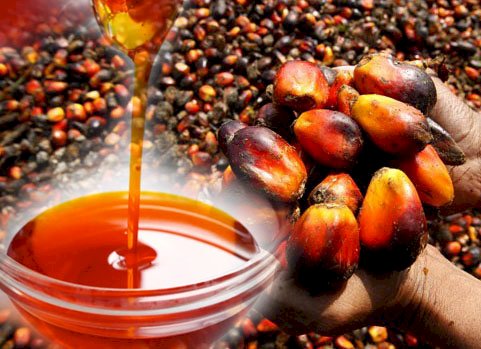
In an era where conscious consumerism is on the rise, many of us strive to make informed choices about the products we bring into our homes. Yet, there’s a stealthy ingredient hiding in a multitude of everyday items, from our favorite snacks to our bathroom essentials, that often goes unnoticed—palm oil. 

While palm oil itself isn’t inherently malevolent, its clandestine presence in countless products has raised concerns about its impact on the environment, wildlife, and indigenous communities..

What’s the problem with palm oil?
Palm oil is a controversial and widely debated commodity due to its environmental and social impact. Here are some of the main concerns associated with palm oil production:

  1. Deforestation: One of the most significant issues with palm oil is its link to deforestation. Large areas of tropical rainforests in countries like Indonesia and Malaysia have been cleared to make way for palm oil plantations. This destruction of natural habitats contributes to biodiversity loss and can threaten endangered species like orangutans, tigers, and rhinos.
  2. Habitat Destruction: The expansion of palm oil plantations often leads to the displacement of indigenous communities and local people who depend on these forests for their livelihoods. This can result in social conflicts and human rights abuses.
  3. Environmental Impact: The conversion of forests to palm oil plantations contributes to greenhouse gas emissions and climate change. Forests, especially peatlands, store significant amounts of carbon, and when they are cleared and drained for palm oil cultivation, carbon is released into the atmosphere.
  4. Burning Practices: In some regions, including Indonesia, palm oil companies have used slash-and-burn techniques to clear land for plantations. This practice not only releases enormous amounts of carbon dioxide but also causes dangerous air pollution and haze, affecting human health.
  5. Biodiversity Loss: The monoculture nature of palm oil plantations reduces overall biodiversity. Many species cannot survive in these plantations, which are often devoid of the diverse ecosystems found in natural forests.
  6. Water Pollution: The use of pesticides and fertilizers in palm oil cultivation can lead to water pollution, harming aquatic ecosystems and potentially affecting human health when contaminated water is used for drinking or irrigation.
  7. Ethical Concerns: Labor abuses and poor working conditions have been reported in some palm oil plantations, raising ethical concerns about the treatment of workers.

It’s important to note that the palm oil industry has made efforts to address some of these issues through initiatives like the Roundtable on Sustainable Palm Oil (RSPO), which promotes the use of sustainable practices in palm oil production. However, criticism has arisen regarding the effectiveness and enforcement of such initiatives.

Why is palm oil used?
Palm oil is used in a wide range of products and industries for several reasons:

  1. Versatility: Palm oil is highly versatile and can be used in both food and non-food products. Its semi-solid consistency at room temperature makes it suitable for various applications.
  2. Texture and Consistency: In the food industry, palm oil is often used to enhance the texture and consistency of products. It provides a creamy and smooth texture, which is valuable in items like margarine, ice cream, and bakery goods.
  3. Long Shelf Life: Palm oil has a long shelf life due to its high saturated fat content. This makes it an attractive choice for processed foods, as it helps extend the product’s freshness and prevents spoilage.
  4. High Melting Point: Palm oil has a higher melting point compared to many other vegetable oils. This makes it suitable for use in products that require stability at high temperatures, such as frying oils and baked goods.
  5. Flavor Neutral: Palm oil has a relatively neutral flavor, which means it doesn’t significantly impact the taste of the final product. This makes it a suitable choice for a wide variety of food items where a strong flavor is not desired.
  6. Cost-Effectiveness: Palm oil is often more cost-effective than other vegetable oils, which makes it an attractive option for food manufacturers looking to keep production costs down.
  7. Non-Food Applications: Palm oil is also used in non-food products, such as cosmetics, personal care items, and cleaning products. Its properties, including its ability to create stable emulsions and provide moisture to the skin, make it valuable in these applications.
  8. Biofuel Production: Palm oil is used as a feedstock for the production of biodiesel, a renewable and environmentally friendly alternative to fossil fuels.
  9. Industrial Uses: Beyond the food and cosmetic industries, palm oil is used in various industrial applications, including lubricants, candles, and soaps.

It’s important to note that while palm oil offers many functional benefits, its production is associated with environmental and social concerns, as discussed in a previous response. As a result, there has been growing awareness and efforts to promote the responsible and sustainable production of palm oil to mitigate its negative impacts. Consumers and companies are increasingly seeking alternatives and supporting sustainable sourcing practices to address these concerns.

Did you know destructive palm oil sneaks into your food using these 25 ingredient names.
Avoid them at all costs!

Palm oil often gets packaged under a multitude of different names, which can make it challenging for consumers to identify its presence in products. This practice is employed by manufacturers to obscure the use of palm oil and may involve a variety of alternative names, such as “vegetable oil,” “vegetable fat,” “palmate,” “sodium lauryl sulfate,” or even specific chemical compounds like “palmitate” and “stearate.” 

This is a full list of 25 alternative names for palm oil:

  1. Palmitic acid
  2. Hydrogenated palm glycerides
  3. Palmitate
  4. Vegetable fat
  5. Stearic acid
  6. Palm stearine
  7. Glyceryl
  8. Palmitoyl tetrapeptide-3
  9. Vegetable oil
  10. Stearate
  11. Palm kernel oil
  12. Palmolein
  13. Sodium palm kernelate
  14. Octyl palmitate
  15. Etyl palmitate
  16. Sodium kernelate
  17. Palm kernel
  18. Palmate
  19. Palmityl alcohol
  20. Sodium lauryl lactylate/sulphate
  21. Palm fruit oil
  22. Sodium lauryl sulfate
  23. Elaeis guineensis
  24. Palmitoyl oxostearamide
  25. Sodium laureth sulfate

Here is a list of products that often contain palm oil:

Food Products:

  1. Processed Foods: Many processed foods, such as cookies, crackers, and baked goods, contain palm oil as it helps give these products a desirable texture and shelf life.
  2. Margarine: Palm oil is used in the production of margarine to achieve a creamy consistency.
  3. Instant Noodles: Palm oil is often used in the preparation of instant noodles.
  4. Chocolate: Some chocolate products contain palm oil as an ingredient.
  5. Ice Cream: Palm oil may be used in ice cream to improve its texture and prevent melting.
  6. Snack Foods: Many snack items like chips, popcorn, and fried snacks are made using palm oil for frying.
  7. Baked Goods: Palm oil is used in various baked goods, including bread, pastries, and doughnuts.
  8. Nutella and Similar Spreads: Palm oil is a common ingredient in chocolate spreads like Nutella.
  9. Instant Soups and Sauces: It can be found in instant soups and sauce mixes.
  10. Cereals: Some breakfast cereals may contain palm oil.

Non-Food Products:

  1. Personal Care Products: Palm oil is used in cosmetics, soaps, shampoos, and skincare products due to its moisturizing properties.
  2. Cleaning Products: Some cleaning products, such as detergents and soaps, contain palm oil.
  3. Biofuels: Palm oil is used as a feedstock in the production of biodiesel.
  4. Candles: It can be used in the manufacture of candles.
  5. Industrial Lubricants: Palm oil is utilized in industrial applications, including lubricants.

It’s important to note that palm oil can be listed under various names and aliases on product labels, making it challenging for consumers to identify its presence. To make informed choices and support sustainable practices, consumers often need to look for specific certifications like the Roundtable on Sustainable Palm Oil (RSPO) or choose products explicitly labeled as “palm oil-free.”

Protein Shakes? How Much Protein Do You Need?

Caring for your health includes fueling your body with protein.
Protein isn’t just for athletes. It builds muscle, strengthens bones and boosts immunity. It keeps you satiated and keeps hunger at bay, so it’s an important tool in
weight loss.

Here are some general guidelines:

  • Under 50: Multiply your weight by 0.38 grams
  • Over 50? Multiply by 0.45 grams
  • For a 55-year-old at 150 lb., that’s 67.5 gram of protein daily, or about 22.5 g per meal.

It’s important to address your personal physical goals as well. You may want to drink a protein shake every day. A normal shake is two scoops, totaling 30 grams of protein; but if you don’t eat a lot during the day, you may want to use three scoops for a total of 45 grams of protein.

Typically, it is recommended a woman take 20 grams of protein in her shake UNLESS she’s trying to build muscle (which most of us need to do), and in that case, she could add 30 grams of protein to her shake.

Make certain to check your labels.I use a shake that has ZERO sugar. Stay away from convenient shakes like Ensure. Ensure only offers 9 grams of protein but has 10 grams of sugar, plus a blend of vegetable oils!

Knowledge is protein power.

Do you “Shake”?

Have you ever heard of the French Paradox?

We all know that high saturated fat and high cholesterol foods are bad for our hearts, right?

The French consume more of these foods than we do, yet they enjoy significantly better heart health. This finding seemed to contradict other research that clearly linked fat-laden diets with increased risk for heart disease.

Many researchers attribute this paradox to the heart-healthy components of grapes. While the French may eat more fatty foods, they also drink more wine with their meals. The grapes used to make the wine are an extremely potent source of natural antioxidants including flavonoids.

Of all the potential vegetables, fruits, herbs, exotic berries, nuts, and roots that lead to a healthier heart, none compares to the purple grape. Purple grapes are filled with polyphenols that positively impact the interior of blood vessels unlike anything else.

That said, drinking wine every night is not a wise move for many for obvious reasons.

That’s supplement my diet with two of my very favorite ingredients daily!

Grape Seed/Skin Extract: A super-concentrated, natural extract associated with maintaining healthy blood pressure and supports healthy endothelial function. Grape skin includes many critical natural compounds that are extremely useful for a healthy cardiovascular system, called Anthocyanins. Anthocyanins are powerful polyphenolic compounds that are especially helpful in maintaining a healthy endothelial function.

Resveratrol: A polyphonic compound found in grapes and some berries. Resveratrol has been shown in lab tests to neutralize free radicals and is associated with a wide variety of beneficial physiological effects, including cardiovascular health. It is also associated with helping maintain healthy endothelial function. It’s suggested in several studies that resveratrol has a positive impact on diseases such as cancer.

Question: Do you look at the ingredients in your supplements? 

There’s nothing like waking up with GC in your cup!

Holiday or Winter Party Punch

Serving A Punch At Your Next Holiday or Winter Party?

An ice ring is a great way to get creative and decorate any punch bowl filled with fresh juice.

INGREDIENTS
  • 6-8 cups of water
  • 3 sliced citrus fruits, like lemon or oranges
  • 1 cup raspberries, cranberries and/or strawberries
  • 1 cup sprigs of rosemary or thyme

Tip: You can use any combination of the recommended garnish ingredients you’d like just by following the basic steps. You can also use a juice recipe in place of the water if you want to add more color.

DIRECTIONS
  1. Fill a bundt pan halfway with water and let it sit in the freezer for a few hours until it’s almost firm but still a little slushy.⁣
  2. Add your choice of garnishes: slices of citrus, cranberries, raspberries, or herbs like mint, rosemary, or thyme. Push them down into the slushy part so they don’t all float to the top. Then, let the fruit set for at least an hour before filling the rest of the bundt pan to the top with water.⁣
  3. When you remove the ring from the freezer, flip it onto a plate. Run warm water over the top of the pan, and the ring will pop out of the mold onto the plate.⁣
  4. Freeze it until ready to use if you’d like, or put it directly into a punch bowl and add the fresh juices and sparkling water to the bowl.⁣