A healthier lifestyle is everything

Twenty-one years ago I was desperately looking for healthier and cleaner products for my home after suffering permanent lung damage from asthma and recurrent bouts of bronchitis and pneumonia.
What I found changed my life.
I discovered that the store I was shopping from offered not only the cleaner, safer, non toxic products I wanted. Around eight years ago, the company developed an additional Wellness Program called R3.
At first I was very adamant that I was done with “these programs” and brushed it off. You know, “they never work” and my doctor had me on a tight exercise regimen and HGH shots. We here hopeful—and you know what? After six months, I lost a total of 13 pounds, a drop in the bucket of what I needed to lose. It was about this time, R# came into being. Now I had successfully been coaching many people on their health journeys over the years so it really did make sense to take a look at this and try it out. But it took me a while to Gert on that wagon.
I knew I needed to focus on my health since I had recently been through some traumatic events: the passing of my Mother, shattering my shoulder; selling my home; finding a new home and moving to another state a thousand miles away—all within the space of 20 days. It was time to make a change.

Change I did, in June of 2022 I decided it was now or never and I stepped up to the Challenge. And I did it! In those first six weeks I was down 27 pounds! I hadn’t realized I lost that much. Yes my clothes were getting too big, but I wasn’t sure I did it. I didn’t believe it until Susan Lovisek-Torborg, the Founder and Director of the R3 program called me to tell me I had placed second in my age group for the highest percentage of weight loss. I was thrilled!

A month later, I woke up in an ICU in Orlando, where they told me they found me at the airport not making any sense and I was in DKA (Diabetic KetoAcicosis) that was a surprise. But the new eating habits I developed with R3 got me through the new way I had to eat to manage my sugar levels as a newly minted Type one diabetic. Who knew your pancreas would stop working? Who knew that I would already be on the proper path to managing the disease? By continuing to follow the plan, I was able to continue to manage y weight; get a new shoulder and by January 2023 I had lost 100 pounds, and I wasn’t done. By April 2023 I was down an additional 25 pounds! On this program I lost 125 pounds, I don’t know how many inches and went from a size 20 to a size 6.

The best part? The weight is staying off! R3 was a decision that not only changed my life but it affords me the knowledge and education to continue to move forward and help others on their health journey’s.

Which was exactly what Susan’s mission is R3 is a Lifestyle, not a diet. You can take what you learn from this and use it for a lifetime. On June 2-July 14 thousands of us will be attending the virtual R3 “Show Up” 6 Week Challenge which will include Personal Trainers, R3 Chef’s and Susan Torborg herself leading the way.

It’s an event we are looking forward to attending. I can’t wait. There’s plenty of room for everyone. Feel free to contact me to join in. You never know what you’ll learn, while on your path to feel g and looking great! Hope to see you there.

Salt is necessary

Although “salt” and “sodium” are used interchangeably, they are different. Sodium is considered an essential mineral in the body as it is required for normal physiological function. Salt is not seasoning. It’s not the enemy—and it’s not optional.

This isn’t about nutrition. It’s about electricity, memory, and natural order.

WHAT WE’VE BEEN TOLD:

  • Salt raises blood pressure.
  • Sodium is dangerous.
  • Salt is just a flavor enhancer.

WHAT WE WEREN’T TOLD:

  • Refined salt is stripped, bleached, chemically altered — it’s the problem.
  • Natural salt (Himalayan, sea salt, Celtic grey) is mineral-rich and essential for human bioelectric balance.
  • Every nerve signal, heartbeat, and cellular transport system in your body relies on sodium.

WITHOUT REAL SALT:

  • Our adrenal system crashes.
  • We retain water inefficiently.
  • Our brain fogs.
  • Our energy declines.

IN NATURAL BIOLOGY: 

  • Salt regulates membrane potential.
  • It stabilizes hydration at the cellular level, not just in the bloodstream.
  • It works in tandem with potassium, magnesium, and water to create energy.

THE REAL PROBLEM:

  • Refined salt is an industrial product.
  • Table salt is chemically sterilized and often laced with flow agents like aluminum.
  • It’s suggested that the anti-salt campaign began in the 1970s with flawed studies used to justify pharmaceutical intervention.

SALT IN PRACTICE TODAY:

  • Add a pinch of mineral salt to your water each morning to assist hydration.
  • Use it during fasting to stabilize energy and reduce lightheadedness.
  • Cook with it. Sweat with it. Honor it.

BECAUSE REAL SALT CAN:

  • Reduce headaches.
  • Support adrenal recovery.
  • Improve energy and cognition.
  • Restore balance without a pill.

MOST IMPORTANTLY:

  • It can’t be patented, monetized, or industrialized at scale without stripping its benefit.

SUMMARY: Refined salt is synthetic. Natural salt is sacred. The body runs on minerals, and salt is the delivery system.

This isn’t trend. It’s truth. Let real salt return. Let the body remember how to live.

** Borrowed from a Health Resource

Ditch the Diet. Embrace the Lifestyle.

Are you tired of hopping from one diet to the next with nothing to show but frustration and yo-yo results, you’re not alone? Diets are temporary. But a healthy lifestyle? That’s where lasting change lives.

Here’s what I’ve learned—and what I share with the clients I coach:

1. Focus on daily consistency, not perfection. You don’t need to “start over” every Monday. One off-day doesn’t ruin your progress—it’s just life.

2. Make protein and planning your best friends. A simple protein-forward breakfast and a bit of weekly prep go a long way in beating cravings and stabilizing blood sugar.

3. Think beyond the scale. Energy, sleep, mood, and confidence matter just as much—if not more—than a number.

Ready to stop starting over?
Let’s talk about how to make healthy living simple, sustainable, and actually enjoyable.

Comment “Ready” or send me a message—I’ll meet you right where you are.

Love this new Harvest Pure.

When you buy fresh produce, how do you wash it? Many of the pre-packaged fresh vegetables are labeled that they have been washed, That includes the re-cut vegetables too.
Well, I tried this new product, Harvest Pure to clean my lettuce before making my salad. My lettuce was labeled that it had been washed. Well, here’s the result of washing my lettuce with Harvest Pure—this is the dirt residue.
When you know, you know.

Chronic Fatigue Syndrome

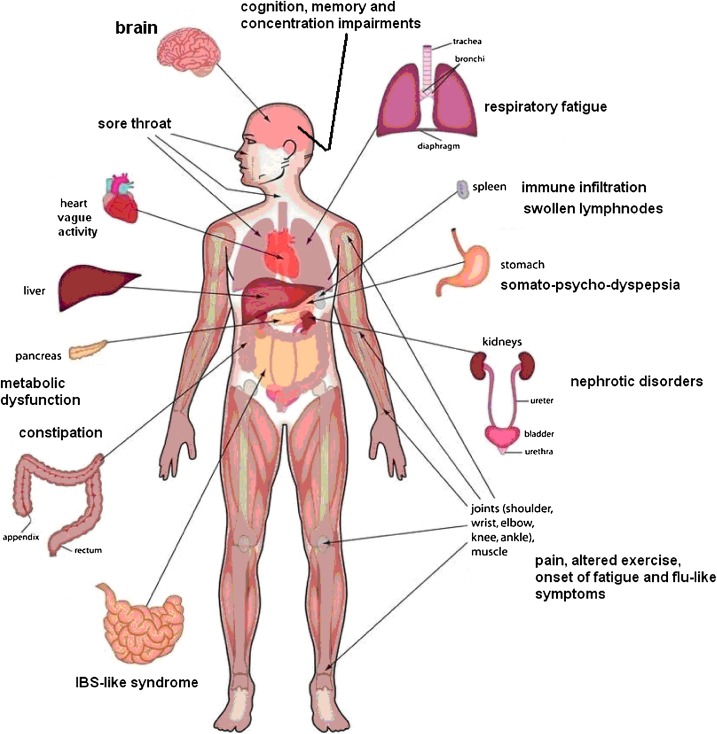
Chronic Fatigue Syndrome (CFS) is a condition characterized by extreme tiredness or fatigue that doesn’t improve with sleep. It can often be misdiagnosed as depression which leads to improper prescribed anti-depressants.

Who is at risk for Chronic Fatigue? The top seven risk factors for chronic fatigue syndrome are:

  1. Women between the ages of 30 and 50.
  2. Being overweight
  3. Being inactive
  4. Having allergies
  5. Depression
  6. A stressful life
  7. Exposure to toxins

Technically, there is no cure, but there are steps you can take to address it. First, however, you have to know the root causes of CFS.

Root Causes of Chronic Fatigue Syndrome

Here are some common culprits of CFS (Chronic Fatigue Syndrome):

  • Viral, bacterial, or parasitic infections
  • Epstein-Barr virus
  • Heavy metal, toxic chemicals or mold 
  • Unhealthy digestive system and gut microbiome
  • Thyroid issues
  • Immune conditions
  • Adrenal exhaustion 
  • Hormonal Imbalances
  • Inflammation 
  • Mitochondrial dysfunction
  • Nutritional deficiencies 
  • Hypertension 
  • Mental stress

Pretty big list, right? So it’s important to not “self diagnose” an issues that’s not there. 
If you do have a proper diagnosis, here’s a few steps you can take to feel better:

  1. Eat a well balanced diet
  2. Consult about proper supplementation. Chances are you are deficient in more than one area
  3. Exercise within your limits
  4. Go to bed and get up at the same time every day

As always, I’m here to help in any way I can!

I’m upping my protein intake

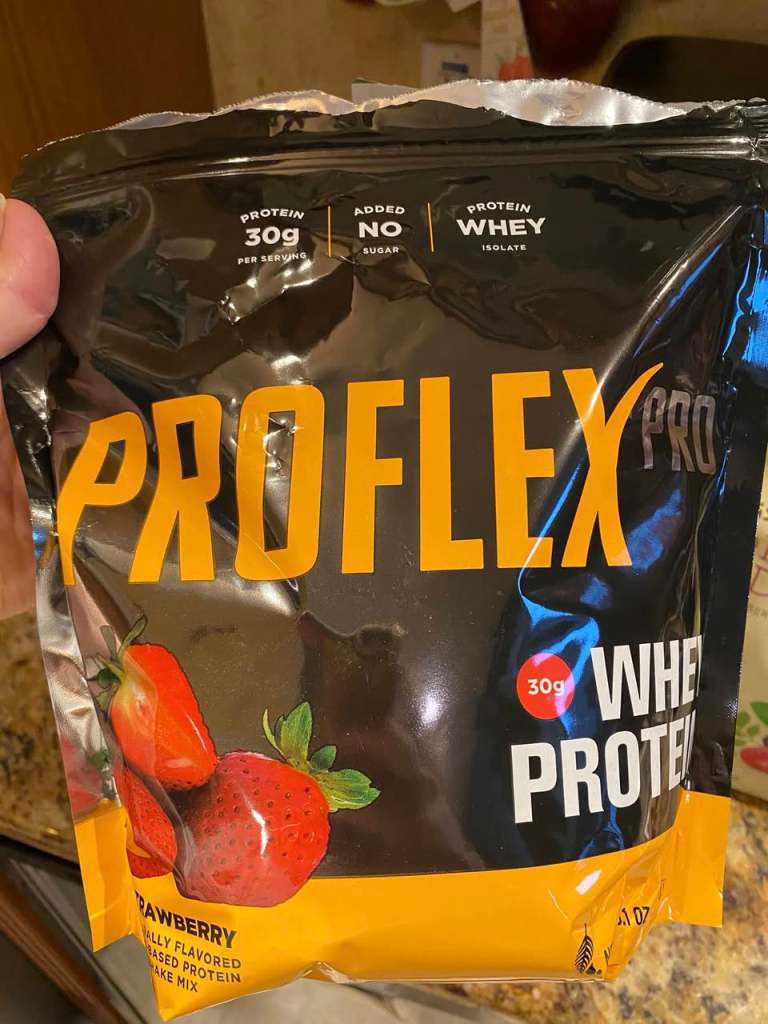
I’m adding a little over 40 g for breakfast using Strawberry ProFlex Pro and the Collagen Boost. I’m aiming for 140 g of protein, a day! I know this is a great way to start my day while giving me a great start on my daily Protein consumption.

I buy the two products at the Wellness Store—yep, my Online Shopping Club, the same store where I buy my cleaning, laundry, skin care, hair care makeup, toothpaste and more. They manufacture all of our daily household essentials! No harmful chemicals! I love that this company doesn’t have a big storage warehouse or things are sitting on shelves for months and years. It’s fresh and shipped to my door straight from them within three days of placing my order!

Omega 6 vs Omega 3

Both are important! But getting too much of one can be harmful to your health.

Omega-6 fatty acids are essential for human health and have many benefits, including: 

  • Heart health: Omega-6s can help lower LDL cholesterol and increase HDL cholesterol, which can reduce the risk of cardiovascular disease. 
  • Brain function: Omega-6s play a crucial role in brain function, along with omega-3 fatty acids. 
  • Growth and development: Omega-6s are necessary for normal growth and development. 
  • Bone health: Omega-6s help maintain bone health. 
  • Metabolism: Omega-6s help regulate metabolism. 
  • Reproductive system: Omega-6s help maintain the reproductive system. 
  • Insulin sensitivity: Omega-6s help improve the body’s sensitivity to insulin, which can help keep blood sugar in check.

Here’s the problem:

Omega 6’s can promote inflammation and the typical American diet contains 14 to 25 times more omega-6s than omega-3s, which reduce inflammation. So that’s why the balance of these two superstars is very important!

We should strive for a 1:3 ratio of Omega 6 vs Omega 3, meaning we should have 3 grams of Omega 3 for every gram of Omega 6.

You cannot have too much Omega 3’s!

Does Coffee Improve Your Gut Health?

The simple answer is: Yes! 

There is a direct relationship between coffee and our gut microbiome. Research shows that coffee may signficiantly increase the level of a particular good type of bacteria (or flora) called Lawsonibacter asaccharolyticus. In fact, in 2021, researchers found that out of more than 150 foods studied, coffee showed the strongest link to gut microbiome composition. So this is a good thing.

But how much should you drink?
In the studies I read, “moderate” consumption is the ideal. Guess how much that is: Four – Five cups/day!

So depending on your sensitivity to caffeine… drink up! Actually, coffee has been linked to “lower risk of all cause mortality.” That does not make it a “super food”, but it does make for a strong argument!

Harvest the Best, Wash Away the Rest! 

While modern farming has made it possible to enjoy your favorite fruits and vegetables nearly any time you want them, there are some drawbacks. At the end of its journey to your table your produce can still have pesticide residue, dirt, and other contaminants that can increase the risk of foodborne illnesses.  

Luckily, there’s new EcoSense®Harvest Pure Fruit and Vegetable Wash! 

A powerful combination of food-safe ingredients, Harvest Pure Fruit and Vegetable Wash washes away pesticide residues, dirt, grime, and more from fresh fruits and vegetables, so all you’re left with is their delicious flavor. In fact, when used as directed, Harvest Pure Fruit and Vegetable Wash removes more than twice as much pesticide residue as rinsing with water alone! This formula is not only effective at cleaning but also gentle and rinses off easily—leaving the nutrient-dense peels of produce intact with no unpleasant aftertaste. 

I LOVE this product!

How to Add More Fiber to Your Diet

If you are looking to lose some weight or balance your blood sugars, turn to fiber to help you reach that goal.
Here are a few easy steps:

  • Increase your fiber intake gradually. Consuming a lot of fiber at once can have unintended consequences; such as constipation. To ensure a smooth transition, try increasing your fiber intake by five grams daily until you reach your goal.
    As long as each meal contains roughly 10 grams of fiber or more, you’ll consume enough.
  • Fill your pantry with shelf-stable ingredients. Keep items like nuts, seeds, and canned beans on hand since they have a longer shelf life and are easy to add to meals. You can sprinkle slivered almonds on a salad for a crunchy boost, coat baked salmon in a flaxseed crust, or add beans to a vegetable soup.
  • Double up on vegetables. Most vegetables contain some fiber, but certain options are better than others. Veggies high in fiber include artichokes (yum!), Brussels sprouts, spinach, broccoli, and carrots. (Pumpkin and avocado are also high in fiber but are actually fruits.)
  • Don’t forget about fiber-rich snacks. If you know you’re falling short on fiber in your meals, use snacks to balance out your daily needs. Think toasted and spiced nuts, vegetables, and fruits like raspberries and apples. Pair with a source of protein or fat (like cheese) to slow the release of sugar into your bloodstream.
  • Add fiber to every meal. Thirty to fifty grams is a lot of fiber; you don’t want to eat all of that at once, or your GI tract may suffer. It’s better to break it up to include fiber in every meal and snack. That could look like a chia pudding for breakfast, a salad with crispy chickpeas and avocado for lunch, or a bowl of chili served over cauliflower rice for dinner. 

If you don’t know what your fiber goals should be, think 28+ grams/day for women and 34+ grams/day for men.