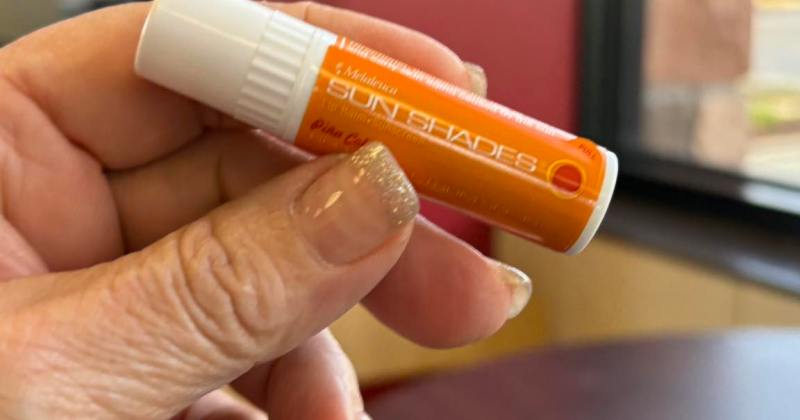
I’m thrilled to say I’ve avoided the DIY lip balm route for 21 years thanks to Sun Shades lip balm. It’s always kept my lips hydrated, so chapping is never an issue. I purchase three for $6.57 at my favorite Wellness shopping club.
It comes in many different flavors and here are a few of the choices: Sun Shades® Lip Balm: Piña Colada Sun Shades® Lip Balm: Cranberry Tangerine Sun Shades® Lip Balm: Mountain Mint Sun Shades® Vanilla Bean
Oh yeah, I don’t sell these, However I can show you where to get them. Just contact me to find out how!
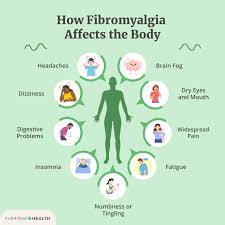
Fibromyalgia is a condition that causes pain, fatigue, and tender points around the body. It can cause sleep, memory, and mood issues. It can be hard to diagnose and treat because it has symptoms that are very similar to other conditions. The exact causes of these changes are unknown, but the following elements are thought to contribute to fibromyalgia:
Genetics. Certain gene mutations can put people at a greater risk for this condition.
Infections. Certain illnesses seem to trigger or worsen fibromyalgia. Viral infections like Epstein-Barr or infections like Lyme Disease can lead to it.
Stressful Physical or Emotional Events. Serious injuries, giving birth, the breakdown of a relationship, emotional trauma are just a few of the life events that can trigger fibromyalgia.
How To Fight Fibromyalgia
Fibromyalgia often requires extra nutrition from other sources than our food. Proper supplementation with the following taken daily cam make a huge difference:
Magnesium with Vitamin B6
Vitamin D (5000 IU/daily)
Vitamin K2/D3
CoQ10
Vitamin B12 (methylated)
Melatonin
Certain Essential Oils that can also be beneficial:
Lavendar Oil – Relieves stress
Peppermint Oil – Relaxes muscles and improves mental stimulation
Sandalwood Oil – Helps with inflammation
Eucalyptus Oil – Decongestant and anti-inflammatory
Nutmeg Oil – Reduces pain and improves indigestion
Creatine has thousands of studies behind it showing tons of benefits ranging from brain health and muscle recovery.
Look at what it can do for you:
Sharper Mind: As estrogen declines, so can memory and focus. Creatine may help improve cognition and reduce brain fog.
Stronger Muscles: Women naturally lose muscle with age, especially postmenopause. Creatine helps maintain strength and mobility.
Stronger Bones: Paired with resistance training, creatine may boost bone density and help prevent osteoporosis.
More Energy: It helps the bodyuse energy better, reducing fatigue and improving recovery.
Mood Support: Creatine may help reduce feelings of depression and anxiety, improving overall mood.
I incorporate this into my post workout routine, in a mix that has all nine essential amino acids, polyphenols, and magnesium and it tastes great (yay)! As you can see from the list above, you don’t have to work out to benefit from creatine. Perhaps consider this to your daily regimen!
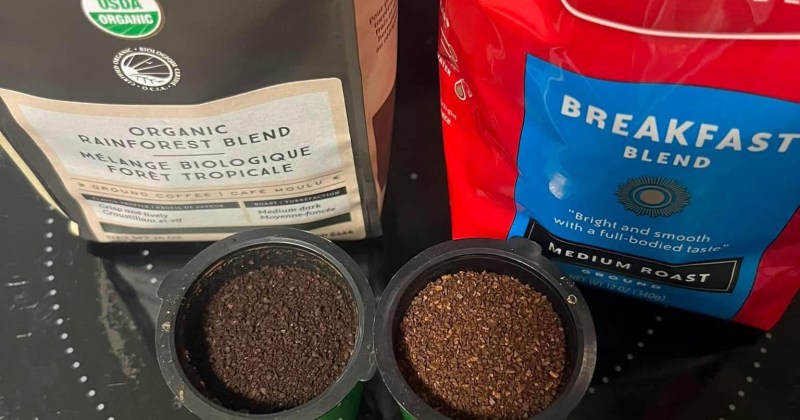
“Most store-bought coffee contains mycotoxins—toxic compounds produced by certain molds that grow on coffee beans during harvesting, chemical processing, and storage. As of 2025, many big-name coffee brands don’t publicly disclose whether they test for mycotoxins. Hmm… weird! I wonder why? So instead, I found a USA-based brand that actually tests for mycotoxins—and you better believe their coffee is 100% MYCOTOXIN-FREE! Plus, [being a USA company is] local enough for me.“
One whole bag of this goodness is just $11.49—100% worth it!
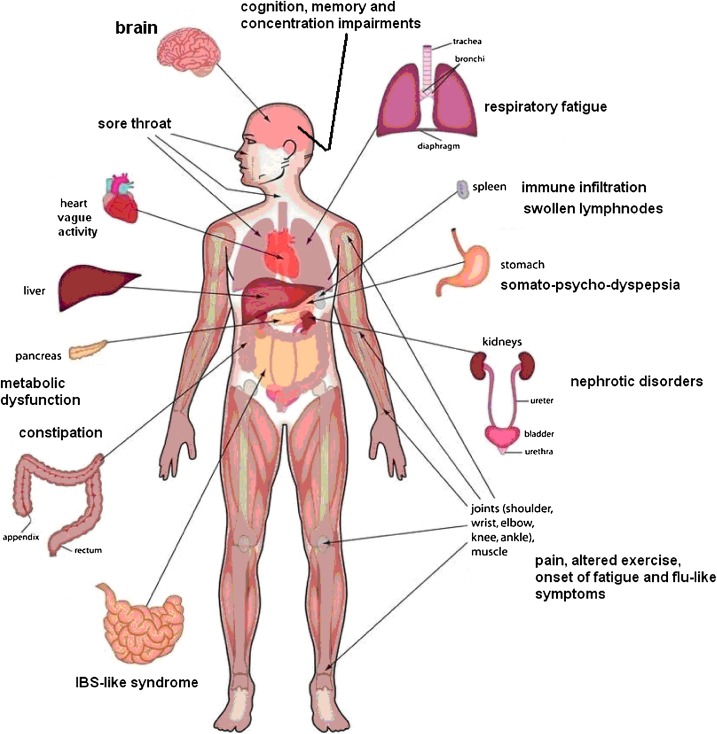
Chronic Fatigue Syndrome (CFS) is a condition characterized by extreme tiredness or fatigue that doesn’t improve with sleep. It can often be misdiagnosed as depression which leads to improper prescribed anti-depressants.
Who is at risk for Chronic Fatigue? The top seven risk factors for chronic fatigue syndrome are:
Women between the ages of 30 and 50.
Being overweight
Being inactive
Having allergies
Depression
A stressful life
Exposure to toxins
Technically, there is no cure, but there are steps you can take to address it. First, however, you have to know the root causes of CFS.
Root Causes of Chronic Fatigue Syndrome
Here are some common culprits of CFS (Chronic Fatigue Syndrome):
Viral, bacterial, or parasitic infections
Epstein-Barr virus
Heavy metal, toxic chemicals or mold
Unhealthy digestive system and gut microbiome
Thyroid issues
Immune conditions
Adrenal exhaustion
Hormonal Imbalances
Inflammation
Mitochondrial dysfunction
Nutritional deficiencies
Hypertension
Mental stress
Pretty big list, right? So it’s important to not “self diagnose” an issues that’s not there. If you do have a proper diagnosis, here’s a few steps you can take to feel better:
Eat a well balanced diet
Consult about proper supplementation. Chances are you are deficient in more than one area
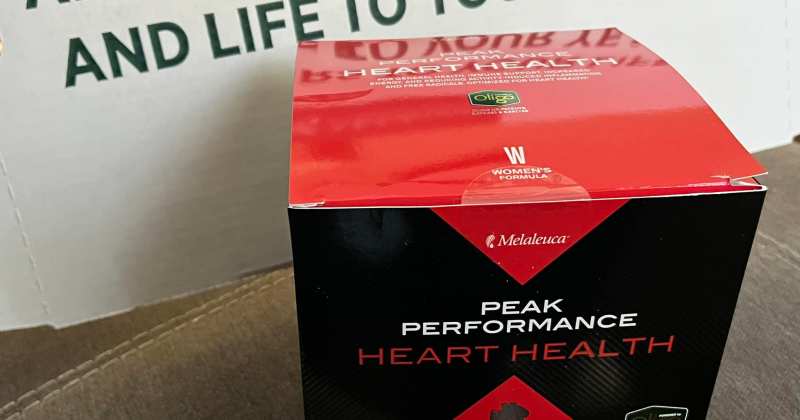
Many people buy supplements from Amazon or local drug stores without knowing where they come from, how they’re made, or if they even absorb properly! Quality and absorption are key to whether your supplements actually work as intended.
Here’s my story with Peak Performance supplements: I have an autoimmune disease, lung issues, and blood sugar concerns. But I no rarely take any pharmaceutical products! I made the right lifestyle changes and now use supplements that are clinically tested with advanced absorption technology.
Guess what? I put them to the test—when I stopped taking them for a few weeks, my symptoms started to return in full force.
Now, I only get my supplements directly from the manufacturer—fresh, high-quality, and at an affordable price. What could be better than that?
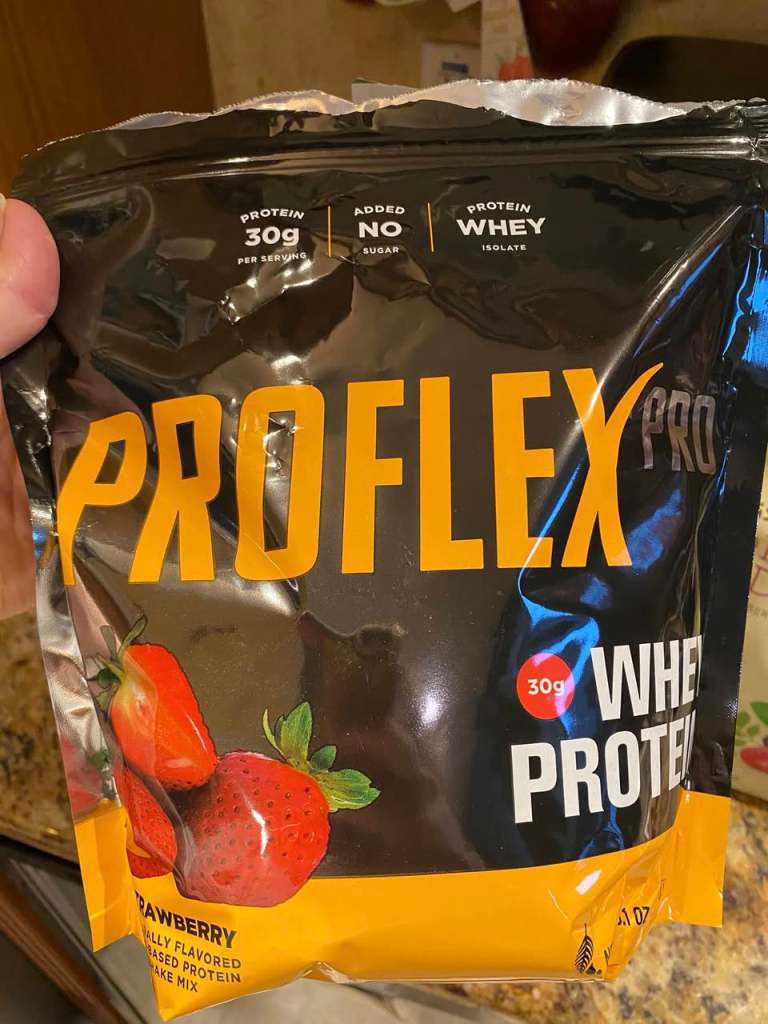
I’m adding a little over 40 g for breakfast using Strawberry ProFlex Pro and the Collagen Boost. I’m aiming for 140 g of protein, a day! I know this is a great way to start my day while giving me a great start on my daily Protein consumption.
I buy the two products at the Wellness Store—yep, my Online Shopping Club, the same store where I buy my cleaning, laundry, skin care, hair care makeup, toothpaste and more. They manufacture all of our daily household essentials! No harmful chemicals! I love that this company doesn’t have a big storage warehouse or things are sitting on shelves for months and years. It’s fresh and shipped to my door straight from them within three days of placing my order!
Both are important! But getting too much of one can be harmful to your health.
Omega-6 fatty acids are essential for human health and have many benefits, including:
Heart health: Omega-6s can help lower LDL cholesterol and increase HDL cholesterol, which can reduce the risk of cardiovascular disease.
Brain function: Omega-6s play a crucial role in brain function, along with omega-3 fatty acids.
Growth and development: Omega-6s are necessary for normal growth and development.
Bone health: Omega-6s help maintain bone health.
Metabolism: Omega-6s help regulate metabolism.
Reproductive system: Omega-6s help maintain the reproductive system.
Insulin sensitivity: Omega-6s help improve the body’s sensitivity to insulin, which can help keep blood sugar in check.
Here’s the problem:
Omega 6’s can promote inflammation and the typical American diet contains 14 to 25 times more omega-6s than omega-3s, which reduce inflammation. So that’s why the balance of these two superstars is very important!
We should strive for a 1:3 ratio of Omega 6 vs Omega 3, meaning we should have 3 grams of Omega 3 for every gram of Omega 6.
There is a direct relationship between coffee and our gut microbiome. Research shows that coffee may signficiantly increase the level of a particular good type of bacteria (or flora) called Lawsonibacter asaccharolyticus. In fact, in 2021, researchers found that out of more than 150 foods studied, coffee showed the strongest link to gut microbiome composition. So this is a good thing.
But how much should you drink? In the studies I read, “moderate” consumption is the ideal. Guess how much that is: Four – Five cups/day!
So depending on your sensitivity to caffeine… drink up! Actually, coffee has been linked to “lower risk of all cause mortality.” That does not make it a “super food”, but it does make for a strong argument!











 Hayseeds Creative