Fiber for optimal health

Colorectal cancer is the third most common cancer in the United States and the second leading cause of death from cancer.

Colorectal cancer affects all racial and ethnic groups and is most often found in people ages 50 and older. People over age 50 have the highest risk of colorectal cancer. You may also be at higher risk if you are African American, smoke, or have a family history of colorectal cancer.

The good news?

The best way to prevent colorectal cancer is to get screened regularly starting at age 50.
If everyone age 50 and older were screened regularly, 6 out of 10 deaths from colorectal cancer could be prevented.

There are often no signs or symptoms of colorectal cancer – that’s why it’s so important to get screened.

Everyone can take these healthy steps to help prevent colorectal cancer:

  • Get screened starting at age 50.
  • Encourage your family members and friends over age 50 to get screened.
  • Quit smoking and stay away from secondhand smoke.
  • Get plenty of physical activity and eat healthy.

One healthy addition to your diet is fiber. On a daily basis, 95% of Americans are only getting about half as much fiber as they need. Fiber is a component of plant foods that is never broken down and absorbed by the body—allowing it to perform important functions that  no other food can. The two forms of fiber, soluble and insoluble, both play important roles in maintaining optimal health as well as helping  to keep your colon “clean”.

Why fiber?

Well, according to research fiber can help prevent serious issues developing in your digestive tract because it  can sweep away toxins and waste throughout your body. Studies also show that the adequate amount of fiber helps supports immunity, improves regularity, and can help reduce the risk of heart disease.

I’m lucky to have found a great fiber product that’s a scientifically balanced blend of seven fiber sources, plus vitamins, antioxidants, soothing herbs, and probiotics. A single glass of this broad spectrum fiber provides 12 grams of healthy fiber to help me meet my optimal daily fiber and offers several benefits I don’t get from traditional fiber products.

Quick quiz: True or false?

You should get tested regularly for colorectal cancer starting at age 50.

Answer: 

Starting at age 50, get tested regularly for colorectal cancer. When it comes to colorectal cancer screening, you do have options. Learn more about screening here.

Decide which screening test you prefer here.

Green Tea: A miracle beverage

Tea is already the world’s most-consumed beverage, second only to water, and its popularity is on the rise around the world. With gourmet tea leading the way, more and more people are discovering the magic of tea.

Green tea could be considered a miracle beverage because it is effective at fighting everything from cancer to acne.

Among the many health benefits of green tea may be boosting to the immune system. Green tea seems to have an impact on reducing the instance of catching a virus as well as reducing the duration of a virus. The antioxidants in green tea have been found to block the various phases of infection of healthy cells, weakening a virus and reducing the duration of cold-like symptoms and fever. This may be because green tea’s antioxidant polyphenols could affect regulatory T-cells that play a key role in immune function, according to research from Oregon State University.

Research on the benefits of green tea and cancer prevention is still in early stages, but the results are promising. Researchers suspect that polyphenols in green tea help kill cancer cells and stop their progression, an important role to prevent various cancers. The attached article from Readers’ Digest outlines many of the benefits researchers discovered.

In a study of 472 women with breast cancer, those who drank the most green tea experienced the least spread of the disease. Researchers also found that women in the early stages of breast cancer who drank at least five cups of green tea every day during their diagnoses were less likely to have the disease recur after they completed treatment.

In looking at more than 35,000 women in the Iowa Women’s Health study, those who drank two or more cups of tea a day were almost 30 percent less likely to develop colon cancer than those who rarely drank tea.

One Chinese study found that men who drank more than three cups of tea a day reduced their risk of prostate cancer by 70 percent.

In another study funded by the National Institutes of Health, 79 men with prostate cancer were told to either drink six cups of green tea a day or six cups of water. After three to eight weeks, the levels of prostate-specific antigen, a protein that may indicate cancer, were lower in the men who drank green tea than those who drank water. An indicator of inflammation, nuclear factor-kappaB, linked to cancer growth, was also lower in the men who drank the green tea.

In skin cancer studies, lab animals that were given green tea developed one-tenth as many tumors as animals that were given water. The EGCC in green tea inhibits the production of urokinase, an enzyme that cancer cells need in order to grow. It also seems to stimulate the process of programmed cell death, or apoptosis, in cancer cells.

Studies show that tea can help make your heart healthier; soothe arthritis; boost your brain; clear up acne; fight UTIs; relieve allergies; reduce puffy eyes; reduce asthma symptoms and reduce stress overall because of the high levels of antioxidants Green Tea provides.

We drink Hidden Garden Green Tea, iced or hot, it is a sweet, smooth Chinese green tea with a clean, refreshing finish. It’s light but satisfying, perfect for our evening treat.

Pour a cup, and let the health benefits commence!

It’s National Iced Tea Day!

National Iced Tea Day is  June 10th.

This day is set aside to celebrate one of summer’s favorite drinks. Whether it is sweetened or unsweetened, with or without lemon, it is loved and enjoyed all summer long.

Tea is already the world’s most-consumed beverage, second only to water, and its popularity is on the rise around the world. With gourmet tea leading the way, more and more people are discovering the magic of tea. In the United States, iced tea is popular as an alternative to carbonated soft drinks and makes up about 85% of all tea consumed.

It is believed that iced tea started to appear in the United States in the 1860′s and became widespread in the 1870s where it was offered on hotel menus and on sale at railroad stations. Recipes for iced tea have been found in The Buckeye Cookbook, published in 1876 and Housekeeping in Old Virginia, published in 1877. The popularity of iced tea drink grew rapidly after it was introduced at the 1904 World’s Fair in St. Louis.

Today, iced tea can be found in many flavors, including: lemon, peach, raspberry, lime, passions fruit, strawberry and cherry.  It is found in restaurants, convenience stores, vending machines, grocery stores and self-serve soda fountains.

Both black and green tea have been recommended for a variety of positive health benefits, such as: reducing the risk of cardiovascular disease and certain forms of cancer. Tea’s antibacterial and antiviral activity helps maintain good oral health and normal blood pressure aand in some cases help;manage weight control.

We like to make our iced tea with Hidden Garden English Breakfast Tea. It’s a full-bodied, invigorating blend of Indian and Ceylon black tea. It makes a delicious tall glass of iced tea and it is our go to summer cooler. What’s yours?.


Are you at risk for cataracts?

The group, Prevent Blindness Vision Problems in the U.S., reports more than 22.3 million Americans have cataracts.

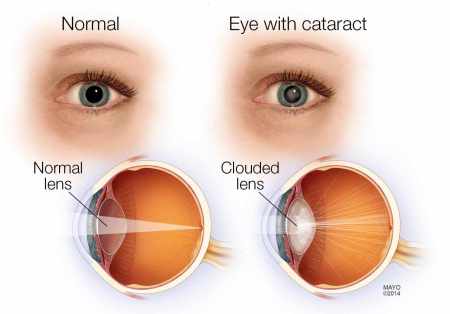
A cataract is a clouding of the eye’s lens, which blocks or changes the passage of light into the eye. The lens of the eye is located behind the pupil and the colored iris, and is normally transparent. The lens helps to focus images onto the retina—which transmits the images to the brain. When a cataract develops, your vision may become blurry or dim because the cataract stops light from properly passing through to your retina.

Cataracts are a leading cause of blindness among older adults in the United States. More than half of all Americans have cataracts by the time they are 80 years old. Cataracts can sometimes be found in young people or even newborns. The exact cause of a cataract is unknown. Most often, a cataract is part of the aging process—as you age, you are at a greater risk of developing a cataract.

There are several possible risk factors for cataracts, such as: 
• Intense heat or long-term exposure to UV rays from the sun
• Certain diseases, such as diabetes
• Inflammation in the eye
• Hereditary influences
• Events before birth, such as German measles in the mother
• Long-term steroid use
• Eye injuries
• Eye diseases and
• Smoking

The following problems may indicate that you have a cataract:
• You have blurred vision, double vision, ghost images, or the sense of a “film” over your eyes.
• Lights seem too dim for reading or close-up work, or you are “dazzled” by strong light.
• You change eyeglass prescriptions often and the change does not seem to help your vision.
• You may also be able to see the cataract in your eye. It may look like a milky or yellowish spot in your pupil.

Generally, a cataract does not cause pain, redness or tears. Cataracts are most likely caused by changes related to aging. Throughout our lives, our bodies replace old cells with new ones. As we grow older, the old cells in our eye’s lens build up and block light as it tries to pass through. The end result is cloudy vision.

The National Eye Institute recently sponsored the Age-Related Eye Disease Study 2 (AREDS2), which revealed that lutein and zeaxanthin supplementation reduced the risk of progression of AMD, one of the leading causes of blindness and visual impairment today.

They recommend it is best to take steps to slow down, if not prevent developing cataracts in your precious eyes. Preventing vision damage starts with replenishing the nutrients your eyes lose before it starts. Specialized supplements designed for eye health help safeguard your sight—naturally.

The eye supplement I use offers  superior vision support in high-glare and low-light conditions while promoting macula, retina, and lens health. I take just one softgel a day to helps maintain my visual acuity. After all, it’s never too late to protect your eyes!

PreventBlindness.org offers this Facts & Myths About Cataracts Fact Sheet to further explain cataracts.

.

Magnesium: the forgotten supplement

Vitamins and minerals are called “essential” because they are needed to sustain life and health, and almost all must be obtained from your diet. The most common source is fruit and vegetables, but only 14% of U.S. adults and 9.5% of U.S. teens are eating the recommended servings.

Because magnesium is the fourth most abundant mineral in your body, a deficiency can wreak havoc on your health. The fact that researchers have detected more than 3,750 magnesium-binding sites on human proteins should give you a sense of how important this mineral is for your body’s optimal functioning. Your body needs magnesium for:

  • Activating muscles and nerves
  • Creating energy in your body by activating adenosine triphosphate (ATP)
  • Helping digest proteins, carbohydrates and fats
  • Serving as a building block for RNA and DNA synthesis
  • Acting as a precursor for neurotransmitters like serotonin

The human body is not capable of storing most vitamins and minerals, so optimal health relies on nourishing the body with ideal amounts throughout the day. Dietary sources of magnesium include avocados, Brazil nuts, brown rice, cashews, dark leafy greens like spinach and Swiss chard, oily fish, raw cacao, seaweed and seeds.

You may be suffering from magnesium insufficiency if you experience:

  • Constipation
  • Eye twitches, muscle spasms — especially “charley horses” or spasms in your calf muscle that
    occur when you stretch your legs, numbness or tingling in your extremities and seizures
  • Headaches and/or migraines
  • High blood pressure, heart arrhythmias and/or coronary spasms
  • Low energy, fatigue and/or loss of appetite

Since the body’s ability to utilize some minerals diminishes with age, I supplement my diet with additional calcium, magnesium, and chromium with a Multivitamin & the Mineral supplement of that provides 100% or more of the daily recommended dose I need. How about you?

Another powerful reason to avoid drinking diet sodas

We already knew drinking sugary drinks was bad. Nutrition experts believe high levels of sugar contribute not just to rising levels of obesity, but also other health conditions such as diabetes, heart disease, dental cavities and cancer.

Boston University researchers found aspartame, a low-calorie sweetener, wreaks havoc on the arteries – as opposed to sugar-sweetened drinks. This means drinking diet soda is far worse for your health than drinking regular soda sweetened with sugar.

The results showed that adults who had one or more diet drinks a day were 2.9 times more likely to develop dementia and 3 times more at risk of strokes compared to those who virtually had none at all.

The team of scientists from Boston University believe the artificial sweeteners including aspartame and saccharine may be affecting the blood vessels, eventually triggering strokes and dementia.

This new study involved data on 2,888 adults older than 45 and 1,484 adults older than 60 from the town of Framingham, Massachusetts. The data came from the Framingham Heart Study, a project of the National Heart, Lung, and Blood Institute and Boston University.

“Our study shows a need to put more research into this area given how often people drink artificially sweetened beverages,” said Matthew Pase, a senior research fellow in the department of neurology at Boston University School of Medicine and lead author of the new study.

“Although we did not find an association between stroke or dementia and the consumption of sugary drinks, this certainly does not mean they are a healthy option. We recommend that people drink water on a regular basis instead of sugary or artificially sweetened beverages.”

Now, you have proof that  Drinking One Diet Drink A Day Can Triple Risk Of Dementia And Strokes. Only one a day!

So what to do? Drink ordinary water? That’s boring. We know getting eight glasses of water every day can be tough, but we’ve found a solution, SplasH2O.

SplasH2O® transforms plain water into a thirst-quenching, body-revitalizing, flavor sensation with tantalizing bursts of fresh fruit that will keep you making smarter choices. It’s a fantastic alternative to high-calorie, high-sugar drinks, and replaces them with sugar-free deliciousness. This fun, lively fusion of 5 classic fruits makes ordinary water taste refreshingly good—with no calories, sugar, or artificial flavors and colors.

We are so glad we found a way to turn water into a refreshing, flavorful drink that satisfies – without the sugar, calories, or cost of soda or fruit juice. We also know that we are reducing the chance of developing dementia or a stroke by switching. Now that’s something to consider.

The Centers For Disease Control And Prevention (CDC) have great information about the devastating consequences of eating too much sugar. It is very important to Know Your Limit for Added Sugars.

Another powerful reason to avoid drinking diet sodas

We already knew drinking sugary drinks was bad. Nutrition experts believe high levels of sugar contribute not just to rising levels of obesity, but also other health conditions such as diabetes, heart disease, dental cavities and cancer.

Boston University researchers found aspartame, a low-calorie sweetener, wreaks havoc on the arteries – as opposed to sugar-sweetened drinks. This means drinking diet soda is far worse for your health than drinking regular soda sweetened with sugar.

The results showed that adults who had one or more diet drinks a day were 2.9 times more likely to develop dementia and three times more at risk of strokes compared to those who virtually had none at all.

The team of scientists from Boston University believe the artificial sweeteners including aspartame and saccharine may be affecting the blood vessels, eventually triggering strokes and dementia.

This new study involved data on 2,888 adults older than 45 and 1,484 adults older than 60 from the town of Framingham, Massachusetts. The data came from the Framingham Heart Study, a project of the National Heart, Lung, and Blood Institute and Boston University.

“Our study shows a need to put more research into this area given how often people drink artificially sweetened beverages,” said Matthew Pase, a senior research fellow in the department of neurology at Boston University School of Medicine and lead author of the new study.

“Although we did not find an association between stroke or dementia and the consumption of sugary drinks, this certainly does not mean they are a healthy option. We recommend that people drink water on a regular basis instead of sugary or artificially sweetened beverages.”

Now, you have proof that  Drinking One Diet Drink A Day Can Triple Risk Of Dementia And Strokes. Only one a day!

So what to do? Drink ordinary water? That’s boring. We know getting eight glasses of water every day can be tough, but we’ve found a solution, SplasH2O.

SplasH2O® transforms plain water into a thirst-quenching, body-revitalizing, flavor sensation with tantalizing bursts of fresh fruit that will keep you making smarter choices. It’s a fantastic alternative to high-calorie, high-sugar drinks, and replaces them with sugar-free deliciousness. This fun, lively fusion of 5 classic fruits makes ordinary water taste refreshingly good—with no calories, sugar, or artificial flavors and colors.

We are so glad we found a way to turn water into a refreshing, flavorful drink that satisfies – without the sugar, calories, or cost of soda or fruit juice. We also know that we are reducing the chance of developing dementia or a stroke by switching products.

Now that’s something to consider.

The Centers For Disease Control And Prevention (CDC) have great information about the devastating consequences
of eating too much sugar. It is very important to Know Your Limit for Added Sugars.

Pancakes can be a powerhouse

Getting a good healthy start to your day with a hearty breakfast can set the tone for a productive day. Eggs are a great choice, but eggs day after day can get boring. A tasty alternative can be pancakes. But knowing what the dangers packed in pancakes are can help you make them a healthy choice.

Pancakes are high in carbs and contain a wide range of vitamins and minerals, but they can contain lots of fat, calories, and sodium. Still, pancakes can be a great addition to the variety of your morning meal. Knowing what they contain can be helpful to your healthy diet.

A 3.5 oz. serving of pancakes (2 cakes) contains about  221 calories, although the addition of butter and maple syrup can add considerable calories, obviously. A serving of pancakes contains 8.8 g of fat/ 3.8g are saturated fat. Avoid more than 15g of saturated fat per day. They also contain 27.2 g of carbohydrates, which is about 10% of what you should have in a day. You also get 8.1 g of protein which is about 17% of the average amount of this macronutrient.

Pancakes pack both a savory and sweet taste which is what makes them so satisfying. They contain about 4.3 g of sugar. The American Heart Association recommends under 25 g for women and 37 g for men. Salt in your batter constitutes 308 mgs of sodium and the recommended limit is at about 2000 mg, so measure your daily intake carefully.

But pancakes are a good source of phosphorus (20%) and calcium (18%) of your daily requirements. This makes them a good option for increasing bone strength and your body’s ability to manufacture RNA and DNA. Pancakes also provide significant levels of iodine and riboflavin as well as smaller amounts of vitamin C, Thiamin, vitamin B-6, niacin, vitamin B-12, magnesium, zinc, copper, and iron.

Whole-wheat flour will provide extra fiber and whole grains. I have also have attached some great recipes for high protein versions of these little-griddled beauties. While we found the recipes to contain great food additives, we in no way endorse the brands promoted. We use the recipes as additional options to our already great pancake recipes. We shop directly from a manufacturer that manufactures an entire suite of performance supplements that can “jack up” the nutritional value of your morning meal, as well as help control blood sugar! We have discovered the amazing power of pancakes when made with the proper ingredients. No syrup needed. Yes, they are that good!

Do you need to add vitamin D and calcium to your diet?

Because vitamin D helps your body absorb calcium, it plays a role in your bone health. Studies involving older adults have associated low vitamin D levels with an increased risk of falls and fractures. Another finding shows that at age 50, your kidneys may become less effective at metabolizing inactive vitamin D into its active form.

At age 70 and beyond, your body will produce about one-third less vitamin D through sun exposure than it did when you were 21. Plus melanin, which determines your skin pigmentation and protects your body from harmful ultraviolet radiation (UV),can also impair your skin’s ability to produce enough vitamin D from sunlight. Darker-skinned individuals may need up to 10 times more sun exposure to produce adequate vitamin D levels as compared to a person with lighter skin. Who knew?

Another good thing about getting adequate sun exposure is that your mood automatically elevates when you are in the sun, thanks to the brain hormone serotonin. Researchers examining the effects of vitamin D on the moods of 80 elderly patients found the ones with the lowest vitamin D levels were 11 times more likely to suffer from depression. So sunning daily and taking a vitamin D supplement can help ward off depression.

If you are obese, some experts recommend you increase your intake of vitamin D. Why? Because vitamin D is fat-soluble, when your fat cells uptake it, less is available for use elsewhere in your body.

Here is a list of vitamin D deficiency symptoms that most people ignore from Healthyway.com.

The optimal vitamin D level for general health ranges between 40 to 60 nanograms per milliliter (ng/ml). The ideal way to raise your vitamin D is by regularly and sensibly exposing large amounts of your skin, such as your arms, back, chest and legs, to sunshine. Getting outdoors at or around solar noon is the best time to soak up the sun. If for whatever reason you cannot get outdoors, or not frequently enough to receive sufficient UV exposure, consider taking an oral vitamin D3 supplement along with vitamin K2 and magnesium.

My company offers a wonderful K2-D3 supplement, offering the right balance of vitamins K2 and D3 is critical to regulating calcium and helping ensure you get optimal performance from this essential mineral.

Arsenic, Lead Found in Popular Protein Supplements

Whether for weight loss, muscle building, or simply as a convenient quick meal on the go, many Americans turn to protein powders and drinks.

But a new study shows that many of the top-selling powders and drinks may contain concerning levels of heavy metals such as arsenic, cadmium, mercury, and lead, and toxins like bisphenol A (BPA), a chemical found in some plastic containers and food can liners.

These substances have been linked to cancer, brain damage, and reproductive issues. When products were tested, many contained detectable levels of at least one heavy metal and 55 percent tested positive for BPA.The problem is, these toxins accumulate in your body and can stay there for years. Frequent consumption of foods that contain them can have adverse effects on your health.

This article from Consumer Reports provides a review of popular protein powders and drink supplements available today, and whether they’re necessary for most people.

The company I work with manufactures protein supplements and happily each product is made from only the finest ingredients to deliver the healthy, benefits. Every product in one line is also soy-free, gluten-free, and GMO-free, does not contain artificial sweeteners, and is kosher. A few specific products are also dairy-free and vegan.

Whether your goal is to maintain healthy blood sugar, build muscle, achieve a healthy weight, or just snack smarter, you need to be knowledgeable to protect your body every step of your journey. I’ve attached this article to help learn more about healthier for you flavors and formulas. You owe it to yourself to make an informed healthy choice.