Do you get enough Folic Acid?

 Women of childbearing age (typically ages 11 to 49) need 400 to 800 micrograms (mcg) of folic acid every day. Folic acid is found in vitamins and foods like breakfast cereal or bread that have folic acid added.

Everyone needs folic acid, but it’s especially important for women who are pregnant or who may become pregnant. Folic acid is a vitamin that can prevent birth defects. If you are pregnant or breastfeeding, your doctor can help you figure out how much folic acid is right for you. You may need more than 400 mcg folic acid if you have a health condition or are taking certain medicines.

Getting enough folic acid is important even when you aren’t planning to get pregnant. It’s needed during the first few weeks of pregnancy, often before a woman knows she’s pregnant.

How can I get enough folic acid?
Getting enough folic acid every day is easy. You can eat foods like breakfast cereal or bread that have folic acid added. Or you can take a vitamin with folic acid.

Look for breakfast cereal with folic acid.
Check the Nutrition Facts label on the side of the box to see how much folic acid the cereal has. Choose cereal that has 100% DV (Daily Value) of folic acid.

Take a vitamin with folic acid.
You can take a multivitamin or a small pill that has only folic acid. Vitamins and folic acid pills can be found at most pharmacies and grocery stores. We like Vitality Multivitamin and Mineral—it’s formulated with 24 essential nutrients and 200% DV. It comes in formulations for women, men, prenatal and 50+.

 It’s easy to get the folic acid you need. Just eat a bowl of cereal with 100% DV of folic acid – or take a vitamin – every day.

Check the label.
nutrition label with folic acid highlightedWhen you are at the grocery store, look for foods with folic acid in them. Choose cereal that has 100% DV of folic acid.

Folic acid is also in foods like enriched breads, pastas, and other foods made with grains. Check the Nutrition Facts label.

If you buy vitamins, be sure to check the label for folic acid. This label shows a vitamin with 100% DV of folic acid.


If you take a vitamin, make it easy to remember.

  • Take it at the same time every day. For example, take it when you brush your teeth in the morning or when you eat breakfast.
  • Leave the vitamin bottle somewhere you will notice it every day, like on the kitchen counter.

Eat healthy.
Eating healthy means getting plenty of vegetables, fruits, whole grains, and foods with protein. A healthy diet also includes foods with folate (a different type of folic acid).

In addition to eating cereal that has 100% DV of folic acid or taking a vitamin, it’s important for women to eat foods with folate, such as:

  • Spinach and other leafy greens
  • Asparagus
  • Oranges and orange juice
  • Beans and peas
Table 2: Selected Food Sources of Folate and Folic Acid [7]
Food mcg DFE
per serving
Percent DV*
Beef liver, braised, 3 ounces 215 54
Spinach, boiled, ½ cup 131 33
Black-eyed peas (cowpeas), boiled, ½ cup 105 26
Breakfast cereals, fortified with 25% of the DV† 100 25
Rice, white, medium-grain, cooked, ½ cup† 90 23
Asparagus, boiled, 4 spears 89 22
Spaghetti, cooked, enriched, ½ cup† 83 21
Brussels sprouts, frozen, boiled, ½ cup 78 20
Lettuce, romaine, shredded, 1 cup 64 16
Avocado, raw, sliced, ½ cup 59 15
Spinach, raw, 1 cup 58 15
Broccoli, chopped, frozen, cooked, ½ cup 52 13
Mustard greens, chopped, frozen, boiled, ½ cup 52 13
Green peas, frozen, boiled, ½ cup 47 12
Kidney beans, canned, ½ cup 46 12
Bread, white, 1 slice† 43 11
Peanuts, dry roasted, 1 ounce 41 10
Wheat germ, 2 tablespoons 40 10
Tomato juice, canned, ¾ cup 36 9
Crab, Dungeness, 3 ounces 36 9
Orange juice, ¾ cup 35 9
Turnip greens, frozen, boiled, ½ cup 32 8
Orange, fresh, 1 small 29 7
Papaya, raw, cubed, ½ cup 27 7
Banana, 1 medium 24 6
Yeast, baker’s, ¼ teaspoon 23 6
Egg, whole, hard-boiled, 1 large 22 6
Vegetarian baked beans, canned, ½ cup 15 4
Cantaloupe, raw, 1 wedge 14 4
Fish, halibut, cooked, 3 ounces 12 3
Milk, 1% fat, 1 cup 12 3
Ground beef, 85% lean, cooked, 3 ounces 7 2
Chicken breast, roasted, ½ breast 3 1
* DV = Daily Value. The FDA developed DVs to help consumers compare the nutrient contents of products within the context of a total diet. The DV for folate is 400 mcg for adults and children aged 4 and older. However, the FDA does not require food labels to list folate content unless a food has been fortified with this nutrient. Foods providing 20% or more of the DV are considered to be high sources of a nutrient.
† Fortified with folic acid as part of the folate fortification program.

Check out this list of foods with folate.

Central Body Fat

Fat, no matter where it is in your body, is not something that any of us desire. We diet. We exercise. It doesn’t seem to go anywhere. There are essentially two types of fat: Subcutaneous fat, the fat that can collect anywhere on the body. It is the “soft”, “pinchable” fat and visceral fat that is hard and usually appears as central body fat (right at the belly-line).

While there are indeed dangers to subcutaneous fat, it does not present the same level or volume of risk that visceral fat does. This article from Dr. Axe’ Food Is Medicine, focuses on the dangers of visceral fat, why it is so risky and the things you can do to get rid of it.

In general, what makes visceral fat so dangerous is that it collects around the organs. Certain types of body fat are really inflammatory diseases of their own. Visceral fat is excess intra-abdominal adipose tissue accumulation. It is deep fat that is stored deep under the skin, deeper than subcutaneous fat.

As this article clarifies, visceral fat is linked to many diseases, like cancer and coronary disease. It is by itself toxic and provokes the inflammatory pathways. It develops when communication between the brain and other major organs (the brain/body connection) begin to break down at its’ core are your blood sugar levels.

Increased inflammation, higher diabetes risk, difficulty in losing weight in general, higher risks of heart disease and stroke, dementia, depression and mood swings are just some of the consequences of excess visceral fat. The causes are overwhelmingly increased glucose in our bloodstreams. Controlling glucose is, therefore, the key to avoiding those consequences.

I take a supplement each day that controls the spikes in insulin and therefore the glucose that produces these and other problems. My company has developed and manufactures many high quality and affordable products that have helped me make the kind of adjustments in my lifestyle to keep it healthy and high energy.

Let’s Connect..

Barbara Hay
732.233.6541
hayseeds@me.com
My Website

Do you suffer from dry scalp?

Dry scalp is a great nuisance but it does not have to be dandruff. As the below bulletin describes, there are many causes of dry scalp, they mainly are caused by scalp infections.

There are a plethora of natural remedies for dry scalp. One of the most effective is the addition of tea tree oil to your shampooing regime. Combinations of other essential oils to the tea tree can also add to the effectiveness.

There are other natural ingredients that can be homogenized to be effective treatments as well. You may find most of them obscure, messier and more complicated than the essential oil treatment.

To prevent the occurrence of dry scalp before it happens, there are dietary alternatives that include more leafy green vegetables; fruits, eggs, and whole grains will help bolster the protein in your hair and scalp. Omega-3 is also helpful as are foods that are rich in vitamin A, B, C, zinc, and iron.

Always check the ingredients in your shampoo and conditioner to make sure they do not contain sulfates and parabens. Stay hydrated and use a hair dryer as little as possible. Massage your scalp with natural oils a few times a week.

Finally, try using a shampoo that contains tea tree oil and other nutrients that protect your hair and scalp to keep them healthy. 

homeremediesforlife.com/dry-scalp/


Let’s Connect..

Barbara Hay
732.233.6541

Is it a cold or the flu?

‘Tis the season for runny noses, itchy eyes, fever, and headaches. You have the flu…or is it a cold? It can be confusing. The bulletin linked below from Prevention Magazine can help you differentiate.

The flu hits you quickly and dramatically. You will often run a fever above 101F; it is accompanied by body aches and fatigue. You may have some other symptoms that “mock” the common cold, but you should seek treatment from your doctor within 48 hours of the onset.

Your cold symptoms are most commonly above the neck, but the common cold is not only caused by the rhinovirus but by any of two hundred other viruses. It is most effectively treated with over the counter “symptom-relievers”. You must be careful, however, not to mix multiple products, which can cause toxification.

Your flu, if that is your diagnosis, is most effectively treated by a physician prescribed anti-viral medication, but as I said earlier, it should come within 48 hours of your symptoms presenting themselves.

The best defense is an offense in the form of a healthy diet, adequate hydration and exercise. Naturally, avoid environments that may expose you to unreasonable risks of infection. You may also want to consider a regime of preventive supplements. My company develops and manufactures a full line of the purest, highest quality preventatives available. Take special care during the holidays and the winter and stay healthy.

https://www.prevention.com/health/health-concerns/difference-between-cold-and-flu

Your Eyes and Nutrition

With November being National Diabetic Eye Disease Prevention Month, I don’t think it is necessary for me to point out how important your eyes are to the quality of your life. They are your windows to the world. Without good vision, reading is difficult, watching your favorite television shows and enjoying your favorite pastimes can be diminished.

As you will see in the below bulletin from All About Vision, nutrition plays a large part in your overall eye health. Antioxidants and other important nutrients can help reduce sight-robbing conditions and disease. The prevention of macular and lens degeneration and even conditions causing “dry eye” become more and more necessary as our eyes mature.

There are things that you can do to slow down and even reverse some of the risks associated with your vision. A proper diet can provide some of the protection you need to preserve your valuable sight. An open relationship with your ophthalmologist can help you avoid some of the risks can help you identify the proper levels of vision supplements you can be taking to make up for the nutrients that you may be missing in your diet.

Things like beta-carotene, bioflavonoids, lutiein, zeaxanthin, omega-3 fatty acids, selenium, vitamin A, vitamin C, vitamin E, and zinc are some of the nutrients you should be aware of that should be included in your diet and supplements that you are taking daily. In general, include at least two servings of fish and plenty of colorful fruits and vegetables in your diet.

You will likely find that is often difficult to get all of what you need through diet alone. That is why I use supplementation of a highly pure and effective line of vision directed vitamins and minerals to assure my good ocular health.

http://www.allaboutvision.com/nutrition/nutrition_summary.htm

ESSENTIAL OILS AND SMOKING CESSATION

BULLETIN: Trying to quit smoking is difficult. This isn’t a stocking statement (particularly to those who are smokers). If you are a smoker, who finds it counterintuitive to use nicotine therapy to accomplish the task of being smoke/tobacco free, I have some alternative suggestions.

Your diet can influence your success in quitting smoking. A diet rich in fruits and vegetables can not only aid in keeping off the weight which often accompanies smoking cessation, it also triggers brain endorphins to improve attitudes of “grumpiness” that can result from quitting the habit.

Another way to produce those endorphins is through exercise, and it helps with keep the potential weight gain at bay. Often, meditation can help with the multiple symptoms that a cessation regime can produce. Upping your consumption of water and herbal teas has also shown some positive results.

Essential Oils are another tool in the quitting smoking arsenal in fact, the attached article explains several combinations of certain essential oils that work to reduce cravings. They can be inhaled from the bottle or sniffed from a tissue or cotton square or diffused into your environment. Some of the essential oils that have proven successful are clove; clary sage; basil; and marjoram. But the list doesn’t stop there: rose; bergamot; lavender; ylang-ylang; patchouli and a wide variety of citrus oils (think lime; grapefruit; orange and lemon) have also shown success at stimulating, relaxing, relieving lethargy and irritability and agitation.

If you find the side effects and disclaimers that are attached to the nicotine based remedies, unacceptable, you may want to consider some of these alternatives to break your physical and psychological addiction to tobacco and tobacco products.

Of course, the quality and freshness of the essential oils make a big difference in their efficacy. I am associated with a company that manufactures some of the purest (and most affordable) essential oils available. The benefits of being successful in your quest to quit can add years and years to your life. Is it worth it?

EYES AND NUTRITION

It’s not necessary to point out how important your eyes are to the quality of your life. They are your windows to the world—without good vision reading is difficult; your favorite television shows provide diminished satisfaction and hobbies become less enjoyable. 

As you’ll see in the attached bulletin from All About Vision, nutrition plays a large part in your overall eye health. The prevention of macular and lens degeneration and conditions causing “dry eye” become more and more necessary as our eyes mature. 

There are things that you can do now to slow down and possibly reverse some of the risks associated with your vision. A proper diet can provide some of the protection you need to preserve your valuable sight. Antioxidants and other important nutrients can help reduce sight-robbing conditions and disease. An open relationship with your ophthalmologist can help you avoid some of the risks can help you identify the proper levels of vision supplements you can be taking to make up for the nutrients that you may be missing in your diet.  

Things like beta-carotene, bioflavonoids, lutiein, zeaxanthin, omega-3 fatty acids, selenium, vitamin A, vitamin C, vitamin E, and zinc are some of the nutrients you should be aware of that should be included in your diet and supplements that you are taking daily. In general, include at least two servings of fish and plenty of colorful fruits and vegetables in your diet.

You will likely find that is often difficult to get all of what you need through diet alone. That is why I use supplementation of a highly pure and effective line of vision directed vitamins and minerals to assure my good ocular health.

http://www.allaboutvision.com/nutrition/nutrition_summary.htm

GET RID OF WATER SWELLING, NATURALLY

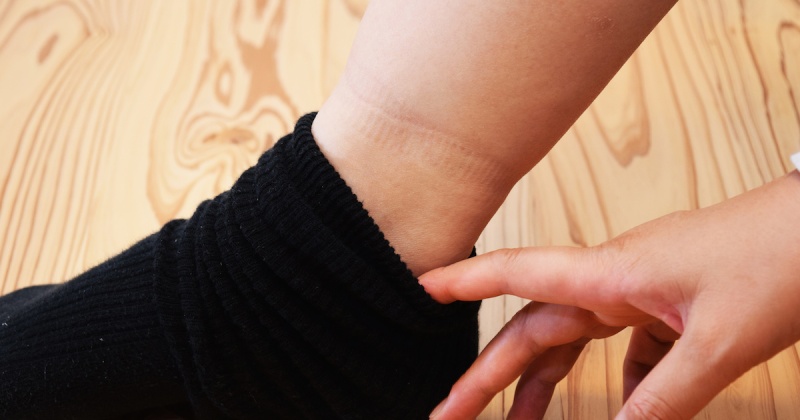
From time to time, all of us have experienced  swelling in our feet, ankles, and hands. It is usually simple water retention. Pregnancy and injury are also causes of peripheral swelling or edema. Whether it is natural or another cause, it is uncomfortable and often unsightly.

Pregnancy will almost always produce some water swelling. In certain cases, even after giving birth, swelling or edema can occur. Most of the time, it isn’t serious, however, if it persists longer than a month, you should see your physician.

Injury, such as sprains from activities, can also cause swelling. This usually causes pain in addition to the swelling because of the inflammation caused by the injury. In these cases, prescribed or natural anti-inflammatories can bring a great deal of relief.

Water retention and edema can also be caused by lifestyle. Increased physical activity and dietary changes can help a great deal—whether for short-term relief, or to keep the condition from recurring. Some tips:
• Raise your feet above your heart as often as possible.
• Cranberry juice and dandelion tea have excellent diuretic effects.
• Reduce your sodium and caffeine intake.
• Reduce red meat and add fish three to five times a week and add or increase the fruits and vegetables in your meal plans.
• Carrots, asparagus, leafy greens, pineapple, and watermelon have particularly good diuretic effects and…
• Drink plenty of water.

If you are currently under a physician’s care for your condition, be sure to check with them before you add or replace your medical regime with a natural one. The company with whom I am associated provides many wellness solutions that can assist you in your switch to a less prescription based solution to your water retention and swelling in your extremities. Take the time to read the attached article from LiveStrong for some additional details and information.

Maturing Skin

Usually, around the age of 50, we experience some significant changes in the character of our skin. Bruising occurs, usually on our hands and forearms, but many times on our feet, ankles and our calves. Our face and neck begin to lose volume as well. It is called aging.

There are some things you can do to slow down, arrest and even reverse this process. As the body ages, the ability of the body to produce collagen is reduced. There are some creams and serums that can help, sometimes significantly. The most effective way to reverse collagen loss is, not surprisingly, from within.

Collagen is the most abundant protein in our bodies, especially type 1 Collagen is found in our skin obviously, but it is also in the make up of our bones muscles, tendons, gut, blood vessels and even our teeth, But for this discussion, as collagen production is reduced, it leaves us with sagging skin, wrinkles, and joint pain.

As the available collagen in our skin is diminished, the skin thins. It tears more easily on the outside, causing wounds and on the inside causing sometimes unexplainable bruising that is ugly and many times enduring. Since collagen is so vital to the many inner-workings of our bodies, why not encourage your body to produce more collagen with some natural collagen boosters.

Your diet is one way. Foods like blueberries, dark leafy greens, garlic, eggs, mangoes, carrots, sweet potatoes and white tea, all stimulate the production of Collagen. In addition, take hydration seriously and drink plenty of water.

Vitamin supplementation with vitamin C and A, as well as B-12 and even amino acids, will aid your body in manufacturing more collagen. The attached bulletin from MEDILINE will tell you more. As you choose your supplementation regime, remember that the quality of your vitamins and other elements like the aminos, does make a difference. I’m associated with a company that has developed and manufactures some of the highest quality products on the market.

Red Wine Has Many Benefits

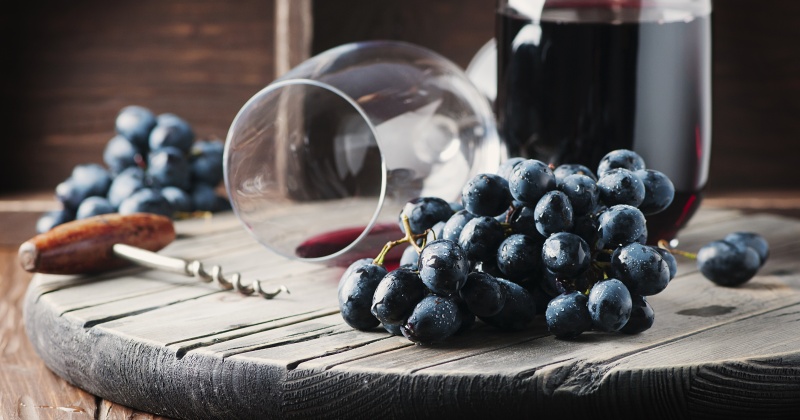
That glass of red wine y at the end of your day or with your evening meal can provide more than just good taste. The article link below from Prevention explains the incredible benefits of drinking one (or even two) glasses of red wine every day.

Red wine is an important part of the “proven healthy” Mediterranean diet. Red wine contains resveratrol, which has been proven to produce many health benefits. It not only reduces LDL (bad) cholesterol, it increases HDL (good) cholesterol.

It protects your heart in other ways, too. The antioxidants in red wine can keep blood vessels flexible and reduce the risk of clotting. It is nearly as effective as an aspirin protocol without the risks of harm to your gut. Resveratrol also helps control blood sugar.

Resveratrol also can keep your memory sharp as you age. It inhibits the formation of beta-amyloid protein that causes plaque in the brain and has been connected with the onset of Alzheimer’s. If you hate getting sick, even things as minor as a cold can be guarded against by the antioxidants in red wine. The article also shares other benefits

The company I have partnered with has formulated several products that contain the good and science proven extracts of grapes so I am sure that I get enough resveratrol even if I don’t drink that glass of red wine. But who would pass that “life’s pleasure”? Cheers.

www.prevention.com/health/healthy-living/health-benefits-of-red-wine

http://makegreengogreen.com/article/red-wine-has-many-benefits?barbarahay